Author: Amin khalid

  • The Ultimate Guide to Aloe Vera Plant Propagation for Your Home

    The Ultimate Guide to Aloe Vera Plant Propagation for Your Home

    I’ve spent the better part of my life with dirt under my fingernails, and if there is one plant that gives American homeowners the most “bang for their buck,” it’s the Aloe. Whether you keep it on your kitchen windowsill for minor burns or just love its architectural vibe, learning the art of aloe vera plant propagation is the most rewarding way to multiply your indoor jungle for free.

    In my years of growing this plant across different climates, I’ve found that people often overcomplicate the process. You don’t need a high-tech greenhouse to make this work. You just need a little patience, the right potting soil, and an understanding of how these resilient desert natives actually grow.

    Quick Care Guide for Aloe Offsets (Pups)

    FeatureRequirementExpert Observation
    LightBright, IndirectKeep new pups away from scorching Southern exposure initially.
    WaterVery InfrequentLet the soil dry 100% before you even look at the faucet.
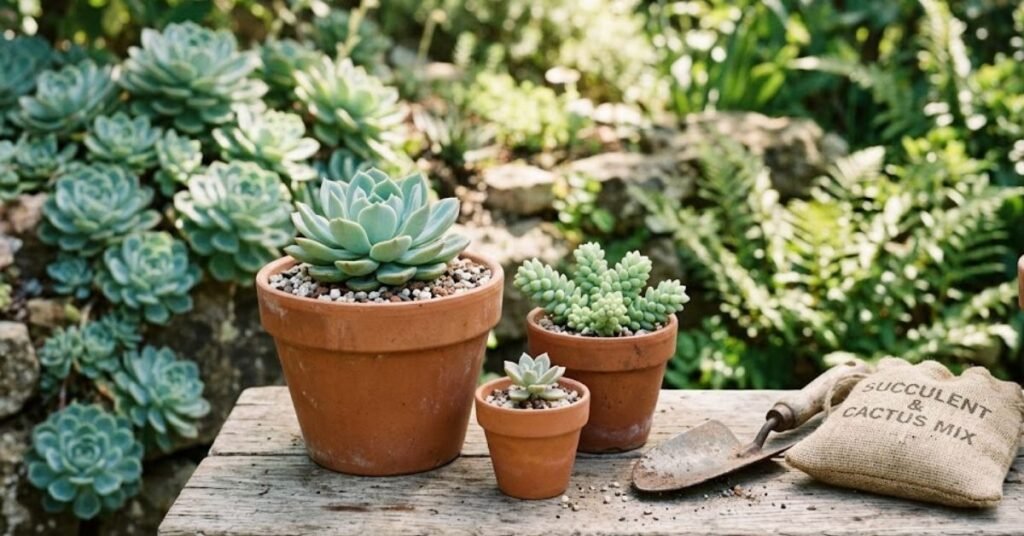
    SoilCactus/Succulent MixStandard indoor potting soil holds too much moisture.
    Temperature60°F – 80°FKeep away from cold windows in the Winter and AC vents in the Summer.
    USDA Zone9 – 11 (Outdoors)Strictly an indoor houseplant for most of the US.

    My Proven Method for Aloe Vera Plant Propagation

    The biggest misconception about aloe vera plant propagation is that you can just snip off a leaf, stick it in a glass of water, and watch roots grow. While that works beautifully for a Pothos, a fleshy aloe leaf will simply turn into a rotting, smelly mess.

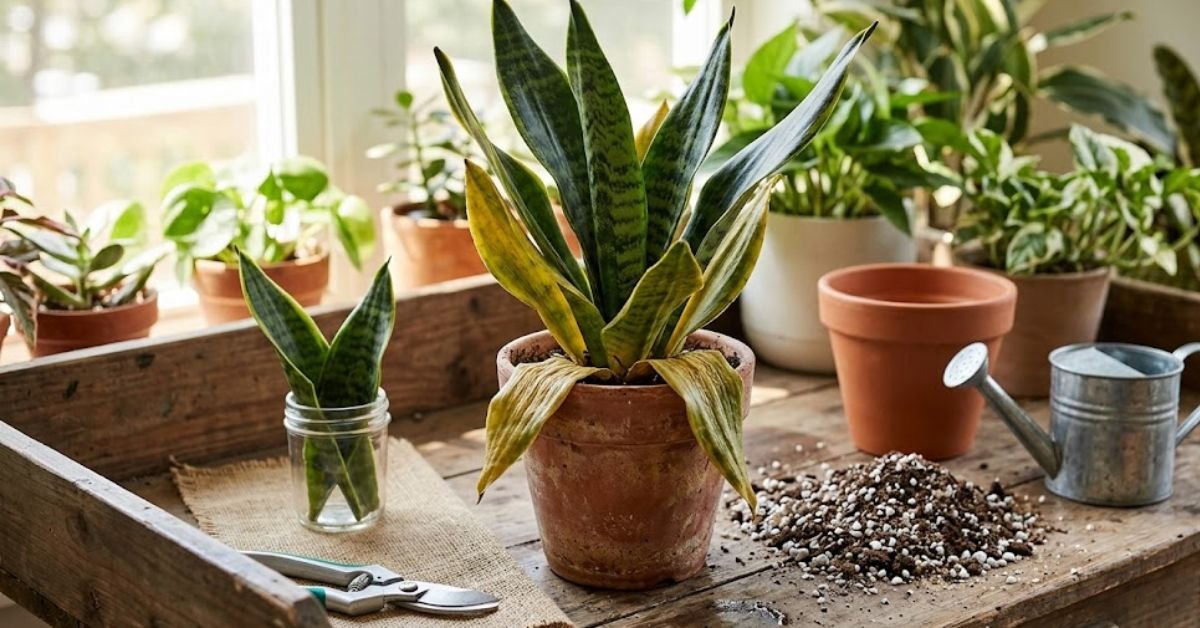
    Instead, we rely on “pups”—the tiny baby plants that pop up in the dirt around the base of the mother plant.

    Here is exactly how I do it:

    1. Wait for the Right Size: I never separate a pup until it’s at least 3 to 4 inches tall and has a few leaves of its own. At this size, it has usually developed its own independent root system.
    2. Unpot the Mother: It’s much easier to gently take the entire plant out of its pot. Lay it on a newspaper and brush away the dirt so you can see where the pup connects to the main stem.
    3. The Cut: Use a clean, sharp knife to sever the connection. I try to ensure the pup comes away with at least a few of its own roots attached.
    4. The Healing Period: Do not plant it immediately! Lay the newly separated pup in a warm, dry place out of direct sunlight for about two to three days. You want that cut wound to “callus” (scab over). If you plant a fresh cut into moist dirt, it’s an open invitation for fungal rot.

    Personal Pro-Tip: The best time for aloe vera plant propagation is early Spring or late Summer. The plant is in its active growing phase and will recover much faster than if you try to chop it up in the dead of Winter.

    The Best Soil and Pots for Your Aloe Vera Plant Propagation Success

    Once your pup is callused, it’s time to pot. Americans tend to love heavy, peat-based potting soils because they are cheap at the local hardware store. But for an aloe pup, that heavy dirt is a death sentence.

    I mix standard potting soil with a heavy dose of perlite or pumice—usually a 50/50 ratio. You want the water to run through the pot almost instantly.

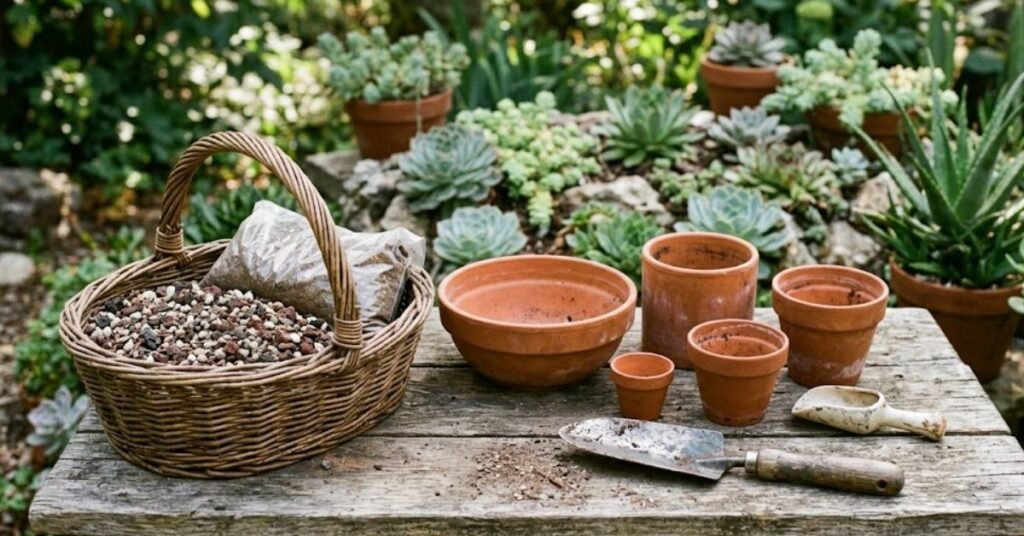
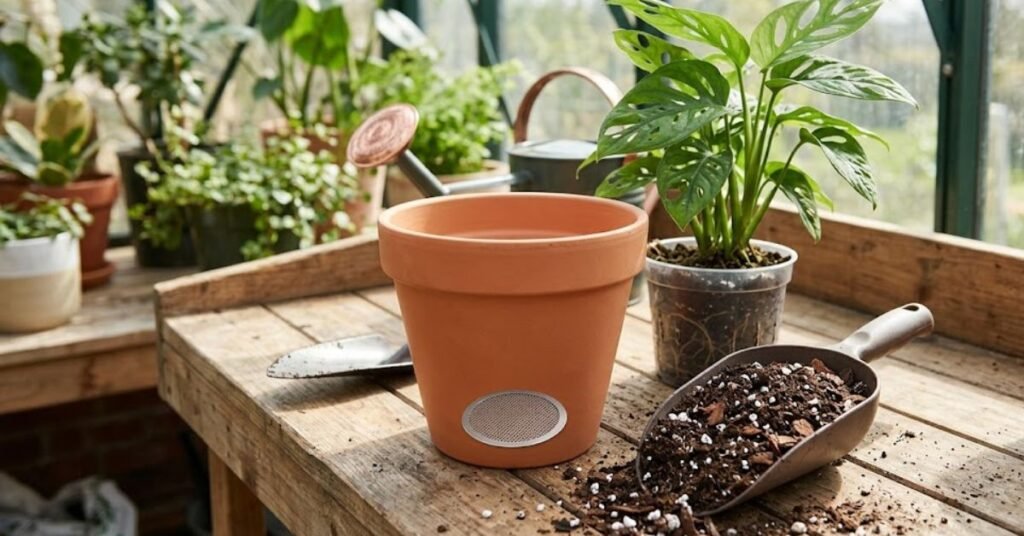
    As for pots, always choose terracotta over plastic. Terracotta is porous, meaning it “breathes” and allows moisture to evaporate through the sides. Since overwatering is the enemy of young succulents, terracotta acts as a great safety net.

    Personal Pro-Tip: When you finally pot the callused pup, do not water it right away. Wait a full week. The dry soil encourages the roots to reach out and establish themselves, searching for moisture.

    Common Mistakes Americans Make When Propagating Aloe

    I see the same a few mistakes constantly when I do home consultations. It usually stems from a place of love—we want to pamper our plants—but aloe thrives on a little bit of neglect.

    • The AC Vent Freeze: We love our central Air Conditioning, but placing a newly potted, vulnerable aloe pup right near an AC vent will shock it. The dry, frigid air stunts their root growth immediately.
    • The “Faucet Habit”: Watering on a strict schedule (like every Sunday) is a recipe for disaster. Only water your propagated aloes when the soil is bone dry all the way to the bottom.
    • Burying it Too Deep: When you pot your new pup, don’t bury the green fleshy leaves under the soil. Plant it only as deep as the roots. If the leaves are under wet dirt, they will rot at the crown.

    Personal Pro-Tip: If your newly potted pup is a little wobbly in the dry soil, don’t pack the dirt down hard to stabilize it. Instead, use a few decorative rocks or a layer of gravel to prop it up until the roots take hold.

    Troubleshooting Your New Plants After Aloe Vera Plant Propagation

    Even with the best intentions, things can go a little sideways while the plant gets established. Here is how I read what the plant is trying to tell me:

    • Leaves Turning Yellow and Mushy: Stop watering immediately. This is the classic sign of root rot. Pull the plant out, snip off any black/slimy roots, let it dry for a few days, and repot in fresh, dry soil.
    • Brown, Crispy Tips: This is usually chemical burn from city tap water, or a sign of intense, sudden sunburn. Let your faucet water sit in a jug overnight so the chlorine can evaporate before watering.
    • Leaves Curling Inward: Your plant is actually thirsty! When an aloe uses up its internal water reserves, the plump leaves will start to hollow out and curl like a taco. Give it a deep soak until water runs out the drainage hole.

    Personal Pro-Tip: If you are moving your new aloe to a sunny Southern window, do it gradually. Start with an hour of morning sun and increase it over a week. Going straight from a dim kitchen to full sun will scorch the leaves brown.

    Toxicity Warning: Are Aloe Plants Safe for Dogs and Cats?

    This is something I highlight for every single client with pets. While aloe is incredibly healing for human skin, it is toxic to cats and dogs. The latex (the yellow juice found just under the skin of the leaf) contains saponins, which act as a heavy purgative. If your golden retriever or curious tabby chews on an aloe pup, they will likely experience lethargy, vomiting, and severe diarrhea.

    Personal Pro-Tip: Because aloes need bright light, they usually end up on accessible windowsills. If you have pets, I highly recommend using a heavy, elevated plant stand, or keeping your aloes in a room where the door stays shut while you are away.

    Frequently Asked Questions About Aloe Vera Plant Propagation

    Q1. Can I do aloe vera plant propagation from just a leaf cutting?

    Technically, yes, but the success rate is incredibly low. Fleshy aloe leaves hold so much water that they almost always rot before they can push out roots. Stick to separating the pups for a 99% success rate.

    Q2. How long does it take for a new aloe pup to root?

    If you followed the steps to let it callus and planted it in dry soil, it usually takes about 3 to 4 weeks for the root system to “grab” the soil. Give the plant a very gentle tug; if there is resistance, you have roots!

    Q3. Do I need to use a rooting hormone powder?

    Not at all. I rarely use rooting hormones on succulents. Their natural survival instinct in dry conditions is to push out roots on their own.

    Q4. When is the best time of year to propagate my aloe?

    Late Spring or early Summer is ideal. The longer, warmer days trigger the plant’s active growth cycle, meaning both the mother plant and the baby will heal from the separation much faster.

    Q5. Why is my new aloe pup turning gray or purple?

    Don’t panic! This is called “stress coloring.” When an aloe is separated from its mother, placed in new soil, or exposed to brighter light, it produces pigments to protect itself. Once it settles in and roots, it will turn vibrant green again.

    Q6. Can I use regular compost or garden dirt for my new plants?

    Absolutely not. Garden dirt from your yard is too dense, carries pests, and won’t drain in a container. Always use a bagged, well-draining indoor potting mix amended with perlite.

    Q7. How big should the mother plant be before it starts producing pups?

    Usually, an aloe needs to be mature—about 3 to 5 years old—and slightly “rootbound” in its pot before it feels the urge to reproduce. If your aloe is in a massive pot with lots of empty space, it will focus on growing bigger rather than making babies.

    Final Thoughts on Growing Your Aloe Family

    Looking back at my first few attempts at aloe vera plant propagation, I realize that the most important tool I ever used wasn’t a fancy trowel or a high-end fertilizer—it was my own ability to just leave the plant alone. We Americans tend to be “fixers,” often hovering over our plants with the faucet ready to go. But with Aloe, the real magic happens when you give it the right potting soil, a bright spot away from the AC blast, and the space to do its thing.

    Once you see that first bit of vibrant green growth poking out from the center of a new pup, you’ll know you’ve mastered a skill that keeps on giving. These plants are legendary survivors, and before you know it, your one kitchen-window plant will have turned into a whole lineage of greenery spread throughout your home.

    Personal Pro-Tip

    The absolute best part of mastering aloe vera plant propagation is that you’ll never have to buy a housewarming gift again. I keep a stash of small terracotta pots and a bag of grit-heavy potting soil on hand. When a neighbor moves in, I just pull a pup from my “mother” plant, pot it up, and hand over a piece of my garden. It’s a gift that’s practical, beautiful, and uniquely personal.

  • The Ultimate Guide to the Best Fire Resistant Plants for California Gardens

    The Ultimate Guide to the Best Fire Resistant Plants for California Gardens

    I’ve spent years designing landscapes from the embers of the Wine Country to the wind-swept canyons of Malibu. If there’s one thing I’ve learned, it’s that creating the best fire resistant plants for California gardens isn’t about stripping your yard down to gravel—it’s about building a strategically hydrated, intelligently spaced ecosystem that can actually withstand wildfire conditions.

    In this guide, we’re going deep. We’ll cover the best fire resistant plants for California gardens, the new legal requirements of AB 3074, and the hidden “Ladder Fuel” traps that most homeowners walk right past.

    Quick Care & Compliance Table

    ZoneDistanceRequirementBest Plant Types
    Zone 00–5 ftEmber-Resistant Zone (AB 3074)None (Hardscape/Succulents in pots)
    Zone 15–30 ftLean, Clean, & GreenLavender, Sage, Redbud
    Zone 230–100 ftReduced Fuel ZoneOaks, Ceanothus, Toyon
    WateringYear-roundKeep foliage “turgid” (plump with water)Native-compatible drip or overhead

    The New “Zone Zero”: Navigating AB 3074 in Your Garden

    As of 2026, California law (AB 3074) has changed the game for the first five feet around your home. This is the “Ember-Resistant Zone.” Research showed that most homes don’t burn from a wall of fire, but from embers landing in dry “fuel” right against the foundation.

    To stay compliant and safe, the best fire resistant plants for California gardens in this 0–5 ft zone are actually… none. I know, it’s a tough pill for a gardener to swallow. But for this zone, you want hardscape (gravel, pavers) or very low-growing, succulent groundcovers that are kept impeccably clean.

    Personal Pro-Tip

    If you can’t live without green near your window, use “islands” of succulents in thick ceramic pots. If a fire approaches, these “water tanks” won’t carry the flame to your siding, and the pots act as a secondary barrier.

    Breaking the Chain: Eliminating “Ladder Fuels”

    This is where most DIYers fail. You can have the best fire resistant plants for California gardens, but if you arrange them like a staircase, you’ve built a fire ladder. “Ladder fuels” are low-growing shrubs or tall grasses situated directly under the canopy of a tree.

    In my years of consulting, I’ve seen small fires on the ground “climb” up a lavender bush, catch a low oak limb, and suddenly you have a crown fire 30 feet in the air.

    How to fix it:

    • The 3x Rule: Keep a vertical gap between the top of your shrubs and the lowest tree branches that is at least three times the height of the shrub.
    • Limbing Up: Prune your large trees (like Coast Live Oaks) so the lowest branches are at least 6 to 10 feet off the ground.

    Personal Pro-Tip

    When you’re pruning in the Fall, look at your garden from a “cat’s eye view.” If a cat can jump from a shrub to a branch, a fire can too. Cut those bridges!

    Top Species Picks for Your Fire-Wise “Pillar” Garden

    To be truly effective, the best fire resistant plants for California gardens should be grouped by their water needs and their “cleanliness.”

    1. The Hydration King: Island Morning Glory (Calystegia macrostegia)

    A California native that stays incredibly lush. Because it’s a vine/groundcover, it stays low to the earth, making it an excellent choice for Zone 1 (5–30 ft).

    2. The Silver Shield: White Sage (Salvia apiana)

    Sages are often misunderstood. While they have oils, a healthy, well-hydrated White Sage has thick, leathery leaves that resist ignition far better than non-native ornamental grasses.

    3. The Deciduous Guard: Western Redbud (Cercis occidentalis)

    Unlike evergreens that hold dry needles year-round, the Redbud is “clean.” In the Winter, it’s just bare wood, and in the Spring, it’s a burst of moisture-rich flowers and leaves.

    Common Mistakes in California Fire-Scaping

    Living with Air Conditioning often makes us forget how dry our outdoor plants are getting.

    • The “Dead Inside” Syndrome: Plants like Lavender or Rosemary look green on the outside but are full of dry, dead twigs on the inside. This is “hidden fuel.”
    • The Wrong Mulch: Never use “Gorilla Hair” (shredded redwood bark). It’s essentially tinder. Use large-format rock or 2-inch wood chips kept moist.
    • Ignoring the Faucet: Even a fire-resistant plant becomes flammable if it’s drought-stressed. In Summer, give your fire-shield plants a deep soak once a week.

    Personal Pro-Tip

    Use your garden hose to wash the dust off your plants once a month. Dust isn’t just ugly; it acts as a “wick” for flying embers. A clean, wet leaf is a fire-resistant leaf.

    Troubleshooting Your Fire-Safe Landscape

    • Yellowing Leaves: Usually overwatering. California soil (especially clay) doesn’t drain fast. Switch to a “pulse” watering setting on your timer.
    • Woody Centers: If your sage or lavender is more brown than green inside, it’s time for a “renewal prune.” Do this in early Spring to encourage fresh, water-heavy growth.
    • Leaf Drop: If your “fire-resistant” tree is dropping leaves in July, it’s stressed. That leaf litter on the ground is a massive fire risk. Rake it immediately.

    Toxicity & Safety for California Pets

    • Safe: California Fuchsia, French Lavender, Coneflower.
    • Toxic: Oleander (Incredibly fire-resistant, but lethal to dogs/horses), Sago Palm.

    Personal Pro-Tip

    If you live in an area with high fire risk, you might be tempted to plant Oleander as a hedge. Don’t. It’s one of the most toxic plants in the USA. Stick to Toyon—it’s native, fire-resistant, and much safer for your pups.

    FAQ: What Every Californian Needs to Know

    1. Is Zone 0 (0–5 ft) mandatory for everyone?

    As of 2026, it is mandatory for homes in “Very High Fire Hazard Severity Zones.” Check the CAL FIRE map for your specific address.

    2. Can I keep my mulch near the house?

    Under AB 3074, you should replace wood mulch within 5 feet of the house with non-combustible materials like gravel, rock, or decomposed granite.

    3. Why are “ladder fuels” so dangerous?

    They turn a manageable ground fire into a catastrophic tree-top fire that can leap over roads and firebreaks.

    4. How do I choose the best fire resistant plants for California gardens in the shade?

    Look for Coral Bells (Heuchera) or California Iris. They have high moisture content and thrive in the cooler parts of your yard.

    5. Does “drought-tolerant” mean “fire-resistant”?

    No. Many drought-tolerant plants (like Junipers or Eucalyptus) are full of volatile oils and are extremely flammable.

    6. What is the “Zero to Five” rule?

    It’s the simplest way to remember AB 3074: zero combustible material within five feet of your home’s foundation.

    7. Can I keep my trees in Zone 0?

    Yes, but they must be “limbed up” so no branches are within 10 feet of your chimney or touching your roof.

    Final Thoughts

    Building a garden with the best fire resistant plants for California gardens is an act of love for your home and your community. By following AB 3074 and managing your ladder fuels, you aren’t just making a prettier yard—you’re making a stand against the wildfire cycle. Keep your plants hydrated, your gravel clean, and your “defensible space” wide.

    Do you have a specific corner of your yard that needs a fire-safe makeover? I’d love to help you pick the right species for your zone!

  • Why Gravel Gardening for Water Conservation USA is the Future of Your Backyard

    Why Gravel Gardening for Water Conservation USA is the Future of Your Backyard

    I’ve spent years watching American lawns struggle. From the scorching high deserts of Arizona to the humid suburbs of the Mid-Atlantic, I’ve seen homeowners dump thousands of gallons of water from the faucet just to keep a patch of thirsty grass alive. It’s a cycle that’s getting harder to maintain as water restrictions become the new normal across the country.Gravel gardening for water conservation USA is quickly becoming the future of sustainable landscaping. Across the United States, homeowners are replacing thirsty lawns with water-saving gravel gardens that require less maintenance and dramatically reduce water use

    That is why I’m such a massive advocate for gravel gardening for water conservation USA. This isn’t just “throwing rocks over dirt.” It’s a specialized horticultural technique where we plant directly into a deep layer of crushed stone. In my experience, it’s the single most effective way to have a lush, vibrant garden without the massive water bill or the constant weekend maintenance.

    Quick Stats: Gravel Gardening at a Glance

    FeatureRequirementExpert Observation
    Gravel Depth4 to 5 inchesThinner layers allow weeds to poke through easily.
    MaintenanceUltra-LowForget mowing; just occasional weeding and debris removal.
    Water SavingsUp to 80%Drastically reduces reliance on the garden hose.
    Best ZonesUSDA Zones 3–11Versatile across almost all US climates.
    Soil TypeLean, unamended soilAvoid rich potting soil or organic fertilizers.

    The Core Benefits of Gravel Gardening for Water Conservation USA

    When most people think of gravel, they think of a hot, sterile parking lot. But in the world of professional horticulture, a gravel garden is a living sponge. By using a deep layer of aggregate, we create a mulch that never breaks down, keeps the soil cool, and prevents evaporation.

    In my years of designing these spaces, I’ve found that gravel gardening for water conservation USA works so well because it forces plants to grow deep, resilient root systems. Instead of being “spoiled” by surface water, they dig deep into the earth to find moisture, making them much more likely to survive a brutal American Summer heatwave without drooping.

    Personal Pro-Tip

    Always use “crushed” stone rather than “pea” gravel. Crushed stone has angular edges that lock together, providing a stable surface to walk on. Pea gravel is round and feels like walking through a ball pit—it’s incredibly frustrating when you’re trying to move a wheelbarrow or a lawn chair!

    Choosing the Right Plants for Gravel Gardening for Water Conservation USA

    The “secret sauce” to a successful gravel garden is picking plants that actually like “lean” living. In the US, we have a tendency to over-fertilize, but gravel-loving plants actually hate that. They want sharp drainage and very little organic matter around their crowns.

    I always recommend starting with North American natives. If you’re in USDA Hardiness Zone 6 or 7, plants like Asclepias tuberosa (Butterfly Weed) or Echinacea (Coneflower) thrive in gravel. They look stunning against the gray or tan stone and provide a feast for local pollinators. If you are in a warmer, drier zone, agaves and yuccas are your best friends.

    Personal Pro-Tip

    When you plant, don’t just dig a hole in the gravel. Pull the gravel back, dig into the soil below, and then—this is the crucial part—wash the root ball of your plant entirely free of its original potting soil. If you leave that peat-heavy soil on the roots, it acts like a sponge that rots the plant in a gravel environment once the Fall rains hit.

    Common Mistakes Americans Make with Gravel Gardening

    Even with the best intentions, I see the same three mistakes popping up in suburban yards from coast to coast.

    1. Using Weed Fabric: This is the #1 mistake. Weed fabric eventually clogs with fine silt, preventing water from reaching the roots and making it impossible for your plants to self-seed. In a proper setup, the gravel is your weed barrier.
    2. Over-watering in the Fall: As temperatures drop, your gravel garden needs almost zero supplemental water. I see many people forget to turn off their automatic timers, leading to root rot during the dormant Fall and Winter seasons.
    3. Using the Wrong Soil: If you add rich “garden soil” or compost under your gravel, you’re inviting weeds to a five-star buffet. These gardens thrive on “poor” soil that lacks nitrogen.

    Personal Pro-Tip

    If you’re worried about weeds, don’t reach for the chemical sprays. A quick pass with a propane torch or a specialized “hula hoe” in early Spring is all you need to keep the gravel clean without hurting the local ecosystem.

    Troubleshooting Your Water-Wise Gravel Garden

    Is your garden looking a little lackluster? Here is how I diagnose the most common issues:

    • Yellowing Leaves: This is usually a sign of too much moisture. If we’ve had a rainy Spring, the soil beneath the gravel might be holding onto water. Ensure your site isn’t in a “low spot” where water pools.
    • Stunted Growth: Remember, plants grow slower in gravel than they do in a pampered flower bed. Be patient! It usually takes about two full seasons for a gravel garden to truly “fill in.”
    • Plants Flopping Over: This usually happens if you’ve been too generous with the faucet. If you water too much, the plants grow tall and “soft” instead of sturdy and “tough.”

    Toxicity Warning: Is Gravel Gardening Safe for Your Pets?

    While the gravel itself is safe, you must be careful about the species you choose for your gravel gardening for water conservation USA project.

    • Safe for Dogs/Cats: Blue Fescue, Coreopsis, and Sedums (most varieties).
    • Toxic to Dogs/Cats: Yucca (can cause stomach upset if chewed) and certain varieties of Euphorbia (the milky sap can irritate skin and eyes).

    Since these gardens encourage “exploring,” I always tell my clients to double-check the ASPCA toxic plant list before heading to the nursery to fill their cart.

    FAQ: What People Are Asking About Gravel Gardening for Water Conservation USA

    1. Does gravel gardening make my yard hotter?

    Actually, if done correctly with plenty of plantings, the transpiration from the leaves keeps the area cool. However, a field of only rocks will create a heat island effect. Aim for at least 50% plant coverage.

    2. Can I do this in a rainy climate like the Pacific Northwest?

    Yes! Gravel gardening is actually fantastic for high-rainfall areas because it prevents the “mushy” soil issues that kill many drought-tolerant plants during wet winters.

    3. Do I ever have to replace the gravel?

    No. Unlike wood mulch that disappears and needs refreshing every year, gravel is a one-time investment. You might need to “top it off” every 5–10 years if it settles into the soil, but that’s it.

    4. How do I clean leaves out of the gravel in the Fall?

    I find that a leaf blower on a low setting works perfectly. It lifts the light leaves but leaves the heavy stone in place. Avoid raking, as it mixes the gravel with the soil below.

    5. Is gravel gardening expensive to install?

    The upfront cost of the stone and the labor to move it is higher than wood mulch, but you save thousands over the long term in water bills, mowing costs, and replacement mulch.

    6. Will my HOA allow a gravel garden?

    Many modern HOAs in the USA are becoming “Xeriscape-friendly” due to new state laws. If you show them a professional design that looks like a garden rather than a rock pit, they are usually much more receptive.

    7. Can I grow vegetables in a gravel garden?

    Not really. Most veggies need high-nutrient soil and constant water from the faucet. Gravel gardening is best suited for ornamental perennials, native grasses, and hardy shrubs.

    Final Thoughts

    Transitioning to gravel gardening for water conservation USA is one of the most rewarding shifts you can make as a gardener. It moves us away from the “struggle against nature” and toward a partnership with our local environment. Once those roots hit the cool soil beneath the stone, you’ll be amazed at how little your garden asks of you—and how much it gives back in beauty.

  • Tired of Fruit Flies? The Best Carnivorous Plants for Gnats in Kitchen Spaces

    Tired of Fruit Flies? The Best Carnivorous Plants for Gnats in Kitchen Spaces

    We’ve all been there. You bring home a beautiful bunch of bananas from the grocery store, and three days later, your kitchen feels like a landing strip for fungus gnats and fruit flies. In my 15 years of professional horticulture, I’ve seen people try everything from vinegar bowls to those sticky yellow cards that look like a middle school art project. But if you want a solution that actually adds beauty to your home, you should look into the best carnivorous plants for gnats in kitchen environments.

    Using plants as pest control isn’t just “cool”—it’s effective. However, these aren’t your typical houseplants. You can’t just stick them in a pot of hardware-store dirt and hope for the best. To make this work, you need to understand how these specialized plants survive in the wild and how to mimic those conditions right next to your fruit bowl.

    Quick Care Guide for Kitchen Carnivores

    FeatureRequirementExpert Observation
    LightBright, Direct/IndirectMost need a sunny South-facing windowsill.
    WaterDistilled or RainwaterNever use water straight from the faucet.
    SoilPeat/Perlite MixNever use standard potting soil with fertilizers.
    Humidity50% – 70%High humidity is key, especially when the AC is blasting.
    Temperature65°F – 80°FKeep them away from cold drafts or heater vents.

    Why the Best Carnivorous Plants for Gnats in Kitchen Areas Outperform Sprays

    Two carnivorous plants, a Sundew and a Butterwort, in brown pots on a kitchen windowsill with small insects trapped on their sticky leaves.

    When I first started outfitting kitchens with “predatory plants,” I realized that most people think of the Venus Flytrap first. While iconic, a flytrap is actually a poor choice for gnats—their traps are designed for larger bugs like spiders or flies. For the tiny, annoying gnats that plague American kitchens, you need plants with “passive” traps—sticky surfaces that act like living flypaper.

    The best carnivorous plants for gnats in kitchen settings are those that lure insects with sweet-smelling nectar and then trap them in a permanent embrace. Not only do these plants help clear the air, but they also don’t involve spraying chemicals near your food prep areas.

    Personal Pro-Tip

    If you live in a drier climate or run your Air Conditioning year-round, your indoor air is likely too dry for these bog-dwellers. I suggest sitting your pots in a shallow tray of distilled water. This “tray method” keeps the roots wet and boosts local humidity around the leaves.

    Which are the Best Carnivorous Plants for Gnats in Kitchen Environments?

    If you’re serious about clearing out the pests, you have to pick the right “tool” for the job. In my experience, two specific genera stand head and shoulders above the rest for small insect control.

    Sundews (Drosera): The Sticky Solution

    Sundews are, bar none, the best carnivorous plants for gnats in kitchen windows. They are covered in tiny tentacles tipped with “dew” (which is actually a super-strong mucilage). When a gnat lands, it’s stuck instantly. My personal favorite is the Drosera capensis. It’s hardy, and I’ve seen a single plant catch dozens of gnats in a single week during a bad Spring outbreak.

    Butterworts (Pinguicula): The Living Flypaper

    Often called “Pings,” these look like innocent succulents with slightly greasy leaves. Don’t let the cute appearance fool you; those leaves are a death trap for gnats. They are perfect for kitchen counters because they are low-profile and produce beautiful flowers that look like violets. I’ve found that Pinguicula gigantea is particularly effective because both sides of the leaves are sticky.

    Personal Pro-Tip

    When you buy a Butterwort, check its “cycle.” Many species go through a “succulent phase” in the Fall and Winter where they stop being sticky. If you want year-round gnat control, look for tropical Pings that don’t require a hard dormancy.

    My Top Pick: Sundews as the Best Carnivorous Plants for Gnats in Kitchen Spaces

    A Cape Sundew carnivorous plant in a brown pot on a wooden kitchen counter, with several small flies trapped on its sticky, red-tipped leaves near a window.

    If I had to pick just one plant to handle a gnat infestation, it’s the Cape Sundew. Why? Because they are incredibly communicative. If the “dew” on the leaves disappears, the plant is telling you it’s too dry or needs more light. I’ve grown these in everything from small apartments to large greenhouses, and they are the most reliable hunters I’ve ever seen.

    To get the most out of them, place them exactly where the gnats congregate—usually near the sink or the fruit basket. Just make sure that spot gets at least 4-6 hours of sunlight. Without light, the plant won’t produce the nectar that lures the bugs in the first place.

    Avoiding Common Mistakes with Your Kitchen Carnivores

    I’ve had so many people come to me wondering why their “bug-eater” died after two weeks. In the US, our homes are often set up in ways that accidentally kill these plants.

    • The Faucet Mistake: Most American tap water is full of minerals like calcium and sodium. These plants evolved in nutrient-poor bogs. If you water them from the faucet, the minerals will “burn” the roots. You must use distilled water, reverse osmosis water, or collected rainwater.
    • The Wrong Dirt: If you use a bag of “Miracle-Gro” or any standard indoor potting soil, your plant will likely die within a month. The fertilizers in those soils are toxic to carnivorous plants. They need a 50/50 mix of unenriched peat moss and perlite.
    • AC Vent Placement: We love our Air Conditioning, but these plants hate the dry, moving air it creates. If your kitchen windowsill is directly under an AC vent, your plant will lose its “sticky” dew and won’t be able to catch a single gnat.

    Personal Pro-Tip

    If you’re wondering if your water is okay, get a cheap TDS (Total Dissolved Solids) meter. If the reading is above 50 ppm, don’t use it. Stick to the bottled distilled water you find at the grocery store.

    Troubleshooting: Why is my plant struggling?

    A collage titled "Drosera: Different States" showing various stages and settings of Sundew plants, including a macro shot of dew-covered tentacles and several potted specimens on kitchen counters and windowsills.

    If your best carnivorous plants for gnats in kitchen corners aren’t looking their best, check these common symptoms:

    • No “Dew” on Sundews: This usually means the humidity is too low or the light is too dim. Try moving it to a brighter window or placing it in a glass terrarium (with an open top).
    • Turning Black/Brown: If the whole plant is turning black, it’s likely root rot (if it’s sitting in too much water) or mineral burn (from the wrong water). If it’s just one leaf, don’t worry—old leaves die off naturally as new ones grow.
    • Stretching/Pale Color: This is “etiolation.” The plant is hungry for light. American kitchens can be dark, so you might need a small LED grow light to keep the plant vibrant.

    Toxicity Warning: Are they safe for your pets?

    This is a major concern for US pet owners. I’m happy to report that Sundews and Butterworts are generally considered non-toxic to cats and dogs. Unlike a Lily or a Poinsettia, these plants won’t cause an emergency vet visit if your curious cat takes a nibble.

    However, the “dew” can be a bit of a sticky mess on fur, and some specialized carnivorous plants (like certain Pitcher plants) have digestive enzymes that might cause a mild stomach upset if ingested in large quantities.

    Personal Pro-Tip

    Even though they aren’t toxic, I keep my plants on a higher shelf or in a hanging glass orb. Cats love the “sparkly” look of Sundews and will often bat at them, which ruins the delicate sticky tentacles the plant uses to catch gnats.

    FAQS: What People Actually Ask About Carnivorous Plants for Gnats

    1. Can I use these plants instead of bug spray?

    Yes! I’ve seen a healthy collection of Sundews and Pings completely replace the need for chemical traps. They won’t wipe out an infestation overnight, but they provide constant, long-term “background” control.

    2. Do I need to “feed” them if there are no gnats?

    In most US homes, there’s always a bug or two. But if your kitchen is surgically clean, you can use a highly diluted foliar spray (like Maxsea) once a month. Just be careful not to overdo it.

    3. Do these plants smell bad?

    Not at all. Unlike the “Corpse Flower” or some large tropicals, Sundews and Butterworts have a very faint, sweet scent that is undetectable to humans but irresistible to gnats.

    4. My Venus Flytrap isn’t catching gnats. Why?

    As I mentioned, the “best” carnivorous plants for gnats in kitchen settings aren’t flytraps. Flytraps are like a bear trap—gnats are just too small to trigger the hairs. Stick with Sundews or Butterworts for the tiny stuff.

    5. Do they need to go outside in the Summer?

    Depending on your USDA Hardiness Zone, they can! Most of these plants thrive outdoors in Zones 8-10. However, if you live in Zone 5 or 6, keep them inside or they’ll freeze.

    6. Can I use “Spring” water from the store?

    No! “Spring” water actually has more minerals added for taste. Stick to Distilled or Purified water labels.

    7. Why do the traps on my plant keep turning black?

    Each trap has a “shelf life.” After it eats 2-3 bugs, that specific leaf or trap will die off. It’s totally normal! Just snip it off with clean scissors to keep the plant looking tidy.

    Final Thoughts on Your Kitchen Jungle

    Finding the best carnivorous plants for gnats in kitchen windows is a rewarding journey. It turns an annoying household problem into a fascinating hobby. Just remember: keep them wet, keep them bright, and keep that faucet water far away from their roots!

  • The Ultimate Guide on How to Style a Maximalist Indoor Jungle: A Horticulturist’s Blueprint for Lush Living

    The Ultimate Guide on How to Style a Maximalist Indoor Jungle: A Horticulturist’s Blueprint for Lush Living

    I’ve spent the last years with dirt under my fingernails, helping folks across the country turn sterile, white-walled living rooms into thriving, vibrant ecosystems. If you’re tired of the “sad beige” minimalist look and want to embrace the “more is more” philosophy, you’re in the right place. Learning how to style a maximalist indoor jungle isn’t just about buying every plant at the local garden center; it’s about creating a curated, lush explosion of life that actually survives your home’s HVAC system.

    In my time consulting for homes from the humid South to the dry Southwest, I’ve seen that the biggest hurdle isn’t a lack of space—it’s a lack of strategy. Most people think they can just shove a bunch of pots in a corner and call it a day. But to really master how to style a maximalist indoor jungle, you need to think like a designer and act like a botanist. We’re talking about layering textures, managing the drying effects of American air conditioning, and choosing the right potting soil to ensure your “jungle” doesn’t turn into a graveyard by Fall.

    Personal Pro-Tip

    Before you bring a single new plant home, grab a cheap hygrometer from the hardware store. Most US homes sit at about 30% humidity because of our heating and cooling systems, but a true maximalist jungle needs at least 50% to stay lush. Knowing your baseline is the first step to success.

    Quick Care Guide for Your Maximalist Jungle

    FeatureRequirementExpert Note
    LightBright Indirect (mostly)West/South windows are gold in US homes.
    WaterVaries by speciesUse the “finger test” before hitting the faucet.
    Humidity50% – 70%Essential when the AC or heater is running.
    SoilWell-draining Potting MixAvoid cheap, heavy garden soils for pots.
    FertilizerLiquid 10-10-10Feed during Spring and Summer growth spurts.

    My Secret to Selecting Plants for a Maximalist Indoor Jungle

    A Sundew in a terracotta pot and a Butterwort in a small white pot sitting on a wooden kitchen counter, with fruit flies trapped on their sticky leaves near a bowl of fruit.

    When I first started out, I made the mistake of buying only the “it” plants. In a maximalist setup, you need variety in texture, height, and color. I always recommend starting with “anchors”—large specimens like a Monstera Deliciosa or a Bird of Paradise—and then filling the gaps with “trailers” like Pothos or Heartleaf Philodendron.

    In my experience, the key to how to style a maximalist indoor jungle that looks intentional is to mix leaf shapes. Pair the broad, glossy leaves of a Rubber Tree with the fine, feathery fronds of a Kimberly Queen Fern. This contrast creates that “wild” look without looking like a messy basement.

    Personal Pro-Tip: Don’t ignore your USDA Hardiness Zone just because the plants are inside. If you live in a northern zone (like Zone 5), your indoor light levels drop significantly in the Winter. I suggest getting a cheap light meter to see if your “bright” corner is actually dark.

    Pro Styling Secrets: Layering Your Maximalist Indoor Jungle

    Styling is where the “maximalism” really happens. Most people just line plants up on the floor like a botanical police lineup. To truly master how to style a maximalist indoor jungle, you have to think vertically. I use a mix of vintage wooden crates, tiered plant stands, and ceiling hooks to create “walls” of green.

    I love to “cluster” my plants. Not only does this look visually stunning, but it also creates a localized microclimate. As plants transpire, they release moisture, helping their neighbors stay hydrated—which is a lifesaver when your American central air is sucking the humidity out of the room.

    Personal Pro-Tip: Use “repetition” to anchor the chaos. If you have five different types of plants, try using the same style of terracotta or ceramic pots. It ties the jungle together so it feels like a collection, not a garage sale.

    Common Mistakes When Creating a Maximalist Indoor Jungle

    A cluttered indoor room filled with many overgrown, wilting house plants in various pots on shelves and windowsills.

    I’ve seen it a thousand times: a beautiful jungle turns into a graveyard within three months. Usually, it’s not a “black thumb”—it’s a lack of understanding of the American home environment.

    1. The AC Vent Death Trap: We love our air conditioning, but your tropical plants hate it. Placing a Calathea directly under a vent is a death sentence. The cold, dry air will turn those leaves crispy in days.
    2. Over-watering in the Fall: As the days get shorter in the US, your plants’ metabolism slows down. If you keep watering them like it’s July, you’ll end up with root rot.
    3. Using the Wrong “Dirt”: Always buy a high-quality potting soil. Never use “topsoil” or “garden soil” from the hardware store for your indoor pots; it’s too heavy and won’t drain, leading to fungal issues.

    Personal Pro-Tip: Buy a cheap hygrometer (a humidity monitor). If your home stays below 40% humidity, your maximalist dreams will literally shrivel up. Aim for 50%+.

    Troubleshooting Your Maximalist Indoor Jungle

    Even with 15 years of experience, I still deal with the occasional yellow leaf. Here is how I handle the most common “jungle” gripes:

    • Yellow Lower Leaves: This is often the first sign of overwatering. Check the soil—if it’s soggy, let it dry out completely.
    • Brown, Crispy Tips: This is usually a humidity issue or a reaction to the chlorine in your city water. I suggest letting your water sit in a jug overnight before using the faucet to fill your watering can.
    • Leggy, Stretching Stems: Your plant is “reaching” for the window. This means it needs more light. Move it closer to the glass or add a LED grow light.

    Personal Pro-Tip: Keep a bottle of Neem oil on hand. In a dense jungle, if one plant gets spider mites, they’ll spread to the whole “forest” fast. I do a preventative spray once a month.

    Is a Maximalist Indoor Jungle Safe for Pets?

    A tabby cat sitting on a rug in a bright, sunlit room filled with various healthy houseplants, including a large Monstera deliciosa, ferns, and succulents arranged on wooden shelves and benches.

    This is the most important question I get from US plant parents. Many “jungle” staples are toxic if chewed.

    • Toxic: Monstera, Philodendron, Snake Plants, and ZZ Plants contain calcium oxalate crystals which irritate the mouth and tummy.
    • Safe (Pet-Friendly): Parlor Palms, Spider Plants, Boston Ferns, and Hoyas.

    If you have a cat that loves to nibble, I recommend keeping the toxic plants on high shelves or in hanging baskets where they are out of reach.

    Personal Pro-Tip: If you’re worried about toxicity, focus your “floor level” plants on Ferns and Palms, and keep the Monsteras on higher stands.

    My Final Thoughts on How to Style a Maximalist Indoor Jungle

    After a decade and a half of tending to greenery, I’ve realized that the most successful “jungles” aren’t the ones that look perfect on day one—they’re the ones that grow with you. When you’re figuring out how to style a maximalist indoor jungle, remember that it’s a living, breathing art project. You might find that a certain corner gets too much draft from your AC in the Summer, or that your Ficus drops leaves every time you turn the heater on in the Fall. That’s okay. Gardening is as much about the “oops” as it is about the “wow.”

    I always tell my clients that a maximalist space should feel like a sanctuary, not a chore. If you find yourself stressed by the number of pots, you’ve gone past maximalism and into “overwhelmed.” Keep it fun, keep the faucet running for those thirsty ferns, and don’t be afraid to move things around until the vibe feels just right.

    Personal Pro-Tip

    My biggest secret? Don’t buy everything at once. The best-styled jungles in the US are curated over years. I love hitting up local plant swaps or “big box” clearance racks in late Fall to find rescue plants that just need a little TLC and a fresh bag of high-quality potting soil.

    FAQ: What People Actually Ask About Maximalist Jungles

    1. How do I clean all those leaves?

    I take my larger plants into the shower once a month and give them a lukewarm “rain” rinse. For smaller ones, a damp microfiber cloth works wonders. Dust blocks sunlight!

    2. Does a maximalist jungle attract bugs?

    If you have a lot of plants, you might see fungus gnats. I use “Mosquito Bits” in my watering can to kill the larvae in the potting soil. It’s a game-changer.

    3. Can I do this in a room with no windows?

    Honestly? No—not with real plants. But you can do it with a lot of high-quality LED grow lights. I’ve seen some stunning basement jungles that never see the sun.

    4. Isn’t it expensive to buy so many plants?

    I recommend “Propping and Swapping.” Start with a few plants and learn to take cuttings. Most jungle plants like Pothos and Tradescantia root easily in water.

    5. How do I water 50+ plants without making a mess?

    I use a long-neck watering can so I can reach into the back of clusters without moving everything. Also, use saucers under every pot to save your hardwood floors!

    6. Will the plants ruin my walls with moisture?

    As long as you have good airflow, you’ll be fine. I keep a small oscillating fan on low in my “dense” corners to prevent mold and keep the air moving.

    7. How long does it take to maintain?

    For a true maximalist setup, I spend about 30 minutes every Sunday checking soil moisture and snipping dead leaves. It’s my version of meditation.

  • Aesthetic Room Decor Ideas with Indoor Plants: The Professional’s Guide

    Aesthetic Room Decor Ideas with Indoor Plants: The Professional’s Guide

    I’ve seen indoor plants transition from mere hobbies to essential architectural elements. Whether you’re navigating the humidity of the South or the dry radiator heat of a Northeast winter, successful aesthetic room decor ideas with indoor plants require a marriage of design and biology. This guide focuses on practical, US-centric strategies to elevate your home using greenery.

    Essential Care & Aesthetics Quick-Reference

    Plant NameDesign VibeLight RequirementWater StrategyPet Safety
    Monstera DeliciosaTropical/StatementBright IndirectDry top 3″ of potting soilToxic
    Fiddle Leaf FigArchitectural/ModernHigh IndirectDry top 2″ completelyToxic
    Snake PlantMinimalist/CleanLow to HighMonthly (approx.)Toxic
    Parlor PalmTraditional/SoftMedium IndirectKeep slightly moistSafe

    Personal Pro-Tip: Always check your USDA Hardiness Zone if you plan to move plants to a porch. For most of the US, “Indoor Season” starts the moment night temperatures dip below 55°F.

    High-Impact Aesthetic Room Decor Ideas with Indoor Plants

    1. The Vertical “Living Wall” with Trailing Vines

    To maximize square footage in smaller US apartments, utilize vertical space. Using Golden Pothos or Heartleaf Philodendron on floating shelves creates a cascading “living curtain” effect.

    • Design Tip: Use matte-finished ceramic pots in a single color palette to keep the look cohesive rather than cluttered.

    2. Sculptural Anchoring with Monstera Deliciosa

    A mature Monstera serves as a living sculpture. I recommend training these plants up a moss pole early on. This prevents the “leggy” sprawl common in home environments and encourages the iconic leaf fenestration (splits) that define the aesthetic.

    • Design Tip: Place these in corners opposite your primary light source to allow the leaves to face the room.

    3. The Minimalist Trio: Snake Plants

    For modern American interiors, the Snake Plant (Dracaena trifasciata) offers unbeatable vertical lines. Grouping three plants of varying heights in cylindrical planters creates a sophisticated, tiered look that requires minimal intervention.

    Personal Pro-Tip: Don’t just buy a plant; buy a “cachepot.” Keep the plant in its plastic nursery pot and drop it into a decorative ceramic container. This makes drainage management a breeze and protects your hardwood floors from water damage.

    Why “Aesthetic” Plants Fail in American Homes

    Even the best-looking plant won’t save a room if it’s dying. Here are the three most common environmental killers I encounter in US households.

    The HVAC Conflict

    Central air conditioning and forced-air heating are the primary enemies of indoor greenery. Tropical plants thrive in 50%+ humidity; your AC unit strips that away.

    • The Fix: Never place a plant directly in the draft path of a vent. If your leaves are browning at the tips, your HVAC is likely “freeze-drying” the foliage.

    The “Garden Soil” Error

    I often see beginners use “Garden Soil” or “Compost” meant for outdoor beds in their indoor pots. In the stagnant air of a home, this heavy soil compacts, leading to root rot.

    • The Fix: Use a high-quality potting soil amended with perlite or orchid bark to ensure the roots can breathe.

    Freezing Faucet Shock

    In the winter, US tap water can drop to near-freezing temperatures. Pouring 40°F water directly onto the roots of a tropical plant causes cellular shock, leading to leaf drop.

    • The Fix: Fill your watering can the night before. This allows the water to reach room temperature and lets harsh chemicals like chlorine dissipate.

    Troubleshooting & Maintenance

    Yellowing Leaves (The Overwater Signal)

    If your aesthetic room decor plants are turning yellow, you are likely loving them to death. Soggy soil prevents oxygen from reaching the roots.

    • Solution: Stick your finger two inches into the soil. If it’s damp, put the watering can down.

    Leggy Growth (The Light Starvation)

    When a plant becomes “stretched out” with large gaps between leaves, it’s searching for sun.

    • Solution: Move the plant closer to a South or West-facing window. In darker rooms, supplement with a 6500K LED grow light.

    Personal Pro-Tip: Treat your plants like your furniture—dust them! Dust buildup on large leaves like the Fiddle Leaf Fig blocks light and invites spider mites. A quick wipe with a damp microfiber cloth once a month keeps the “aesthetic” look sharp and the plant healthy.

    Crucial Toxicity Warning for Pet Owners

    Many trending plants—including Monsteras, Snake Plants, and ZZ Plants—are toxic to cats and dogs. As an owner of an inquisitive orange tabby, I’ve learned that “out of reach” isn’t always enough.

    Safe Alternatives for a Pet-Friendly Aesthetic:

    • Bird’s Nest Fern: Great for bathrooms.
    • Kentia Palm: Perfect for a dramatic corner.
    • Spider Plants: Ideal for hanging baskets.

    FAQ: Styling and Survival

    1. How do I stop fungus gnats?

    These pests love moist topsoil. Bottom-water your plants by letting them sit in a tray of water for 20 minutes, keeping the top inch of soil dry where gnats lay eggs.

    2. Is my tap water safe?

    Generally, yes. However, if you see salt buildup (white crust) on your pots, switch to distilled water or a faucet filter.

    3. What is the best “low-light” aesthetic plant?

    The ZZ Plant is the undisputed king. It can thrive in a windowless office, though it will grow much slower.

    4. How do I choose the right pot size?

    Never “up-size” a pot by more than 2 inches in diameter. Too much extra soil holds excess water, which leads to rot.

    5. Why is my Fiddle Leaf Fig dropping leaves?

    These are the “divas” of the plant world. They hate change. If you move it, even three feet, it may drop leaves in protest. Pick a spot with bright indirect light and leave it there.

    6. Do I need to fertilize in the winter?

    No. In most of the US, indoor plants go semi-dormant in the winter. Resume a balanced liquid fertilizer routine in the Spring (March/April).

    7. Can I use “leaf shine” products?

    Avoid them. They clog the plant’s pores (stomata). Use plain water and a soft cloth for a natural, healthy glow.

    The Verdict: Design with Life in Mind

    Bringing nature indoors is a journey that requires both an eye for design and a respect for biology. After years of diagnosing brown leaves and lopsided stems, I can tell you that the most aesthetic room decor with indoor plants comes from plants that are actually thriving. When you choose species that match your light levels and protect them from the harsh drafts of American HVAC systems, the “decor” takes care of itself.

    Don’t strive for a perfect, frozen-in-time Pinterest photo. Instead, aim for a space that feels alive, breathable, and uniquely yours. Whether it’s a single, majestic Fiddle Leaf Fig in your living room or a sprawling Pothos in your bedroom, these green companions do more than just look good—they make a house feel like a home.In the end, aesthetic room decor ideas with indoor plants are less about decoration and more about creating a living, breathable space.

    Final Pro-Tip: The best “aesthetic” advice I can give is to buy plants you actually love, not just the ones that are currently trending. When you have a genuine connection to your greenery, the care feels less like a chore and more like a rewarding ritual. Happy planting!

  • How to Care for Petunia Firefly: The Ultimate American Gardener’s Guide

    How to Care for Petunia Firefly: The Ultimate American Gardener’s Guide

    How to Care for Petunia Firefly is something every plant lover should understand before bringing this glowing beauty into their home. In my 15 years of working with ornamental plants across the US—from humid Georgia gardens to cooler Oregon nurseries—I’ve learned that this isn’t a typical petunia. The Firefly Petunia requires a more intentional care approach if you want to maintain its famous luminous effect.

    Unlike standard garden petunias, this bioengineered plant depends heavily on light exposure, proper watering, and balanced feeding to stay healthy and vibrant. If you want that soft glowing “moonlight” effect at night, getting the basics right from day one is essential.

    Quick Care Guide: The Firefly Petunia at a Glance

    FeatureRequirement
    Light6+ hours of bright, direct sunlight (the “fuel” for the glow)
    WateringConsistent moisture; avoid soggy “wet feet”
    USDA ZonesAnnual in most of US; Perennial in Zones 10-11
    SoilHigh-quality, well-draining American potting soil
    FertilizerBalanced liquid feed every 2 weeks
    ToxicitySafe/Non-toxic for cats and dogs (USDA cleared)

    Getting Started: How to Care for Petunia Firefly in Your Home

    When your Firefly arrives, it’s usually in a dark shipping box. The first thing I tell everyone is: don’t panic. It might look a little “sleepy” or pale. In my experience, these plants are incredibly resilient, but they are light-hungry.

    If you’re keeping it indoors, remember that our modern American homes are built to stay cool, but the dry air from your air conditioning can zap the moisture right out of these leaves. Keep it away from those AC vents!

    Personal Pro-Tip: When you first unbox it, give it a “sip” of water from the faucet (room temperature, please!) and place it in a bright window, but keep it out of the scorching midday sun for the first 48 hours while it acclimates.

    Light Requirements: How to Care for Petunia Firefly’s Glow

    The most common question I get is: “Why isn’t my plant glowing?” The answer is almost always light. The bioluminescence is powered by the plant’s metabolism. If the plant isn’t photosynthesizing efficiently during the day, it won’t have the energy to glow at night.

    I’ve found that a south-facing window is your best bet indoors. If you’re planting outdoors for the Spring, ensure it’s getting at least 6 hours of full sun.

    Personal Pro-Tip: If you live in a particularly cloudy state like Washington or Ohio, don’t be afraid to supplement with a simple LED grow light. I’ve noticed a 20% increase in glow brightness just by adding 4 hours of supplemental light in the evening.

    Watering Wisdom: How to Care for Petunia Firefly Without Drowning It

    Most Americans kill their plants with kindness—specifically, too much water. For the Firefly, you want the soil to feel like a wrung-out sponge.

    When you stick your finger an inch into the potting soil, it should feel dry before you head to the faucet. If you see the stems getting “mushy,” you’re overdoing it.

    Personal Pro-Tip: Always water at the base of the plant. Getting water on the fuzzy leaves can lead to “powdery mildew,” a common fungus we see in humid US summers.

    Common Mistakes Americans Make with This Plant

    I’ve consulted on thousands of gardens, and we Americans tend to make the same three mistakes with specialty petunias:

    1. The “AC Blast”: Placing the plant directly under or over an air conditioning vent. This drops the humidity to desert levels, causing the flowers to drop prematurely.
    2. Using Garden Dirt in Pots: Never use “topsoil” from your yard in a container. It’s too heavy. Stick to a light, airy potting soil mix found at your local garden center.
    3. Ignoring the “Deadhead”: If you don’t pinch off the wilted, spent flowers, the plant puts energy into making seeds instead of making more glowing blooms.

    Feeding for Brilliance: How to Care for Petunia Firefly Nutrients

    To keep that glow strong, the plant needs “fuel.” I recommend a standard 10-10-10 or 20-20-20 water-soluble fertilizer. In my own garden, I’ve seen that a half-strength dose every two weeks works better than a full dose once a month.

    Personal Pro-Tip: Avoid “high nitrogen” fertilizers if you want more flowers. Too much nitrogen gives you a giant green bush with zero glowing blossoms. Look for “Bloom Booster” formulas.

    Troubleshooting: How to Care for Petunia Firefly When Things Go Wrong

    If you see yellow leaves at the bottom of the plant, don’t freak out. Usually, the plant is just shedding old growth. However, if the whole plant looks limp despite the soil being wet, you likely have root rot.

    • Yellow Leaves: Usually a sign of overwatering or a nitrogen deficiency.
    • Leggy Stems: Your plant is “stretching” for light. Move it to a sunnier spot.
    • Sticky Leaves/Pests: Check for aphids. A quick spray of Neem oil (available at any US hardware store) usually fixes this.

    Personal Pro-Tip: If your Firefly looks “leggy” or thin in mid-summer, don’t be afraid to give it a haircut! Trim the stems back by about one-third. It feels mean, but it will grow back bushier and brighter within two weeks.

    Toxicity and Safety

    One of the best things about the Firefly Petunia is that it has been rigorously tested. As a pet owner myself (my Golden Retriever loves to “inspect” my garden), I was relieved to find that these are non-toxic to cats and dogs. They are safe to have on your kitchen counter or your backyard patio.

    My Final Thoughts on the Firefly Petunia

    Wrapping things up, how to care for Petunia Firefly isn’t just about standard gardening; it’s about nurturing a piece of living technology. In my 15 years of getting my hands dirty across the US, I’ve rarely seen a plant that sparks as much genuine wonder as this one. It’s a conversation starter that turns your patio or living room into a scene straight out of a dream.

    The key to success is remembering that this plant is a high-performance machine. Give it the sunlight it craves to “charge,” keep it away from the harsh dry air of your air conditioning, and don’t be afraid to give it that mid-season “haircut” to keep it lush. If you treat it with a little extra intention, it will reward you every single night with that signature, ethereal glow.

    Whether you’re a seasoned gardener in a humid USDA Zone 9 or a beginner trying to brighten up a small apartment, the Firefly Petunia is a sturdy, safe, and breathtaking addition to your collection. Grab your watering can, find your sunniest window, and get ready to see your garden in a whole new light.

    FAQs: Real Questions from the Gardening Community

    1. Does the glow ever “run out”?

    No. Unlike “glow-in-the-dark” toys, this is a biological process. As long as the plant is healthy and growing, it will glow for its entire life.

    2. Can I plant my Firefly in the ground?

    Yes, if you are in a warm climate. However, for most of the US, I recommend keeping it in a pot so you can bring it inside when the Fall frost hits.

    3. Why does it glow brighter in some spots?

    The most intense glow usually happens in the new growth and the flowers. I’ve observed that the “throat” of the flower often has the most concentrated light.

    4. Do I need special water for it?

    Regular water from your faucet is fine. If your city water is heavily chlorinated, let it sit out in a pitcher overnight before watering.

    5. How long do the flowers last?

    Individual blooms usually last about 5–7 days, but the plant will continuously produce new ones throughout the growing season if you deadhead them.

    6. Is the glow visible in a bright room?

    Not really. You’ll need a dim or dark room to see the effect. It’s most stunning at dusk or in a completely dark bedroom.

    7. Can I take cuttings to grow more?

    Technically yes, but remember that these are patented plants. Growing them for your own home is fine, but you cannot legally sell them.

  • How to Plant and Train a Wisteria Tree

    How to Plant and Train a Wisteria Tree

    If you want to learn how to plant and train a wisteria tree, there’s one thing you need to understand first: it isn’t actually a tree. What you’re really doing when you plant and train a wisteria tree is shaping a vigorous climbing vine into a tree-like form over time. You’ve probably seen photos of a perfectly trained wisteria tree covered in cascading purple blooms, but achieving that look depends entirely on how you plant and train a wisteria tree from the very beginning. Get this foundation right, and everything else becomes much easier.

    What You’re Actually Growing

    A young green plant growing in a raised garden bed with a conceptual glowing heart and brain integrated into the root system underground.

    A wisteria standard is a woody vine coaxed upright on a single trunk over several years. It is not a self-supporting tree — it never will be — which means a permanent stake isn’t optional, it’s structural. The reward for understanding this is a globe-shaped canopy of drooping flower clusters at nose level, one of the most dramatic plants you can keep in a garden.

    Toxicity note: All parts of the plant are toxic. Seeds and pods carry the highest concentration. Keep wisteria away from areas where children and pets play freely, and wash your hands after handling the seed pods in late summer.

    Choosing the Right Variety

    For tree-form training, two varieties stand above the rest. Silky wisteria (W. brachybotrys) has moderate vigor and responds well to shaping. Kentucky wisteria (W. macrostachya) is similarly manageable and handles cold down to Zone 4. Japanese and Chinese wisterias are beautiful but so vigorous they’re harder to control as standards — and both are considered invasive in much of the eastern United States. If you’re in that region, native American wisteria (W. frutescens) is a well-behaved alternative.

    Whatever variety you choose, buy a grafted plant. Seed-grown wisteria can take 10–20 years to bloom, if ever. A grafted plant flowers in 3–5 years. Look for a slight swelling near the base of the stem; that’s the graft union.

    Picking the Right Spot

    Wisteria is forgiving about soil but uncompromising about sun. It needs a minimum of six hours of direct light per day — less than that and you’ll get lush growth with zero flowers. A south- or west-facing position is ideal in the Northern Hemisphere.

    Soil should be moist but well-drained, slightly acidic to neutral (pH 6.0–7.0). Heavy clay needs compost and coarse grit worked in before planting. Avoid anywhere that holds standing water.

    Keep the plant at least 10–15 feet from your house. Wisteria roots are powerful enough to crack foundations, lift paving, and pry open gutters. Keep it equally clear of other trees — given the chance, it will climb and strangle them.

    Planting: Step by Step

    A collage of gardening hands planting a pepper seedling in a raised bed, featuring floating conceptual icons of a heart and brain being watered in the soil.

    When to plant: Spring (March–April) is best for bare-root plants. Autumn (September–November) suits container-grown plants well. Avoid planting into extreme heat or hard frost.

    What you’ll need: spade, compost, a galvanized steel post (at least 6 ft long), soft tree ties, mulch, and pruning shears.

    1. Dig the hole twice as wide as the root ball and deep enough so the crown sits about one inch below the soil surface. Mix compost into the backfill.
    2. Soak bare-root plants for 2–4 hours before planting. Bare roots die within minutes if left exposed to wind or sun — don’t rush this step.
    3. Plant and firm. Arrange bare roots outward, fill in carefully to eliminate air pockets, and build a small soil ridge around the perimeter to form a watering basin.
    4. Water deeply until the basin fills and soaks in slowly. This settles the soil and gets roots in contact with the ground.
    5. Install the stake immediately. Drive a galvanized steel pipe or heavy 4×4 post at least 12–18 inches into the ground, 3–6 inches from the trunk, standing 4–5 feet above ground. Wood eventually rots or gets overwhelmed by a swelling trunk; steel lasts indefinitely. This stake will be permanent.
    6. Tie the trunk every 8–10 inches from the ground up using soft tree ties. Snug enough to support, loose enough to let the stem expand. Check every 3–6 months.
    7. Mulch with a 2-inch layer of bark chips or straw around the base, keeping it clear of the stem itself.

    Training: Year by Year

    Patience is the price of admission. Plan for 3–5 years before the first flowers.

    Year 1 — Build the trunk. Choose one strong stem as your future trunk and remove everything else. Strip all side shoots from that stem as they appear, and tie it to the post every 8–10 inches as it grows. Let it climb to the top of the post without pruning the tip.

    Year 2 — Start the canopy. Once the main stem grows about 12 inches above the post, cut the tip just above a bud at post height. This forces the plant to push out side shoots. Allow 3–5 of the strongest to grow outward as your canopy framework; remove the rest. When those side shoots reach 6 leaves, cut just above the sixth leaf to encourage branching.

    Year 3 onward — The two-cut method. This is what separates growers who get flowers from those who don’t. In summer (July–August), cut all new whippy shoots back to 5–6 leaves from the main framework. In late winter (February), cut those same stems back further to just 2–3 buds — about 4 inches. Summer pruning controls the plant’s energy; winter pruning develops the short, stubby spurs that actually produce flowers. Miss the winter cut, and you’ll get magnificent leaves the following spring with almost no blooms.

    Throughout every year: remove any shoots growing from below the graft point or from the base. These are rootstock suckers — they look similar to the named variety but will eventually take it over if ignored.

    Watering and Feeding

    A smiling female gardener in denim overalls watering a leafy tomato plant in a raised garden bed while applying liquid organic fertilizer from a bottle.

    In the first year, water deeply twice a week for the first two to three months, then once a week during dry spells. Established wisteria is drought-tolerant; water only when rainfall drops below an inch per week.

    On fertilizer, this is where most beginners go wrong. Wisteria is a legume — it fixes its own nitrogen. Apply a high-nitrogen feed and you’ll grow a magnificent green shrub that never flowers. Use a high-potassium fertilizer (tomato feed or a 5-10-10 granular) once in early spring. A mulch of well-rotted compost in autumn is usually enough for established plants.

    Mistakes Worth Avoiding

    Planting too close to the house is the most expensive error. Roots and woody stems will find foundations, drains, and paving. The 10–15 foot clearance rule isn’t cautious — it’s the minimum.

    Using a weak stake is the second-most common. A bamboo cane cannot support a mature wisteria tree. If you start with flimsy support, you’ll be digging it all up later. Buy the steel pipe once and be done with it.

    Skipping the winter pruning is the reason most wisteria owners never see flowers. Summer pruning alone keeps the plant tidy but doesn’t build flower spurs. Both cuts are essential, and February is the window.

    Over-fertilizing with nitrogen compounds the flowering problem. If your wisteria is putting on yards of leafy growth every year and producing no blooms, nitrogen is almost always the culprit alongside insufficient pruning. Switching to high-potash feed and committing to the two-cut method will usually turn things around within a season or two.

    Buying a seed-grown plant and expecting flowers in a reasonable timeframe is optimistic to the point of disappointment. Always confirm the plant is grafted before you buy.

    Quick Reference

    FactorRequirement
    SunlightFull sun, 6+ hours/day
    SoilMoist, well-drained, pH 6.0–7.0
    Planting depthCrown 1 inch below soil surface
    WateringDeeply, weekly (Year 1); drought-tolerant once established
    FeedingHigh-potassium fertilizer, spring only
    PruningTwice yearly: July–August and February
    StakingPermanent steel or heavy wood post
    USDA Zones4–9 (varies by variety)
    Time to first bloom3–5 years (grafted); potentially never (seed-grown)
    ToxicityAll parts toxic to humans, pets, and livestock

    Frequently Asked Questions

    How long until my wisteria blooms? Grafted plants flower within 3–5 years. Seed-grown plants can take 10–20 years, or never. Always buy grafted.

    Why is my wisteria all leaves and no flowers? Almost always one of three things: less than six hours of sun, too much nitrogen, or the winter pruning step being skipped. Work through them in order before assuming something is wrong with the plant.

    Can I grow wisteria in a pot? Yes, but only as a trained standard. Use an 18-inch-minimum container, water weekly, feed monthly with high-potash fertilizer, and prune twice a year. Move to a frost-free spot in winter if you’re in Zone 5 or colder.

    Is wisteria invasive? Chinese and Japanese varieties are invasive across much of the eastern US. American (W. frutescens) and Kentucky (W. macrostachya) wisteria are native species and safe to plant anywhere.

    Should I remove the seed pods? Yes — they’re the most toxic part of the plant, and removing them redirects energy toward next year’s flowers. Wear gloves.

    Conclusion

    The formula is straightforward: full sun, a steel post, high-potash feed once in spring, and two pruning cuts a year without exception. Start with a grafted plant, give it three years to establish, and resist overcomplicating it. When it finally blooms, you’ll understand why the wait was worth it.Once you understand how to plant and train a wisteria tree, the process becomes simple: full sun, strong support, proper pruning, and patience.

  • Flowering Peony Plants: The Complete Beginner’s Guide

    Flowering Peony Plants: The Complete Beginner’s Guide

    Flowering peony plants are among the most beautiful and long-lasting garden flowers you can grow. Known for their large, fragrant blooms and incredible lifespan, flowering peony plants can thrive for decades with the right care. However, growing flowering peony plants successfully depends on proper planting depth, sunlight, and seasonal care. In this guide, you’ll learn exactly how to plant, grow, and care for flowering peony plants so they produce stunning blooms year after year.

    Quick Care Summary Table

    FactorRequirement
    Sunlight6–8 hours full sun daily
    Soil pH6.0–7.0 (neutral to slightly acidic)
    Planting DepthEyes 1–2 inches below soil surface
    Best Planting TimeFall (September–October)
    Watering1 inch per week; water at base only
    FertilizerLow-nitrogen bloom formula; twice in spring
    Hardiness ZonesZones 3–8 (most varieties)
    Mature Size1–3 ft tall (herbaceous); up to 7 ft (tree)
    Bloom TimeLate spring to early summer
    Lifespan50–100+ years
    ToxicityMildly toxic to dogs, cats, horses

    Types of Peony Plants

    An illustrative guide image showing a variety of labeled peonies in a garden, including a white tree peony, a pink herbaceous peony, a yellow intersectional (Itoh) peony, a peach-colored intersectional peony, and a dark red herbaceous peony. Text labels identify each type.

    There are three main types. Knowing which you have matters for care.

    Herbaceous Peonies The most common type. They die back to the ground every winter and come back each spring. Best for beginners. Bloom around Memorial Day in most regions.

    Tree Peonies Woody shrubs that keep their stems year-round. Can grow 4–7 feet tall. Bloom earlier than herbaceous types. Never cut them to the ground.

    Itoh (Intersectional) Peonies A hybrid of the two above. Strong stems, huge blooms, up to 6 weeks of color. More expensive but worth every penny.

    TypeHeightBloom TimeCut to Ground in Fall?
    Herbaceous1–3 ftMemorial DayYes
    Tree4–7 ftMother’s DayNo
    Itoh2–3 ftBoth periodsCut to 4–6 inches

    How to Plant Peonies (Step-by-Step)

    Choosing the Right Spot

    • Full sun: At least 6 hours per day. No exceptions. Peonies in shade will not bloom.
    • Well-draining soil: Soggy roots cause rot. Test drainage before planting.
    • Away from trees: Tree roots compete for water and nutrients.
    • Wind protection: Big blooms catch wind easily. Plant near a fence or hedge.

    Planting Depth — The #1 Rule

    This is the most important step. The pink “eyes” (buds) on the root must sit no deeper than 1–2 inches below the soil surface.

    Planting too deep is the #1 reason peonies never bloom. Even 3 inches too deep can keep a plant silent for years.

    In cold climates (Zones 3–5): Eyes 1.5–2 inches below surface. In warm climates (Zones 6–8): Eyes no more than 1 inch below surface.

    Step-by-Step Planting Instructions

    1. Dig a hole 12–18 inches deep and wide.
    2. Mix in 2–4 inches of compost and a handful of bone meal.
    3. Form a small mound of soil in the center of the hole.
    4. Drape bare roots over the mound with eyes facing up.
    5. Backfill so eyes are at the correct depth.
    6. Water deeply. Add 1–2 inches of mulch (not touching the crown).

    Best time to plant: Fall, September–October. Container-grown plants can go in almost any time except during a freeze.

    Watering & Fertilizing

    A person using a copper watering can to water an Alocasia Amazonica (Polly) houseplant on a windowsill while adding liquid plant food to a cup with a dropper.

    Watering: Give peonies about 1 inch of water per week. Always water at the base — never overhead. Wet leaves invite disease. Once established, peonies handle short dry spells well.

    Fertilizing: Use a low-nitrogen, bloom-boosting fertilizer (look for ratios like 5-10-10). High-nitrogen fertilizers like lawn food push leafy growth and suppress flowers.

    • Feed once in early spring when shoots first emerge.
    • Feed again in mid-spring as buds begin to form.
    • Never fertilize more than twice a year.

    Seasonal Care Guide

    Spring

    • Remove winter mulch when red shoots appear.
    • Install peony ring supports before plants reach 6 inches tall.
    • Apply first fertilizer feed.
    • Watch for botrytis blight (brown spots on buds or stems).

    Summer (After Blooming)

    • Deadhead spent flowers back to the first strong leaf.
    • Do NOT cut back foliage. Leaves feed the roots all summer. Removing them starves the plant.
    • Water during dry spells.

    Fall (Most Important)

    • Cut herbaceous peonies to 2–3 inches after the first frost.
    • Cut Itoh peonies to 4–6 inches — not to the ground.
    • Do NOT cut tree peonies back.
    • Remove all cut foliage from the garden — do not compost it if there are signs of disease.
    • Apply 2–3 inches of mulch over the crown after the ground begins to freeze.
    • This is the best time to plant new bare-root peonies.

    Winter

    • Established peonies need nothing. They’re dormant.
    • Snow is fine — it actually insulates the crown.

    Pest & Disease Solutions

    A hand spraying a natural pesticide from a glass spray bottle onto a large Alocasia leaf infested with small green aphids and showing signs of leaf damage

    Peonies are extremely pest-resistant. Deer and rabbits avoid them. But a few issues come up.

    Ants on Peony Buds — Should You Worry?

    No. Ants feed on the sweet nectar that peony buds produce. This is completely normal. They do not harm the plant. Simply shake them off before cutting blooms for a vase.

    Common Disease Guide

    ProblemSignsFix
    Botrytis BlightBrown stem base, wilting budsRemove affected parts; improve airflow; apply copper fungicide
    Powdery MildewWhite powder on leavesImprove spacing; apply neem oil
    Leaf BlotchPurple-brown leaf spotsRemove affected leaves; clean up fall debris
    Crown RotCollapse at soil level; rotting smellDig up, remove rot, dust with sulfur, replant in better-draining soil

    Best prevention: Water at the base only, space plants 3 feet apart, and remove all foliage in fall.

    Can You Grow Peonies in Containers?

    Yes — but it requires more effort than in-ground growing.

    • Use a 15–20 gallon pot minimum with excellent drainage holes.
    • Use quality potting mix amended with perlite for drainage.
    • Water more frequently than in-ground plants.
    • In cold climates: Move pots to an unheated garage in winter. Roots in containers freeze more easily than in-ground roots.
    • Choose compact Itoh or herbaceous varieties for containers.

    Expect slightly smaller blooms than in-ground plants.

    Common Beginner Mistakes

    A side-by-side comparison infographic showing "Mistakes" vs "Correct Care" for an Alocasia plant. The left side shows a dying plant with brown leaves due to overwatering and lack of light, while the right side shows a thriving plant in a well-draining pot with proper indirect light.

    1. Planting too deep. The eyes must be within 1–2 inches of the surface. This is the single biggest cause of failed blooms.

    2. Expecting blooms in year one. Peonies establish roots first. No flowers in year one is totally normal. Relax and wait.

    3. Cutting foliage back after blooming. The leaves power the roots. Cutting them in summer starves next year’s flowers.

    4. Planting in shade. Six to eight hours of sun isn’t optional — it’s required.

    5. Using high-nitrogen fertilizer. Lawn fertilizer = leaves, not flowers. Switch to a bloom formula.

    6. Overwatering. Deep, weekly watering is enough. Peonies hate soggy feet.

    7. Dividing too early or too often. Every division resets the bloom clock. Only divide plants older than 10 years that are clearly overcrowded.

    Peony Toxicity — What Pet Owners Must Know

    Peonies contain paeonol, which is mildly toxic to pets.

    SpeciesRiskSymptoms
    DogsMildVomiting, diarrhea, lethargy
    CatsMildVomiting, diarrhea
    HorsesMildDigestive upset
    HumansVery lowNausea if large amounts eaten

    If a pet eats peony, contact your vet or the ASPCA Poison Control: (888) 426-4435.

    Pro Tips from Experienced Growers

    Mix early, mid, and late bloomers. Different varieties bloom 1–3 weeks apart. Planting all three types gives you 6–8 weeks of flowers instead of two.

    Protect buds from late frosts. A frost in May can kill open buds. Keep a frost cloth on hand when buds are showing.

    Buy named varieties, not bargain bags. A labeled cultivar like ‘Sarah Bernhardt’ or ‘Bowl of Beauty’ performs more predictably than generic mixed bags.

    Cut blooms at the marshmallow stage. Buds should feel soft and squishy — not tight and hard, not already open. This gives you the longest vase life.

    Add bone meal at planting. Work 1 cup into the planting hole. It’s a slow-release phosphorus source that dramatically supports early root development.

    → [Affiliate: Espoma Bone Meal — ideal for planting time and early spring top-dressing]

    Best Companion Plants for Peonies

    • Bearded Irises — bloom at the same time; great vertical contrast
    • Alliums — purple spheres complement peony softness beautifully
    • Salvia or Nepeta — blue tones balance pink and white peonies perfectly
    • Roses — classic pairing with similar care needs
    • Delphinium — tall spikes create drama behind peony clumps

    FAQ,s 

    Q1: Why is my peony not blooming? Most likely planted too deep (eyes deeper than 2 inches), not enough sun, too young (wait 2–3 years), or divided too recently. Check planting depth first.

    Q2: Do I need to deadhead peonies? Yes. Remove spent blooms back to the first strong leaf. This redirects energy to the roots and prevents disease.

    Q3: How long do peony plants live? Herbaceous peonies can live 50+ years. Tree peonies can live 100+ years. They truly are a lifetime — and multigenerational — garden investment.

    Q4: Why are there ants all over my peony buds? They’re eating the natural sweet nectar the buds produce. It’s harmless. Shake them off before bringing flowers inside. That’s all you need to do.

    Q5: When is the best time to plant peonies? Fall — specifically September to October for bare-root divisions. Container-grown peonies can go in almost any time the ground isn’t frozen.

    Q6: Can peonies grow in pots? Yes, in 15–20 gallon pots with great drainage. They require more water and winter protection than in-ground plants, but it’s doable.

    Q7: Are peonies toxic to dogs? Yes, mildly. They contain paeonol, which can cause vomiting and diarrhea. Keep curious pets away and contact your vet if a large amount is eaten.

    Conclusion

    Flowering peony plants are one of the best decisions you can make for your garden. They’re long-lived, low-maintenance, deer-resistant, and absolutely breathtaking in bloom.

    The key rules to remember:

    • Plant shallow — eyes no deeper than 1–2 inches
    • Full sun only — no shortcuts
    • Plant in fall — best results from bare-root divisions
    • Leave summer foliage alone — it feeds next year’s flowers
    • Clean up in fall — removes disease, protects the crown

    Ready to start? Plant this fall, be patient for 2–3 years, and you’ll have a garden centerpiece that blooms beautifully for the rest of your life.

    Have a question about your peonies? Drop it in the comments — we read and respond to every one.

  • Elephant Ear Plant Care: The Ultimate Guide to Growing Tropical Giants

    Elephant Ear Plant Care: The Ultimate Guide to Growing Tropical Giants

    Elephant ear plant care is essential for anyone looking to grow these bold, tropical statement plants successfully. Known for their massive, dramatic leaves and fast growth, elephant ear plants can instantly transform both indoor and outdoor spaces into a lush, jungle-like environment. However, proper elephant ear plant care requires understanding that this name refers to multiple plant types, including Alocasia, Colocasia, and Xanthosoma, each with slightly different needs. From choosing the right soil mix to managing water, light, and humidity, mastering elephant ear plant care is the key to achieving healthy plants with oversized foliage that thrives season after season.

    Quick Care Summary

    RequirementIdeal Range
    LightBright, filtered light; avoid harsh midday sun
    WaterConsistently moist soil (never waterlogged)
    SoilRich, aerated Aroid mix (pH 5.5–6.5)
    Temperature65°F–90°F (growth slows below 60°F)
    Humidity50%+ (essential for indoor Alocasia)
    FertilizerHigh-nitrogen feed every 2 weeks in growing season
    ToxicityToxic if ingested (calcium oxalate crystals)

    Understanding the Genera: Alocasia vs. Colocasia vs. Xanthosoma

    Various species of Alocasia plants, including Alocasia Amazonica with white veins and large Elephant Ear varieties, growing together in a lush tropical forest floor environment.

    Colocasia (Downward-Facing Leaves)

    Colocasia, often known as taro, typically has leaves that angle downward. Species such as Colocasia esculenta naturally grow along riverbanks and tolerate very wet soil. They thrive in consistently moist conditions and are ideal for garden beds or large outdoor containers.

    Alocasia (Upright Leaves)

    Alocasia varieties usually hold their leaves upright or outward. Many popular houseplants fall into this genus. Unlike Colocasia, they dislike soggy soil and are highly prone to root rot if overwatered. They require excellent drainage and higher humidity indoors.

    Xanthosoma (Arrow-Shaped Leaves)

    Xanthosoma is less common but prized for its arrow-shaped foliage and thick texture. Varieties such as Xanthosoma sagittifolium often feature dramatic coloring and strong structural form.

    The Ideal Aroid Soil Mix

    Standard potting soil is often too dense. Over time it compacts, restricting airflow and suffocating roots. Elephant ears perform best in a chunky, well-draining Aroid mix that mimics rainforest soil.

    Recommended Mix

    • 40% high-quality potting soil
    • 20% perlite or pumice
    • 20% orchid bark
    • 10% horticultural charcoal
    • 10% worm castings

    This combination balances moisture retention with essential airflow.

    Container Requirements for Indoor Alocasia

    An Alocasia Polly plant in a breathable black inner pot with multiple drainage holes, sitting inside a decorative terracotta orchid-style outer pot on a bright windowsill.

    Choosing the right pot is critical for indoor success.

    Proper Pot Size

    Select a container only 2 inches wider than the root ball. Oversized pots retain excess moisture, increasing the risk of rot.

    Material Selection

    • Terracotta: Ideal for heavy waterers; absorbs excess moisture.
    • Glazed ceramic or plastic: Retains moisture longer; useful for drier environments.
    • Heavy base: Larger varieties such as Alocasia macrorrhizos require stability to prevent tipping.

    Drainage Is Non-Negotiable

    Always use pots with drainage holes. Decorative containers without holes should be used only as outer cachepots.

    Propagation Methods

    Elephant ears naturally multiply, making propagation straightforward.

    Dividing Offsets

    1. Wait until the offset has at least two leaves.
    2. Remove the plant from its container.
    3. Locate the connecting root between mother and offset.
    4. Cut with a sterilized blade, ensuring the baby has roots.
    5. Repot into a fresh Aroid mix and maintain warmth and humidity.

    Dividing the Corm

    For mature plants:

    1. Slice the tuber into sections with at least one visible growth eye.
    2. Allow sections to dry for 24–48 hours to callous.
    3. Plant with the growth eye facing upward.

    Callousing prevents rot and significantly improves success rates.

    The Three Pillars of Growth

    A gardener tying a Wisteria sinensis vine to a wooden pergola with purple wisteria flowers hanging in the background.

    Light

    Provide bright, indirect light. Morning sun is ideal; harsh afternoon sun may scorch leaves.

    Water

    • Colocasia: Keep soil consistently moist.
    • Alocasia: Allow the top 2 inches to dry slightly between watering.

    Avoid stagnant water at all costs.

    These tropical plants thrive best in bright, indirect light similar to their natural rainforest environment.

    Feeding

    Elephant ears are heavy feeders. Use a nitrogen-forward fertilizer such as 20-10-10 or 10-5-5 every two weeks during spring and summer. Discontinue feeding during winter dormancy.

    Seasonal Care and Overwintering

    In climates below 40°F, winter protection is necessary.

    1. After the first light frost, allow foliage to die back naturally.
    2. Cut stems down to 3 inches.
    3. Dig up bulbs and brush off soil without washing.
    4. Store in dry peat moss or sawdust at approximately 50°F.
    5. Replant when soil temperatures reach 65°F in spring.

    This dormancy period preserves energy for the next growing cycle.

    Troubleshooting Common Issues

    Yellowing Leaves
    Older lower leaves yellow naturally. If new growth yellows, reduce watering.

    Leaf Drooping
    Usually indicates thirst or insufficient light. If soil is wet and drooping persists, inspect roots for rot.

    Spider Mites
    Common in dry indoor air. Increase humidity and treat promptly with neem oil.

    Guttation
    Water droplets at leaf tips are normal and indicate healthy hydration.

    Frequently Asked Questions

    1. Why is my plant dripping water?
    This is called guttation, a natural process where the plant releases excess moisture through its leaves.

    2. How fast do they grow?
    In peak summer, a healthy Colocasia esculenta can produce a new leaf every 7–10 days.

    3. Are they safe for pets?
    No. All parts contain calcium oxalate crystals and should be kept away from pets and children.

    4. Can they grow in full sun?
    Only in humid northern climates. In intense southern sun, the foliage can scorch or burn.

    5. Do they need large pots?
    They need stability, not excessive soil volume. Increase pot size gradually as the plant grows.

    6. Can they grow from seed?
    It’s possible, but unreliable. Division is a faster and more consistent method.

    Conclusion

    Elephant ears are statement plants that reward precision. By selecting the correct genus, using an aerated soil mix, choosing appropriate containers and understanding dormancy cycles, you can cultivate dramatic, oversized foliage season after season.

    Regular leaf cleaning improves photosynthesis and reduces pest pressure. With proper care, your plant will become the focal point of any space.