
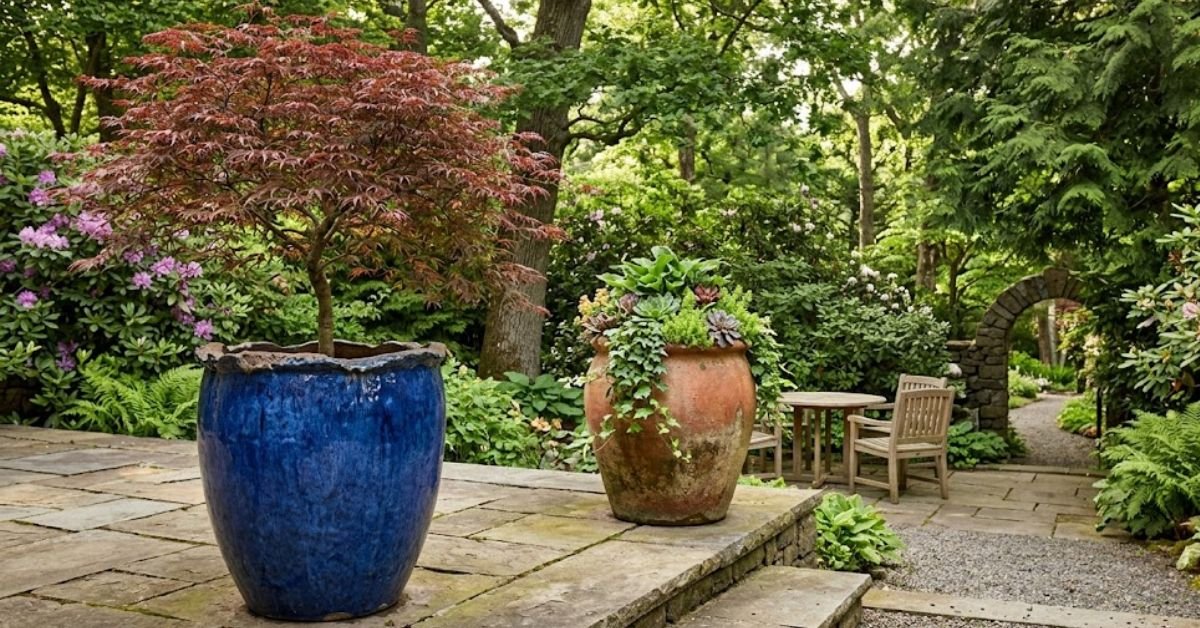
Investing in ceramic large planter pots completely transformed my porch garden. Previously, I used to buy cheap, flimsy plastic tub containers every single Spring. Consequently, every single time a rogue thunderstorm kicked up on my front porch, down they went. I found soil everywhere, snapped stems, and total heartbreak.
Therefore, I finally graduated to heavy stoneware. There is something undeniably stunning about dropping a massive Monstera or a dwarf citrus tree into a gorgeous, glazed piece of pottery. It anchors a room beautifully. For example, it transforms a plain suburban patio into a high-end estate.
However, dealing with these heavy pots is not always a walk in the park. They carry substantial weight. Specifically, they hold onto water differently than plastic or terracotta. If you place them right next to a blasting AC vent inside a typical American living room, your plants will revolt within a week.
As a result, I built this real-world, no-nonsense blueprint. Learn how to prep, plant, and manage these heavy-duty beauties without breaking your back or killing your greenery.
| Container Setup | Weight & Stability | Moisture Retention | Best Plant Matches |
| Indoor Space | Heavy; absolutely requires a wheeled saucer. | High; glazed surfaces keep moisture locked in longer. | Monsteras, Fiddle Leaf Figs, Snake Plants. |
| Outdoor Garden | Stays anchored beautifully against high winds. | Dries faster in hot sun; needs regular checks. | Dwarf Citrus, Hibiscus, Japanese Maples. |
Why Choose Ceramic Large Planter Pots for Your Greenery?
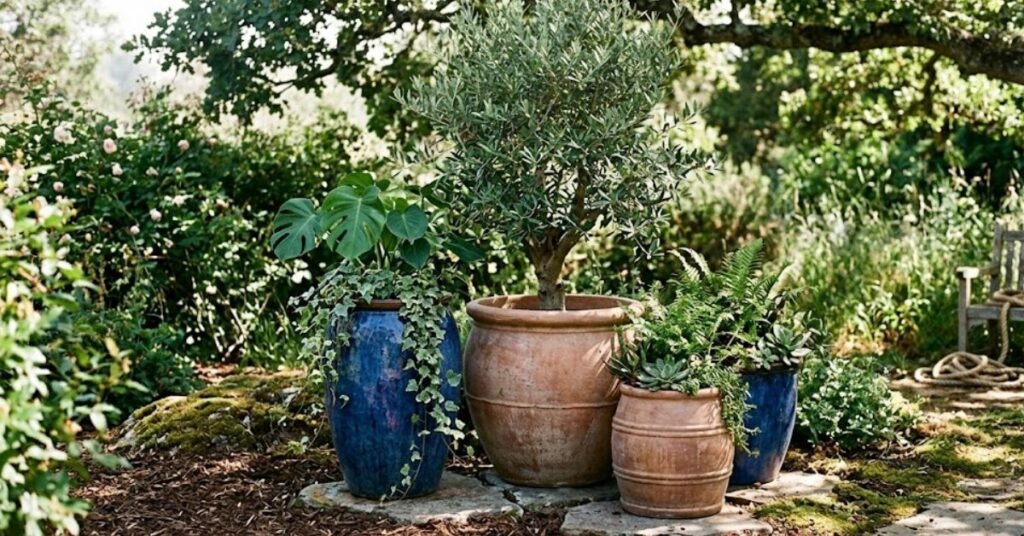
I’ve spent years getting my hands dirty in both cramped city apartments and sweeping suburban backyard gardens. Through all those years, nothing quite matches the presence of a massive, glazed clay pot. They give an instant, estate-like feel to a front porch or a plain living room corner.
Aesthetics aside, weight is your best friend here.
If you live in a windy coastal area or a breezy open plain, cheap plastic containers will tip over the second your plants get top-heavy. These heavy stoneware options stay anchored. They don’t budge.
Managing Winter Frost and Summer Heat Across USDA Zones
When you deal with outdoor setups, your local climate dictates your container strategy. If you live up north in USDA Hardiness Zone 5 or 6, winter is a serious hazard for standard earthenware. Water expands when it freezes. If a porous container absorbs water and freezes solid, it will crack right down the middle before Spring arrives.
I always tell folks in colder zones to empty their outdoor pots before the first hard freeze in late Fall, or move them into a protected garage. Down south in Zone 9 or 10, the blazing summer sun can cook delicate plant roots. Glazed ceramics act like a shield, reflecting intense heat much better than dark plastic ever could.
Personal Pro-Tip: Before buying a massive pot for your wooden deck, check the weight capacity of your flooring. A 20-inch glazed ceramic pot filled with wet soil and a mature tree can easily top 150 pounds. Buy a heavy-duty rolling plant caddy before you fill it up.
How to Prep and Plant in Ceramic Large Planter Pots
Getting a new plant settled into a massive home takes a bit of planning. You cannot just dump dirt inside and call it a day.
Picking the Right Potting Soil Over Standard Yard Dirt
Never scoop up regular garden soil from your yard to fill a heavy container. It packs down like concrete, suffocating the root system within weeks. I always buy a high-quality, lightweight potting soil mix that contains plenty of perlite or pumice. This keeps the air pockets open so roots can breathe.
When it comes time to water, drag your setup over to the garden hose or an outdoor faucet. Give it a deep, slow soak until water runs out the bottom. If the pot lives indoors, you’ll need a deep saucer to save your hardwood floors from absolute ruin.
Personal Pro-Tip: Do not put gravel or rocks at the bottom of the pot. Old garden myths claim this improves drainage, but soil physics shows it actually raises the water table inside the pot, keeping the roots dangerously wet. Use a small piece of mesh screen or a coffee filter over the drainage hole to keep the dirt from washing out instead.
Avoid These Blunders with Large Ceramic Pots
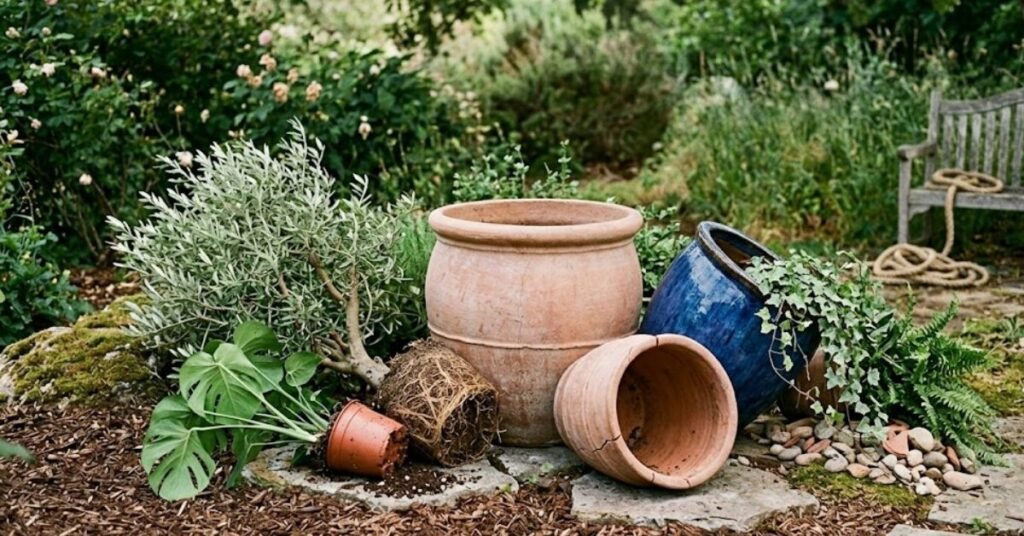
Overwatering is the number one plant killer in America. It is shockingly easy to do when you have a massive volume of soil holding onto moisture deep down where your fingers cannot reach.
The Blast of AC Vents on Indoor Heavy Pottery
In most American homes, central air conditioning runs constantly throughout the summer. Running your AC creates specific microclimates that wreak havoc on your indoor jungle. If you place a heavy glazed container directly beneath or next to an AC vent, the cold, dry air will dry out the foliage while the soil remains soaking wet.
This environment causes massive leaf drop. I’ve seen beautiful Fiddle Leaf Figs lose half their leaves in a single week just from a poorly placed vent. Keep your large pots tucked into corners where air circulates naturally without blowing directly on the leaves.
Personal Pro-Tip: Use a cheap wooden dowel or a long chopstick to check the moisture depth of big containers. Push it all the way to the bottom of the pot. If it comes out with dark, wet soil clinging to it, step away from the watering can.
Troubleshooting Issues with Your Ceramic Large Planter Pots
Plants talk to us through their leaves, but the containers themselves can also show signs of distress.
If your plant’s leaves are turning yellow and dropping off, you are likely dealing with stagnant water at the bottom of the container. Check the drainage hole immediately. Sometimes, aggressive roots grow thick and plug the opening completely, turning your pot into a swamp.
What to Do About Efflorescence and Salt Buildup
Have you noticed a white, powdery crust forming on the rim or the outside of your clay pots? Do not panic. That is just efflorescence. It happens when your municipal faucet water contains heavy minerals or when fertilizers build up over time.
The porous clay wicks the moisture outward, and when the water evaporates into the air, the salt stays behind on the exterior surface. It is not a disease, but it does mean you should flush the soil with pure rainwater or distilled water occasionally to wash away excess salts.
Personal Pro-Tip: To clean off unsightly white mineral crusts, scrub the exterior of the container with a mixture of one part plain white vinegar and four parts water. It dissolves the calcium deposits instantly without harming your plants.
Pet Safety Around Ceramic Large Planter Pots
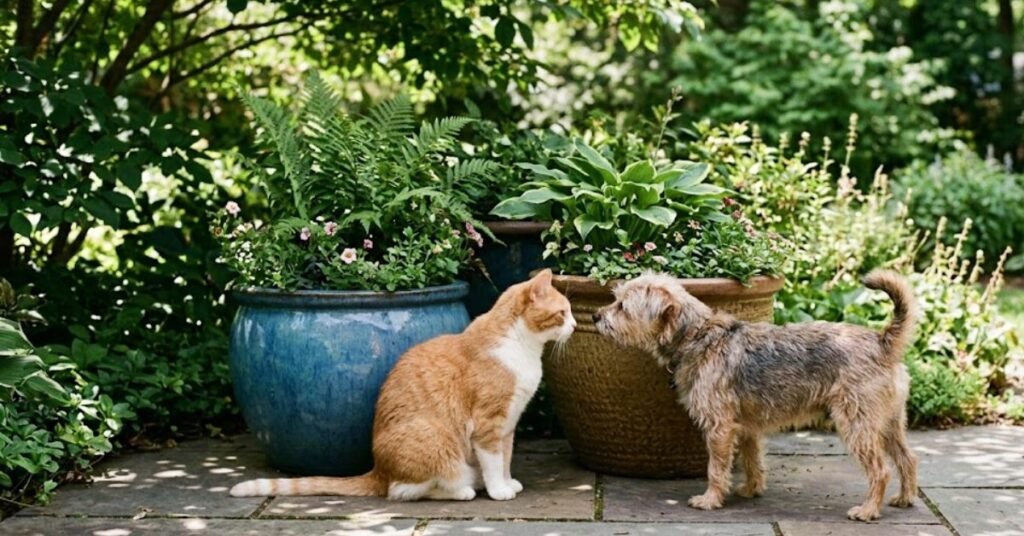
As a dog and cat owner, I look at large containers a bit differently than most. A massive, top-heavy tree inside a slick, glazed pot can pose a real safety hazard if you have rambunctious pets running around the living room.
If your cat loves to use your indoor trees as climbing posts, a heavy ceramic base is actually ideal because it will not tip over easily under their weight. However, the wide surface area of exposed soil looks exactly like a giant litter box to a feline.
Beyond physical stability, make sure the plants you choose for these statement containers are safe. If you keep toxic plants like Dieffenbachia or Sago Palms in large containers, make sure they are blocked off or elevated so curious pets cannot chew the leaves.
Personal Pro-Tip: If your dog or cat won’t stop digging in your big indoor pots, cover the exposed potting soil with large, smooth river stones. It completely stops the digging behavior and looks incredibly sharp.
FAQs About Ceramic Large Planter Pots
Do large ceramic pots need drainage holes?
Yes, absolutely. Without a drainage hole, water pools at the bottom, rots the roots, and kills your plant. If you find a gorgeous pot without a hole, use it as a cachepot keep the plant in a plastic nursery liner inside the ceramic one.
Can I leave my glazed pottery outside during a freeze?
It depends entirely on your USDA zone. In southern states, it is perfectly fine. In freezing northern states, high-fired glazed ceramics survive better than unglazed terracotta, but standing water inside can still freeze, expand, and shatter the clay.
How do I move a giant, heavy ceramic pot safely?
Never lift a heavy pot by the rim; that is how fractures happen. Hug the pot from the base. Better yet, place it on a rolling plant caddy before you fill it up with soil.
Why is my ceramic container sweating or wet on the outside?
Unglazed clay is porous and breathes naturally. It draws moisture out of the soil and evaporates it into the air. Glazed pots will not sweat as much, but unglazed ones will naturally show damp spots after a heavy watering.
Are ceramic pots better than plastic or fiberglass?
For stability and insulation against temperature spikes, yes. They protect roots from extreme outdoor heat or indoor AC chills. Fiberglass is lighter, but ceramic wins for longevity and classic beauty.
What plants do best in a deep ceramic container?
Deep containers hold a lot of moisture. They are perfect for thirsty, large-root plants like Monsteras, indoor palms, ferns, and small ornamental trees like Japanese Maples.
How do I stop soil from leaking out of the bottom hole?
Don’t use rocks. Instead, place a coffee filter, a piece of window screen, or a bit of landscape fabric over the hole. Water flows out perfectly, but the dirt stays put.
Final Thoughts
Finding the right home for your prized plants takes a little trial and error, but investing in solid pottery pays off for years to come. Just mind your watering habits, watch out for those freezing winter months, and your green space will flourish beautifully.

Amin Khalid is a professional horticulturist and the founder of LeafyWisdom. With a deep passion for home gardening and horticultural research, he specializes in providing practical, easy-to-follow care guides for indoor plants. Amin’s goal is to simplify gardening for everyone and help fellow plant lovers build their own thriving green spaces.

No responses yet