Author: Amin khalid

  • Peanut Plant: The Complete Beginner’s Guide to Growing, Caring, and Harvesting

    Peanut Plant: The Complete Beginner’s Guide to Growing, Caring, and Harvesting

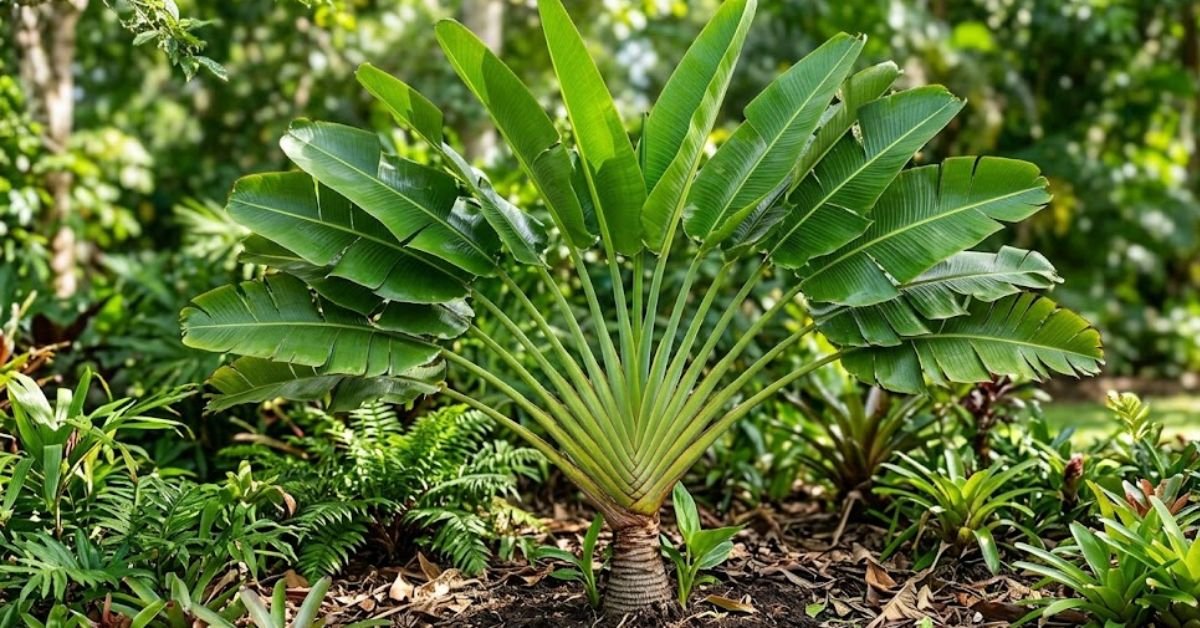
    The peanut plant is not actually a nut — it is a legume closely related to peas and beans, and they grow underground. The peanut plant originated in South America over 3,500 years ago and is now widely cultivated in home gardens and commercial farms in warm climates.

    What makes peanuts unique is their growth process: the plant flowers above ground, but the pods form underground. After pollination, a peg-like stem grows downward into the soil, where the peanut pod develops. This rare process is called geocarpyhttps://en.wikipedia.org/wiki/Geocarpy.

    Quick Care Summary

    Care FactorRequirement
    LightFull sun, 6–8 hours daily
    SoilLoose, sandy loam, pH 5.8–6.2
    Water1 inch per week; increase during flowering
    TemperatureSoil >65°F; grows best 70–95°F
    SpacingSeeds 4–6 inches apart; rows 24–36 inches
    DepthPlant seeds 2 inches deep
    Days to Harvest100–140 days (varies by variety)
    FertilizerCalcium at flowering; avoid high nitrogen
    MulchingLight mulch around base (not under plant)
    ToxicitySafe for humans; potentially harmful to dogs

    Peanut Plant Varieties: 4 Types You Should Know

    Choosing the right variety for your climate and purpose is essential:

    VarietySizeDays to HarvestBest ForNotes
    VirginiaLarge130–140Roasting, snackingPopular, great flavor
    RunnerMedium130–150Peanut butterHighest commercial yield
    SpanishSmall120Candy, oilReddish skin, faster harvest
    ValenciaMedium75–90Boiling freshIdeal for short-season climates

    Pro Tip: In northern regions, select Valencia or fast-maturing varieties. Start seeds indoors 3–4 weeks before the last frost date.

    How to Plant a Peanut Plant Step by Step

    Step 1: Choose the Right Time

    Plant outdoors 2–3 weeks after the last frost, when soil temperature is at least 65°F. Cold soil can cause seed rot.

    Step 2: Prepare the Soil

    Peanuts prefer loose, well-draining sandy soil:

    • Loosen soil 6–8 inches deep
    • Mix in compost
    • Maintain pH 5.8–6.2
    • Amend heavy clay with sand and compost

    Step 3: Prepare Seeds

    • Use raw, unroasted peanuts or untreated seed peanuts
    • Optionally apply bacterial inoculant to fix nitrogen

    Step 4: Plant the Seeds

    • Plant 2 inches deep, 4–6 inches apart
    • Rows 24–36 inches apart
    • Water gently after planting
    • Seeds germinate in 5–10 days

    Peanut Plant Care Guide for Beginners

    Watering

    • Keep soil consistently moist, especially from flowering to pod development
    • Stop watering 10–14 days before harvest

    Hilling

    • When plants reach 6 inches, mound loose soil around the base
    • Repeat every few weeks
    • This helps pegs grow downward into soil and increases yield

    Mulching

    • Apply 2-inch straw or grass layer around plants (not beneath)
    • Retains moisture, controls weeds, prevents soil hardening

    Fertilizing

    • Avoid high-nitrogen fertilizers
    • Use calcium-rich fertilizer during flowering
    • Bacterial inoculant reduces fertilizer needs

    Peanut Plant Seasonal Care Guide

    SeasonKey Tasks
    SpringStart seeds indoors, prep soil, plant after frost
    Early SummerHill plants, regular watering, apply mulch
    Mid-SummerFlowers appear, increase water, apply calcium fertilizer, watch pests
    Late SummerPegging begins, keep soil moist, hand-weed
    FallStop watering 2 weeks before harvest, harvest before frost

    Peanut Plant Pests and Diseases (Complete Guide)

    Common Pests

    PestSignsSolution
    AphidsSticky leaves, curled growthNeem oil or insecticidal soap
    ArmywormsHoles in leavesBacillus thuringiensis (Bt), encourage predators
    WirewormsTunnels in podsBeneficial nematodes
    ThripsSilver scars on leavesOverhead watering, insecticide if severe
    Velvetbean CaterpillarSkeletonized leavesNatural predators

    Common Diseases

    • Early & Late Leaf Spot: Brown/black spots; rotate crops, avoid overhead watering, apply fungicide
    • Tomato Spotted Wilt Virus (TSWV): Caused by thrips; use resistant varieties and control thrips
    • Root Rot / Aflatoxin: Caused by wet soil; harvest and cure peanuts properly

    Growing a Peanut Plant in Containers

    • Pot 18–20 inches wide and 18 inches deep per plant
    • Well-draining mix with perlite
    • Full sun exposure
    • Water frequently
    • Slightly lower yield than garden-grown

    Harvesting Peanuts

    Signs of Readiness

    • Leaves yellowing and dropping
    • Pod shell shows dark veining
    • Kernels firm

    How to Harvest

    • Stop watering 10–14 days before harvest
    • Loosen soil, lift entire plant
    • Dry plants in sun for 1 week
    • Remove pods, cure in ventilated area for 2–3 weeks

    Storage

    • Store in cool, dry place
    • In-shell peanuts: 6–12 months
    • Shelled peanuts: refrigerate or freeze

    Toxicity

    • Safe for humans unless allergic
    • Peanut plant leaves can upset pets’ digestion; avoid pet contact
    • Ensure peanuts are fully cured to prevent aflatoxin

    Common Beginner Mistakes

    1. Planting in cold soil
    2. Skipping hilling
    3. Deep weeding near base
    4. Watering until harvest
    5. Using high-nitrogen fertilizers
    6. Harvesting too late
    7. Storing undried peanuts

    FAQ,s

    Q1: How long to harvest?
    A: 100–140 days, Valencia 75–90 days

    Q2: Can I grow store-bought peanuts?
    A: Only raw, unroasted peanuts; treated seeds perform better

    Q3: How many peanuts per plant?
    A: 25–50 in good conditions

    Q4: Do peanuts come back every year?
    A: No, they are annuals

    Q5: Why are leaves yellowing?
    A: Normal late-season yellowing or water/nutrient issues

    Q6: Is the peanut plant easy to grow?
    A: Yes, the peanut plant is beginner-friendly if grown in warm soil with proper care.

    Conclusion

    Growing peanuts is rewarding. With the right variety, soil, watering, and care, you can enjoy fresh, homegrown peanuts straight from your garden.

  • Dragon Fruit Plant Care: Complete Growing Guide for Beginners

    Dragon Fruit Plant Care: Complete Growing Guide for Beginners

    Dragon fruit looks exotic but it’s actually one of the easier fruiting plants to grow. This guide covers everything from soil and support to pollination, harvesting, and the mistakes that stop most beginners from ever seeing fruit.

    Quick Care Summary

    Care FactorDetails
    Scientific NameHylocereus undatus (white flesh) / H. costaricensis (red flesh)
    Plant TypeTropical climbing cactus
    LightFull sun — 6–8 hours per day
    WaterWhen top 3 inches of soil are dry
    SoilSandy, well-draining (pH 6–7)
    Temperature65–85°F; never below 32°F
    SupportTrellis, post, or stake required
    ToxicityNon-toxic to humans and pets
    Hardiness ZonesOutdoors year-round in zones 10–12
    Years to First Fruit2–3 years from cutting; 5–7 from seed
    DifficultyEasy–Moderate

    Dragon Fruit Plant Explained (Beginner’s Care Guide)?

    Dragon fruit is a tropical climbing cactus from Mexico and Central America. Like many tropical plants, dragon fruit shares similar care needs with ornamental plants such as crotons It produces large, dramatic flowers and bright, heavy fruit. Unlike desert cacti, it loves some humidity and needs more water than most people expect.

    The flowers open for just one night they’re enormous, white, and fragrant. Without bats or moths to pollinate them naturally, you’ll need to hand-pollinate to get fruit.

    Common Varieties

    VarietyFlesh ColorSelf-Fertile?
    H. undatusWhiteNo — needs a partner
    H. costaricensisRed/PurpleNo — needs a partner
    H. megalanthus (Yellow)WhiteYes
    American BeautyPinkYes

    Pro Tip: If growing just one plant, choose a self-fertile variety like Yellow Dragon Fruit or American Beauty. Non-self-fertile types need two compatible plants to produce fruit.

    Sunlight

    Dragon fruit needs 6–8 hours of full sun per day. Without it, the plant grows but never flowers or fruits.

    • Best outdoor spot: south-facing wall, fence, or open bed
    • Indoors: within 1 foot of a south-facing window, or use a grow light 12–14 hours/day
    • In extreme heat (100°F+): afternoon shade protects stems from burning

    Watering

    Dragon fruit is more water-tolerant than most cacti but overwatering still kills it.

    The rule: Water deeply, then wait until the top 3 inches of soil are completely dry before watering again.

    • Spring/summer: About once a week
    • Fall/winter: Once every 2–3 weeks

    Signs of overwatering: Soft, mushy stems; yellow discoloration; foul-smelling soil

    Signs of underwatering: Wrinkled or shriveled stems; no new growth

    Soil, Support & Fertilizing

    Soil: Use a 50/50 mix of cactus potting mix and compost. Add perlite in humid climates. Avoid standard potting soil — it holds too much water.

    Support: Dragon fruit is a climber. Without support it sprawls and rarely fruits. Use a 6–8 foot post, stake, or strong trellis. A fully loaded plant can weigh 25–50 lbs — the structure must be solid and well-anchored.

    Fertilizing:

    • Balanced fertilizer (10-10-10) every 4–6 weeks in spring and summer
    • Avoid high-nitrogen formulas — they push green growth and reduce flowering
    • Stop fertilizing completely in winter

    Pollination — The Step Nobody Explains

    This is the main reason people grow beautiful plants that never produce fruit.

    Most varieties are not self-fertile. Pollen from one open flower must reach the stigma of another. Each flower opens for just one night — you have an 8–12 hour window.

    How to Hand-Pollinate

    1. Go out after dark — flowers open fully after sunset
    2. Find the stamen (the yellow pollen-covered parts surrounding the center)
    3. Find the stigma (the multi-tipped structure in the middle)
    4. Use a small paintbrush or Q-tip to collect pollen from the stamen
    5. Transfer it directly onto the stigma of another open flower (or the same flower if self-fertile)

    If successful, the base of the flower swells into fruit within a few days. If the flower drops off within 2–3 days without swelling, pollination fails — try again with the next bloom.

    When to Harvest

    After pollination, fruit takes 30–50 days to ripen. Look for these signs:

    • Skin has fully developed its color (bright pink/red or yellow)
    • The wing-like flaps on the skin start to wither slightly
    • Fruit feels mildly soft when gently squeezed — like a ripe avocado

    Cut with clean scissors or shears, leaving about 1 inch of stem. Ripe fruit keeps in the refrigerator for 2–3 weeks.

    Seasonal Care Guide

    SeasonWhat to Do
    SpringResume watering and fertilizing; repot if needed; check trellis
    SummerWater weekly; hand-pollinate night flowers; watch for pests
    FallReduce watering; prune dead or crowded stems
    WinterMinimal watering; no fertilizer; protect from frost; bring containers inside below 40°F

    Pest & Disease Solutions

    ProblemSignsFix
    Root/Stem RotMushy stems; foul smellCut away rot; improve drainage; copper fungicide
    AphidsSticky residue; distorted growthInsecticidal soap spray
    Scale InsectsBrown bumps on stemsScrape off; horticultural oil
    MealybugsWhite cottony clustersAlcohol swab; neem oil
    SunscaldWhite patches on stemsShade cloth in extreme heat

    Common Beginner Mistakes

    Starting from seed. Seeds take 5–7 years to fruit. Always start from a cutting (2–3 years to fruit).

     Planting one non-self-fertile variety. You’ll never get fruit. Buy two compatible plants or choose a self-fertile variety.

     Overwatering. It’s a cactus. When in doubt, wait another week.

     No support structure. A plant without a trellis or post sprawls and rarely fruits.

     Missing the pollination window. Flowers open one night only. Check your plant on summer evenings and be ready to hand-pollinate.

    Heavy clay soil. Roots rot fast without drainage. Use raised beds or amend heavily with grit and compost.

    Troubleshooting

    SymptomCauseFix
    No flowersToo little light or plant too youngFull sun; wait until 2+ years old
    Flowers but no fruitPollination failureHand-pollinate next bloom; add second variety
    Yellow/mushy stemsOverwatering or rotReduce watering; treat with fungicide
    Wrinkled stemsUnderwateringWater deeply and consistently
    Slow growthLow light or no fertilizerFull sun; resume feeding in spring

    FAQ,s

    Q: How long does dragon fruit take to grow? From a cutting, expect fruit in 2–3 years. From seed, 5–7 years. Always use cuttings.

    Q: Can I grow dragon fruit in a pot indoors? Yes — use a 15–25 gallon container, a strong support pole, and a grow light or very sunny window. Fruiting indoors is possible but requires extra effort.

    Q: Do I need two plants? Most varieties do. Self-fertile types like Yellow Dragon Fruit and American Beauty can produce fruit with just one plant.

    Q: Is dragon fruit toxic to pets? No. Dragon fruit is non-toxic to dogs, cats, and humans. The spines can cause physical injury, but the plant itself is safe.

    Q: Why won’t my plant flower? Most likely insufficient sunlight or an immature plant. Ensure 6–8 hours of full sun daily and give it time — most plants don’t flower before 2–3 years old.

    Q: How often should I water? About once a week in summer. Every 2–3 weeks in winter. Always let the top 3 inches of soil dry out first.

    Q: How do I know when to pick the fruit? Fully colored skin, slightly withered wing flaps, and a gentle give when pressed. Harvest 30–50 days after pollination.

    Conclusion

    Dragon fruit rewards patient growers with one of the most spectacular plants in home gardening. Get the basics right full sun, fast-draining soil, a solid trellis, and a hand-pollination plan and you’ll be harvesting your own exotic fruit within a couple of seasons.

  • Croton Plant Care Guide: How to Grow Bold, Colorful Foliage

    Croton Plant Care Guide: How to Grow Bold, Colorful Foliage

    Croton plant care is essential for anyone who wants their tropical plants healthy and vibrant. In this croton plant care guide, we’ll cover everything from light and watering to humidity and fertilizer, helping your croton leaves stay bold and colorful indoors or outdoors

    Quick Care Summary

    Care FactorDetails
    Scientific NameCodiaeum variegatum
    LightBright, indirect to direct sun (4–6 hrs/day)
    WaterWhen top 2 inches of soil are dry
    Humidity50% or more preferred
    Temperature60–85°F; never below 50°F
    FertilizerBalanced liquid; monthly in spring/summer
    ToxicityToxic to pets and humans
    HardinessOutdoors in USDA zones 9–12 only
    DifficultyModerate

    What Is a Croton Plant?

    The croton (Codiaeum variegatum) is a tropical evergreen shrub native to Southeast Asia and the Pacific Islands. Indoors it stays compact — usually 2–4 feet tall. Outdoors in warm climates, it can reach 6–10 feet.

    What sets it apart is the foliage. Deep green, bright yellow, fiery orange, red, and purple can all appear on the same plant at once — sometimes on the same leaf.

    Popular varieties:

    VarietyLeaf ShapeKey Feature
    PetraBroad, ovalBold yellow, orange, and red veins
    MammyLong, twistedDeep green, red, orange, and purple
    Gold DustNarrowDark green with yellow speckles
    OakleafOak-shapedBronze with yellow and red veins

    Light — The Secret to Vibrant Color

    More light = more color. This is the most important rule for crotons.

    In low light, leaves slowly fade to plain green. The plant survives but loses all its drama.

    • Indoors: At least 4–6 hours of bright, indirect light per day
    • Best spots: East or west-facing windows
    • Avoid: Deep shade or north-facing windows — leaves will green out within weeks

    Proper croton plant care means giving your plant enough bright, indirect light. Without adequate sunlight, even the best croton plant care routine won’t maintain vibrant leaf colors

    How to Water a Croton

    Crotons like consistently moist soil — but hate sitting in soggy conditions.

    The method: Push your finger 2 inches into the soil. If it’s dry at that depth, water thoroughly until it drains from the bottom. Empty the saucer after 30 minutes.

    • Spring/summer: Every 5–7 days
    • Fall/winter: Every 10–14 days

    Signs of underwatering: Wilting leaves, crispy brown edges, soil pulling from the pot sides

    Signs of overwatering: Yellow leaves, mushy stem base, sour-smelling soil

    Humidity — The Step Most Guides Skip

    Crotons are tropical and prefer humidity of 50% or higher. Most homes run at 30–50%, which can stress the plant.

    Signs of low humidity: Brown, crispy leaf tips and unexpected leaf drop.

    How to boost it:

    • Set the pot on a pebble tray filled with water
    • Mist leaves 2–3 times per week with room-temperature water
    • Group tropical plants together — they raise humidity around each other
    • Use a small humidifier near the plant

    Soil, Repotting & Fertilizing

    Soil: Well-draining, slightly acidic mix (pH 5.5–6.5). Combine standard potting soil with 20–30% perlite.

    Repotting: Every 2 years, or when roots escape drainage holes. Always repot in spring. Wear gloves — the sap irritates skin.

    Fertilizing:

    • Spring through late summer: balanced liquid fertilizer once a month
    • Fall: every 6–8 weeks
    • Winter: stop completely — the plant is resting

    Avoid high-nitrogen fertilizers. They push fast green growth and actually mute the leaf colors.

    Is Croton Toxic?

    Yes — and this detail is missing or vague in most guides.

    All parts of the plant are toxic — leaves, stems, roots, and especially seeds.

    RiskDetails
    Dogs & CatsVomiting, diarrhea, drooling, lethargy
    Humans (sap contact)Skin rash and irritation
    Humans (ingestion)Nausea, vomiting, diarrhea

    If your pet eats croton, call the ASPCA Poison Control: (888) 426-4435 immediately.

    Always wear gloves when pruning or repotting, and keep out of reach of young children.

    Pest & Disease Quick Guide

    ProblemSignsFix
    Spider MitesFine webbing, dull leavesNeem oil; increase humidity
    MealybugsWhite cottony clustersAlcohol swab; insecticidal soap
    Scale InsectsBrown bumps on stemsScrape off; horticultural oil
    Root RotYellow leaves, mushy baseRepot; trim black roots; improve drainage
    Powdery MildewWhite dusty coatingNeem oil spray

    Seasonal Care Guide

    SeasonWhat to Do
    SpringResume monthly fertilizing; repot if needed; increase watering
    SummerWater more often; mist leaves; watch for spider mites
    FallReduce watering and fertilizing; bring outdoor plants inside before 55°F
    WinterStop fertilizing; water every 10–14 days; keep above 60°F; use humidifier

    Common Beginner Mistakes

     Moving the plant constantly. Every move triggers leaf drop. Pick a bright, permanent spot and leave it there.

    Not enough light. Medium-light rooms will slowly drain the color from the leaves. This plant needs a genuinely bright spot.

     Overwatering. Always check the soil first. Moist is good — soggy is dangerous.

     Ignoring humidity. Crispy brown tips are almost always a humidity problem, not a watering problem.

     Fertilizing in winter. The plant is resting. Stop feeding from November through February.

     Panicking about leaf drop. A newly bought or recently moved croton will drop leaves. This is normal. Give it 2–3 weeks to settle in.

    Troubleshooting

    SymptomCauseFix
    Leaves turning greenToo little lightMove to a brighter spot
    Yellow leavesOverwateringCheck soil; improve drainage
    Brown crispy tipsLow humidity or fluoride in waterBoost humidity; use filtered water
    Leaf dropStress from moving or draftsFind a stable permanent location
    Stunted growthLow light or no fertilizerMove closer to window; resume feeding

    FAQ

    Q: Why is my croton dropping leaves? Almost always stress from being moved or a change in environment. Give it 2–3 weeks to settle before assuming something is wrong.

    Q: How do I make my croton more colorful? Give it more light. Bright indirect sun for 4–6 hours a day restores vivid color. Outdoors in zones 9–12, full sun produces the most intense colors.

    Q: How often should I water? Check the soil, not the calendar. Water when the top 2 inches feel dry — roughly every 5–7 days in summer, every 10–14 days in winter.

    Q: Is croton safe for pets? No. It is moderately toxic to dogs, cats, and horses. Keep it out of reach and call your vet if ingested.

    Q: Can I grow croton outdoors? Yes, in USDA zones 9–12. In cooler climates, grow in a container and bring it inside before the first frost.

    Q: Why are my leaf tips brown? Low humidity is the most common cause. Add a pebble tray or humidifier. Fluoride in tap water also causes tip browning — switch to filtered water.

    Q: How big do crotons get? Indoors, 2–4 feet. Outdoors in tropical climates, 6–10 feet. Prune in early spring to control size and encourage bushier growth.

    Conclusion

    The croton’s reputation for being difficult is mostly undeserved. Find it a bright, stable spot, keep the humidity up, and water carefully without overdoing it — and it will reward you with some of the most spectacular foliage of any houseplant you can own with these croton plant care tips, your tropical plant will thrive year-round, rewarding you with bold, colorful foliage