Author: Amin khalid

  • Planter Boxes: The Complete Guide to Choosing, Filling and Growing

    Planter Boxes: The Complete Guide to Choosing, Filling and Growing

    Planter Boxes: The Complete Guide to Choosing, Filling and Growing is your complete introduction to successful container gardening in small spaces. Planter boxes let you grow fresh vegetables, herbs, and greens on balconies, patios, and rooftops without needing a traditional garden. This guide explains everything from materials and soil to drainage, watering, and long-term plant health so you can avoid common beginner mistakes and grow with confidence this article, Planter Boxes: The Complete Guide to Choosing, Filling and Growing, explains every important decision from materials to soil so you avoid common beginner mistakes.
    Quick Reference Cheat Sheet

    FactorWhat You Need to Know
    Best materialsCedar and redwood (durable, food-safe); plastic (lightweight); galvanized metal (modern, needs liner)
    Minimum depth6 to 8 inches herbs and lettuce · 10 to 12 inches most vegetables · 14 to 18 inches tomatoes · 18 inches or more potatoes and squash
    DrainageAt least one hole per square foot of base; elevate box off ground
    SoilNever garden soil; use quality potting mix plus compost and perlite
    WateringWhen top 1 inch of soil is dry; more in summer, less in winter
    FertilizingSlow-release at planting plus liquid feed every 2 to 3 weeks in growing season
    SunMost vegetables and herbs need 6 or more hours of direct sun daily

    Planter Box Materials: The Honest Comparison

    A side-by-side comparison of four different planter box materials: natural wood, sleek metal, green plastic, and dark gray composite, each holding different plants like herbs, succulents, and flowers.

    The material you choose affects lifespan, watering frequency, food safety and weight.

    MaterialLifespanWeightFood SafeBest For
    Cedar10 to 15+ yearsMediumYes, naturallyBest all-round outdoor choice
    Pine or Fir3 to 5 yearsMediumYes if untreatedBudget builds; short-term use
    Plastic5 to 10 yearsVery lightYesBalconies, weight-restricted spaces
    Galvanized Metal15 to 20 yearsHeavyYes if linedModern aesthetic
    Fabric or Grow Bag2 to 3 yearsVery lightYesBudget option; excellent drainage

    Treated Lumber Warning: Never use pressure-treated lumber for edible crops. Preservative chemicals can leach into soil. Choose cedar, redwood or untreated wood lined with landscape fabric.

    How Deep Should a Planter Box Be?

    Too shallow and roots hit the bottom and reduce production. Always match the depth to the deepest-rooted plant you are growing.

    Plant TypeExamplesMinimum Depth
    Shallow herbs and greensBasil, chives, lettuce, spinach, arugula6 to 8 inches
    Bush vegetablesPeppers, eggplant, bush beans, kale10 to 12 inches
    Tomatoes and root vegetablesTomatoes, carrots, beets, radishes14 to 18 inches
    Deep-root cropsPotatoes, squash, blueberry, dwarf citrus18 to 24 inches

    Deep Box Tip: If your box is very deep, fill the bottom third with empty plastic bottles or foam packing peanuts wrapped in landscape fabric. This reduces potting mix needed and improves drainage.

    Drainage: Why It Makes or Breaks Your Box

    A side-by-side comparison of two wooden planter boxes in a garden. The left box is green with "Proper Drainage" showing water dripping out, containing healthy herbs. The right box is brown with "Poor Drainage (No Holes)" showing a dying, yellowed tomato plant sitting in water.

    Poor drainage is the leading cause of planter box failure.

    • Drill at least one drainage hole per square foot of base area, minimum half-inch diameter
    • Elevate the box one to two inches off the ground using feet, bricks or a stand
    • Never leave standing water in a saucer under outdoor boxes

    Gravel Myth: Placing gravel at the bottom does not improve drainage. It creates a saturated layer in the root zone. Fill the entire box with potting mix plus perlite instead. Cover holes with landscape fabric to stop soil loss.

    The Right Soil Mix

    Garden soil compacts inside containers and blocks airflow. Always use a potting mix.

    Proven Formula
    2 parts quality potting mix
    1 part compost
    1 part perlite

    Many commercial potting mixes already contain perlite and slow-release fertilizer. Check the label before adding more. Refresh soil every season with 1 to 2 inches of compost. Replace completely every 2 to 3 years as you continue learning Planter Boxes: The Complete Guide to Choosing, Filling and Growing, you’ll notice that depth, drainage and soil quality are the real foundation of success.

    Watering and Fertilizing

    A cross-section of a healthy pepper seedling in a garden bed, showing a glowing heart-shaped root system and a brain icon in the soil to represent plant intelligence

    Containers dry out faster than in-ground beds.

    The Finger Test: Push your finger one inch into the soil. If dry, water thoroughly until it drains from the bottom. If it’s still damp, wait. In summer heat, daily watering may be necessary.

    Fertilize with slow-release granules mixed into the top three inches at planting. Supplement with liquid balanced fertilizer at half-strength every 2 to 3 weeks during the growing season. Stop feeding in late fall and winter.

    Salt Build-Up: White crust on soil means fertilizer salts accumulating. Flush with plain water for several minutes once per month.

    Seasonal Care at a Glance

    SeasonWateringKey Tasks
    SpringResume and check dailyRefresh soil, replant, restart fertilizing
    SummerOften dailyMulch surface, monitor pests, deadhead
    FallReduce frequencyPlant cool crops, final light feeding
    WinterOnce weekly or lessProtect or store wooden boxes, stop feeding

    Winter Warning: Planter boxes freeze from all sides. Wrap wooden boxes or move them to sheltered locations during hard frosts.

    Six Mistakes That Ruin Planter Boxes

    MistakeThe Fix
    Using garden soilUse potting mix with perlite
    Box too shallowMatch depth to deepest plant
    No drainage holesDrill at least one per square foot
    Gravel layer at bottomRemove and use full potting mix instead
    OverwateringUse finger test
    Using treated lumberChoose cedar, redwood or untreated wood

    Common Pests and Fixes

    PestSpot ItFix
    AphidsClusters on new growthSpray with water or insecticidal soap
    Fungus GnatsTiny flies near soilLet soil dry more; use sticky traps
    Spider MitesFine webbing and yellowing leavesNeem oil spray
    SlugsHoles in leaves overnightCopper tape or manual removal
    Root RotWilting despite moist soilRepot in fresh dry mix

    Frequently Asked Questions

    Do planter boxes need drainage holes?
    Yes for outdoor boxes. For indoor boxes, empty saucers after watering.

    What is the best soil for a planter box?
    Two parts potting mix, one part compost, one part perlite.

    How do I stop my box drying too fast?
    Mulch surface, water deeply, add coir and consider partial shade.

    Can vegetables grow without direct sunlight?
    Leafy greens manage within 4 to 5 hours. Fruiting crops need 6 to 8 hours minimum.

    What wood should I use?
    Cedar or redwood are best. Avoid pressure-treated lumber for edible crops.

    Final Thoughts

    A planter box gives you complete control over the most important factors in gardening: soil quality, drainage, nutrition and placement. Unlike in-ground gardens, where you must work with whatever soil and conditions you have, a planter box allows you to create the ideal growing environment from the start. You choose the right potting mix, ensure proper drainage, adjust feeding schedules and position the box for optimal sunlight. That level of control dramatically increases your chances of success, especially in small spaces like balconies, patios or rooftops.

    When the foundation is right, plants grow stronger roots, resist disease more effectively and produce better yields. Even a single well-prepared planter box can provide fresh herbs, leafy greens or vegetables throughout the season. With thoughtful setup and consistent care, a compact container can deliver surprisingly abundant harvests while fitting comfortably into almost any living space.To sum up, Planter Boxes: The Complete Guide to Choosing, Filling and Growing gives you everything needed to design, fill and maintain productive planter boxes that actually thrive in real conditions.

  • Goldfish Plant Care: The Complete Guide to Indoor Blooms

    Goldfish Plant Care: The Complete Guide to Indoor Blooms

    Goldfish plant care (Nematanthus and Columnea care) is the key to growing one of the most unique flowering houseplants indoors. Known for its trailing vines and fish-shaped orange blooms, the goldfish plant needs the right balance of light, humidity, watering, and seasonal rest to thrive. In this complete guide, you’ll learn everything about goldfish plant care including how to make it bloom, pruning techniques, propagation methods, and common mistakes to avoid.

    Quick Care Cheat Sheet

    Care FactorRequirement
    LightBright indirect — east or west window (1,000–2,500 foot-candles)
    WaterWhen top 2 inches of soil feel dry; room-temperature water only
    Humidity50–60% RH; use a humidifier or pebble tray
    Temperature65°F–80°F (18°C–27°C) growing season; 60–65°F winter rest
    SoilFast-draining peat mix; African violet potting mix is ideal
    FertilizerHigh-phosphorus (10-30-10), half-strength, every 2 weeks in spring–summer
    RepottingEvery 1–2 years; slightly root-bound = more blooms
    ToxicityNon-toxic to cats, dogs, and humans

    What Is a Goldfish Plant? (The Snippet Definition)

    A modern vertical herb garden featuring three wall-mounted wooden planter boxes containing fresh mint, basil, and rosemary against a clean white brick wall.

    A Goldfish Plant is a tropical perennial houseplant from the Gesneriaceae family, the same family as African Violets. It’s named for its tubular orange-red blooms that mimic leaping fish. Native to the rainforests of Brazil and Central America, these plants are epiphytes in the wild; they grow on tree trunks rather than in soil, which explains a lot about how to care for them indoors.Goldfish Plant Care: Light Requirements

    Nematanthus vs. Columnea Which One Do You Have?

    Both plants share the “Goldfish Plant” nickname, but they have distinct personalities:

    Nematanthus gregarius The Low-Maintenance Cousin

    Waxy, succulent-like leaves and compact flowers. Forgiving of humidity fluctuations. The best choice for beginners.

    Columnea gloriosa The Showstopper

    Longer, softer stems (up to 3 feet), larger arched flowers, and a dramatic trailing habit in hanging baskets. More finicky about humidity but stunning when happy.

    Beginner Pick: Start with Nematanthus gregarius. It blooms more reliably and tolerates imperfect humidity far better than Columnea.

    The Science of the Bloom Light & Foot-Candles

    An infographic titled "The Science of the Bloom: Light & Foot-Candles" showing a Peace Lily plant next to a window with a light meter displaying 350 foot-candles.

    If your plant is nothing but a green vine with zero flowers, light is almost certainly the culprit. Goldfish plants need more light than most people think.

    The Technical Goal

    Aim for 1,000–2,500 foot-candles (10,000–25,000 lux).

    The Book Test

    If you cannot comfortably read a book in that spot at 4 PM without turning on a lamp, it is too dark for blooms.

    The Window Hierarchy

    • East Window — Perfection. Soft morning sun triggers flower production without scorching.
    • West Window — Great, but use a sheer curtain in summer to prevent afternoon heat spikes.
    • South Window — Fine with a sheer curtain; too intense without one.
    • North Window — Too dim. Supplement with a full-spectrum LED grow light for 12–14 hours daily.

    Watering the Epiphyte Way

    Because goldfish plants grow on trees in the wild, their roots are built for quick-dry cycles — not constantly moist soil. Overwatering is the leading cause of death.

    The Golden Rule: Never water on a schedule. Stick your finger in the soil — if the top 2 inches feel like a dry sponge, it is time to water.

    Water thoroughly until it drains freely from the bottom, then wait until the soil dries out again. In winter, stretch this to every 2–3 weeks.

    Cold Water Warning: Cold tap water shocks tropical roots and causes ring spots (chlorosis) on the leaves. Always use room-temperature, filtered water.

    Humidity & The “Winter Rest” Secret

    A large, vibrant Alocasia plant with massive heart-shaped green leaves in a terracotta pot, surrounded by a Monstera deliciosa and a Fiddle Leaf Fig in a bright, sunlit room.

    Most care guides tell you to keep goldfish plants warm and humid year-round. They are missing a critical piece of the puzzle.

    To trigger a massive flush of spring flowers, you need to mimic the tropical cool season — a technique experienced growers call the “winter rest.”

    Winter Rest Plan (December–February)

    Move the plant to a room that stays 60°F–65°F (15°C–18°C).
    Reduce watering — only enough to prevent shriveling.
    Stop fertilizer completely.
    Watch for spring bud explosion.

    Why This Works: The cool-dry rest mimics the natural seasonal dry period in Central and South American forests. The plant interprets it as a signal to reproduce — and responds with a spectacular bloom.

    Pruning for a “School of Fish”

    Left unpruned, a goldfish plant becomes leggy — long bare stems with few flowers. Regular pruning transforms it into a cascading waterfall of blooms.

    • When to prune: Immediately after the spring blooming cycle ends
    • The 1/3 Rule: Cut back the longest stems by one-third
    • Each cut forces the plant to branch into two new stems — more stems = more flower nodes
    • Save your cuttings — they root in 3–4 weeks

    Pro Tip: Pinch stem tips during the growing season to maintain bushiness. Make it a habit every few weeks.

    Fertilizing for Maximum Flowers

    The key is phosphorus, the middle number on a fertilizer label. High nitrogen pushes leafy growth at the expense of blooms.

    SeasonFertilizerFrequency
    Spring & SummerHigh-phosphorus liquid (10-30-10 or 15-30-15), half-strengthEvery 2 weeks
    FallBalanced (20-20-20), half-strengthOnce a month
    WinterNone — plant restingStop completely

    Advanced Troubleshooting & Pest Control

    SymptomDiagnosisPro Action Plan
    Dropping green leavesTemperature shockCheck for AC vents or drafty windows
    Sticky “honey” on leavesAphids or ScaleWipe with 70% isopropyl alcohol; follow with neem oil spray
    Silver/gray webbingSpider mitesIncrease humidity; spray neem oil
    Yellowing from baseOverwatering / root rotTrim brown roots; repot in fresh chunky mix
    No blooms, leggy growthInsufficient lightMove brighter or add grow light
    Brown leaf tipsLow humidity or tap waterRaise humidity; switch to filtered water

    Propagation Make Free Plants from Pruning

    A propagation station featuring three glass jars of water with plant cuttings, including a snake plant and pothos, next to a person using pruning shears to take a fresh stem cutting from a mother plant.

    Take a 4-inch cutting with at least two sets of leaves.
    Optional — dip in rooting hormone powder.
    Plant in a 50/50 mix of perlite and peat moss.
    Cover with a clear plastic bag to create humidity.
    Roots form in about 21 days.

    Keep warm (around 70°F / 21°C) in bright indirect light. Avoid direct sun.

    Pet & Child Safety

    Good news — goldfish plants are non-toxic to cats, dogs, and humans. They are among the safest flowering houseplants available. Still, discourage chewing as large quantities may cause mild stomach upset.

    Frequently Asked Questions

    Why will my goldfish plant bloom?

    Most common causes are low light, no winter rest, and high-nitrogen fertilizer. Increase brightness, allow cool rest, switch to high-phosphorus formula.

    How is Nematanthus different from Columnea?

    Nematanthus is compact and forgiving. Columnea is longer, softer, and needs higher humidity.

    Can I grow it outside?

    USDA Zones 10–11 yes, year-round in full shade. Other zones move outdoors in summer above 60°F nights.

    How do I know if I am overwatering?

    Yellowing from base, musty soil smell, soft stems, or wilting despite wet soil.

    How long does it live?

    With proper care — 5–10 years or more.

    Final Thoughts Your Path to a Blooming Goldfish Plant

    The goldfish plant has an undeserved reputation for being difficult. The truth — it has a few non-negotiable needs: bright indirect light, careful watering, good humidity, and a cool winter rest.

    Nail the light. Respect the winter rest. Prune after every bloom cycle.
    Do those three things consistently and you will be rewarded with wave after wave of cheerful, fish-shaped flowers.

    Have a question about your goldfish plant? Drop it in the comments we would love to help with proper goldfish plant care, your Nematanthus or Columnea can produce continuous waves of bright, fish-shaped blooms throughout the growing season.”

  • Rubber Plant Care: The Complete Guide to Growing Ficus elastica Indoors

    Rubber Plant Care: The Complete Guide to Growing Ficus elastica Indoors

    Rubber plant care (Ficus elastica care) is one of the easiest ways to grow a bold, tropical indoor tree that can thrive for years with the right conditions. Known for its large glossy leaves and forgiving nature, the rubber plant is perfect for both beginners and experienced plant lovers. In this complete guide, you’ll learn everything about rubber plant care including light, watering, pruning, propagation, and common mistakes to avoid.

    Quick Care Cheat Sheet

    Care FactorWhat Your Rubber Plant Needs
    LightBright indirect; east or west window — minimum 4–6 hrs/day
    WateringWhen top 2 inches of soil are dry; room-temp water only
    Humidity40–60% RH; tolerates average indoor levels
    Temperature60°F–85°F (15°C–29°C); never below 50°F
    SoilWell-draining indoor mix + perlite
    FertilizerBalanced liquid, half-strength, every 2–4 weeks (spring–summer)
    RepottingEvery 1–2 years in spring; 1–2 inches wider only
    ToxicityToxic if ingested; sap irritates skin

    What Is a Rubber Plant?

    Ficus elastica is a tropical evergreen tree native to southern Asia — India, Nepal, China, and Indonesia. In the wild it can reach 60–200 feet tall; indoors it usually grows 6–10 feet.

    It belongs to the Moraceae (fig) family alongside the Fiddle Leaf Fig and Weeping Fig. The name “rubber” comes from its milky-white latex sap, historically harvested as a source of natural rubber.

    Large, glossy oval leaves and a clean upright structure make it one of the most architectural indoor plants available.

    Popular Varieties Which One Do You Have?

    VarietyLeaf ColorDifficultyBest For
    Robusta / DecoraDeep glossy greenEasiestBeginners
    BurgundyNear-black with crimson midribEasyMoody interiors
    TinekeGreen + cream/white + pink new growthModerateBright rooms
    RubyDeep green + pink/cream marginsModerateCollectors

    Variety Tip: Variegated types (Tineke, Ruby) require brighter light. In low light, they gradually revert toward plain green.

    Light The Single Biggest Factor

    Light determines growth rate, leaf size, and structure.

    Window Placement Guide

    • East-Facing Window — Best all-round; gentle morning sun
    • West-Facing Window — Excellent; use sheer curtain in summer
    • South-Facing Window — Works 3–5 feet back or with sheer curtain
    • North-Facing Window — Usually too dim; add a full-spectrum grow light

    The Book Test: If you cannot comfortably read a book at 4 PM without turning on a lamp, it is too dark.

    Pro Tip: Rotate the pot a quarter turn each watering to prevent leaning.

    How to Water Correctly

    Overwatering is the number one killer.

    Golden Rule: Water only when the top 2 inches of soil feel dry. Drench fully until water drains out — then wait again.

    Use room-temperature water. Cold water shocks roots and can cause yellow ring spots.

    Seasonal Watering Guide

    SeasonFrequency
    Spring & SummerEvery 7–10 days
    FallEvery 10–14 days
    WinterEvery 2–3 weeks

    Always check soil before watering.

    Temperature, Humidity & Soil

    • Ideal range: 60°F–85°F
    • Never below 50°F
    • Avoid drafts and sudden temperature drops
    • Humidity: 40–60% ideal

    Soil Mix

    • 2 parts indoor potting mix
    • 1 part perlite
    • Always use drainage holes

    No drainage equals slow root rot.

    Pruning & The Physics of Notching

    Most guides stop at pruning. The real shaping tool is notching.

    Standard Pruning Controlling Height

    Cut just above a leaf node using clean pruners.

    • Prune in spring
    • Remove no more than one-third at once
    • Wear gloves — latex sap irritates skin
    • Blot sap with paper towel

    Result: branching occurs just below the cut.

    Notching Force Branching Without Cutting the Stem

    Notching interrupts downward auxin flow, activating a dormant bud below the wound.

    How to Notch — Step by Step

    Choose a dormant bud (small bump on stem).
    Make a shallow V-shaped cut above it (¼–⅓ into stem).
    Optional dust with rooting hormone.
    Pack moist sphagnum moss lightly into the cut.
    Place the plant in the brightest light and wait 4–8 weeks.

    Why It Works: Auxin suppression is interrupted, waking the bud.
    Why It’s Powerful: You control branch placement — even low on a bare trunk.

    Only notch in spring or early summer.

    Propagation — Two Reliable Methods

    Best done in spring or early summer.

    Method 1 — Stem Cuttings (Beginner-Friendly)

    Take 4–6 inch cutting with 2–3 leaves.
    Let the cut end sit for 30 minutes.
    Optional — dip in rooting hormone.
    Plant in 50/50 perlite + potting mix.
    Cover with a humidity dome or clear bag.
    Keep warm (70°F+).

    Roots form in 4–8 weeks.

    Remove lower leaves to prevent rot.

    Method 2 — Air Layering (Advanced, Larger Results)

    Air layering creates a rooted plant while still attached.

    Make an upward-angled cut one-third into a stem.
    Prop open with toothpick; add rooting hormone.
    Pack moist sphagnum moss around the wound.
    Wrap tightly with clear plastic.
    Keep moss moist.
    Roots form in 6–8 weeks.
    Cut below root mass and pot up.Good rubber plant care also depends on avoiding overwatering

    Best rescue method for tall, bare plants.

    5 Mistakes That Kill Rubber Plants

    MistakeFix
    OverwateringCheck soil every time
    Moving too oftenPick a spot and commit
    Pot too largeRepot only 1–2 inches wider
    Feeding in winterStop in late fall
    No drainageAlways use pots with holes

    Troubleshooting Guide

    SymptomCauseFix
    Sudden leaf dropTemperature shockCheck drafts
    Yellow lower leavesOverwatering or agingCheck soil
    Brown crispy tipsLow humidityRaise humidity
    Leggy growthLow lightMove brighter
    Sticky leavesScale or aphidsAlcohol + neem oil
    White crustSalt buildupFlush soil

    Toxicity — Pet & Child Safety

    Rubber Plants are toxic if ingested. Sap irritates skin and eyes.

    • Pets: vomiting, drooling, lethargy
    • Humans: rash or GI upset
    • Wear gloves when pruning
    • Keep out of reach

    Frequently Asked Questions

    Why is my plant dropping leaves?

    Most often relocation stress or drafts. Some lower leaf drop is normal aging.

    How fast does it grow?

    12–24 inches per year in good light during active growth.

    Is it the same as a Fiddle Leaf Fig?

    No. The Fiddle Leaf Fig (Ficus lyrata) is more temperamental. Ficus elastica is significantly more forgiving.

    Can it grow in low light?

    It can survive but will not thrive. Expect smaller leaves and slower growth.

    Does it clean indoor air?

    Yes. Research including NASA’s Clean Air Study identified Ficus elastica as effective at filtering common indoor pollutants.

    Final Thoughts

    The Rubber Plant combines tropical drama with genuine resilience.

    With proper light, careful watering, seasonal feeding, and techniques like notching and air layering, you can sculpt and multiply it, not just maintain it.

    Bright indirect light. Dry soil before watering. Feed in spring and summer. Protect from cold drafts.

    Follow those rules and your Ficus elastica will become a long-lived indoor tree that outlasts most furniture in your home.

    With consistent rubber plant care, your Ficus elastica can grow into a long-lasting indoor tree that enhances your home for years.

    Have a question? Drop it below and share this guide with a fellow plant lover. 

  • Plants on Plants: The Complete Guide to Epiphytes

    Plants on Plants: The Complete Guide to Epiphytes

    Have you ever noticed a lush fern growing straight out of a tree trunk? Or an orchid clinging to a mossy branch with no soil in sight? These are called epiphyte plants that grow ON other plants. They’re one of nature’s most fascinating survival strategies, and yes, you can grow them in your home.

    This guide covers everything you need to know: what they are, which ones to try, how to care for them, and the mistakes most beginners make.

    What Are “Plants on Plants”? (Epiphytes Explained Simply)

    An epiphyte is a plant that uses another plant, usually a tree as a surface to grow on. The word comes from Greek: epi (“upon”) + phyton (“plant”).

    Here’s the key thing: epiphytes are NOT parasites. They don’t steal water or nutrients from the host tree. They just borrow the space. All their food and water comes from:

    • Rain and humidity in the air
    • Leaf litter and organic debris that collects around them
    • Their own specialized roots or leaves

    This relationship is called commensalism: one organism benefits, while the other is completely unaffected.

    Did You Know? About 10% of all vascular plant species on Earth are epiphytes; that’s over 28,000 species!

    The Two Main Types of Plants That Grow on Other Plants

    1. Holo-Epiphytes

    These plants spend their entire life cycle off the ground. They never touch soil.

    Examples: Most orchids, Tillandsia (air plants), many bromeliads

    2. Hemi-Epiphytes

    These start life on a tree but eventually send roots down to the ground or they start in soil and climb upward.

    Examples: Monstera deliciosa, Philodendron, Strangler fig

    10 Most Popular Epiphytic Plants to Grow at Home

    PlantTypeCare LevelBest For
    Tillandsia (Air Plant)Holo-epiphyteEasyBeginners
    Phalaenopsis OrchidHolo-epiphyteEasy–MediumFlowers
    Staghorn FernHolo-epiphyteMediumWall display
    Bird’s Nest FernHolo-epiphyteEasyLow light rooms
    Bromeliad (Neoregelia)Holo-epiphyteEasyColor + drama
    Monstera deliciosaHemi-epiphyteEasyLarge spaces
    Hoya (Wax Plant)Hemi-epiphyteEasyTrailing vines
    Rhipsalis (Jungle Cactus)Holo-epiphyteEasyHanging baskets
    PeperomiaHolo-epiphyteEasySmall spaces
    Dendrobium OrchidHolo-epiphyteMediumMounted displays

    How to Care for Epiphytic Plants: Step-by-Step

    Step 1 — Choose the Right Growing Medium

    Epiphytes hate regular potting soil. It holds too much moisture and will rot their roots.

    Better options:

    • Orchid bark (great airflow)
    • Sphagnum moss (holds moisture but breathable)
    • Coconut coir
    • A mix of bark + perlite + moss

    For Tillandsia, skip the soil entirely. Mount them on cork, driftwood, or just display them freely.

    Step 2 — Get the Watering Right

    This is where most beginners go wrong. Epiphytes absorb water through their leaves and aerial roots — not from sitting in wet soil.

    General watering rules:

    • Water less than you think you need to
    • Allow roots to dry out slightly between waterings
    • Mist the air around them for humidity don’t drench the medium
    • For Tillandsia: soak in water for 20–30 minutes once a week, then let dry upside down

    Step 3 — Provide the Right Light

    Most epiphytes evolved under forest canopies; they get bright, filtered light, not direct sun.

    • Best windows: East-facing or north-facing
    • Avoid: Direct midday sun (it burns the leaves)
    • Low light options: Bird’s Nest Fern, Peperomia, Rhipsalis

    Step 4 — Humidity Is Everything

    These plants come from humid rainforests. Aim for 50–70% relative humidity if possible.

    How to boost humidity at home:

    • Place a tray of pebbles filled with water under the pot
    • Group plants together (they create a microclimate)
    • Use a small humidifier nearby
    • Keep them in the bathroom (steam from showers helps!)

    Step 5 — Feed Lightly

    Epiphytes don’t need much fertilizer; they’re adapted to low-nutrient environments.

    • Use a diluted, balanced liquid fertilizer (e.g., 20-20-20 at quarter strength)
    • Feed once a month during spring and summer
    • Skip fertilizing in fall and winter

    Mounting Epiphytes: The Science Behind It (Not Just Aesthetics)

    One of the most rewarding ways to grow epiphytes is to mount them, just like they grow in the wild. But your choice of mounting material isn’t just decorative; it directly affects how long the mount lasts, how well roots attach, and whether your plant thrives or declines. Here’s the physics behind it.

    Why Wood Choice Matters

    Cork bark is the gold standard for mounting. Its natural surface is rough and porous, which gives roots microscopic grooves to grip. It’s also highly rot-resistant ]cork is essentially waterproof bark so it doesn’t break down even after years of regular soaking. Expect a cork mount to last 5–10+ years.

    Cedar is the second-best choice. Cedar contains natural oils (thujaplicin) that actively resist fungal rot and insect damage. Unlike pine, it won’t become soft and spongy after repeated watering cycles. The fibrous grain also gives roots something to anchor into.

    Pine and cheap softwoods are a common mistake. They look fine at first, but soften and decay within 12–18 months of regular moisture exposure. As the wood breaks down, it can harbor fungal pathogens that infect the plant’s roots.

    Driftwood is beautiful but variable. Marine driftwood that’s been naturally weathered is very dense and rot-resistant. Freshwater driftwood is softer and breaks down faster. Always soak driftwood for 48 hours to leach out any residual salts before mounting.

    Tree fern fiber boards (often sold as “totem boards”) mimic the texture of natural tree bark better than any wood roots penetrate directly into the fibrous matrix and anchor in weeks. The drawback is cost and availability.

    Weight and Physics: Don’t Let Your Mount Fail

    Staghorn ferns can grow to 50+ lbs (23 kg) at maturity. A poorly mounted plant that falls damages both the plant and whatever is below it.

    Rules for heavy mounts:

    • Use at minimum a 3-inch wood screw or heavy-duty wall anchor rated for 3× the plant’s expected mature weight
    • Mount on a stud when possible drywall anchors alone can fail under prolonged moisture exposure
    • For very large specimens, use two mounting points spaced at least 6 inches apart

    How to Mount Step-by-Step

    1. Select your mount material (cork or cedar recommended)
    2. Soak the mount in water for 30 minutes to pre-hydrate it
    3. Wrap the plant’s roots in a golf-ball-sized clump of moist sphagnum moss this acts as a moisture reservoir
    4. Position the plant on the mount and hold in place with one hand
    5. Tie securely using monofilament fishing line (invisible) or natural jute twine (biodegrades in 1–2 years, by which time the roots self-anchor)
    6. Do NOT use copper wire it’s toxic to many epiphyte roots
    7. Hang in a spot with good air circulation and indirect light
    8. Mist or soak regularly until you see new root growth attaching to the mount (usually 4–8 weeks)

    Seasonal Care Guide

    SeasonWhat to Do
    SpringResume regular watering; begin monthly fertilizing; repot if roots are crowded
    SummerWater more frequently; watch for pests; increase humidity
    FallReduce feeding; cut back watering slightly as growth slows
    WinterMinimal water; no fertilizer; move away from cold drafts and heating vents

    Common Beginner Mistakes (And How to Avoid Them)

    1. Overwatering — The #1 killer. Wet roots = root rot. When in doubt, wait another day.

    2. Using regular potting soil — Too dense for epiphyte roots. Always use bark, moss, or a specialized mix.

    3. Placing in direct sun — Most epiphytes get filtered light in the wild. Direct afternoon sun scorches their leaves.

    4. Ignoring humidity — Dry indoor air causes brown leaf tips and slow growth. Boost humidity, especially in winter.

    5. Over-fertilizing — More fertilizer does NOT mean faster growth. It burns the roots. Stick to quarter-strength once a month.

    6. Misting the plant directly — Misting leaves can cause fungal spots. Mist the air around the plant instead.

    7. Keeping them too cold — Most tropical epiphytes suffer below 55°F (13°C). Keep them away from cold windowsills in winter.

    Pest & Disease Troubleshooting Guide

    ProblemCauseSolution
    Root rotOverwatering or dense soilRemove plant, trim rotted roots, repot in dry bark
    Brown leaf tipsLow humidity or dry airIncrease humidity; move away from vents
    Yellow leavesOverwatering or low lightReduce watering; move to brighter spot
    White cotton patchesMealybugsWipe with alcohol-soaked cotton swab; spray neem oil
    Tiny sticky insectsAphids or scaleSpray with diluted dish soap solution
    Mushy stemsFungal rotImprove airflow; reduce misting; remove affected areas

    Indoor vs. Outdoor Growing

    Growing Epiphytes Indoors

    • Best for: Orchids, Tillandsia, Hoyas, Peperomia, Rhipsalis
    • Keep away from: AC vents, radiators, cold drafts
    • Ideal spots: Bathrooms, kitchens, bright living rooms

    Growing Epiphytes Outdoors

    • Best for: Staghorn ferns, Bromeliads (in warm climates), orchids in summer
    • Best climates: USDA zones 9–12 year-round; zones 5–8 in summer only
    • Watch for: Frost damage (bring inside below 50°F/10°C)
    • Mounting outdoors on trees creates a stunning, natural display

    Toxicity Information

    Some epiphytes can be toxic to pets and children. Here’s what to know:

    PlantToxic to Cats/Dogs?Toxic to Humans?
    Tillandsia (Air Plant)No — pet safeNo
    BromeliadNo — generally safeNo
    Phalaenopsis OrchidNo — non-toxicNo
    Monstera deliciosaYes — causes irritationMildly (raw plant)
    HoyaMildly toxicMild irritant
    RhipsalisGenerally safeNo

    Always check the ASPCA toxic plant list before buying if you have pets.

    Pro Tips From Experienced Growers

    Tip 1: The best place for epiphytes in your home? The shower. Steam, indirect light, and warmth it’s basically a rainforest.

    Tip 2: Never use tap water with high chlorine or fluoride for air plants. Use filtered water or rainwater for best results.

    Tip 3: Don’t throw away a mounted plant that looks dead. Soak the whole mount in water for an hour and many “dead” epiphytes bounce back.

    Tip 4: Group epiphytes with other humidity-loving plants. They’ll create a shared microclimate that benefits the whole group.

    Tip 5: Cork bark mounts last for years and look incredible on a wall. Use multiple species on one large piece for a living art display.

    Quick Care Summary Table

    FactorMost Epiphytes Need
    LightBright, indirect
    WaterLet dry between waterings
    Humidity50–70%
    Temperature60–85°F (15–29°C)
    Soil/MediumOrchid bark, moss, or mounted
    FertilizerQuarter-strength, monthly (spring–summer)
    RepottingEvery 2–3 years or when roots overflow

    FAQ: Plants Growing on Other Plants

    Q1: Are plants that grow on other plants harmful to trees? No. True epiphytes don’t take anything from the host plant. They simply use the tree as a surface to sit on. Parasitic plants (like mistletoe) are different; they do draw nutrients from the host.

    Q2: Can I attach an epiphyte to my garden tree? Yes! Orchids, bromeliads, and staghorn ferns can be mounted directly onto tree bark outdoors in warm climates. Use moss to cushion the roots and tie with soft twine until the plant anchors itself.

    Q3: Why do my air plant’s leaves keep turning brown at the tips? Usually low humidity or underwatering. Try soaking your Tillandsia for 30 minutes once a week instead of misting, and move it to a more humid spot.

    Q4: Do epiphytes need soil at all? True holo-epiphytes like Tillandsia need zero soil. Others, like orchids and hoyas, grow better in a very loose, bark-based mix that gives roots airflow while holding a little moisture.

    Q5: What’s the easiest epiphyte for a complete beginner? Tillandsia (air plants) or Phalaenopsis orchids. Air plants are nearly indestructible with weekly soaking. Moth orchids (Phalaenopsis) bloom for months and forgive irregular watering.

    Q6: How fast do epiphytes grow? Slowly, in most cases. Orchids may produce a new leaf every 4–6 weeks. Staghorn ferns grow faster in high humidity. Don’t expect rapid growth — their slow pace is part of their charm.

    Q7: Can I grow epiphytes without a greenhouse? Absolutely. Most popular epiphytes — hoyas, orchids, air plants, peperomia thrive on windowsills and in bathrooms. A simple humidity tray and indirect light is all you need.

    Conclusion 

    Epiphytes are unlike any other group of houseplants. They grow without soil, cling to trees in the wild, and thrive on nothing but air, rain, and a little help from you.

    Whether you start with a single Tillandsia on your desk or mount a staghorn fern on a piece of driftwood, you’re bringing a piece of the rainforest into your home.

    Ready to start? Pick up an easy-care air plant or Phalaenopsis orchid from your local nursery or shop online at a specialty epiphyte retailer. Once you grow one successfully, you’ll want a dozen more.

    Recommended Products (Affiliate-style suggestions)

    • Orchid bark mix — The ideal base medium for most potted epiphytes. Look for a blend with fine bark, perlite, and charcoal.
    • Cork bark sheets or rounds — Perfect for mounting air plants and ferns. Durable, natural, and looks beautiful on walls.
    • Small ultrasonic humidifier — A simple way to maintain 60%+ humidity around your epiphyte collection year-round.

    Have questions about your epiphytes? Drop them in the comments — we love hearing from fellow plant lovers!

  • Tropical Plants Care

    Tropical Plants Care

    This tropical plant care guide will help you understand exactly what your indoor plants need to grow healthy, strong, and vibrant throughout the year. Tropical plants originally come from warm rainforest environments where they naturally grow under filtered sunlight, high humidity, and rich, well-draining soil. Because of this, their care requirements are quite different from typical houseplants, especially when it comes to light exposure, watering habits, humidity levels, and temperature control. In this guide, you’ll learn how to recreate those natural conditions inside your home so your plants don’t just survive—but truly thrive.

    Quick Care Snapshot Tropical Plants

    Care FactorWhat They NeedPriority
    LightBright, indirect light (most varieties)High
    WaterTop 1–2 inches dry before wateringHigh
    Humidity50–70% preferredHigh
    Temperature65–85°F; min 55°FMedium
    SoilWell-draining, organic-rich potting mixMedium
    FertilizerMonthly, spring–fall onlyMedium
    ToxicityMany varieties toxic to pets & kidsCritical

    Light: What Tropical Plants Actually Want

    Most tropical plants evolved under a thick forest canopy—filtered, dappled light, not blasting sun. Indoors, that means bright, indirect light: a spot 2–4 feet from a large east- or south-facing window is often ideal.

    Light: What This Tropical Plant Care Guide Actually Says

    • Direct Sun: Midday sun through a window can scorch leaves, causing bleached patches and crispy edges.
    • Low Light: A dark corner leads to leggy, weak growth and loss of color.

    Pro Tip: No good natural light? A quality LED grow light on a 12-hour timer is a game-changer for low-light apartments.

    How to Water Tropical Plants (Without Killing Them)

    Overwatering kills more tropicals than any other cause. The finger test never fails: push your finger 1–2 inches into the soil. If it’s dry, water thoroughly until it drains from the bottom. If it feels damp, wait.

    Warning: If your tap water is heavily treated with fluoride or chlorine, let it sit overnight or switch to filtered water. Many plants (like Calatheas) develop brown tips from chemical buildup.

    Humidity and Temperature

    Tropical plants thrive in 60–90% humidity. Average homes sit at 30–45%. Signs of low humidity include brown crispy tips and curling leaves.

    Effective Ways to Boost Humidity:

    1. Cool-mist humidifier: The gold standard for plant health.
    2. Pebble tray: Place a tray of pebbles and water under the pot (don’t let the pot touch the water).
    3. Plant grouping: Cluster tropicals together to create a shared humid microclimate.
    4. Temperature: Keep plants between 65–85°F. Keep them away from AC vents and heaters.

    Best Tropical Plants for Beginners Comparison

    PlantLightDifficultyToxic to Pets?Best Feature
    Monstera deliciosaBright indirectEasyYes (mild)Dramatic split leaves
    PothosLow–BrightVery easyYesThrives on neglect
    Bird of ParadiseBright–DirectModerateYes (mild)Stunning height
    CalatheaLow–MediumModerateNoExotic leaf patterns
    HibiscusFull sunEasy (outdoor)No Bold summer blooms
    Snake PlantLow–BrightVery easyYes (mild)Indestructible

    Toxicity Warning: Always verify a plant’s toxicity status via the ASPCA database before bringing it into a home with pets or children.

    Seasonal Care Calendar

    Spring: Grow Mode

    • Resume watering and start fertilizing.
    • Repot if the plant has outgrown its container.
    • Propagate cuttings for new plants.

    Summer: Peak Growth

    • Water frequently and boost humidity.
    • Move hardy varieties outdoors if desired.
    • Inspect weekly for pests.

    Fall: Wind Down

    • Reduce watering frequency.
    • Stop fertilizing by October.
    • Bring outdoor plants back inside before temps drop below 55°F.

    Winter: Rest

    • Water only every 10–14 days.
    • Run a humidifier to combat dry indoor heat.
    • Avoid pruning or repotting.

    Pest & Disease Solutions

    ProblemSignsFix
    Spider MitesTiny webbing, dusty leavesWipe leaves; Neem oil every 7 days
    MealybugsWhite cottony fluff70% isopropyl alcohol on a swab
    ScaleBrown bumps; sticky residueScrape off; horticultural oil
    Root RotWilting + soggy soilRepot; trim rotten roots; improve drainage

    Common Beginner Mistakes to Avoid

    1. Watering on a Fixed Schedule: Always check the soil moisture first; don’t just water because it’s “Monday.”
    2. Ignoring Winter Humidity: Heating systems dry out the air. Don’t wait for leaves to turn brown before acting.
    3. Fertilizing in Winter: Plants are resting. Unused fertilizer builds up as salt, burning the roots.
    4. Choosing the Wrong Pot Size: A pot that is too large stays wet too long. Only go up 1–2 inches in diameter.

    FAQ: Quick Hits

    • Why are my leaves yellow? Usually overwatering. If the soil is soggy, back off. If it’s bone-dry, it’s thirsty.
    • How do I check humidity? Look at the tips. Brown and crunchy means the air is too dry.
    • Is tap water okay? For Pothos, yes. For “divas” like Calatheas, no. Use filtered or rain water to avoid chemical burn.
    • Should I fertilize in winter? No. Plants rest when it’s dark and cold. Feeding them now can fry the roots.
    • When should I report? Every 1–2 years, specifically in Spring to give them a head start for the growing season.

    Conclusion: The Bottom Line

    Success with tropical plants isn’t about luck — it’s about recreating rainforest conditions inside your home. Prioritize the “big three”: bright, indirect light; elevated humidity; and always checking soil moisture before watering. Avoid over-caring during their winter dormancy, and monitor regularly for early signs of pests. Stay consistent, keep your routine simple, and your 2026 indoor jungle will flourish with surprisingly minimal effort.To sum up this tropical plant care guide, success with tropical plants depends on light, humidity, and proper watering habits.

  • Hoya Plant Care Guide: Complete Beginner’s Guide to Growing a Thriving Wax Plant

    Hoya Plant Care Guide: Complete Beginner’s Guide to Growing a Thriving Wax Plant

    If you’ve ever seen a trailing vine with thick, shiny leaves and tiny star-shaped flowers, you were probably looking at a hoya plant. Hoya plant care is simple once you understand the basics, making it one of the most rewarding indoor plants for beginners.

    Hoyas (pronounced HOY-ah) are tropical vining plants from Southeast Asia and Australia. They belong to over 600 known species and go by fun nicknames like Wax Plant, Porcelain Flower, and Hindu Rope Plant.

    They’re loved for good reason:

    • They live 20–30+ years with basic care
    • Many produce fragrant flowers that smell like chocolate or vanilla
    • They are non-toxic to dogs and cats
    • They tolerate some neglect without dying
    • They work as hanging, trailing, or climbing plants

    Hoya Quick Care Summary Table

    Care FactorWhat Hoya Needs
    LightBright indirect light (4–6 hours daily)
    WaterEvery 1–2 weeks; let soil dry between waterings
    SoilWell-draining, chunky mix with perlite
    PotTerracotta with drainage holes
    Temperature60–85°F (15–29°C)
    Humidity40–60%
    FertilizerBalanced liquid feed every 2–4 weeks (spring/summer only)
    RepottingEvery 2–3 years
    ToxicityGenerally non-toxic to pets and humans

    Light Requirements

    Hoyas love bright, indirect light. A south- or east-facing window with a sheer curtain is ideal. Aim for 4–6 hours of filtered light per day.

    They survive in lower light but will grow slowly and rarely bloom. Midday direct sun causes leaf burn — watch for pale, washed-out, or papery leaves as a warning sign.

    Hoya plant care requires bright, indirect light to keep the plant healthy and encourage blooming.

    Pro Tip: No bright window? A grow light set 6–12 inches above the plant for 12–14 hours daily works great as a substitute.

    Watering Guide

    How Often to Water

    This is where most people go wrong. Hoyas store water in their thick leaves, so they need far less water than most houseplants.

    Simple rule: Water when the top 1–2 inches of soil feel dry. In most homes, that means every 7–14 days in summer and every 2–3 weeks in winter.

    Proper Hoya plant care depends heavily on correct watering habits, as overwatering is the most common mistake.

    How to Water

    1. Water slowly until it drains from the bottom
    2. Empty the saucer within 30 minutes — never let it sit in standing water
    3. Wait until soil dries before the next watering

    Warning Signs

    OverwateredUnderwatered
    Yellow, mushy leavesWrinkled, limp leaves
    Soft, brown stem baseBone-dry soil pulling from pot edges
    Musty smell from soilSlow growth in warm season

    Pro Tip Stick a wooden chopstick 2 inches into the soil. If it comes out damp, wait a few more days.

    Best Soil and Pot

    Hoyas need airy, fast-draining soil — not regular potting mix alone.Good Hoya plant care also starts with the right soil mix that drains quickly and prevents root rot.

    DIY Hoya Soil Mix

    • 50% standard potting mix
    • 25% perlite
    • 25% orchid bark or coco coir

    This blend dries at the right pace and mimics the loose, bark-heavy surfaces hoyas cling to in the wild.

    Best pot: Terracotta. It’s porous, pulls moisture away from the roots, and reduces root rot risk. Always use a pot with drainage holes — no exceptions.

    Temperature and Humidity

    Hoyas grow best at 60–85°F (15–29°C). Keep them away from cold drafts, AC vents, and heating vents. Temperatures below 50°F can cause leaf drop and stress.

    For humidity, 40–60% is ideal but most hoyas adapt to normal indoor levels. If tips turn crispy, try a pebble tray with water under the pot or a small nearby humidifier.

    Pro Tip Skip daily misting — it doesn’t raise humidity enough and can cause fungal spots on leaves.

    Fertilizing

    Hoyas aren’t heavy feeders, but regular feeding in the growing season boosts both growth and blooms.

    • Spring & Summer: Feed every 2–4 weeks with a balanced liquid fertilizer (10-10-10 or 20-20-20)
    • Fall: Taper to once a month
    • Winter: Stop completely — the plant is resting

    Always dilute fertilizer to half the recommended strength to avoid root burn.

    How to Get Your Hoya to Bloom

    Blooms are the reward every hoya grower works toward. Here’s what actually triggers them:

    1. Bright light — The single biggest factor. Move it closer to a bright window.
    2. Be patient — Plants under 2 years old rarely bloom. Maturity matters.
    3. Never cut old flower stalks (peduncles) — Hoyas rebloom from the same stalks year after year. Removing them delays future flowers by 1–2 years.
    4. Let it get slightly root-bound — A snug pot encourages blooming.
    5. Winter rest — Slightly cooler temps (60–65°F) and less water in winter mimics natural seasonal cycles and triggers spring blooms.

    Seasonal Care Guide

    SeasonKey Actions
    Spring Resume regular watering, start fertilizing, repot if needed
    Summer Water more often, fertilize every 2–3 weeks, watch for pests
    Fall Reduce watering, taper fertilizer, bring outdoor plants inside
    Winter Water sparingly, stop fertilizing, allow cooler nights to trigger blooms

    Common Pests and How to Fix Them

    PestSignsFix
    MealybugsWhite cottony clusters in leaf jointsDab with 70% isopropyl alcohol; spray neem oil weekly
    Spider MitesFine webbing, dull/stippled leavesShower the plant; apply neem oil every 5–7 days
    AphidsClusters on new growthRinse with water; apply insecticidal soap
    Fungus GnatsTiny flies around the soilLet soil dry out; use yellow sticky traps
    ScaleHard brown bumps on stemsScrape off; treat with neem oil

    For root rot (caused by overwatering): remove the plant, trim mushy roots, let dry for a day, then repot in fresh dry soil.

    Common Beginner Mistakes to Avoid

    1. Overwatering The number one hoya killer. When in doubt, wait another few days before watering.

    2. Cutting old flower stalks Those bare-looking stalks are where future blooms come from. Leave them alone.

    3. Repotting too often Hoyas prefer to be slightly root-bound. Only report when roots escape the drainage holes or growth has stalled for a long time.

    4. Moving the plant when buds appear Even turning the pot can cause flower buds to drop. Once buds form, don’t touch or move the plant.

    5. Using regular potting soil alone Too dense, holds too much water, leads to root rot. Always add perlite and orchid bark.

    6. Fertilizing in winter, a resting plant can’t use those nutrients. You’ll just build up salt in the soil, which damages roots.

    Is Hoya Toxic to Pets?

    Great news: most popular hoya varieties — including Hoya carnosa — are listed as non-toxic to dogs and cats by the ASPCA. The plant sap may cause mild skin irritation in very sensitive individuals, so wash hands after handling.

    As a precaution, keep plants out of reach of pets that tend to chew on leaves.

    Popular Hoya Varieties at a Glance

    VarietyLeaf LookDifficultyWhy It’s Loved
    Hoya carnosaOval, glossyEasy Classic, fragrant blooms
    Hoya kerriiHeart-shapedEasy Cute gift plant
    Hoya pubicalyxLong, lance-shapedEasy Fast grower, dark flowers
    Hoya obovataRound, silver-fleckedEasy Stunning large leaves
    Hoya compactaTwisted rope-likeModerate Unique curled texture
    Hoya linearisThin, fuzzy, pencil-likeModerate Unusual trailing look

    FAQ,s

    1. How fast does a hoya plant grow? Hoyas are slow to moderate growers. In ideal conditions, expect 1–3 feet of new vine growth per growing season. Growth stalls in winter — that’s completely normal.

    2. Why are my hoya leaves turning yellow? Almost always overwatering or root rot. Let the soil dry out fully, check if roots are mushy, and reduce watering frequency going forward.

    3. Why won’t my hoya bloom? Not enough light is the top reason. Other causes: plants are too young, pots are too large, or old flower stalks were removed. Move it to a brighter spot and never cut peduncles.

    4. Can I grow hoya in water only? Cuttings root easily in water. For long-term growing, a well-draining soil mix is better for overall health and bloom production.

    5. Is the sticky stuff on my hoya normal? Yes! That’s nectar — a healthy, natural sign your plant may be about to bloom. Place a tray underneath to catch drips.

    6. How do I know when to report? When roots grow out of drainage holes, the soil dries out unusually fast, or it’s been 2–3 years. Only size up 1–2 inches at a time.

    7. Can hoyas grow outdoors? In warm climates (USDA Zones 10–12), yes — year-round. In cooler zones, move them outside in summer (morning sun, afternoon shade) and bring them inside before temperatures drop below 55°F.

    Conclusion

    Hoya plants are one of the most rewarding houseplants you can own. They’re forgiving, long-lived, and capable of producing stunning, fragrant blooms that will impress anyone who walks into your home.

    Get four things right — bright indirect light, infrequent watering, good drainage, and patience — and your hoya will thrive for decades.

    Start with a beginner-friendly variety like Hoya carnosa, Hoya pubicalyx, or Hoya obovata. Grab a terracotta pot, mix up a well-draining soil blend, find your brightest indirect-light spot — and enjoy the journey.

    Have a question about your hoya? Drop it in the comments we’d love to help.by following this complete Hoya plant care guide, your plant can thrive for decades with minimal effort.

  • Ground Cover Plants: The Complete Beginner’s Guide

    Ground Cover Plants: The Complete Beginner’s Guide

    Tired of mowing a lawn that keeps dying in shady spots? Struggling with a muddy slope every time it rains? Ground cover plants are the perfect solution for these common problems. These low-growing, spreading plants carpet your soil, block weeds, prevent erosion, and add year-round beauty to your garden. And the best part? Most ground cover plants are nearly maintenance-free after the first season.

    What Are Ground Cover Plants?

    Ground cover plants are low-growing plants — usually under 12–18 inches tall — that spread naturally to fill open soil. They grow in clumps, creep along the ground, or send out runners to cover wide areas over time.

    Think of them as living mulch and many of them flower.

    Why Use Ground Cover Plants?

    • Stop weeds – Dense growth blocks sunlight so weeds can’t sprout
    • Prevent erosion – Roots hold soil on slopes and hills
    • Save water – Shaded soil dries out more slowly
    • Cut maintenance – No mowing, less weeding, no re-mulching
    • Add beauty – Color, texture, and seasonal interest all year
    • Support wildlife – Many attract bees, butterflies, and birds

    How to Choose the Right Ground Cover

    Before buying any plant, answer these four questions:

    1. How much sun does the area get?

    • Full sun = 6+ hours of direct sunlight per day
    • Part shade = 3–6 hours
    • Full shade = under 3 hours

    2. What’s your soil like?

    • Sandy (drains fast) vs. clay (holds water) vs. loam (ideal)
    • Wet vs. dry vs. average moisture

    3. What USDA Hardiness Zone are you in?

    • Check your zone at planthardiness.ars.usda.gov
    • This tells you which plants survive your winters

    4. Will there be foot traffic?

    • Most ground covers can’t handle regular foot traffic
    • Creeping thyme and blue star creeper are walkable exceptions

    Quick Comparison Table: Top 12 Ground Cover Plants

    PlantSunUSDA ZonesRHS RatingHeightWater NeedsPet Safe?
    Creeping ThymeFull sun4–9H5–H62–4 inLowYes
    Ajuga (Bugleweed)Part shade3–9H6–H74–6 inMediumNo
    Creeping PhloxFull sun3–9H64–6 inLowYes
    PachysandraFull shade4–8H5–H66–8 inLowNo
    Sedum (Stonecrop)Full sun3–9H6–H72–6 inVery LowNo
    Vinca minorPart shade4–8H64–6 inLowNo
    Sweet WoodruffFull shade4–8H68–12 inMediumYes
    EpimediumPart/Full shade5–9H5–H66–12 inLowNo
    Ice PlantFull sun5–10H3–H43–6 inVery LowYes
    HostasFull shade3–9H6–H712–24 inMediumNo
    Lamb’s EarFull sun4–9H5–H68–12 inLowYes
    Creeping JennyPart shade3–9H62–4 inMediumNo

    The Best Ground Cover Plants (Detailed Guide)

    For Full Sun Areas

    Creeping Thyme (Thymus serpyllum) One of the most popular ground covers for good reason. It grows just 2–4 inches tall, produces tiny purple flowers in summer, and smells wonderful when brushed. It’s drought-tolerant once established and can even handle light foot traffic. Plant it between stepping stones or along pathways. Zones 4–9.

    Creeping Phlox (Phlox stolonifera) In spring, creeping phlox explodes with color — white, pink, lavender, or purple blooms completely cover the foliage. After flowering, it stays as a tidy evergreen mat for the rest of the year. Great for slopes and rock gardens. Zones 3–9.

    Sedum (Stonecrop) (Sedum spp.) The ultimate plant for hot, dry, rocky spots where nothing else survives. Sedum stores water in its fleshy leaves and almost never needs watering once it’s settled in. ‘Dragon’s Blood’ adds striking red foliage. Zones 3–9.

    Ice Plant (Delosperma spp.) Vivid magenta, pink, or yellow daisy-like flowers cover this succulent all summer. Excellent for slopes in warm climates. Very drought-resistant. Zones 5–10.

    For Shade and Part Shade

    Pachysandra (Pachysandra terminalis) The go-to shade ground cover for a reason. It thrives in dry, deep shade under trees where almost nothing else grows. It spreads steadily and creates a clean, tidy look. Almost zero maintenance after planting. Zones 4–8.

    Ajuga (Bugleweed) (Ajuga reptans) Fast-spreading with striking bronze, purple, or variegated foliage and bold blue flower spikes in late spring. A great choice if you want ground coverage fast. Keep it away from lawns — it can spread aggressively. Zones 3–9.

    Sweet Woodruff (Galium odoratum) A charming woodland plant with delicate white spring flowers and fresh, hay-like fragrance. Works beautifully under trees and pairs well with hostas. Deer-resistant too. Zones 4–8.

    Epimedium (Bishop’s Hat) (Epimedium spp.) One of the best ground covers for dry shade — a notoriously tough spot. Heart-shaped leaves and delicate spring flowers in red, white, yellow, or purple. Very drought-tolerant once established. Zones 5–9.

    For Slopes and Erosion Control

    Creeping Juniper (Juniperus horizontalis) A tough evergreen shrub that hugs the ground and controls erosion on steep banks. It handles poor soil, drought, and harsh winters without complaint. Zones 3–9.

    Crown Vetch (Coronilla varia) Aggressive spreader that quickly covers large slopes. Excellent for banks along roadsides or areas too large to manage any other way. Note: it can become invasive — check with your local extension office first. Zones 3–9.

    How to Plant Ground Covers: Step-by-Step

    Step 1: Prepare the Soil

    Remove all weeds before planting. This is the most important step. Any weeds left behind will compete with your new plants and win in the early months.

    Options to clear weeds:

    • Hand-pull or use a hoe
    • Smother with cardboard (sheet mulching) for 4–6 weeks
    • Apply a non-selective herbicide and wait 2 weeks before planting

    Till or loosen the top 4–6 inches of soil. If your soil is very poor, mix in a 2-inch layer of compost.

    Step 2: Plan Your Spacing

    Spacing matters a lot. Too close together wastes money. Too far apart leaves gaps for weeds to fill.

    General spacing guide:

    • Small plants (under 6 in): space 6–12 inches apart
    • Medium plants (6–12 in): space 12–18 inches apart
    • Larger spreading types: space 18–24 inches apart

    Use this simple formula to estimate how many plants you need:

    Area in square feet ÷ (spacing in feet × spacing in feet) = number of plants

    Step 3: Plant Correctly

    1. Dig a hole slightly wider than the root ball
    2. Set the plant so the crown (where roots meet stems) sits at soil level
    3. Fill in around the roots and firm the soil gently
    4. Water thoroughly right after planting

    Step 4: Mulch Between Plants

    Apply a 2-inch layer of mulch between plants right after planting. This keeps moisture in and holds back weeds while your ground cover fills in. You’ll need less mulch each year as plants spread and close the gaps.

    Step 5: Water Regularly for the First Season

    Most ground covers need consistent moisture for the first 4–8 weeks while roots establish. After that, most are quite drought-tolerant.

    Seasonal Care Guide

    Spring

    • Remove any dead or winter-damaged foliage
    • Apply a slow-release balanced fertilizer (10-10-10 works well)
    • Top up mulch where it has broken down
    • Divide or trim plants that have overgrown their boundaries

    Summer

    • Water during extended dry spells, especially for young plants
    • Deadhead flowers to encourage fresh blooms (if desired)
    • Check for pests or disease — act early if you spot problems

    Fall

    • Cut back deciduous ground covers after the first frost
    • Plant new ground covers in early fall — roots establish well in cool soil
    • Do not fertilize after early September (encourages tender growth that gets frost-damaged)

    Winter

    • Leave evergreen ground covers alone — they still protect soil
    • In Zone 5 and colder, protect borderline plants with a light straw mulch after the ground freezes
    • Plan any new beds or replacements for spring

    Common Beginner Mistakes to Avoid

    1. Not removing weeds first. The biggest mistake of all. Weeds already in the soil will push through your ground cover for years if not fully removed before planting.

    2. Planting the wrong plant for your conditions. A sun-loving plant in full shade will struggle and never fill in. Always match plants to locations.

    3. Spacing plants too far apart. Gaps stay open for years. Follow spacing guidelines — wider than you think feels wrong, but plants fill in.

    4. Planting invasive species. Some ground covers (English ivy, goutweed, Japanese knotweed) spread so aggressively they become serious problems. Research your choice before buying.

    5. Skipping the mulch. Newly planted ground covers leave bare soil exposed. Mulch is essential in the first year to control weeds while plants fill in.

    6. Overwatering established plants. Most ground covers are drought-adapted. Once established, too much water causes root rot.

    7. Not containing spreading types. Ajuga, creeping Jenny, and vinca can escape into lawns and garden beds. Use edging or plant barriers to keep them where you want them.

    Pro Tips & Troubleshooting

    Quick wins from the garden:

    • Mix 3–4 ground covers together for a natural, disease-resistant look
    • Use pachysandra, sweet woodruff, or epimedium under trees where grass fails
    • Creeping thyme and blue star creeper handle light foot traffic between stepping stones
    • Mulch alone beats weed fabric — fabric blocks spreading roots
    • One spring fertiliser application is all most established plants ever need

    Spot a problem? Fix it fast:

    SymptomCauseFix
    Yellowing leavesOverwateringReduce watering, improve drainage
    Brown dry patchesDrought or wrong sunWater more, reassess plant placement
    White powdery coatingPowdery mildewBetter airflow + neem oil
    Slime trailsSlugs / snailsIron phosphate bait
    Plants dying in patchesCrown rotImprove drainage, replant higher

    Quick Care Summary Table

    TaskWhenHow Often
    Watering (new plants)First 8 weeks2–3x per week
    Watering (established)During droughtAs needed
    FertilizingEarly springOnce per year
    MulchingSpring or fallAnnually (top up)
    Trimming/edgingSpring or fall1–2x per year
    Weed checkSpring through fallMonthly
    Dividing overcrowded plantsFall or early springEvery 3–4 years

    Frequently Asked Questions (FAQ)

    Q1: How long does it take for ground cover plants to fill in? Most fill in within one growing season for small areas, or 2–3 seasons for larger spaces. Fast spreaders like ajuga and creeping jenny close gaps quickest.
    Q2: Can ground cover plants replace a lawn? Yes — creeping thyme, micro-clover, and moss all work well as lawn alternatives with far less maintenance. Most won’t tolerate heavy foot traffic, so keep a path or stepping stones for regular routes.

    Q3: Are ground cover plants safe for pets? Not all. Creeping thyme, sweet woodruff, and lamb’s ear are generally safe. Ajuga, vinca, pachysandra, and sedum are toxic to dogs and cats. Always verify before planting in a pet-accessible area.

    Q4: Which ground cover grows fastest? Ajuga, creeping jenny, and vinca minor spread quickest — but manage their edges or they’ll escape into lawns.

    Q5: What works in deep dry shade under trees? Pachysandra, epimedium, and sweet woodruff all handle dry, rooty, shaded soil well. Amend with compost at planting time for best results.

    Conclusion

    Ground cover plants are one of the smartest investments you can make in your yard. One-time planting effort. Years of low-maintenance beauty. Less mowing.

    The key is choosing the right plant for your specific spot — sun, shade, slope, soil, and climate all matter. Start with just one area: maybe that bare patch under your tree, or the slope you dread mowing. Plant it right, keep weeds out for the first season, and watch it transform.

    Ready to start? Pick one plant from the table above that matches your conditions and order 6–10 plants for a small test area. Most online nurseries ship in spring — perfect timing for a new planting.

  • Terrarium Plants: The Complete Beginner’s Guide to Choosing, Growing, and Caring for Your Mini Garden

    Terrarium Plants: The Complete Beginner’s Guide to Choosing, Growing, and Caring for Your Mini Garden

    Terrarium plants are the foundation of a healthy miniature ecosystem. Choosing the right plants determines whether your terrarium thrives for years or fails within weeks. In this guide, you’ll discover the best terrarium plants for both closed and open setups, along with expert tips to keep them alive with minimal effort.

    Not every plant belongs in a terrarium. The best choices share three key traits:

    • Small size — they fit the space without overcrowding
    • Slow growth — they won’t outgrow the container in weeks
    • Low maintenance — they thrive with minimal fuss once established

    The most important rule before choosing any plant: decide on your terrarium type first. Closed and open terrariums are almost opposites in their conditions, and the plants that thrive in one will fail in the other.

    Closed vs. Open Terrariums — Know This Before You Buy a Single Plant

    This is the section most guides gloss over — and the reason most beginner terrariums fail.

    FeatureClosed TerrariumOpen Terrarium
    HumidityVery high (70–90%)Low to medium (30–50%)
    AirflowMinimalGood
    WateringOnce a month or lessEvery 2–4 weeks
    Best PlantsFerns, moss, Fittonia, PileaSucculents, cacti, Haworthia
    LightBright indirect onlyDirect or bright indirect
    Self-sustaining?Yes — can go weeks untouchedNo — requires regular checks
    Beginner-friendly?VeryYes, but needs drier soil discipline

    Quick Care Summary Table

    Care FactorClosed TerrariumOpen Terrarium
    LightBright indirect (no direct sun)Bright indirect to gentle direct
    WaterMist lightly once a monthEvery 2–4 weeks when soil is dry
    SoilMoisture-retentive tropical mixSandy, fast-draining mix
    Drainage LayerPebbles + activated charcoalPebbles + sand
    Temperature65–80°F (18–27°C)60–85°F (15–29°C)
    FertilizerRarely — diluted liquid feed once in springOnce per season at half-strength
    RepottingEvery 2–3 yearsWhen roots crowd the container

    Best Plants for Closed Terrariums

    1. Fittonia (Nerve Plant) — Best Overall Beginner Pick

    Fittonia is the go-to plant for first-time terrarium builders. Its deep green leaves are criss-crossed with white, pink, or red veins — giving it a striking, mosaic-like look.

    It signals when it needs water by wilting dramatically, then springing back to life after a drink. This built-in alarm system makes it nearly impossible to kill.

    • Light: Low to medium indirect
    • Water: Keep soil moist
    • Size: 3–6 inches tall — perfect for small containers

    2. Moss — The Foundation of Every Great Closed Terrarium

    Moss is not just decoration — it is the backbone of a healthy closed terrarium ecosystem. It covers bare soil, retains moisture, filters the water cycle, and creates that lush, forest-floor look every terrarium builder aims for.

    Common terrarium mosses: Cushion Moss (Leucobryum), Sheet Moss (Hypnum), Mood Moss (Dicranum)

    • Light: Low — actually prefers shade
    • Water: Loves consistent moisture — never let it dry out fully
    • Size: Ground-hugging — won’t outcompete other plants

    3. Ferns — Instant Tropical Atmosphere

    Ferns bring height, texture, and a deeply tropical feel to closed terrariums. The trick is choosing compact varieties — large ferns like Boston Fern quickly outgrow small containers.

    Best compact fern choices:

    • Maidenhair Fern (Adiantum) — delicate, elegant, loves humidity
    • Button Fern (Pellaea rotundifolia) — tough, tolerant, stays small
    • Bird’s Nest Fern (Asplenium nidus) — glossy, bold, easy

    4. Peperomia — The Set-and-Forget Champion

    The entire Peperomia genus is practically born for terrariums. With hundreds of varieties available, there’s a trailing type, a compact mound type, and a bushy type for every design.

    They tolerate humidity, indirect light, and occasional neglect better than almost any other terrarium plant.

    Top picks: Peperomia caperata (ripple leaf), Peperomia rotundifolia (trailing jade), Peperomia prostrata (string of turtles)

    5. Pilea — Color, Texture, and Contrast

    Pilea varieties split neatly into two roles in a terrarium: statement plants (larger, feature foliage) and accent fillers (tiny, trailing).

    • Pilea involucrata (Friendship Plant) and Pilea mollis (Moon Valley) — statement plants with deeply textured leaves
    • Pilea glauca (Silver Sparkle) and Pilea depressa (Baby Tears) — delicate fillers that root wherever they touch soil

    6. Creeping Fig (Ficus pumila) — Self-Carpeting Easy Grower

    If you want a plant that practically installs itself, drop a Ficus pumila cutting into your terrarium and step back. It roots up fast in humid conditions, carpets bare surfaces, and creates a lush green backdrop for other plants.

    Keep it trimmed to prevent it from overwhelming smaller plants.

    Closed Terrarium Plants at a Glance

    PlantLightSizeBest RoleToxicity
    Fittonia (Nerve Plant)Low–Medium3–6 inForeground, colorNon-toxic
    Moss (various)LowGround coverBase layerNon-toxic
    Button FernMedium6–8 inMid-layerNon-toxic
    PeperomiaLow–Medium4–8 inMid-layer, fillersNon-toxic
    Pilea glaucaMedium2–3 inAccent fillerNon-toxic
    Creeping FigLow–MediumTrailingGround coverMildly irritant

    Best Plants for Open Terrariums

    Open terrariums have lower humidity, better airflow, and drier soil. They suit desert-adapted plants perfectly.

    Succulents — Easy, Colorful, Forgiving

    Succulents store water in their thick leaves, making them ideal for the drier open terrarium environment. Mix different shapes, sizes, and colors for a striking desert landscape.

    Top picks:

    • Echeveria — rosette form, many colors, very slow-growing
    • Haworthia — striped, architectural, tolerates low light (unusual for succulents)
    • Crassula (Jade Plant) — classic, drought-tolerant, long-lived

    Cacti — The Lowest Maintenance Option

    Slow-growing cacti are virtually foolproof in open terrariums. Use a mix of types — tall columnar, rounded barrel, and padded flat shapes — for a dramatic desert display.

    • Water every 3–4 weeks (less in winter)
    • Always use sandy, fast-draining soil
    • Use gloves when planting — obvious, but often forgotten

    Air Plants (Tillandsia) — No Soil Needed

    Air plants are epiphytes — they get nutrients from air and water, not soil. They can be placed on rocks, driftwood, or tucked into gaps in an open terrarium, creating a truly unique display.

    • Mist 2–3 times per week or soak for 20 minutes every 1–2 weeks
    • Keep in good indirect light with airflow
    • Never let them sit in standing water

    How to Build a Terrarium: Layer by Layer

    Getting the substrate layers right is what makes the difference between a thriving terrarium and a rotting one.

    Closed Terrarium Layers (Bottom to Top)

    1. Drainage layer (1–2 inches): Pebbles, gravel, or LECA
    2. Separation layer (thin): Mesh or sheet moss to prevent soil migration
    3. Activated charcoal (½ inch): Filters water, prevents mold and odor
    4. Substrate (2–3 inches): Moisture-retentive tropical potting mix
    5. Top dressing: Decorative moss, small stones, or bark

    Open Terrarium Layers (Bottom to Top)

    1. Drainage layer (1–2 inches): Coarse gravel or pebbles
    2. Activated charcoal (½ inch): Prevents fungal buildup
    3. Substrate (2–3 inches): Cactus/succulent mix or sandy loam
    4. Top dressing: Fine sand, decorative pebbles, or grit

    Terrarium Pest and Disease Guide

    ProblemSignsFix
    Fungus GnatsTiny flies around soilLet soil dry; use yellow sticky traps; add carnivorous plant
    MealybugsWhite cotton clusters on leavesRemove with alcohol-dipped cotton swab; isolate affected plant
    Mold on SoilWhite fluffy patchesRemove lid; let air circulate for a day; reduce watering; add charcoal
    Algae on GlassGreen film on inside wallsToo much direct sun; move to bright indirect light; wipe glass
    Root RotWilting, slimy roots, bad smellRemove affected plant; let soil dry; improve drainage layer
    Condensation BuildupGlass completely fogged, water poolingRemove lid for a few hours; rebalance moisture level

    Seasonal Terrarium Care Guide

    SeasonClosed TerrariumOpen Terrarium
    Spring Check for overgrowth; trim if needed; light fertilizeResume watering; repot crowded plants; fresh top dressing
    Summer Keep out of direct sun; remove lid if overheatingWater slightly more; watch for pest activity
    Fall Minimal intervention; check moisture levelReduce watering frequency; check for root crowding
    Winter May need zero watering; reduce light exposureWater very sparingly; move succulents to brightest spot

    Plants to AVOID in Terrariums

    Most guides tell you what to use. Fewer tell you what not to use — and that’s often more valuable.

    PlantWhy It Fails
    PothosGrows too fast; takes over in weeks
    Peace LilyNeeds more space than terrariums allow
    Spider PlantSends out runners that crowd everything
    MintExtremely invasive; will dominate the container
    Regular BambooGrows too aggressively; breaks glass in some cases
    Carnivorous plants (most types)Need special substrate and different humidity than typical terrariums

    Common Beginner Mistakes to Avoid

    1. Mixing closed and open terrarium plants Succulents and moss cannot coexist. One needs wet soil; the other dies in it. Always match every plant in the container to the same moisture and humidity needs.

    2. Skipping the charcoal layer Without activated charcoal, stagnant water in the drainage layer becomes a breeding ground for mold, bacteria, and bad odors. This one layer prevents most closed terrarium failures.

    3. Overwatering a closed terrarium A properly built closed terrarium with the right plants barely needs water. If the glass is consistently foggy and water is pooling at the base, you’ve over-watered. Remove the lid for a day or two to rebalance.

    4. Placing in direct sunlight, glass magnifies heat. Direct sun turns a terrarium into a slow cooker — scorching leaves and killing plants within days. Always use bright indirect light.

    5. Choosing fast-growing plants Plants like pothos or mint look fine for two weeks and then completely take over the container. Always choose confirmed slow growers and miniature varieties.

    6. Using regular potting soil without a drainage layer Standard potting soil in a sealed glass container with no drainage becomes waterlogged and anaerobic. Always build your substrate layer properly before planting.

    7. Not researching toxicity before buying Several common terrarium plants are toxic to pets and children. Asparagus Fern, Cycas, and Sago Palm are popular choices that can cause serious harm if ingested. Always check before buying.

    Toxicity Guide for Common Terrarium Plants

    PlantToxic to Pets?Toxic to Humans?
    Fittonia (Nerve Plant)Non-toxicNon-toxic
    PeperomiaNon-toxicNon-toxic
    Moss (most varieties)Non-toxicNon-toxic
    PileaNon-toxicNon-toxic
    Asparagus FernToxic to cats & dogsMildly irritant
    Creeping FigMildly toxicSkin irritant
    Succulents (most)Non-toxicNon-toxic
    HaworthiaNon-toxicNon-toxic

    FAQ: Terrarium Plant Questions Answered

    1. How often do I water a closed terrarium? A well-built closed terrarium may need watering as rarely as once a month — or even less in winter. The key sign is condensation: if you see some on the glass in the morning that clears by midday, moisture levels are perfect. If no condensation ever appears, mist lightly.

    2. Can I put succulents in a closed terrarium? No. Succulents need dry conditions, good airflow, and infrequent watering. The high humidity inside a closed terrarium causes them to rot quickly. Always pair succulents with open terrariums only.

    3. Why is my closed terrarium getting moldy? Mold usually means too much moisture, no activated charcoal in the substrate, or a plant that’s beginning to rot. Remove the lid to air it out, take out any decaying plant material, and consider adding charcoal to your substrate if you didn’t originally.

    4. What is the easiest terrarium plant for a beginner? Fittonia (Nerve Plant) is the top choice. It’s forgiving, visually striking, signals its water needs clearly, and thrives in the humid closed terrarium environment with minimal care.

    5. How long does a closed terrarium last? A well-built closed terrarium with the right plants can last for years — even decades with occasional maintenance. The world record for an unwatered closed terrarium is over 40 years.

    Conclusion

    The secret to a thriving terrarium is simple: match your plants to your container, build your substrate layers correctly, and resist the urge to overwater.

    Start with a closed terrarium using Fittonia, moss, and Peperomia — three forgiving, beginner-friendly plants that practically take care of themselves once established. Get that right, and you’ll be building more complex terrariums within months.

    Ready to start? Pick up a glass container with a lid, a bag of activated charcoal, and two or three Fittonia plants from your local nursery or garden center. Your first thriving mini-ecosystem is closer than you think.

    Have a question about your terrarium? Drop it in the comments — we answer every one.

  • Arrowhead Plant Care: Complete Guide to Growing podophyllum

    Arrowhead Plant Care: Complete Guide to Growing podophyllum

    Arrowhead plant care is simple, making the arrowhead plant (Syngonium podophyllum) one of the most beginner-friendly and adaptable houseplants in 2026. Loved for its fast growth, colorful varieties, and forgiving nature, it fits perfectly in modern homes, small apartments, and plant-filled shelves.

    Whether you’re a first-time plant parent or expanding your indoor jungle, this complete guide to arrowhead plant care covers everything: light, watering, soil, humidity, toxicity, propagation, seasonal care, and troubleshooting.

    What Is an Arrowhead Plant?

    Syngonium podophyllum is a tropical vine native to Central and South America. In the wild, it climbs trees using aerial roots. Indoors, it can grow as:

    • A bushy tabletop plant
    • A trailing hanging plant
    • A climbing plant on a moss pole

    Why It’s So Popular in 2026

    • Comes in pink, white, green, and variegated varieties
    • Tolerates moderate neglect
    • Grows quickly
    • Easy to propagate
    • Works in both bright and medium light

    Young plants have classic arrow-shaped leaves. As they mature (especially when climbing), leaves become larger and develop multiple lobes.

    Quick Care Requirements (At a Glance)

    FactorWhat It Needs
    LightBright, indirect light
    WaterWhen top 1 inch of soil is dry
    Humidity50–60% preferred
    Temperature60–80°F (15–27°C)
    SoilWell-draining, airy mix
    FertilizerMonthly (spring–summer)
    ToxicityToxic to pets & humans

    Arrowhead Plant Light Requirements

    Light is the biggest factor affecting growth and color.

    Ideal Lighting

    Bright, indirect light near:

    • East-facing window
    • A few feet from a south-facing window
    • Behind sheer curtains

    Can It Grow in Low Light?

    Yes — but growth slows, and variegated or pink varieties may revert to green. Stems may stretch and become leggy.

    Signs It Needs More Light

    • Long, stretched stems
    • Large gaps between leaves
    • Loss of variegation
    • Pale foliage

    Too Much Sun?

    Direct afternoon sun causes:

    • Brown crispy patches
    • Bleached leaves
    • Curling edges

    Rotate the plant every few weeks for even growth.

    How to Water an Arrowhead Plant Properly

    Overwatering is the most common mistake.

    The Correct Method

    1. Insert your finger 1 inch into the soil.
    2. If dry — water thoroughly.
    3. If moist — wait a few days.

    Overwatering is the most common mistake in indoor plant care, including plants like croton.

    How Often to Water

    • Spring/Summer: Every 5–7 days (depending on light & temperature)
    • Fall/Winter: Every 10–14 days

    Signs of Overwatering

    • Yellow lower leaves
    • Mushy stems
    • Sour-smelling soil
    • Drooping despite wet soil

    Signs of Underwatering

    • Dry, curling leaves
    • Crispy edges
    • Soil pulling away from pot sides

    Best Soil Mix for Arrowhead Plants

    Good drainage is essential.

    Ideal Soil Recipe

    • 50% indoor potting mix
    • 30% perlite
    • 20% coco coir or orchid bark

    This creates airflow around roots and prevents rot.

    Choosing the Right Pot

    • Always use drainage holes
    • Terra cotta dries faster
    • Plastic retains moisture longer

    When repotting, increase pot size by only 1–2 inches.

    Humidity and Temperature Needs

    Being tropical, this plant prefers humidity above 50%.

    How to Increase Humidity

    • Use a small humidifier
    • Group plants together
    • Place on a pebble tray
    • Keep away from heaters

    Temperature Range

    Ideal: 60–80°F (15–27°C)
    Avoid temperatures below 55°F (13°C).

    Cold drafts and air conditioners can cause leaf drop.

    Is the Arrowhead Plant Toxic?

    Yes. Syngonium podophyllum contains calcium oxalate crystals.

    Toxic To:

    • Cats
    • Dogs
    • Humans (if ingested)

    Possible Symptoms

    • Burning sensation in mouth
    • Drooling
    • Vomiting
    • Swelling

    Keep the plant out of reach of pets and children. Place on high shelves or in hanging planters.

    How to Propagate an Arrowhead Plant

    Propagation is simple and beginner-friendly.

    Water Propagation (Most Popular Method)

    1. Cut just below a leaf node.
    2. Remove lower leaves.
    3. Place nodes in water.
    4. Keep in bright, indirect light.
    5. Change water weekly.

    Roots appear in 2–4 weeks. Pot when roots reach 1–2 inches.

    Soil Propagation

    You can plant the cutting directly into moist soil. Keep humidity high during the first few weeks.

    Best Time to Propagate

    Spring and early summer during active growth.

    Seasonal Care Guide

    Spring

    • Resume regular watering
    • Begin monthly fertilizer
    • Repot if rootbound
    • Propagate cuttings

    Summer

    • Increase watering frequency
    • Boost humidity
    • Check for pests
    • Avoid harsh afternoon sun

    Fall

    • Reduce watering
    • Stop fertilizing
    • Prepare for lower light

    Winter

    • Water less frequently
    • No fertilizer
    • Protect from cold drafts
    • Use humidifier if heating dries air

    Common Arrowhead Plant Problems and Solutions

    Yellow Leaves

    Usually overwatering. Let soil dry and inspect roots.

    Brown Tips

    Low humidity or mineral buildup. Use filtered water and raise humidity.

    Leggy Growth

    Move closer to a brighter window.

    Root Rot

    Remove plant from pot, trim black roots, and repot in fresh dry soil.

    Common Pests

    • Spider mites
    • Mealybugs
    • Fungus gnats

    Wipe leaves regularly and inspect undersides. Neem oil works as a preventive treatment.

    Frequently Asked Questions

    Q1How fast does an arrowhead plant grow?

    Quite fast in spring and summer several inches per month under good conditions.

    Q2Can it grow in water permanently?

    Yes. Change water weekly and add diluted liquid fertilizer monthly.

    Q3Does it need a moss pole?

    Not required, but climbing encourages larger, more mature leaves.

    Q4How do I make it bushier?

    Pinch growing tips regularly. You can also plant multiple cuttings in one pot.

    Final Thoughts

    The arrowhead plant continues to be one of the best indoor plants for beginners in 2026. It’s adaptable, fast-growing, and available in stunning color varieties with the right arrowhead plant care routine, your podophyllum will thrive for years indoors

    If you remember just three rules, you’ll succeed:

    • Don’t overwater
    • Provide bright, indirect light
    • Maintain moderate humidity

    Follow those basics, and your Syngonium podophyllum will reward you with lush, vibrant growth for years.

  • Bamboo Plant: The Complete Care Guide for Beginners

    Bamboo Plant: The Complete Care Guide for Beginners

    Bamboo is a versatile and striking plant that can transform any garden or indoor space. Whether you’re drawn to the towering outdoor bamboo or the elegant, compact lucky bamboo, each type has unique care needs. Understanding the differences and proper care techniques is key to keeping your bamboo healthy and thriving for years this complete bamboo plant care guide will help you understand how to grow and maintain both lucky bamboo and true bamboo easily

    Bamboo Plant Care Quick Summary

    Care FactorTrue Bamboo (Outdoor)Lucky Bamboo (Indoor)
    LightFull sun (6+ hours)Bright, indirect light
    Water1 inch/weekFresh water every 7–10 days
    SoilMoist, well-drainingPebbles + water, or light potting mix
    Temperature60–95°F65–90°F
    FertilizerBalanced; twice a yearDiluted liquid; every 2 months
    Pet Safe?YesMildly toxic
    DifficultyEasy–ModerateVery Easy

    These basic bamboo plant care tips make it easy for beginners to keep their plants healthy.

    True Bamboo vs Lucky Bamboo Care Guide

    This is the #1 mistake beginners make. There are two completely different plants sold as “bamboo.”

    True bamboo (Bambusoideae) is a fast-growing grass. It produces hollow canes, grows outdoors, and can shoot up several feet per season.

    Lucky bamboo (Dracaena sanderiana) is NOT real bamboo. It’s a tropical houseplant from West Africa, related to asparagus. It grows in water or light soil and thrives indoors.

    They have completely different care needs — so knowing which one you have is essential before doing anything else.

    Types of True Bamboo for Better Plant Care

    If you’re planting outdoors, you need to know this before you dig a single hole.

    Running bamboo spreads aggressively underground via roots called rhizomes. It needs a root barrier to stay contained and can spread several feet per year. Great for privacy screens in large spaces.
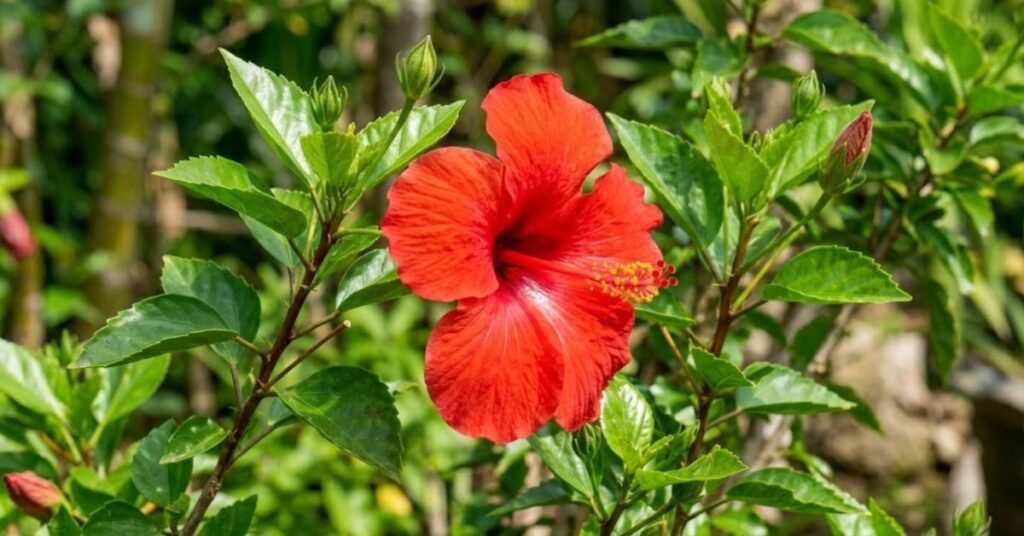
    Clumping bamboo grows slowly outward — just a few inches per year. No barrier needed. Perfect for small gardens, patios, and containers.

    Bamboo Plant Light Requirements (Sunlight Guide)

    True bamboo: Loves full sun — at least 6 hours of direct sunlight per day. Most species also tolerate part shade, but growth will be slower. In very hot climates, some afternoon shade protects leaves from burning.

    Lucky bamboo: Needs bright, indirect light only. Direct sun will scorch and curl the leaves. A north or east-facing window works well. A sheer curtain filters harsh afternoon light nicely.

    How to Water Bamboo Plants (Essential Care Tips)

    True Bamboo

    Aim for at least 1 inch of water per week. Water deeply — slow and thorough — so moisture reaches the roots.

    • First 4 weeks after planting: Water daily to help roots establish
    • After establishment: Supplement rainfall only during dry periods

    Signs of underwatering: Leaves curl inward, tips turn brown Signs of overwatering: Leaves yellow, base feels mushy, soil smells bad

    Lucky Bamboo in Water

    • Change the water every 7–10 days
    • Always use distilled or rainwater — tap water contains chlorine and fluoride that yellows leaves
    • Keep water high enough to cover roots at all times
    • Clean the container every 2–3 months to prevent algae

    Lucky Bamboo in Soil

    • Let the top inch of soil dry out between waterings
    • Water thoroughly, then let it fully drain
    • Never let the pot sit in standing water

    Best Soil for Bamboo Plant Care

    True bamboo grows best in slightly acidic, loamy, well-draining soil (pH 6.0–6.5).

    How to plant:

    1. Dig a hole 1.5–2x wider than the root ball
    2. Mix 50% compost into the existing soil
    3. Plant so the top of the root mass is level with the ground
    4. Add 2–3 inches of mulch on top
    5. Water deeply right after planting

    Pro Tip: Don’t rake up fallen bamboo leaves. They break down and return silica — a key bamboo nutrient — directly back into the soil.

    Lucky bamboo in soil: Use a light potting mix with 20% perlite for drainage. Avoid dense, heavy soils that hold water.

    Bamboo Plant Fertilizer Guide

    True bamboo is a heavy feeder. It responds best to high-nitrogen fertilizer.

    • Apply a balanced granular fertilizer (10-10-10) in spring and again in late summer
    • Sprinkle around the base — not touching the canes — and water in well
    • Organic mulch works as a natural slow-release alternative

    Lucky bamboo needs very little feeding — over-fertilizing is a common killer.

    • Use liquid fertilizer diluted to 1/4 strength
    • Feed once every 2 months only
    • For water-grown plants, add just a few drops to the water

    Bamboo Plant Care and Pet Safety Guide

    This is one of the most searched questions — and the answer depends entirely on which plant you have.

    PlantSafe for Pets?
    True Bamboo (Bambusoideae)Non-toxic (ASPCA confirmed)
    Lucky Bamboo (Dracaena sanderiana)Mildly toxic — causes vomiting, lethargy
    Heavenly Bamboo (Nandina domestica)Toxic — keep away from all pets

    If your pet eats lucky bamboo, contact your vet or the ASPCA Poison Control Hotline: (888) 426-4435.

    Bamboo Plant Care Mistakes to Avoid

     Not knowing your bamboo type. Running bamboo without a root barrier can spread into neighboring yards within a few seasons.

     Using tap water for lucky bamboo. Chlorine and fluoride cause those trademark yellow tips. Switch to distilled or rainwater.

     Overwatering outdoor bamboo. Deep but infrequent watering is better than frequent shallow watering.

     Over-fertilizing lucky bamboo. Always dilute to 1/4 strength. Feed every 2 months — not more.

     Pruning at the wrong time. Never prune in late summer — it stimulates tender new growth right before winter. Wait until late winter or early spring.

    Avoiding these mistakes is essential for successful bamboo plant care

    Seasonal Care Guide

    SeasonTrue BambooLucky Bamboo
    SpringFertilize; water new shoots dailyResume regular watering
    SummerDeep water during heat waves; watch for pestsKeep away from AC vents and hot windows
    FallSecond fertilizer round; add mulchMove away from drafty windows
    WinterWrap young plants; 6 inches of mulch; reduce wateringKeep above 50°F; avoid cold drafts

    Pest & Disease Quick Guide

    ProblemSignsFix
    Spider mitesFine webbing, yellow specklingNeem oil spray; increase humidity
    AphidsSticky residue, distorted growthWipe with damp cloth; diluted neem oil
    MealybugsWhite cottony clustersAlcohol-soaked cotton swab
    Root rotMushy base, bad smellImprove drainage; repot; trim black roots
    Fungal spotsDark spots on canesCopper-based fungicide or remove cane

    Troubleshooting Yellow Leaves

    Yellow leaves are the most common complaint — here’s how to diagnose it fast:

    • Tap water → Switch to distilled water (lucky bamboo)
    • Overwatering → Let soil dry out; check drainage
    • Too much direct sun → Move to indirect light
    • Over-fertilizing → Flush soil with water; reduce feeding frequency
    • Root rot → Repot; trim damaged roots

    FAQ

    Q: How fast does bamboo grow? Giant species can grow up to 3 feet per day at peak. Most garden varieties add 1–3 feet per week in spring. Lucky bamboo grows just a few inches per year.

    Q: Can bamboo grow indoors? True bamboo doesn’t thrive indoors long-term — it needs full sun. Lucky bamboo is the ideal houseplant.

    Q: Is bamboo invasive? Running bamboo can be invasive without a root barrier. Some varieties are restricted in certain U.S. counties. Clumping bamboo is not invasive.

    Q: How do I stop bamboo from spreading? Install a high-density polyethylene (HDPE) root barrier at least 24–30 inches deep around the planting area. Check and trim escaping rhizomes every spring.

    Q: Why are my lucky bamboo leaves yellow? Almost always tap water. Switch to distilled or rainwater immediately.

    Q: How long does lucky bamboo live? With proper care, 5–10+ years. The key is clean water, indirect light, and minimal fertilizer.

    Q: Does bamboo need a lot of sun? True bamboo: yes — 6+ hours preferred. Lucky bamboo: no — indirect light only.

    Conclusion

    Bamboo is one of the easiest plants to grow once you understand what you’re working with. The single most important step is knowing whether you have true bamboo or lucky bamboo — everything else follows from there.

    Give outdoor bamboo full sun, deep watering, and rich mulch. Give lucky bamboo indirect light, clean distilled water, and minimal fertilizer. Do those two things right, and your bamboo will thrive for years.

    By following this bamboo plant care guide, you can grow healthy and beautiful bamboo plants for years