Author: Amin khalid

  • The No-Nonsense Guide to Banana Plant Care: From Living Room to Backyard

    The No-Nonsense Guide to Banana Plant Care: From Living Room to Backyard

    Mastering banana plant care is essential if you want an instant Hawaiian jungle vibe at home. Consequently, many plant lovers buy these beauties without knowing their specific needs. However, dry indoor air quickly ruins those massive leaves.

    Fortunately, this real world guide will save your sanity and transform your space. I have grown these dramatic beauties for decades. Therefore, I know exactly how to keep them healthy.

    The Quick Care Cheat Sheet

    If you are just looking for a fast reference while standing in the garden center, here is the quick breakdown.

    Care FactorOutdoor RequirementsIndoor Requirements
    Light6–8 hours of direct US sunBrightest south-facing window
    WaterHighly demanding; 1–2 inches weeklyKeep consistently moist, never soggy
    SoilRich, well-draining yard soilPremium well-draining potting soil
    TemperatureActive growth above 65°FAvoid AC vents and cold drafts
    HardinessUSDA Zones 5–11 (with winter care)Year-round indoor comfort
    ToxicityNon-toxic to petsNon-toxic to pets

    Mastering Banana Plant Care in US Homes and Yards

    Mastering Banana Plant Care in US Homes and Yards
    Mastering Banana Plant Care in US Homes and Yards 

    Growing a banana plant in the United States means wrestling with wild weather swings. If you live down in Florida or Southern California (USDA Zones 9–11), you can leave these giants in the ground all year without a second thought. They will grow rapidly and might even reward you with actual fruit.

    But what if you live in Ohio, New York, or Colorado?

    You have two choices. You can grow a cold-hardy variety like Musa basjoo directly in your yard (Zones 5–10), or you can keep a dwarf variety like the ‘Dwarf Cavendish’ in a container and move it around.
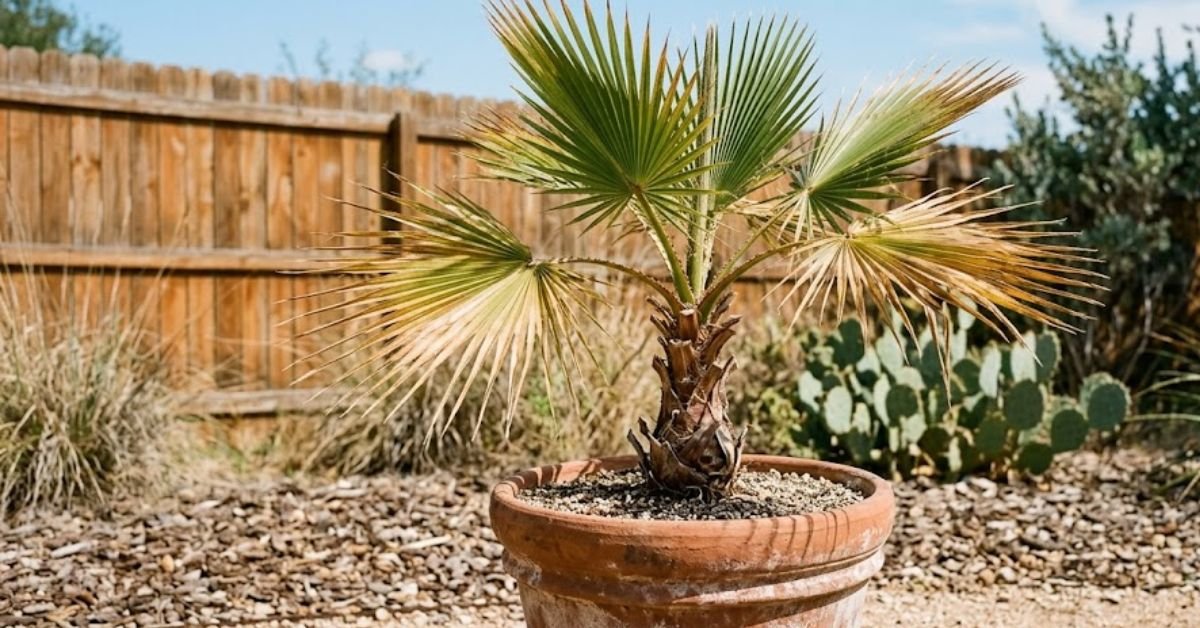
    When Spring arrives and nighttime temperatures consistently stay above 50°F, I wheel my potted banana plants out onto the back patio. They absolutely love the intense summer sun. When Fall rolls around and the first frost threatens, they come right back inside.

    Personal Pro-Tip

    When moving your container banana plant outside in Spring, do not just blast it with full sun on day one. It will sunburn. Trust me, watching a giant leaf turn paper-white and dead is heartbreaking. Give it partial shade for a week first so it can acclimate to the intensity of the outdoor sun.

    Essential Watering and Soil Secrets for Banana Plant Care

    Bananas are basically giant structures made of water. Because their leaves are so massive, they sweat out moisture at a ridiculous rate. If you let the soil dry out completely, the plant will punish you by dropping its lower leaves faster than you can sweep them up.

    Outdoors, you need to water them deeply. Indoors, it is a balancing act. You want the soil to feel like a wrung-out sponge.

    Never use heavy garden soil for indoor containers. It packs down like brick, suffocates the roots, and causes root rot. I always mix high-quality potting soil with a few handfuls of perlite and orchid bark to keep things loose and airy.

    When you water an indoor banana plant, haul it over to the kitchen sink or a bathtub. Run the faucet until the water is lukewarm never cold and drench the potting soil until water pours out of the drainage holes at the bottom.

    Personal Pro-Tip

    These plants are incredibly heavy feeders. They grow so fast you can almost watch it happen. During the peak summer growing season, I feed mine a balanced liquid fertilizer every single two weeks. If you skip the food, your banana plant will stall out and look pale.

    Indoor Challenges: The Brutal Impact of Air Conditioning

    Indoor Challenges The Brutal Impact of Air Conditioning
    Indoor Challenges The Brutal Impact of Air Conditioning

    Here is the biggest secret to indoor banana plant care: your home’s HVAC system is your plant’s worst enemy.

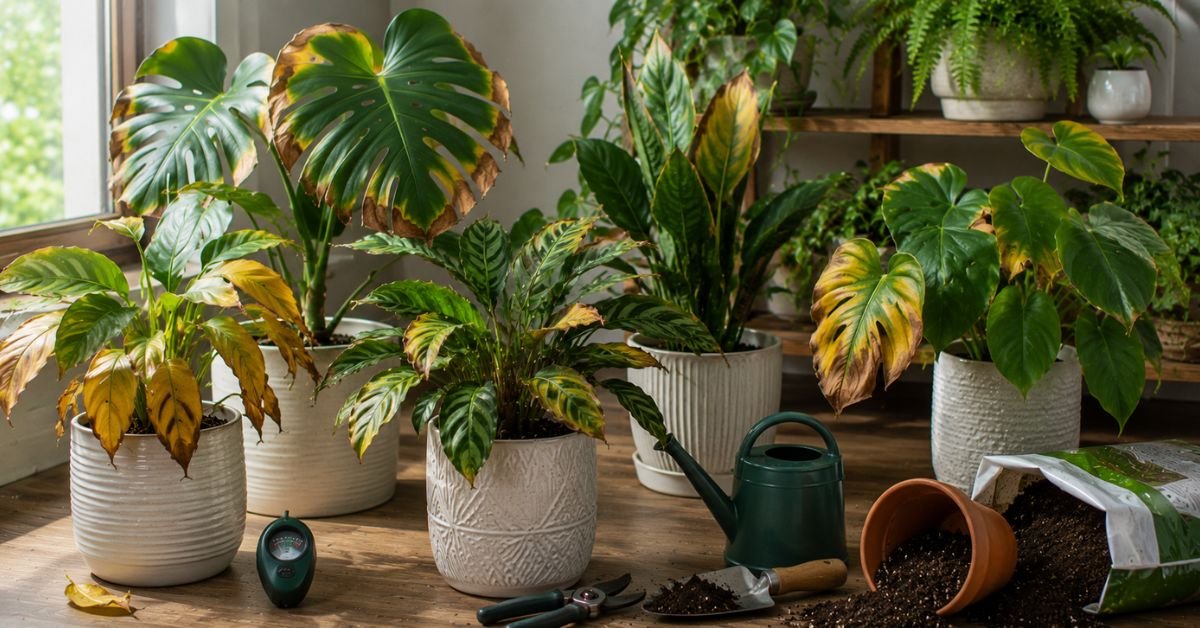
    Banana plants are native to humid rainforests. Your home’s air conditioning system is designed to strip moisture out of the air to keep you comfortable. When that dry, cold air blows directly onto a banana leaf, it destroys the tissue. The edges will turn brown, crispy, and start to split.

    Keep your indoor pots far away from AC vents, drafty entryways, or old windows.

    If your home sits below 40% humidity, you need to step in. A tiny misting bottle will not do anything for a plant this size.

    Get a dedicated humidifier and place it right next to the pot.

     Personal Pro-Tip

    If you don’t want to run a humidifier all day, group your banana plant with other large houseplants like monsteras or ferns. Plants naturally release moisture through their leaves. By crowding them together, they create their own little humid microclimate. It works wonders.
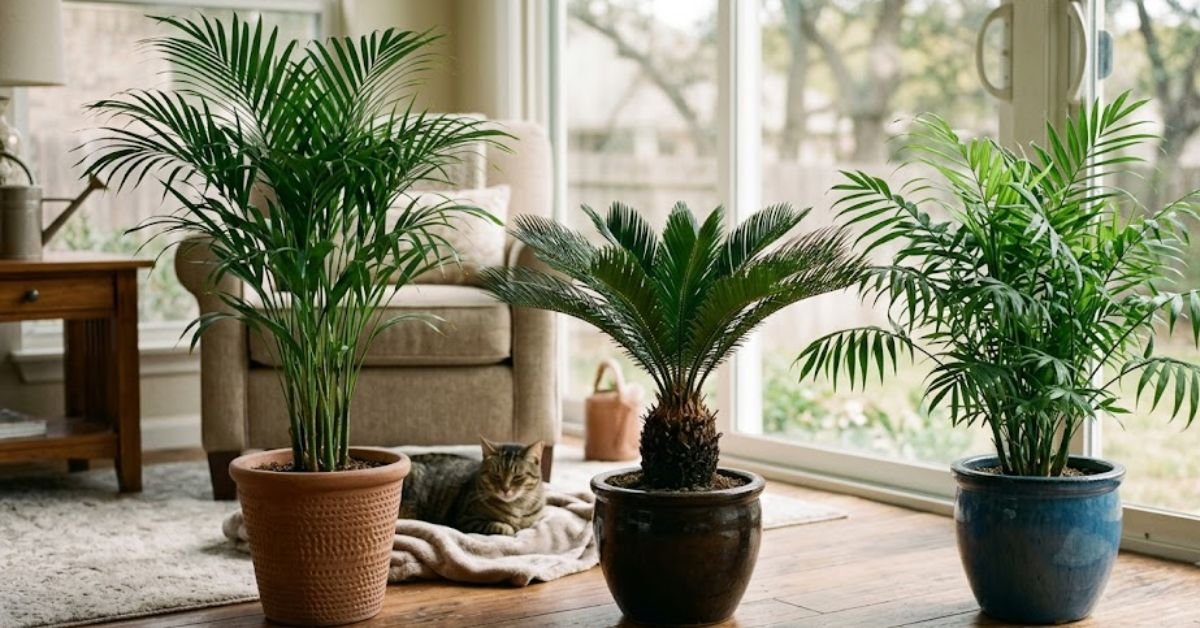
    Common Pitfalls in Banana Plant Care to Avoid

    Why do most Americans fail with this plant?

    Usually, it comes down to two things: drowning the roots in winter or freezing them in Spring.

    During the winter months, your banana plant enters a semi-dormant rest state. Its growth slows to a crawl. If you keep watering it at the same heavy rate you did in July, the roots will sit in stagnant water and rot away. Cut your watering in half during the dark winter months.

    Another major mistake is ignoring the pot size.

    Because their root systems expand aggressively, they can become root-bound in a single season. If you notice water running straight through the pot without soaking in, or roots poking out of the bottom holes, it is time for a bigger container.

    Personal Pro-Tip

    Look closely at the base of your plant. You will see little baby banana plants popping up from the dirt. We call these “pups.” Don’t let too many grow in one indoor pot. They steal nutrients and water from the main trunk. Slice them off with a sharp knife and pot them up separately to give to your friends.

    Troubleshooting Leaves: Yellowing and Brown Tips in Banana Plant Care

    Is Your Banana Plant Safe for Cats and Dogs
    Is Your Banana Plant Safe for Cats and Dogs

    Your plant will talk to you through its leaves. You just need to know how to translate.

    The Leaves are Turning Completely Yellow

    If the lower, oldest leaves turn yellow and die, don’t panic. That is normal aging. But if the middle and top leaves are turning pale yellow, you are likely overwatering the plant, or the potting soil is trapped in a pot with zero drainage. Stop watering and let the top two inches of soil dry completely.

    The Leaf Edges look Crispy and Brown

    This is a classic cry for humidity. Your air is too dry, or you are letting the soil dry out too much between waterings. Double-check that the plant isn’t sitting in the direct path of an air conditioning vent.

    Splitting Leaves

    Outdoor banana leaves split naturally along their veins to prevent the wind from knocking the entire plant over. It is a survival mechanism. Indoors, if your leaves are splitting wildly, someone might be brushing against them too often in a high-traffic hallway. Move it to a quiet corner.

    Personal Pro-Tip

    Keep a damp cloth handy. Those giant leaves act like giant dust magnets. Dust blocks sunlight and invites spider mites. Wipe the leaves down once a month with lukewarm water from the faucet to keep them breathing easy.

    Is Your Banana Plant Safe for Cats and Dogs?

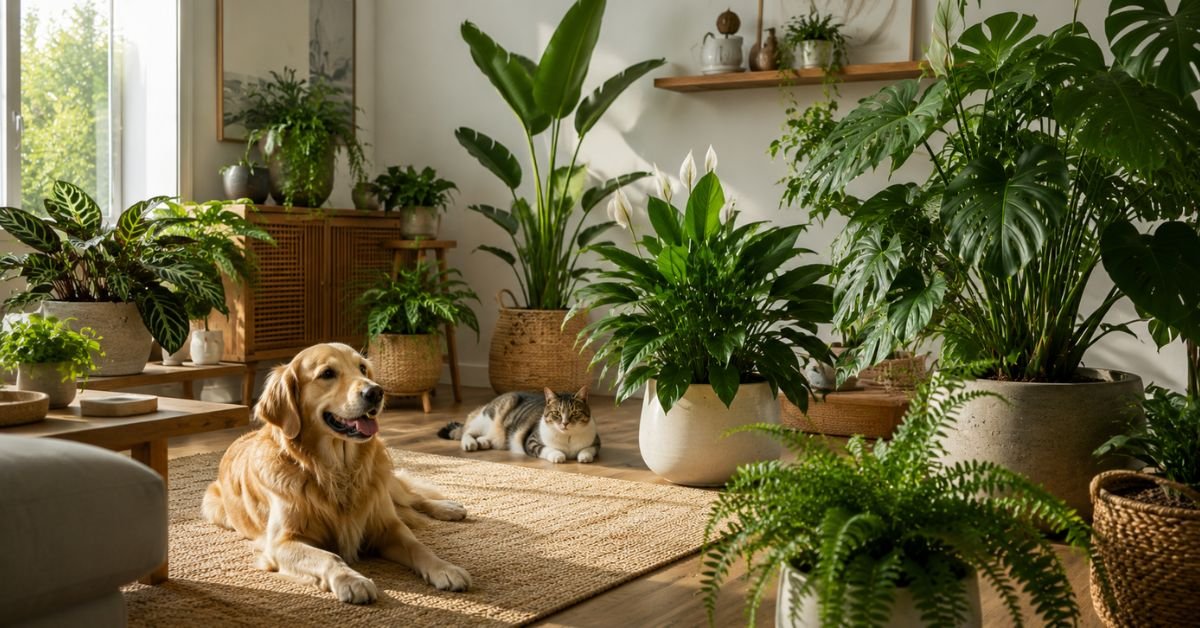
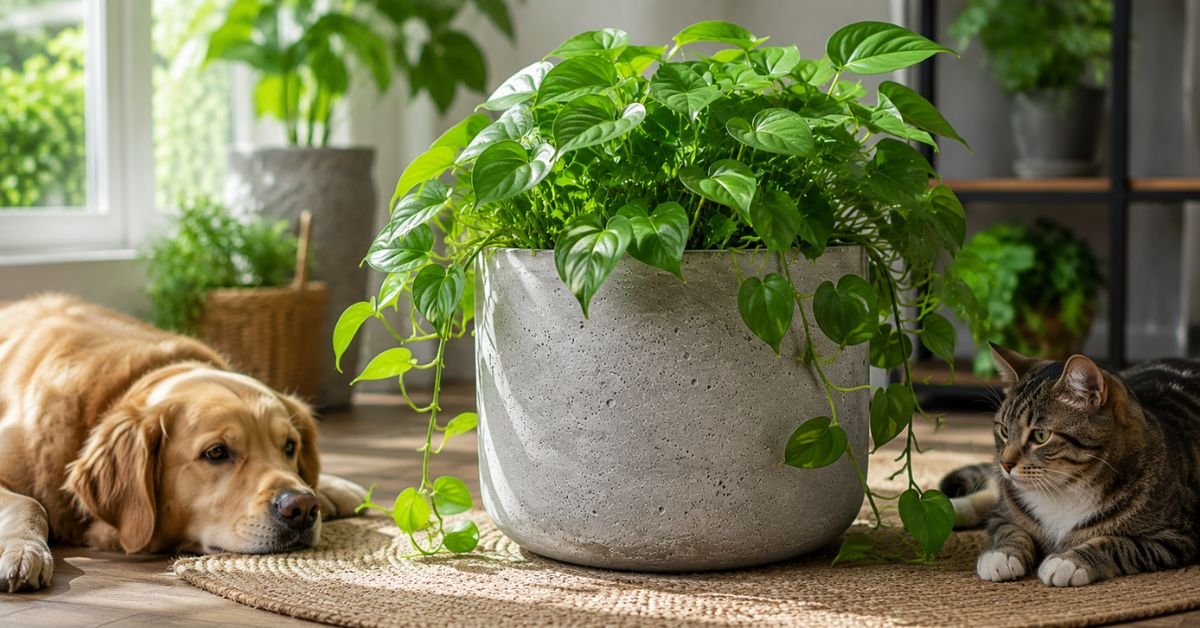
    Good news for pet owners. Unlike many other tropical houseplants (looking at you, Peace Lilies and Dieffenbachia), true banana plants of the Musa family are completely non-toxic to dogs and cats according to the ASPCA.

    If your curious cat decides to use a hanging leaf as a chew toy, or your dog bumps into the trunk, they will be perfectly fine. The worst that will happen is a ruined leaf and a bit of a mess to clean up on your floor.

    Personal Pro-Tip

    Even though it is non-toxic, swallowing large amounts of thick fibrous plant material can still give a puppy or kitten an upset stomach. If your pet won’t leave the lower leaves alone, elevate the pot on a sturdy plant stand out of their reach.

    Frequently Asked Questions About Banana Plant Care

    Q1. Will my indoor banana plant ever grow real bananas?

    Highly unlikely. To produce edible fruit, a banana plant needs immense amounts of heat, 10 to 12 hours of blazing sun daily, and up to 15 months of uninterrupted growth. Standard US home environments simply don’t provide enough light intensity or heat for fruit production. Enjoy it for its stunning foliage instead.

    Q2. How fast do these plants actually grow?

    In summer, they are rockets. If you provide enough warmth, water, and fertilizer, a healthy banana plant can push out a brand-new, massive leaf every single week.

    Q3. Can I leave my banana tree outside during winter in cold states?

    Only if it is a Musa basjoo (Japanese Fiber Banana). If you live in a cold zone, you must cut the stalks down to about 12 inches after the first hard autumn frost, then cover the remaining stump with a massive pile of shredded leaves or mulch to protect the underground corm from freezing.

    Q4. What are the tiny webs on the underside of my banana leaves?

    Spider mites. They love the dry air found inside American homes during winter. Spray the plant down thoroughly in the shower to wash them away, then apply neem oil to the leaves.

    Q5. Why is my banana plant “crying” water drops from its leaves?

    This is a harmless process called guttation. When the soil is highly moist, the roots absorb water at night and push the excess out through tiny pores on the leaf tips. It is perfectly natural, though you might want to protect your hardwood floors!

    Q6. Do I need to buy a special grow light for the winter?

    If your home lacks a large, sunny south-facing window, a quality LED grow light will help immensely during the dark winter months. It keeps the plant from getting leggy and weak.

    Q7. How deep should I plant a banana tree outdoors?

    Plant it at the exact same depth it was sitting in its nursery container. Burying the main stem too deeply can invite rot right at the crown of the plant.

    Final Thoughts

    Banana plants require a little more attention than your average cast-iron succulent, but the visual payoff is absolutely worth the effort. Keep them warm, never let them starve for water, and guard them against dry indoor air conditioning. Do those three things right, and you will have a spectacular slice of the tropics right in your own living room.

  • The Ultimate Human-First Guide to the Best House Plants for American Homes

    The Ultimate Human-First Guide to the Best House Plants for American Homes

    Finding the best house plants for your living space can feel completely overwhelming. As a horticulturist working across various US climates, I see this struggle daily. Specifically, people love bringing nature indoors but often choose the wrong green varieties.

    You need resilient indoor plants, not just pretty Instagram photos. For example, your greenery must survive intense winter radiators and harsh summer air conditioning. Therefore, I designed this hands-on guide to help you find plants that truly thrive.

    Quick Reference: The Ultimate Care Guide for the Best House Plants

    If you are just skimming for quick answers, this table covers our top picks for American living rooms.

    Plant NameLight RequirementWatering FrequencyPet Friendly? (ASPCA)US Home Adaptability
    Snake PlantLow to Bright, IndirectEvery 3–4 weeksNo (Toxic to cats/dogs)Thrives in dry AC air
    Golden PothosLow to Bright, IndirectEvery 1–2 weeksNo (Toxic to cats/dogs)Handles drafty rooms well
    Monstera DeliciosaBright, IndirectEvery 1–2 weeksNo (Toxic to cats/dogs)Needs a bit of extra humidity
    Parlor PalmMedium, IndirectEvery 1–2 weeksYes (Safe for pets)Great for dimmer apartments

    What Makes the Best House Plants for American Homes?

    What Makes the Best House Plants for American Homes
    What Makes the Best House Plants for American Homes

    In my experience running plant consultation services, the biggest hurdle for indoor gardeners isn’t a lack of a green thumb; it’s a mismatch between the plant and the home’s climate.

    In the US, our homes are heavily climate-controlled. Air conditioning units strip humidity from the air all summer, while forced-air heating systems bake our spaces in the winter. The best house plants are those robust enough to withstand these rapid humidity shifts without dropping all their leaves.

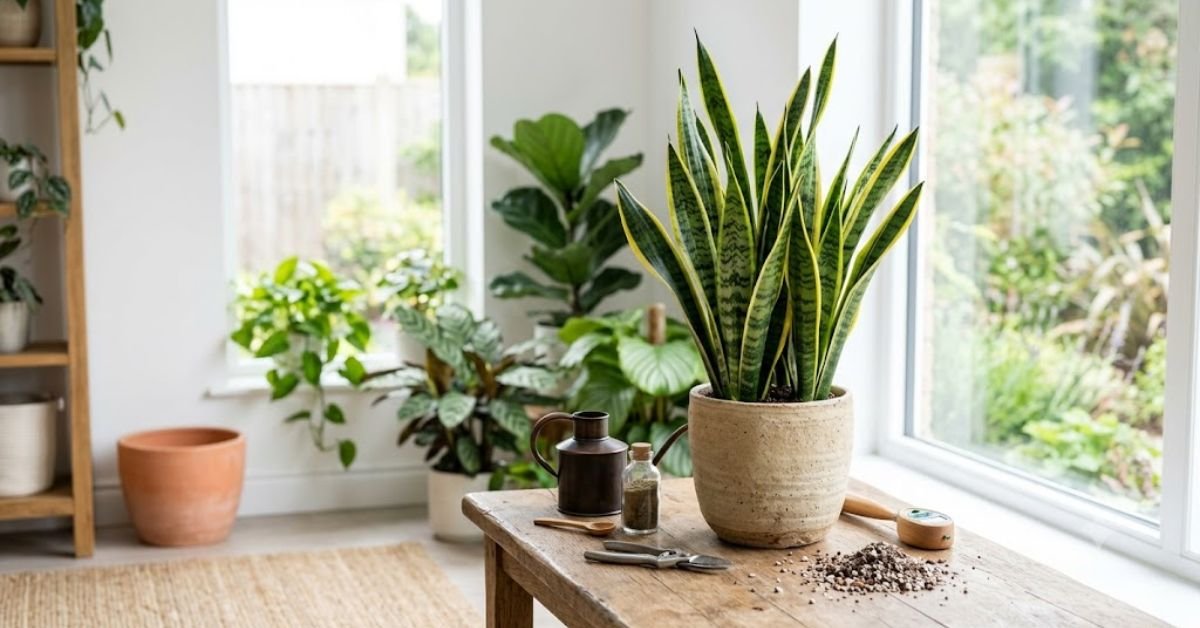
    1. The Unkillable Snake Plant (Sansevieria)

    Why it’s One of the Best House Plants for Beginners

    I always tell people that if you think you kill every plant you touch, you haven’t tried a Snake Plant yet. These structural, upright beauties are native to arid regions, meaning they store water in their thick, leathery leaves. They are incredibly forgiving if you travel for work or simply forget they exist for a month.

    Real-World Care Tips

    • Light: They will survive in a dim corner of a basement apartment, but they truly thrive and grow faster in bright, indirect light near an east-facing window.
    • Water: Treat this plant like a cactus. Let the potting soil dry out 100% all the way to the bottom of the pot before you even think about bringing it to the faucet.

    Personal Pro-Tip

    In my years of growing this plant, I’ve found that the number one killer is using heavy garden soil. Always use a well-draining potting soil mixed with a generous handful of perlite or coarse sand. If your home runs cold in the winter (below 65°F), cut your watering down to just once every five to six weeks.

    2. Golden Pothos (Epipremnum aureum)

    Caring for this Versatile Favorite Among the Best House Plants

    If you want that lush, trailing “jungle vibe” on your bookshelves, Golden Pothos is your go-to. It grows incredibly fast during the Spring and Summer months, sending down long vines tipped with heart-shaped, variegated leaves.

    Real-World Care Tips

    • Light: Pothos loves moderate, indirect light. If you notice the beautiful yellow marbling turning solid green, it’s telling you it needs to be closer to a window.
    • Water: Wait until the top two inches of the potting soil feel dry. If the leaves look slightly wilted or limp, that is your cue that it’s thirsty.

    Personal Pro-Tip

    Don’t let long Pothos vines just dangle forever. I like to clip the tips occasionally during the Spring growing season. This encourages the plant to branch out at the base, making the top of the pot look incredibly full and bushy rather than sparse. Plus, you can pop those clippings in a glass of water on your kitchen sill to grow roots for brand-new plants!

    3. Monstera Deliciosa (The Swiss Cheese Plant)

    Bringing Tropical Vibes to the Best House Plants Collection

    Nothing makes a statement quite like a mature Monstera. Known for the dramatic splits and holes (fenestrations) in its massive leaves, this plant instantly anchors a room. While it looks exotic, it’s surprisingly resilient in standard US household conditions.

    Real-World Care Tips

    • Light: Monsteras are sun-worshipers compared to Pothos. Give them a spot right next to a bright window shielded by a sheer curtain, or a few feet away from a blazing southern exposure.
    • Water: Water thoroughly when the top half of the potting soil is dry. Make sure water runs out of the bottom drainage holes, then empty the saucer so it doesn’t sit in stagnant pools.

    Personal Pro-Tip

    Because Monstera leaves have so much surface area, they act like little dust magnets in our homes. Dust blocks sunlight and slows down photosynthesis. Once a month, take a damp, soft microfiber cloth and gently wipe down both sides of every leaf. Your plant will reward you with much faster growth and bigger splits.

    Common Mistakes Americans Make with the Best House Plants

    Common Mistakes Americans Make with the Best House Plants
    Common Mistakes Americans Make with the Best House Plants

    We love our plants, but sometimes we love them to death. Here are the most frequent missteps I see across American households:

    • Blasting the AC or Heat Vents: Placing a tropical plant directly in the path of an air conditioning draft or a roaring heating vent will dry out the foliage in days, causing crispy, brown edges. Keep plants at least three to four feet away from any forced-air sources.
    • The “Teacup” Watering Habit: Pouring a tiny sip of water over your plants every few days is a recipe for disaster. It causes shallow root systems. Instead, water deeply at the faucet until water runs out the bottom, then wait for the soil to dry out before doing it again.
    • Ignoring USDA Zones for Seasonal Field Trips: Many indoor gardeners like to put their house plants out on the patio during the hot, humid summer months (great for USDA Zones 5–10). However, if you leave them out when night temperatures drop below 55°F in the Fall, you risk shocking the root systems and causing massive leaf drop when you bring them back inside.

    Troubleshooting Guide: Saving Your Best House Plants from Common Issues

    If your green friend is looking a little sad, don’t panic. Plants communicate through their leaves. Here is how to decode what they are saying:

    Yellowing Leaves

    • The Culprit: Usually, this means the root zone is drowning from overwatering.
    • The Fix: Stop watering immediately. Check to make sure your pot has a drainage hole. If the potting soil feels like a soggy sponge, you may need to gently unpot the plant, shake off the wet dirt, and repot it into fresh, dry soil.

    Crispy, Brown Leaf Tips

    • The Culprit: Low humidity or hard tap water minerals building up in the soil.
    • The Fix: If you live in an arid state or have heavy central heating, group your plants together to create a humid microclimate, or run a small humidifier nearby. If your local water is heavily chlorinated, try letting your water sit out in a pitcher overnight before using it, or use filtered water.

    Crucial Toxicity Warning for Pet Owners

    Crucial Toxicity Warning for Pet Owners
    Crucial Toxicity Warning for Pet Owners

    Before you head out to the nursery, please keep your furry family members in mind. Many popular indoor varieties contain insoluble calcium oxalates, which can cause intense oral irritation, drooling, and vomiting if chewed on by cats or dogs.

    If you have curious pets who like to nibble on greenery, skip the Monstera, Pothos, and Snake Plants. Instead, look for completely non-toxic alternatives like Parlor Palms, Spider Plants, or Boston Ferns, which are fully cleared by the ASPCA.

    Frequently Asked Questions About the Best House Plants

    Q1How often should I fertilize my house plants?

    Only fertilize during the active growing seasons of Spring and Summer. I recommend using a balanced, liquid indoor plant fertilizer diluted to half-strength once a month. Hold off completely during late Fall and Winter when the plant’s metabolic rate slows down.

    Q2Do I really need a pot with a drainage hole?

    Yes, absolutely. Growing a plant in a pot without a drainage hole is like driving a car without brakes—eventually, you will crash. Without a hole, excess water pools at the bottom, suffocating the roots and causing root rot, which is incredibly difficult to cure.

    Q3Why is my plant growing long and skinny instead of full?

    This is a phenomenon called “etiolation,” which is a fancy way of saying your plant is stretching out desperately looking for more light. Move it closer to a window or invest in a small LED grow light to help it grow more compactly.

    Q4Can I use dirt from my backyard for indoor plants?

    I strongly advise against this. Outdoor garden soil is full of heavy clay, weed seeds, and microscopic pests or fungus spores. Indoors, it packs down too tightly in a pot, suffocating indoor roots. Always stick to a bagged, sterile indoor potting soil mix.

    Q5How do I get rid of those tiny little black bugs flying around my pots?

    Those are fungus gnats. They lay their eggs in the top layer of consistently damp potting soil. The easiest fix is to let your soil dry out more between waterings, use yellow sticky traps to catch the adults, and water with a mix of water and a bit of mosquito bits (which contain a natural bacteria that kills the larvae).

    Q6Should I mist my tropical house plants?

    Misting only raises the humidity for a few fleeting minutes and can actually invite fungal leaf spot diseases if the air circulation is poor. If you want to raise humidity effectively, use a dedicated humidifier or place your pots on a tray filled with pebbles and water.

    Q7How do I know when it’s time to repot my plant?

    Look at the bottom of the pot. If you see roots curling tightly around the inside or poking aggressively out of the drainage holes, your plant is root-bound. Spring is the absolute best time to move it into a new container that is roughly two inches wider than its current home.

    Final Thoughts

    At the end of the day, creating a thriving indoor garden is all about observation. Plants don’t operate on a strict calendar; they respond to the light, warmth, and humidity of your specific room. Start with resilient varieties like Pothos or Snake Plants, get used to checking the moisture level of your potting soil with your index finger, and enjoy the process of turning your home into a living, breathing sanctuary.

  • The Ultimate Guide to the Annabelle Hydrangea Plant: Pro-Tips for American Gardens

    The Ultimate Guide to the Annabelle Hydrangea Plant: Pro-Tips for American Gardens

    If you’ve ever driven through a neighborhood in the Midwest or Northeast during mid-summer and spotted massive, snowball-like white blooms practically glowing in the shade, you’ve met the Annabelle hydrangea plant. In my years working as a horticulturist, this native beauty (Hydrangea arborescens) remains one of my absolute favorite recommendations for homeowners who want maximum visual impact with minimum fuss.

    Here is a quick-glance care guide for the skimmers out there who want the fast facts before digging in.

    Annabelle Hydrangea Plant Quick Care At-A-Glance

    Care ElementRequirement
    USDA Hardiness ZonesZones 3 – 9
    Sun ExposureDappled shade to partial sun (Morning sun is best)
    Soil TypeRich, well-draining, moisture-retentive soil
    WateringConsistent moisture (Deep soaking weekly)
    Bloom TimeEarly summer through Fall
    Mature Size3 to 5 feet tall and wide

    Personal Pro-Tip: Don’t stress about your winter weather. I’ve seen this resilient shrub survive brutal, below-zero wind chills in Minnesota and still push out magnificent blooms the following July without skipping a beat.

    Why the Annabelle Hydrangea Plant is a Backyard Favorite

    Why the Annabelle Hydrangea Plant is a Backyard Favorite
    Why the Annabelle Hydrangea Plant is a Backyard Favorite

    We Americans love a plant that works hard without demanding a lifestyle change, and that’s exactly what this shrub offers. Unlike its picky cousin, the bigleaf hydrangea, which can refuse to bloom if a surprise Spring frost nips its buds, the Annabelle produces flowers on “new wood” (the fresh growth it puts out in the current year). This means no matter how harsh the winter, you are virtually guaranteed a spectacular show of massive, 10-inch flower heads every single summer.

    Watching this plant evolve throughout the season is pure joy. The blooms start as a soft, electric chartreuse green in June, burst into brilliant, clean white puffs by July, and gradually mellow back into a vintage, papery tan as Fall rolls around. They look stunning in the yard, but they make incredible cut flowers for your dining room table, too.

    Personal Pro-Tip: If you love floral design, cut the stems in late August when the petals feel slightly papery. Hang them upside down in a dark, dry pantry for two weeks. They dry beautifully and will last on your mantelpiece all winter.

    Setting Up Your Annabelle Hydrangea Plant for Success

    Getting your new shrub off to a great start isn’t rocket science, but a little strategic planning during planting week pays massive dividends down the road.

    Ideal USDA Zones and Sun Exposure for Your Annabelle Hydrangea Plant

    This plant is highly adaptable across USDA Hardiness Zones 3 through 9. However, its daily sun requirements change dramatically depending on your geography. If you live up north in Michigan or New York, your plant can tolerate almost full sun as long as its roots stay damp.

    But if you are gardening down south in Georgia or Texas, that blistering afternoon sun will scorch the foliage faster than you can flip a burger. In warmer regions, pick a spot that gets bright morning light but offers total relief from the sun after 1 PM.

    Personal Pro-Tip: Walk around your yard at 2 PM during a hot July afternoon. If the spot you’re eyeing is baking in direct, unfiltered sunlight, choose a different location. Your hydrangea will thank you.

    Soil and Water Requirements

    Like most smooth hydrangeas, this variety loves its water, but it absolutely detests muddy, stagnant roots. If you are planting it directly in your garden bed, mix in a generous amount of organic leaf mold or aged wood bark to loosen up heavy clay.

    If you are growing it in a large container on your porch, step away from the native garden dirt and grab a bag of high-quality, well-draining potting soil instead. When it comes to hydration, skip the daily light sprinkles. Instead, turn your garden hose faucet on low and give the base of the plant a deep, slow drenching once or twice a week.

    Personal Pro-Tip: Lay down a three-inch layer of shredded hardwood mulch right around the root zone, keeping it an inch away from the main stems. This acts like a protective blanket, keeping the soil cool and locking in moisture so you don’t have to run to the faucet every single day.

    Common Mistakes with the Annabelle Hydrangea Plant

    Common Mistakes with the Annabelle Hydrangea Plant
    Common Mistakes with the Annabelle Hydrangea Plant

    Even experienced gardeners run into trouble with this shrub, usually because they treat it like other common landscaping plants. Over the years, I’ve noticed three classic blunders that American homeowners make:

    • The Ground-Level Chop: Many folks assume that because it blooms on new growth, they should haircut the entire plant flat to the dirt every winter. Don’t do it. While it will grow back, cutting it completely to the ground results in weak, spindly stems that can’t support the weight of those massive flower heads.
    • The HVAC Death Zone: I’ve lost count of how many times I’ve seen a beautiful new specimen planted right next to an outdoor air conditioning condenser unit. The continuous blast of hot, dry air from your home’s AC system will dehydrate the leaves in a matter of hours, causing severe crisping and leaf drop.
    • Overcompensating with the Hose: When the large leaves droop slightly on a 90°F afternoon, people panic and drown the soil. Often, the plant is just minimizing its surface area to handle the heat and will perk back up by sunset. Constantly watering soggy soil will rot the root system out from under it.

    Personal Pro-Tip: When pruning in late winter, leave a sturdy framework of old stems about 18 to 24 inches off the ground. These older, thicker stems create a rigid skeleton that holds up the new, flexible branches when they get heavy with rainwater.

    Troubleshooting Your Annabelle Hydrangea Plant

    If your plant is looking a little sad, don’t panic. Most issues can be diagnosed and fixed with a few simple adjustments. Here is a quick reference guide to solving the most common visual cries for help:

    What You SeeThe Root CauseThe Exact Solution
    Leaves turning pale yellow with green veinsIron chlorosis (often caused by alkaline or compacted soil).Apply a chelated iron supplement to the soil and top-dress with organic matter.
    Brown, crispy leaf edgesHeat scorch, windburn, or dry air from AC vents.Increase deep watering at the base and check for hot air exposure.
    The entire plant flops flat on the groundTop-heavy blooms weighed down by summer rain.Shake off excess water gently, prune less severely next winter, or install a tomato cage early in Spring.

    Personal Pro-Tip: If your plant suffers from the classic post-rainstorm “flop,” don’t try to tie the individual stems tightly to a single stake—it looks unnatural and chokes the plant. Instead, encircle the entire base with a short, green wire border fence early in the Spring so the stems can naturally lean outward against it.

    Annabelle Hydrangea Plant Toxicity Warning

    Annabelle Hydrangea Plant Toxicity Warning
    Annabelle Hydrangea Plant Toxicity Warning

    Before you head to your local garden center, we need to address a crucial safety note for pet owners. The entire Annabelle hydrangea plant contains a compound called cyanogenic glycosides. If your curious dog or cat decides to use the leaves or stems as a chew toy, it can cause gastrointestinal distress, including vomiting, diarrhea, and lethargy.

    While wild birds and local pollinators absolutely love this shrub, it is definitely not pet-friendly. If you have an adventurous puppy who loves to munch on your landscaping, you’ll want to take precautions.

    Personal Pro-Tip: If you have outdoor pets but still want this stunning look, plant your hydrangeas behind a decorative hardscape barrier or use raised garden beds to keep the foliage well out of reach of sniffing noses.

    Frequently Asked Questions

    Q1Can I change the color of my Annabelle hydrangea plant to blue?

    Unlike French or bigleaf hydrangeas (Hydrangea macrophylla), smooth hydrangeas do not care about your soil chemistry. No amount of aluminum sulfate or coffee grounds will turn this plant blue or pink. It will always open chartreuse, transition to brilliant white, and fade to tan.

    Q2Why is my Annabelle hydrangea plant dropping leaves in late August?

    If the lower leaves are turning yellow and dropping at the end of summer, it’s usually a combination of intense heat and natural preparation for Fall dormancy. As long as the stems look healthy and the top growth isn’t completely dead, it’s just the plant conserving energy.

    Q3Do Annabelle hydrangeas bloom on old or new wood?

    They bloom entirely on new wood. This is a massive relief for northern gardeners because even if a freezing winter kills the plant back to the snowline, the fresh stems that emerge in the Spring will still produce a full crop of gorgeous summer flowers.

    Q4How do I stop my Annabelle hydrangea plant from falling over after a heavy rain?

    The secret lies in your pruning habits. Instead of cutting the stems all the way to the ground in the winter, leave about two feet of old growth intact. These older, thicker stems create a rigid skeleton that holds up the new, flexible branches when they get heavy with rainwater.

    Q5Can I grow an Annabelle hydrangea plant in a container on my deck?

    You absolutely can, provided the container is massive (at least 15 to 20 gallons) and has excellent drainage holes. Make sure to use premium potting soil rather than heavy garden dirt, and position the pot away from the direct exhaust blast of your outdoor air conditioning unit.

    Q6How much should I water my newly planted hydrangea in the Spring?

    For the first growing season, give it a deep soaking twice a week. You want to train the roots to grow deep into the ground rather than staying near the surface. Check the soil an inch down; if it feels dry, it’s time to run the hose.

    Q7Can I dry the blooms for indoor decor?

    Yes, and they look spectacular. The trick is timing: don’t cut them when they are brilliant white and juicy. Wait until late August or September when they turn a soft seafoam green or tan and feel dry to the touch while still on the bush. Cut them, strip the leaves, and put them in a dry vase.

    Personal Pro-Tip: When checking if a dormant winter stem is still alive, do the “scratch test.” Gently scrape a tiny bit of the outer bark with your fingernail. If it’s vibrant green underneath, the stem is alive and well. If it’s brittle and brown, snip it off at the base.

    Final Thoughts

    Bringing the Annabelle hydrangea plant into your landscape is one of the easiest ways to elevate your home’s curb appeal with a classic, elegant look. By giving it the right amount of morning sun, ensuring its roots stay moist but not waterlogged, and avoiding the temptation to chop it entirely to the ground every winter, you will enjoy decades of those legendary snowball blooms. Grab your garden gloves, find that perfect partly shaded spot, and get ready to watch your garden transform.

  • The Ultimate Astilbe Plant Care Guide: How to Grow Vibrant Shade Perennials

    The Ultimate Astilbe Plant Care Guide: How to Grow Vibrant Shade Perennials

    As a horticulturist who has spent countless hours getting my hands dirty in gardens across the country, I’ve recommended the Astilbe plant to more homeowners than I can count. If you have a shady spot in your yard or on your patio that looks a little sad and empty, this feathery, plume-like perennial is your best friend. In my years of growing this plant, I’ve found that its vibrant colors can completely transform a gloomy corner into a focal point.

    Let’s dive into everything you need to know to keep your Astilbe thriving, skipping the complex botany jargon and sticking to what actually works in a typical American home garden.

    Personal Pro-Tip: Don’t toss your plant tags! I always stick the little plastic ID tag that comes with my Astilbe plant deep into the potting soil or garden bed right next to the roots. That way, when Spring rolls around and it hasn’t sprouted yet, I know exactly where it’s sleeping.

    Astilbe Plant Quick Care Reference

    Care NeedRecommendation
    LightDappled shade to partial shade (Keep out of harsh afternoon sun)
    WaterHigh moisture needs; keep soil consistently damp but not soggy
    SoilRich, well-draining, slightly acidic. Use quality potting soil for containers
    USDA Zones3 to 8 (Performs beautifully as a perennial across most of the US)
    ToxicityNon-toxic to cats, dogs, and horses

    Why I Love Growing the Astilbe Plant

    Why I Love Growing the Astilbe Plant
    Why I Love Growing the Astilbe Plant

    There is something incredibly rewarding about watching an Astilbe plant burst into color right when the heat of early summer kicks in. Unlike sun-worshipping flowers like Zinnias or Marigolds, Astilbes do their best work in the shadows. They bring stunning textures—ranging from soft pinks and fiery reds to crisp whites—into spaces under oak trees or along north-facing walls where most other flowers just give up.

    Personal Pro-Tip: I like to plant them in clusters of three or five. A single Astilbe can look a bit lonely, but a group of them creates a stunning, cloud-like drift of color.

    Essential Care Guide for Your Astilbe Plant

    Finding the Right Light

    Astilbes are shade lovers, but “shade” doesn’t mean pitch black. They thrive in dappled sunlight, like the light filtering through tree branches. A few hours of gentle morning sun is fantastic, but keep them away from the harsh afternoon glare.

    Watering Your Astilbe Plant Perfectly

    If there is one thing you must remember, it’s that this plant is incredibly thirsty. Astilbes do not handle drought well. If you are keeping them in patio planters, you might need to water them every single day during July and August. When you water, don’t just sprinkle the leaves—give them a deep soak. If you’re dragging a hose from the outdoor faucet, make sure the water goes straight to the base of the plant.

    Soil and Fertilizer Needs

    They love rich, loamy dirt. If you are planting them in a container, grab a high-quality, moisture-retaining potting soil. In the garden, work some rich organic matter into the ground before planting. I usually toss a handful of slow-release, balanced granular fertilizer around the base right as they start to wake up in early Spring.

    Personal Pro-Tip: If your tap water is heavily softened (which adds salts), try to use water directly from an outside faucet that bypasses the softener, or collect rain in a bucket. Astilbes hate salty soil!

    Common Mistakes When Growing an Astilbe Plant in the US

    Common Mistakes When Growing an Astilbe Plant in the US
    Common Mistakes When Growing an Astilbe Plant in the US

    Why do Americans usually fail with this plant? The number one culprit is our intense summer heat combined with neglect. We get busy, we forget to water for a week, and suddenly the plant looks like a pile of crispy brown hay.

    Another uniquely modern issue I see is the placement of potted Astilbes on covered patios right near outdoor AC unit exhausts or indoor air conditioning vents. The constant blast of dry, artificial air will strip the moisture right out of their delicate fronds, turning them brown overnight.

    Personal Pro-Tip: Mulch is your secret weapon. I always lay down a thick, two-inch layer of wood chips around my outdoor Astilbes. It acts like a cozy blanket that locks the moisture into the soil, protecting them from unexpected heatwaves.

    Astilbe Plant Troubleshooting: Yellow Leaves & Brown Tips

    It breaks my heart to see a struggling plant, but most issues are easily fixable if you catch them early.

    • Crispy Brown Tips and Edges: This is a classic cry for help. Your plant is either drying out or getting scorched by too much direct sun. The Fix: Stick your finger into the soil. If it’s bone dry two inches down, water it immediately. If the soil is wet, the sun is the issue—you may need to dig it up and move it to a shadier spot in the Fall.
    • Yellowing Leaves: If the leaves are turning yellow and feeling mushy, you’ve swung the pendulum too far the other way. You are overwatering, or your soil has poor drainage, causing root rot. The Fix: Back off the watering. If it’s in a pot, ensure the drainage holes aren’t clogged. You might need to repot it with fresh potting soil mixed with a bit of perlite for better airflow.

    Personal Pro-Tip: When I see crispy brown flower plumes at the end of the summer, I just snip them off right down to the foliage. It immediately makes the whole plant look tidier!

    Toxicity Warning: Is the Astilbe Plant Safe for Pets?

    Toxicity Warning Is the Astilbe Plant Safe for Pets
    Toxicity Warning Is the Astilbe Plant Safe for Pets

    As a dog owner myself, I absolutely refuse to bring plants into my yard without checking their toxicity first. This is a massive selling point: the Astilbe plant is completely non-toxic to cats, dogs, and even horses. You don’t have to panic if your Golden Retriever decides to take a bite out of a pink plume or your curious tabby cat brushes up against the leaves.

    Personal Pro-Tip: Even though they are non-toxic, if your pet has a habit of digging up your garden beds, consider placing a few large, decorative river rocks over the root zone to discourage muddy paws.

    Frequently Asked Questions About the Astilbe Plant

    I spend a lot of time on gardening forums and helping neighbors, and these are the questions that pop up constantly:

    Q1. Does the Astilbe plant come back every year?

    Yes! As long as you live in USDA Zones 3 to 8, they are hardy perennials that will reliably return every Spring.

    Q2. Can it grow in complete, deep shade?

    It will survive in deep shade, but it probably won’t flower well. They really need that ambient, indirect light or a little morning sun to produce those big, beautiful plumes.

    Q3. Should I deadhead the faded flowers?

    You don’t have to. Leaving the dried brown plumes actually adds some nice texture to your Fall and Winter garden. But if you prefer a clean look, snip them off!

    Q4. Can I grow an Astilbe plant indoors as a houseplant?

    I really don’t recommend it. They rely on the natural dormancy period brought on by cold Winter weather. Indoors, they tend to slowly decline and suffer from the dry air. Keep them outside.

    Q5. Why didn’t my Astilbe bloom this year?

    Usually, it’s a lack of moisture or a lack of light. If a tree above it grew a thicker canopy this year, the plant might be too shaded. Alternatively, it might need to be divided if it’s an older, crowded plant.

    Q6. How do I divide it, and when?

    Every 3 to 4 years, I dig up the entire root ball in early Spring or early Fall. I take a sharp spade and literally chop the tough root mass into quarters, then replant them. It revitalizes the plant perfectly!

    Q7. Do they attract pollinators?

    Absolutely. While they aren’t as much of a bee-magnet as lavender, you’ll definitely see butterflies and beneficial insects hovering around the blooms in early summer.

    Personal Pro-Tip: If you’re dividing them in the Fall, make sure to do it at least six weeks before your first hard frost. The newly separated roots need time to grip the soil before the ground freezes solid!

    Final Thoughts on Growing the Astilbe Plant

    At the end of the day, gardening is all about finding the right home for the right plant. While some folks get intimidated by the moisture requirements of the Astilbe plant, I look at it as a fair trade-off for the spectacular reward you get in return. There simply aren’t many perennials that can light up a dark, shady corner with such dramatic, cloud-like color.

    If you commit to keeping their soil damp and keeping them shielded from the blazing afternoon sun, these hardy beauties will reward you year after year. Next time you visit your local garden center, pick up a few varieties with different bloom times to stretch that gorgeous color all the way from early to late summer. Happy planting!

  • How to Grow and Care for a Bleeding Heart Plant Like a Pro

    How to Grow and Care for a Bleeding Heart Plant Like a Pro

    Walk into any shade garden I’ve designed over the last decade, and you’re almost guaranteed to spot a bleeding heart plant (Lamprocapnos spectabilis). When Spring hits, nothing else in the yard commands attention quite like its signature heart-shaped blooms. It’s an absolute classic, but it isn’t a “set-it-and-forget-it” type of perennial. To save you the frustration of common trial-and-error mistakes, I’ve broken down the essential rules of thumb every US gardener needs to know to make this woodland gem thrive. 

    Quick Care Guide for the Bleeding Heart Plant

    FeatureCare Needs
    USDA Hardiness ZonesZones 3 – 9
    SunlightPartial to full shade (Morning sun is okay)
    SoilRich, well-draining, slightly acidic
    WaterKeep consistently moist, do not let it dry out completely
    Bloom TimeMid-to-late Spring
    Pet Safe?No (Toxic to cats and dogs)

    Personal Pro-Tip: Before planting, work a healthy amount of organic matter right into your garden bed. I always mix in leaf mold or aged bark. It mimics their natural woodland habitat perfectly!

    How to Care for Your Bleeding Heart Plant

    How to Care for Your Bleeding Heart Plant

    Getting a bleeding heart plant established in the US is mostly about mimicking a cool, damp woodland forest. They wake up early in the Spring, long before many other perennials have even broken ground.

    Sunlight and Soil Needs for Bleeding Hearts

    If you live in the cooler northern zones (like USDA Zones 3 to 5), your plant can actually handle a fair bit of morning sun, provided it gets shade during the hot afternoon. Down south in Zones 7 through 9, you want to give it full shade to protect it from the intense heat.

    If you are growing one on a shaded patio in a container, skip the heavy garden dirt and use a high-quality, moisture-retaining potting soil.

    Watering Rules: Keeping Your Bleeding Heart Happy

    These plants love a drink, but they hate wet feet. You want the soil to feel like a wrung-out sponge. During the spring growing season, check the soil a few inches down. If it’s dry, it’s time to water.

    Personal Pro-Tip: If I’m watering my container bleeding hearts, I never use water straight out of the outdoor faucet if the hose has been sitting in the sun. Let the water run cool first so you don’t accidentally boil your plant’s sensitive roots!

    Common Mistakes When Growing a Bleeding Heart Plant

    Common Mistakes When Growing a Bleeding Heart Plant
    image

    Why do so many people think they’ve failed with this plant? The number one reason is completely misunderstanding the plant’s life cycle.

    Here in the US, our summers get hot fast. By mid-summer, especially in July and August, the bleeding heart plant does something called “going ephemeral.” This means it naturally dies back to the ground when the heat kicks in. So many folks see the yellowing leaves in July, assume they killed it, and rip it out of the ground! It’s not dead; it’s just sleeping until next spring.

    Another big mistake I see in suburban homes is planting them right next to the house where the central air conditioning unit exhausts hot air. That continuous blast of hot, dry AC air will fry their delicate foliage in days.

    Personal Pro-Tip: I like to plant late-emerging perennials—like Hostas or Ferns—right next to my bleeding hearts. As the bleeding heart goes dormant and fades away in the summer, the Hosta leaves unfurl and hide the empty gap in the garden!

    Troubleshooting Bleeding Heart Plant Problems

    Even with the best intentions, things can go sideways. Here’s how I read the leaves to figure out what my plant is asking for:

    • Leaves Turning Yellow in Spring: If it’s May and your leaves are yellowing, you are likely overwatering, or your soil doesn’t drain well. The roots are suffocating. Back off on the watering and check your drainage. (If it’s July, refer to the summer dormancy I mentioned above—that’s completely normal!)
    • Brown, Crispy Leaf Tips: This usually means the air is too dry, or the plant is getting hit by too much direct sun or wind. If they are in pots, move them to a more sheltered, shaded spot and ensure you are watering deeply.
    • No Flowers: If you have lots of lush green growth but no hearts, you might be using a fertilizer that is too high in nitrogen (which pushes leaf growth over flowers), or the plant is in total, pitch-black shade. They do need some indirect light to bloom.

    Personal Pro-Tip: If I notice brown tips during an unseasonably dry spring, I’ll add a two-inch layer of hardwood mulch around the base of the plant. It traps the moisture in the soil brilliantly.

    Pet Safety: Are Bleeding Heart Plants Toxic?

    Pet Safety: Are Bleeding Heart Plants Toxic?
    image

    As much as I love this plant, I have to be completely honest with you if you share your home or yard with furry friends. The bleeding heart plant is toxic to both dogs and cats. It contains isoquinoline alkaloids, which can cause vomiting, tremors, diarrhea, and lethargy if your pet chews on the leaves, stems, or roots. The roots are the most toxic part. If you have a dog that loves to dig up garden beds, I highly recommend planting these in tall containers or skipping them altogether for a pet-safe alternative like Coral Bells (Heuchera).

    Personal Pro-Tip: I always keep the ASPCA Animal Poison Control number saved in my phone just in case. If you ever suspect your pet nibbled on a bleeding heart, call your vet immediately rather than waiting for symptoms.

    FAQs

    I constantly see the same questions popping up in gardening forums and from my own neighbors. Here are the clear answers to the most common queries.

    Q1. Does the bleeding heart plant spread?

    Yes, but very politely. They slowly expand their root clumps over the years and will occasionally self-seed if the conditions are right, but they are not aggressive or invasive.

    Q2. Can I grow a bleeding heart indoors?

    Honestly, it’s tough. Modern US homes, especially in the winter with central heating, are far too dry and warm. These plants require a cold winter dormancy period to bloom the following year. They are best kept outdoors.

    Q3. When should I cut back the dead foliage?

    Wait until the leaves have completely turned yellow or brown and easily pull away from the base of the plant (usually mid-to-late summer). While they are yellowing, they are still sending energy down to the roots for next year.

    Q4. Can I divide my bleeding heart plant?

    Absolutely! I usually divide mine every 3 to 4 years. The best time to do this is in the early Spring right as the little red shoots are poking through the soil, or in the Fall after they’ve gone dormant.

    Q5. Do deer and rabbits eat them?

    Because of those toxic alkaloids we talked about earlier, bleeding hearts are highly deer and rabbit resistant! They will usually walk right past them.

    Q6. Why are the flowers on my new plant white instead of pink?

    You likely purchased a Lamprocapnos spectabilis ‘Alba’—the stunning white variety. Sometimes garden centers mix up the tags. Care for it exactly the same way!

    Q7. Should I fertilize them?

    They aren’t heavy feeders. I usually just top-dress the soil around the plant with an inch of fresh organic matter or a slow-release granular fertilizer once a year in early Spring.

    Personal Pro-Tip: When dividing your bleeding heart plant, use a sharp, sterilized spade to cut straight down through the root ball. Replant the divided sections immediately and water them deeply to help them recover from the shock

    Final Thoughts

    At the end of the day, growing a bleeding heart plant comes down to working with its natural rhythm rather than fighting it. It’s a plant that demands very little from you for most of the year, gives you an unforgettable show in the spring, and then quietly steps aside so your summer garden can shine.

    Once you get past that initial surprise of its mid-summer disappearing act and protect it from harsh afternoon sun or dry AC vents, it really is one of the most reliable, low-maintenance shade perennials you can add to an American landscape. Plus, the fact that deer and rabbits naturally leave it alone is a massive win for those of us dealing with neighborhood wildlife. Give it that rich, woodland-style soil, keep the roots comfortably damp, and you’ll be enjoying those magical, arching stems of hearts for years to come.

  • Growing the Impossible: Your Guide to the Indoor Broccoli Vegetable Plant

    Growing the Impossible: Your Guide to the Indoor Broccoli Vegetable Plant

    You can successfully grow a healthy broccoli vegetable plant inside your home instead of relying on standard houseplants. For example, most indoor gardeners stick to classic, non-edible options like sprawling pothos or moody fiddle leaf figs. However, you can easily shift your strategy to cultivate crisp, fresh florets right in your living room.

    Quick Care Cheat Sheet for Skimmers

    Care RequirementIdeal Conditions
    Light12-16 hours of bright LED grow lights.
    WaterKeep soil consistently moist like a wrung-out sponge.
    SoilRich, well-draining potting soil (never heavy garden dirt).
    Temperature60°F to 68°F (Avoid baseboard heaters!).
    Humidity40% – 50% (Standard US home humidity is usually fine).
    ToxicityNon-toxic to cats, dogs, and kids (ASPCA safe).

    Can You Really Grow a Broccoli Vegetable Plant Indoors?

    Can You Really Grow a Broccoli Vegetable Plant Indoors
    Can You Really Grow a Broccoli Vegetable Plant Indoors

    The short answer is a resounding yes. The long answer is yes, but you have to pick the right variety. You cannot grab standard seeds meant for a massive farm field and expect them to behave in a 10-inch pot sitting in your living room.

    Indoor growers need compact, fast-maturing varieties. Look for seeds labeled ‘Di Cicco’ or ‘Waltham 29’. These stay relatively manageable. The biggest hurdle you will face isn’t just space; it is temperature. Standard American homes are kept around 72°F year-round. A broccoli vegetable plant hates being hot. If it feels too much heat from your forced-air vents, it will panic, bolt, and sprout yellow flowers before giving you a nice green head to eat.

    Personal Pro-Tip: “Always keep your indoor brassicas far away from baseboard heaters or floor vents. I ruined my very first indoor crop because the hot air from the furnace tricked the plants into thinking it was mid-summer. Keep them in a cool spare bedroom or a chilly basement corner!”

    Lighting Your Broccoli Vegetable Plant Without the Sun

    Forget your south-facing window. Seriously. Unless you live in a glass greenhouse, window light passing through standard double-pane glass during a gray Midwest winter is incredibly weak.

    To get a tight, dense crown, your broccoli vegetable plant requires intense, overhead light. Without it, the stem will stretch out looking for the sun, becoming “leggy” and weak. You need a full-spectrum LED grow light positioned exactly 4 to 6 inches above the top leaves. Leave it on for 12 to 16 hours a day. Think of it as manufacturing your own private summer day, right inside your house.

    Personal Pro-Tip: “Don’t guess if your light is close enough. Use the back-of-the-hand test. Hold your hand right above the top leaves. If the light feels uncomfortably hot on your skin after a minute, it’s too close and will scorch your broccoli. If it feels slightly warm, you are in the sweet spot.”

    Watering Your Broccoli Vegetable Plant Like a Pro

    Watering is where most indoor gardeners completely ruin things. The dry air from your furnace acts like a giant sponge, sucking moisture out of the top layer of your potting soil incredibly fast.

    You stick your finger in, feel dry dirt, and panic-water. Meanwhile, the bottom of the pot is a swamp. Your broccoli vegetable plant will develop root rot and collapse. Instead of obsessing over a schedule, water by weight. Lift the pot. Does it feel light and airy? Time to water. Does it feel heavy like a wet brick? Walk away. When you do water, run it under the faucet until it drains out the bottom, ensuring the entire root ball gets a drink. You want the soil to feel exactly like a wrung-out kitchen sponge—damp, but not dripping.

    Personal Pro-Tip: “Never let your plant sit in a saucer full of runoff water. I like to use a turkey baster to suck up the excess water from the drip tray ten minutes after I water. It saves your floors and saves your roots from suffocating.”

    Soil and Fertilizer Secrets for the Broccoli Vegetable Plant

    Soil and Fertilizer Secrets for the Broccoli Vegetable Plant
    Soil and Fertilizer Secrets for the Broccoli Vegetable Plant

    Do not go outside, dig up a bucket of yard dirt, and bring it inside. Outdoor dirt is dense and packed with pests. You need a high-quality, indoor-specific potting soil amended with plenty of perlite for drainage. Imagine the perlite like chocolate chips in cookie dough; you want them scattered everywhere to keep the soil fluffy.

    Because your broccoli vegetable plant is trapped in a container, it relies 100% on you for food. About four weeks after the seeds sprout, start hitting them with a balanced liquid fertilizer every two weeks. Dilute it to half-strength. Too much fertilizer will burn the roots, but too little will result in a pathetic, tiny broccoli head.

    Personal Pro-Tip: “Broccoli is a heavy feeder, especially when it comes to nitrogen. I always mix a handful of worm castings into the top layer of my potting soil right when the plant starts forming its central head. It provides a slow, gentle nutrient boost every time I water.”

    Common Mistakes When Growing a Broccoli Vegetable Plant Inside

    We all mess up. Here is what usually trips people up when they try to grow this crop indoors:

    • Tiny Pots: A 6-inch decorative pot is cute for a succulent. It is a death sentence for a hungry vegetable. You need an 8-inch to 12-inch container minimum.
    • Stagnant Air: Indoor air gets stale. Without wind, the stems stay weak. Point a small oscillating fan at your plants on a low setting. This mimics the outdoor breeze and thickens up the main stalk.
    • Ignoring Drafts: Central AC blasts are freezing. While broccoli likes it cool, a direct icy blast from a vent will shock the plant and stunt its growth entirely.

    Troubleshooting Your Broccoli Vegetable Plant: Quick Fixes

    Troubleshooting Your Broccoli Vegetable Plant Quick Fixes
    Troubleshooting Your Broccoli Vegetable Plant Quick Fixes

    Even with perfect care, things get weird. Let’s fix them before it’s too late.

    • The leaves are turning yellow: You are overwatering, or the plant is starving for nitrogen. Check the pot weight. If it’s heavy, let it dry out. If it’s dry, feed it.
    • The head is splitting and flowering: It is way too hot in your house. The plant is bolting to drop seeds before it dies. Harvest whatever you can immediately, even if it’s small, before it turns entirely into yellow flowers.
    • Crispy brown leaf tips: The humidity is too low. Winter heating systems dry the air down to 20%. Move the plant away from the heat source or group it with other plants to create a microclimate.

    Toxicity: Is the Broccoli Vegetable Plant Safe for Pets?

    Good news for the zoo you call a living room. According to the ASPCA, the entire broccoli vegetable plant is non-toxic to dogs, cats, and humans.

    However, let’s use some common sense. If your golden retriever sneaks into your grow room and eats three pounds of raw broccoli leaves, they are going to have severe gastrointestinal distress. It isn’t poisonous, but it will cause a legendary amount of gas. Keep the plants elevated if you have curious pets who like to chew on green things.

    Frequently Asked Questions About the Broccoli Vegetable Plant

    Q1. How long does it take to get a harvest indoors?

    Patience is required. From seed to a harvestable head, you are looking at roughly 80 to 100 days depending on your indoor temperatures and lighting setup.

    Q2. Can I eat the leaves too?

    Absolutely. The leaves are incredibly nutritious. Treat them exactly like kale or collard greens. You can sauté them with a little garlic and olive oil.

    Q3. Why does my house smell a little weird?

    Brassicas have a distinct smell. As the plant matures, especially if it gets too warm, it might release a faint cabbage-like odor. Keeping a fan on helps disperse this.

    Q4. Do I need to hand pollinate my indoor broccoli?

    No! We eat the un-opened flower buds. You actually want to harvest the head before the yellow flowers open. Pollination is only necessary if you are trying to collect seeds for next year.

    Q5. Should I cut the main head or pull the whole plant?

    Always cut the main head off with a sharp knife, leaving the base of the plant in the pot. Many varieties will shoot out smaller “side shoots” a few weeks later, giving you a second, smaller harvest.

    Q6. Is standard room temperature okay?

    It’s barely acceptable. If your house sits at 75°F, your broccoli will struggle. Try to find the coolest room in the house, ideally hovering between 60°F and 65°F.

    Q7. Can I reuse the potting soil after I harvest?

    You can, but you shouldn’t use it for another brassica right away. Broccoli drains a lot of nutrients from the dirt. Mix that used soil into your outdoor garden beds or use it for lighter-feeding houseplants after adding some fresh compost.

    Final Thoughts on Your Indoor Harvest 

    Growing a broccoli vegetable plant inside your house is the ultimate indoor gardening challenge. It forces you to master your home’s microclimates, outsmart dry heating vents, and control your lighting like a pro. While most people stick to basic houseplants, you are actively pushing the boundaries of what a living room can produce. It takes a bit of extra grit and attention, but snapping off fresh, crisp florets in the middle of winter makes every bit of effort completely worth it. Set up your lights, drop your seeds, and go prove the traditional outdoor growers wrong. 

  • A Plant Parent’s Guide: How Often to Water Aloe Vera in Winter

    A Plant Parent’s Guide: How Often to Water Aloe Vera in Winter

    Winter is tough on all of us, but for indoor succulents, it can be downright brutal. I remember the first time I brought a gorgeous, plump aloe inside before the first frost, only to watch it turn into a sad, mushy mess by January. My mistake? I kept watering it like it was still July. As the days shorten across the country and our indoor heating cranks up, understanding exactly how often to water aloe vera in winter is the single most important skill you can master to keep your plant alive. It’s a complete shift from their summer routine, and treating them the same year-round is a guaranteed recipe for root rot. Let’s dive into the exact schedule and care routine I use to keep my succulents thriving through the chilly season.

    Quick Care Table: Aloe Vera Winter Basics

    Care ElementWinter Requirement
    Watering FrequencyEvery 3 to 4 weeks (only when 100% dry).
    LightBright, indirect light (South or West-facing window).
    SoilFast-draining cactus/succulent potting soil.
    Temperature55°F to 75°F indoors. (USDA Zones 10-12 for outdoor growing).
    FertilizerNone. Do not feed during winter dormancy.

    Personal Pro-Tip: I keep a wooden chopstick right next to my aloe pot. Before I even think about taking it to the sink, I push the chopstick all the way down to the bottom. If it comes out with any damp soil clinging to it, I wait another week.

    The Golden Rule: How Often to Water Aloe Vera in Winter

    image
    image

    In my years of growing this plant, I’ve found that the biggest shift you need to make is respecting its dormancy period. During the winter, aloe vera plants aren’t actively pushing out new growth. Because they are resting, they use a fraction of the water they would in the spring or summer.

    So, exactly how often to water aloe vera in winter? Generally, you should only be watering it every 3 to 4 weeks. Your goal isn’t to keep the soil moist; your goal is to let the potting soil dry out completely, bake a little, and then give it a thorough drench. When you do water, take it to the sink, turn on the faucet, and let room-temperature water run through the soil until it freely flows out of the drainage holes.

    Personal Pro-Tip: Never let water sit in the rosette (the center where the leaves meet). I always water the soil directly. Water pooled in the crown during the cool winter months almost always causes stem rot.

    Adjusting How Often to Water Aloe Vera in Winter for US Homes

    Our indoor environments in the US can be incredibly confusing for plants. While the days are short, our central heating systems are kicking on, completely changing the ambient humidity.

    If your aloe is sitting near a heating vent or a radiator, the forced hot air is going to dry that potting soil out much faster than if it were sitting in a chilly, drafty hallway. Conversely, if your plant was dealing with the drying effects of central air conditioning all summer, the winter indoor environment might actually feel a bit less harsh, depending on your setup. You have to read the room. If your home is kept at a toasty 75°F all winter, you might lean closer to the 3-week mark. If you keep things cool, 4 to 5 weeks might be the sweet spot.

    Personal Pro-Tip: I learned the hard way to physically move my aloe pots in late October. The spot that was perfect in June suddenly gets blasted by a heating vent in December. Keep them away from direct drafts, hot or cold.

    Common Mistakes When Watering Aloe in the Colder Months

    image
    image

    Why do so many of us fail with this incredibly tough plant? It almost always comes down to killing them with kindness.

    • Overwatering: This is the number one killer. Giving them a “little sip” every week keeps the roots constantly damp, suffocating them.
    • Wrong Soil: If you used standard indoor potting soil instead of a gritty succulent mix, that soil will hold onto water like a sponge. In winter, this wet blanket effect is fatal.
    • Cold Water Shock: Taking water straight from a freezing winter faucet and dumping it on tropical roots causes shock. Always let your watering can sit out overnight to reach room temperature.

    Personal Pro-Tip: I always use terracotta pots for my aloes. The porous clay actually breathes, allowing moisture to evaporate through the sides of the pot, which provides a great safety net if I accidentally get too heavy-handed with the watering can.

    Troubleshooting Aloe Vera Winter Watering Issues

    Even with the best intentions, things go sideways. Here is how I read my plant’s distress signals.

    Leaves Turning Yellow and Mushy

    This is the classic sign of overwatering. The leaves will feel squishy, like a water balloon, and might start drooping heavily or falling off at the base.

    • The Fix: Stop watering immediately. If the soil is soaking wet, I pull the plant completely out of its pot, knock off the wet potting soil, let the roots air dry for a day or two, and repot it in fresh, dry succulent mix.

    Brown, Crispy Tips or Curling Leaves

    While rare in winter, if the leaves are curling inward like a taco or the tips are turning brown and brittle, the plant is too dry. It is cannibalizing the moisture stored in its own leaves to survive.

    • The Fix: It’s time for a deep, thorough watering. Give it a good soak at the faucet, let it drain completely, and the leaves should plump back up within a few days.

    Personal Pro-Tip: Don’t cut off a mushy leaf right at the base right away. I usually let it dry out a bit first so the wound can callous, preventing bacteria from entering the main stem.

    Toxicity Warning: Keep Pets Safe

    image
    image

    As much as we love this healing plant for human sunburns, we have to be careful with our furry roommates. According to the ASPCA, aloe vera is toxic to both cats and dogs. The sap contains compounds called saponins and aloin, which can cause vomiting, lethargy, and diarrhea if ingested.

    Personal Pro-Tip: My cat loves to chew on spiky things. I keep all my aloes on a high floating shelf, completely out of jumping range, to keep both the plant and the pets safe.

    FAQs on How Often to Water Aloe Vera in Winter

    Q1. Exactly how often to water aloe vera in winter if I live in a cold state?

    If your home is drafty and cool, you might stretch your watering out to once every 4 to 6 weeks. Always let the soil dictate the schedule—100% dry is the rule.

    Q2. Should I mist my aloe vera in the winter?

    No. Aloes thrive in arid environments. Misting them, especially in cooler winter temperatures, just invites fungal diseases on the leaves.

    Q3. Why are my aloe leaves turning pale green in December?

    This is usually a light issue. Winter days are shorter and the sun is lower. Move your plant to the brightest South or West-facing window you have.

    Q4. Does the type of pot change how often to water aloe vera in winter?

    Absolutely. Plastic or glazed ceramic pots trap moisture, meaning you’ll need to water less frequently. Terracotta pots breathe, so the soil dries out faster.

    Q5. Can I use tap water from the faucet?

    Yes, but if your city water has high levels of chlorine or fluoride, let it sit out in an open container for 24 hours before watering so the chemicals can dissipate.

    Q6. Should I fertilize my aloe in the winter?

    Skip the fertilizer entirely from November through March. Feeding a dormant plant causes a buildup of salts in the soil that can burn the roots.

    Q7. How do I know if the soil is actually dry at the bottom?

    Use a wooden skewer or chopstick, or honestly, just lift the pot. After a few weeks of growing, I know exactly what a heavy (wet) pot feels like versus a light (bone-dry) pot.

    Personal Pro-Tip: When in doubt, read the leaves. A healthy aloe leaf should be firm and plump. If it looks full but the soil is dry, the plant doesn’t need water yet.

    Final Thoughts on Your Aloe’s Winter Watering Needs

    Getting through the colder months with your houseplants intact doesn’t have to be stressful. Once you accept that less is more, the whole process becomes incredibly easy. Figuring out how often to water aloe vera in winter basically boils down to ignoring the plant for weeks at a time, making sure it gets as much winter sun as possible, and keeping it away from those harsh heating vents. Trust your instincts, check the soil before you water, and your aloe will be ready to push out a ton of fresh green growth the moment spring arrives!

  • White Spots on Succulent Leaves? Here’s Exactly How to Fix Them

    White Spots on Succulent Leaves? Here’s Exactly How to Fix Them

    As an American horticulturist who has spent years coaxing Echeverias and haworthias to thrive in everything from humid Florida sunrooms to dry, air-conditioned New York apartments, I know the heart-sink feeling of spotting something “off” on a prized plant. One morning you’re admiring your Jade, and the next, you’re staring at mysterious white spots on succulent leaves.

    Before you panic and reach for the trash can, take a breath. Most of the time, these spots are either a minor “oops” in your care routine or a common pest that we can handle with stuff you probably already have under your kitchen sink.

    Quick Care Reference for Healthy Succulents

    Care FactorIdeal Setting (US Standard)Why it Matters
    Light6+ hours of bright, indirect sunPrevents stretching and fungal growth.
    Watering“Soak and Dry” methodPrevents root rot and edema.
    SoilFast-draining potting soil (Cactus mix)Crucial for drainage in indoor pots.
    Temperature60°F – 80°FAvoid placing directly near AC vents or heaters.
    AirflowHigh (use a small fan if needed)Prevents powdery mildew in humid zones.

    Identifying White Spots on Succulent Leaves: Is it Pests or Disease?

    image
    image

    The first thing I do when I see white spots on succulent leaves in my collection is the “rub test.” If the spot wipes away easily like flour, it’s likely a fungal issue. If it’s sticky or moves, we’ve got bugs.

    The Cottony Culprit: Mealybugs and White Spots on Succulent Leaves

    In my experience, the most frequent cause of white spots is the mealybug. These tiny, white, fluff-covered insects love to hide in the nooks and crannies where the leaf meets the stem. They look like little bits of wet cotton or lint. If left unchecked, they suck the sap out of your plant, causing it to wither.

    Personal Pro-Tip: Keep a bottle of 70% isopropyl alcohol and some Q-tips nearby. When I see a “cotton ball” on my succulents, I dab it immediately. The alcohol dissolves their waxy coating and kills them on contact without hurting the plant.

    Powdery Mildew: That Weird Dust-Like White Spotting on Succulent Leaves

    If the white spots on succulent leaves look like someone accidentally spilled powdered sugar on them, you’re likely dealing with powdery mildew. This is a fungal infection that thrives when the air is stagnant and humid—common in Southern states or during “shoulder seasons” (Spring/Fall) when you might not have your AC or heater running to circulate the air.

    Personal Pro-Tip: I’ve found that a simple mix of one tablespoon of baking soda and a half-teaspoon of liquid soap in a gallon of water works wonders as a preventative spray.

    Hard Water Deposits (Efflorescence)

    Sometimes, those white spots on succulent leaves aren’t “alive” at all. If you’re watering your plants straight from the faucet, minerals like calcium and magnesium can build up. As the leaf “perspires” (a process called transpiration), the water evaporates and leaves the salt behind. These spots are usually gritty and circular.

    Common US Mistakes That Cause White Spots on Succulent Leaves

    image
    image

    Why do Americans usually struggle with this? Often, it’s our indoor environments.

    1. The AC Vent Trap: We love our climate control, but placing a succulent directly in the path of an air conditioning vent creates a micro-climate of cold, dry air. This can stress the plant, making it more susceptible to powdery mildew or causing “edema”—where the plant takes up too much water too fast, and the cells literally burst, leaving behind white or corky scars.
    2. Using “Standard” Potting Soil: Many of my clients use regular potting soil meant for petunias. In a pot, this stays wet far too long. I always tell people: “Succulents hate wet feet.” Use a dedicated cactus/succulent mix or amend your soil with perlite.
    3. The “Damp Fall” Syndrome: In USDA zones 7-9, our Falls can be incredibly damp. If you leave your plants outside during these humid stretches without enough breeze, those white spots on succulent leaves (fungus) will show up overnight.

    How to Treat White Spots on Succulent Leaves Naturally

    I prefer to keep things organic, especially if you have kids or pets.

    • Neem Oil: This is the “Gold Standard” for American gardeners. It treats both pests like mealybugs and fungal issues like mildew. Spray your plants in the evening—if you do it during the day, the Texas or California sun will literally “fry” the oil onto the leaves.
    • The “Sink Shower”: Sometimes, a forceful jet of water from your kitchen faucet is enough to knock off a minor mealybug infestation. Just make sure the plant dries out completely afterward.

    Personal Pro-Tip: Always isolate a “spotted” plant. I have a “Plant Hospital” (a separate shelf in a different room) where I keep any plant showing white spots on succulent leaves until I’m 100% sure the issue is gone.

    Troubleshooting Guide: Beyond the White Spots

    image
    image
    • Leaves turning yellow? Usually a sign of overwatering. Check the soil—if it’s soggy, stop watering immediately.
    • Brown, crispy tips? Your plant might be getting “sunburned” or the AC is sucking the moisture out of it. Move it a few feet back from the window or vent.
    • Bottom leaves falling off? If they are drying up and falling off naturally, that’s just growth! If they are mushy and falling off, you’ve got rot.

    Toxicity Warning: Is it Safe for Cats and Dogs?

    This is a huge deal for US pet owners. Many common succulents like Jade (Crassula ovata) and Aloe Vera are actually toxic to cats and dogs if ingested, causing vomiting or lethargy.

    If you have a “nibbler” at home, stick to pet-safe options like Echeveria, Haworthia (Zebra Plant), or Burro’s Tail. Always check the ASPCA website if you aren’t sure.

    FAQs: What People Actually Ask About White Spots

    Q1. Can I use tap water for my succulents?

    You can, but if you have “hard water,” you’ll see those white mineral spots. I like to let my water sit out overnight before using it, or use a filter.

    Q2. Are the white spots on my Jade plant normal?

    Jade plants are famous for “sweating” minerals. If the spots are small, white, and regular, it’s likely just mineral deposits from your faucet.

    Q3. Will white spots kill my plant?

    If it’s mealybugs or fungus, yes, eventually. If it’s mineral deposits or scarring from an AC vent, it’s mostly a cosmetic issue.

    Q4. How often should I check for pests?

    I do a “Leaf Check” every time I water (usually every 10-14 days). Look closely at the center of the rosette.

    Q5. Why are the spots only on the bottom leaves?

    This is often where humidity stays trapped or where pests first crawl up from the soil.

    Q6. Can I use dish soap on my succulents?

    Only use “pure” soaps (like Castile soap). Many modern American dish soaps have degreasers that can strip the protective “wax” (farina) off succulent leaves.

    Q7. Does the USDA zone matter for indoor plants?

    Yes! If you’re in a humid zone (like Zone 9 in Florida), you’ll need more airflow than someone in a dry zone (like Zone 7 in Arizona) to prevent white spots on succulent leaves caused by fungus.

    Final Thoughts

    Finding white spots on succulent leaves doesn’t mean you’re a bad “plant parent.” It’s just the plant’s way of talking to you. Whether it’s telling you the humidity is too high, the water is too “hard,” or it’s picked up a few uninvited mealybug guests, most of these issues are easily fixable with a little patience and some household staples. Keep an eye on your airflow, use the right potting soil, and your greens will be back to their vibrant selves in no time!

  • How to Propagate Pothos in Water Faster: My Expert Guide

    How to Propagate Pothos in Water Faster: My Expert Guide

    As a horticulturist who has spent countless hours turning my home into an indoor jungle, I get asked all the time about the quickest way to multiply plants. If you’re staring at a freshly snipped vine and wondering how to propagate pothos in water faster, you’re in exactly the right place.

    In my years of growing this resilient plant, I’ve found that while they practically grow themselves, getting those initial roots to pop out quickly takes a few specific tricks. Pothos (Epipremnum aureum) thrives outdoors in USDA Hardiness Zones 10-12, but for the rest of us in the US, it is the ultimate low-maintenance houseplant.

    Let’s dive into my personal playbook so you can turn one trailing vine into a dozen before the season ends.

    Quick Care Table for Propagating Pothos

    Care FactorMy Expert Recommendation
    WaterRoom-temperature water straight from the faucet (let it sit for 24 hrs to off-gas chlorine).
    LightBright, indirect light. A south-facing window with a sheer curtain is prime real estate.
    Temperature70°F – 80°F. Keep away from AC drafts and heating vents.
    TimelineRoots typically appear in 7–14 days with the right tricks.
    Potting UpMove to standard potting soil once roots are 2 to 3 inches long.

    Personal Pro-Tip: I like to use clear glass jars (like old mason jars or jelly jars) instead of opaque mugs. It lets me monitor root progress without constantly pulling the fragile cutting out of the water!

    The Basics: How to Propagate Pothos in Water Faster

    The Basics How to Propagate Pothos in Water Faster
    The Basics How to Propagate Pothos in Water Faster

    The key to speeding up root growth isn’t magic—it’s mostly about giving the plant the optimal environment to switch from “leaf-growing mode” to “root-growing mode.”

    Step 1: Taking the Perfect Cutting

    I can’t stress this enough: roots will only grow from a node. That’s the little brown nub on the stem where the leaf attaches. Grab your sharpest shears and make a clean, 45-degree cut about a quarter-inch below that node. If you just stick a leaf stem in water without a node, it’ll stay green for months but never give you a single root.

    Step 2: Prepping Your Water Container

    Fill your jar with room-temperature water. If you live in an area with heavy tap water, let it sit on the counter overnight. This allows the chlorine to evaporate, which can sometimes burn or slow down delicate new roots.

    Step 3: Finding the Sweet Spot for Lighting

    Light is your best friend here. Toss your cutting into a warm spot with bright, indirect sunlight. During the Spring and early Fall, natural sunlight near a window is usually enough. If you’re trying this in the dead of winter, a cheap LED grow light can cut your waiting time in half.

    Personal Pro-Tip: Remove the bottom leaf of your cutting before dunking it. You never want leaves submerged in your water because they’ll rot, turning your jar into a bacterial soup that ruins your chances of fast roots.

    Secret Tricks to Speed Up Pothos Rooting

    Secret Tricks to Speed Up Pothos Rooting
    Secret Tricks to Speed Up Pothos Rooting

    I love a good propagation experiment, and over the years, I’ve picked up a couple of unconventional tricks that genuinely shave days off the rooting timeline.

    Stop Changing the Water Every Day

    The internet loves to tell you to change your propagation water daily. Don’t do it! When you stick a pothos cutting in water, it releases natural rooting hormones. If you dump that water out every single day, you are literally throwing away the exact hormones your plant is using to grow. I only change the water if it gets cloudy or smelly. Otherwise, I just top it off straight from the faucet.

    The Tradescantia or Willow Trick

    If you really want to know how to propagate pothos in water faster, add a cutting from a Tradescantia (inch plant) or a willow branch into the same jar. These plants are notorious for producing an insane amount of rooting hormones. They’ll share the wealth with your photos and speed up the entire process.

    Personal Pro-Tip: If your house is cold, wrap the bottom of the glass jar in a dark piece of paper or foil. Roots naturally grow in the dark (underground), and blocking the light around the stem can sometimes trick the node into pushing roots out quicker.

    Common Mistakes When Rooting Pothos in Water

    Even though this plant is incredibly forgiving, I still see a lot of folks in the US struggle because of our typical home environments.

    The AC Vent Trap

    We love our air conditioning, but pothos cuttings despise it. Placing your jar directly under or over an AC vent will blast the cutting with cold, dry air. This shocks the plant into dormancy, meaning those roots are going to take their sweet time. Keep your jars in a cozy, draft-free spot.

    Waiting Too Long for Potting Soil

    It’s fun to watch roots grow in water, but leaving them there for six months makes the transition to potting soil incredibly hard. Water roots are much thinner and more fragile than soil roots. Once those roots hit the 2-inch mark, get them into a chunky, well-draining potting soil.

    Personal Pro-Tip: When you finally move your cutting from water to potting soil, keep the dirt a little moister than you normally would for the first week. It helps ease the transplant shock while the plant adjusts from living in liquid to living in dirt!

    Troubleshooting Propagated Pothos

    Troubleshooting Propagated Pothos
    Troubleshooting Propagated Pothos

    Things don’t always go perfectly, and that’s perfectly fine. Here’s how I handle the usual hiccups:

    • Leaves turning yellow: This usually means the cutting is putting all its energy into making roots and sacrificing an older leaf to do it. It can also mean there’s too much direct, scorching sunlight hitting the jar. Pull it back a few inches from the window.
    • Brown, mushy tips on the stem: This is stem rot. It happens when bacteria takes over. Pull the cutting out, snip off the mushy brown part with sterile scissors, wash the jar thoroughly with soap, and start fresh with clean water.
    • Zero roots after a month: Check your temperature. If the room is below 65°F, the plant thinks it’s winter. Move it to a warmer spot or set it on a seed-starting heat mat.

    Personal Pro-Tip: I like to add a single drop of liquid kelp fertilizer to the water if the cutting is looking a bit sad. It gives it a tiny nutrient boost without burning the delicate node.

    Toxicity Warning: Is Pothos Safe for Dogs and Cats?

    Let’s have a quick, serious chat about our furry friends. As a pet owner myself, I always keep my pothos out of reach. Pothos contain insoluble calcium oxalate crystals.

    If your dog or cat decides to chew on a leaf, these microscopic crystals act like tiny needles. It causes immediate pain, swelling of the mouth and tongue, drooling, and vomiting. It’s rarely fatal, but it is incredibly uncomfortable for them. Keep those propagation jars on high shelves or in rooms where your pets don’t hang out.

    Personal Pro-Tip: I hang my propagation stations on the wall using damage-free picture hanging strips and test tubes. It looks like cool, living wall art, and my cats can’t even dream of reaching them!

    FAQs on How to Propagate Pothos in Water Faster

    I spend an embarrassing amount of time in plant forums, and these are the questions I see pop up constantly from everyday growers.

    Q1. Why is my pothos taking so long to root in water?

    It usually boils down to light and temperature. If your cutting is sitting in a chilly room or a dim corner, it’s going to drag its feet. Move it closer to a bright window!

    Q2. Should I use rooting hormone powder in water?

    You don’t need to, and honestly, powder rooting hormone gets gross and gunky in water. If you want a boost, use a liquid rooting stimulant or just rely on the natural hormones the plant produces.

    Q3. Can I propagate a pothos leaf without a node?

    No. A leaf stuck in water might look pretty for a while, but without the node (that little bump on the stem), the plant physically lacks the cells required to push out roots.

    Q4. How often should I change the water for my pothos cuttings?

    Only when it looks cloudy or algae starts forming. Otherwise, just top off the evaporated water to keep the natural rooting hormones concentrated in the jar.

    Q5. Does the size of the cutting matter?

    Yes! I like to take cuttings that are 4 to 6 inches long with 2 to 3 leaves. If the cutting is too long, the plant exhausts itself trying to keep all those leaves alive instead of growing roots.

    Q6. Can I use bottled water instead of faucet water?

    You can, but it’s a waste of money. Standard tap water is perfectly fine once the chlorine dissipates. Distilled water actually lacks the trace minerals that plants love, so I’d avoid that.

    Q7. How long should pothos roots be before planting in potting soil?

    Aim for 2 to 3 inches. If you wait until the jar is entirely filled with a massive root system, the plant will have a tough time adjusting to the density of dirt.

    Personal Pro-Tip: Keep an eye out for “secondary roots” (tiny roots branching off the main white root). Once you see those, it’s the absolute perfect time to pot them up!

    Final Thoughts on Faster Pothos Propagation

    Learning how to propagate pothos in water faster is basically a rite of passage for any plant parent. It’s incredibly rewarding to watch a tiny green cutting transform into a robust, trailing vine. Just remember to grab a healthy node, provide plenty of bright, indirect sunlight, and avoid blasting it with the AC.

  • Stop Overwatering! 7 Crucial Signs of Root Rot in Peace Lily and How I Save Them

    Stop Overwatering! 7 Crucial Signs of Root Rot in Peace Lily and How I Save Them

    Signs of root rot in peace lily plants often appear when you least expect them. As a professional horticulturist, I see these symptoms frequently in indoor gardens. Specifically, you must identify these red flags early to save your plant. Understanding these signals will help you revive your greenery and prevent permanent damage.

    Quick Care Guide for US Peace Lily Owners

    Care FactorIdeal RequirementUS Home Tip
    LightBright, indirect lightKeep away from drafty AC vents in Summer.
    WaterDistilled or filtered waterUse lukewarm water straight from the faucet (if filtered).
    SoilWell-draining potting soilMix in some perlite to prevent “wet feet.”
    Temp$65^{\circ}F – 85^{\circ}F$Protect from chilly window drafts in Winter.
    USDA ZonesZones 11–12Best kept as an indoor perennial in most of the US.

    The Sneaky Signs of Root Rot in Peace Lily You Might Miss

    The Sneaky Signs of Root Rot in Peace Lily You Might Miss
    The Sneaky Signs of Root Rot in Peace Lily You Might Miss

    In my experience, the hardest part for most gardeners is realizing that a wilting plant doesn’t always need more water. If you’ve been topping off the pot every few days and the leaves are still drooping, your roots are likely suffocating.

    One of the first signs of root rot in peace lily is yellowing leaves that start at the bottom of the plant. Unlike the crisp brown edges you see from low humidity (common in dry, air-conditioned American homes), root rot leaves feel soft, limp, and eventually turn a sickly translucent yellow.

    Personal Pro-Tip: I always perform the “Sniff Test.” If you put your nose near the potting soil and it smells like a swamp or rotting vegetables instead of fresh earth, you’ve got a fungal issue below the surface.

    Mushy Stems: A Major Sign of Root Rot in Peace Lily

    If you reach down to the base of your plant and the stems feel squishy or come off in your hand with a gentle tug, the rot has moved from the roots into the crown. This is a critical stage. When we see these signs of root rot in a peace lily, time is of the essence. Healthy roots should be firm and white; rotted roots are black, slimy, and fall apart when touched.

    Personal Pro-Tip: If you’re unsure, gently lift the plant out of its nursery pot. If the soil at the bottom is a muddy mess and the roots look like dark noodles, it’s time for emergency surgery.

    Why Do Americans Often Fail with Peace Lilies?

    Why Do Americans Often Fail with Peace Lilies
    Why Do Americans Often Fail with Peace Lilies

    I see the same three mistakes popping up in homes from New York to California:

    1. The “AC Effect”: We love our air conditioning, but the dry air can trick you into thinking the plant is dry because the top inch of soil feels “crusty.” Meanwhile, the bottom of the pot is a lake.
    2. Using the Wrong “Dirt”: Many beginners use heavy outdoor garden soil or “compost” meant for raised beds. In a container, you must use a dedicated potting soil to allow for aeration.
    3. The “Calendar Watering” Trap: Watering every Monday regardless of the weather is a recipe for disaster. In the Fall and Winter, Peace Lilies grow slower and need significantly less water than in the Spring.

    My Step-by-Step Fix for Signs of Root Rot in Peace Lily

    My Step by Step Fix for Signs of Root Rot in Peace Lily (1)
    My Step by Step Fix for Signs of Root Rot in Peace Lily (1)

    If you’ve spotted the signs of root rot in peace lily, don’t panic. Here is my “recovery room” protocol:

    • Remove and Rinse: Take the plant out of the pot and wash all the old, infected potting soil off the roots under a faucet.
    • Prune the Rot: Use sterilized scissors to snip off any black or mushy roots.
    • Disinfect: I like to dip the remaining healthy roots in a mixture of one part 3% hydrogen peroxide to two parts water to kill lingering fungus.
    • Repot Fresh: Use a new pot (or bleach the old one) and fresh, chunky potting soil.

    Personal Pro-Tip: After repotting a recovering plant, I hold off on fertilizer for at least a month. The plant needs to focus on growing new “toes” (roots) before it tries to grow new “fingers” (leaves).

    Troubleshooting Other Common Issues

    • Brown Leaf Tips: Usually caused by the chlorine or fluoride in US municipal tap water. Try using filtered water or letting your water sit out overnight.
    • No Flowers: Your plant likely isn’t getting enough light. Move it closer to an East-facing window.
    • Dusty Leaves: Large leaves are magnets for dust in US homes. Wipe them down with a damp cloth so the plant can “breathe.”

    Toxicity Warning: Keep Your Furry Friends Safe

    In the US, we love our pets, and it’s vital to know that the Peace Lily is toxic to both cats and dogs. It contains calcium oxalate crystals. If chewed, it can cause intense oral irritation, drooling, and vomiting. If you have a curious tabby, keep this plant on a high shelf or a hanging planter.

    Frequently Asked Questions

    Q1. Can a peace lily recover from root rot?

    Yes, but only if you catch it while there are still some firm, white roots left. If the entire root ball is mush, it’s usually better to take a healthy leaf cutting (if possible) or start over.

    Q2. How often should I water to avoid signs of root rot in peace lily?

    Don’t follow a schedule. Stick your finger two inches into the soil; if it feels dry, water it. If it’s damp, wait two more days.

    Q3. Does the pot type matter?

    Absolutely. I always recommend terra cotta for “heavy-handed” waterers because it’s porous and helps the soil dry out faster. If you use plastic or ceramic, ensure there are plenty of drainage holes.

    Q4. Why is my peace lily still drooping after I watered it?

    This is the classic “false thirst” sign. If the soil is wet but the plant is wilting, the roots are too damaged to “drink” the water. This is one of the most common signs of root rot in peace lily.

    Q5. Should I use a moisture meter?

    They can be helpful, but they aren’t always 100% accurate. Your finger is usually the best tool you have!

    Q6. Can I use “tap water” from my faucet?

    Most Peace Lilies are sensitive to the chemicals in US city water. If you see brown tips, switch to rainwater or distilled water.

    Q7. Does AC affect root rot?

    Indirectly, yes. AC vents can dry out the leaves, making you think the plant needs water when the roots are actually still wet.

    Final Thoughts on Peace Lily Care

    Caring for these plants is a learning curve. I’ve personally “drowned” a few plants in my early days before I learned to read the signs of root rot in peace lily. The key is to stop, look at the leaves, and feel the soil before you reach for the watering can.

    If you give them the right drainage and keep them away from those chilly AC drafts, your Peace Lily will reward you with those iconic white blooms for years to come. Just remember: when in doubt, let it dry out!