
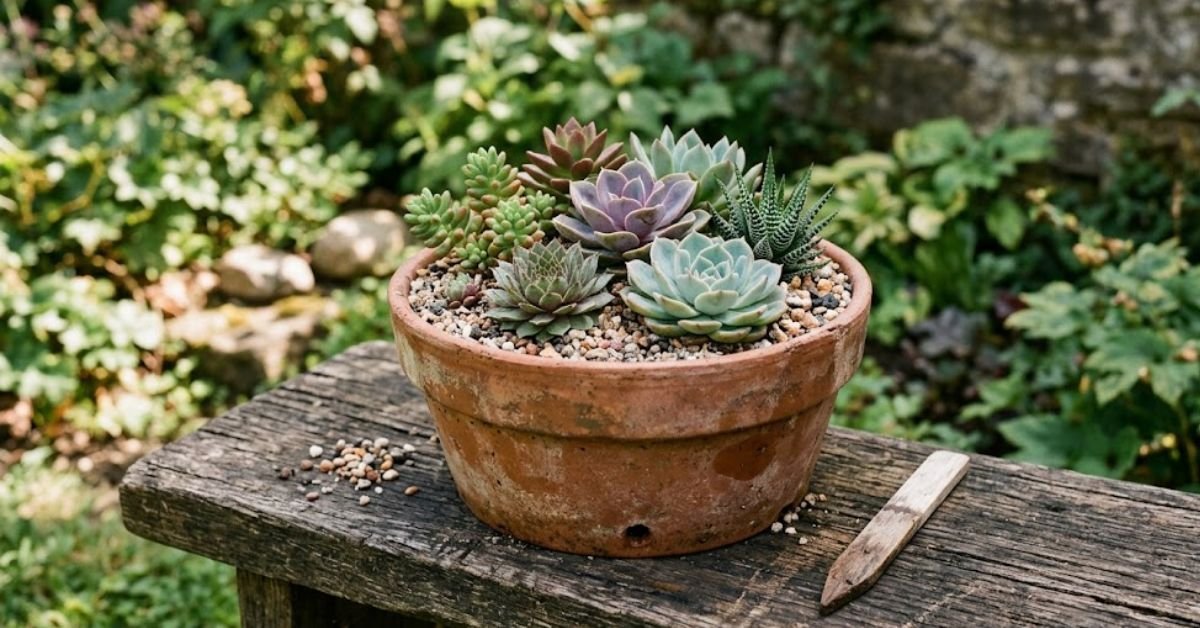
Succulents are everywhere right now. They sit on Target desks, kitchen windowsills, and patio tables all across the country, but let’s be honest for a second: a lot of people struggle with how to plant succulents so they actually stay alive.
I’ve spent over fifteen years working in greenhouses and homes across various USDA hardiness zones. In my years of handling these fleshy little plants, I’ve noticed that most folks accidentally kill them with kindness. Planting them isn’t hard, but you have to unlearn a few traditional gardening habits to get it right.
Here is exactly how to plant succulents so they survive the transition into your home or garden.
Quick Care Guide for Succulents
| Care Factor | Requirements |
| Light | 6+ hours of bright, direct sunlight daily |
| Watering | “Soak and dry” method (only when soil is bone dry) |
| Best Soil | Gritty, fast-draining cactus and succulent mix |
| Container | Terracotta or ceramic with drainage holes |
| Temperature | Ideal: 60°F – 80°F (Protect from frosty winters) |
Choosing Your Dirt and Container for Succulent Planting
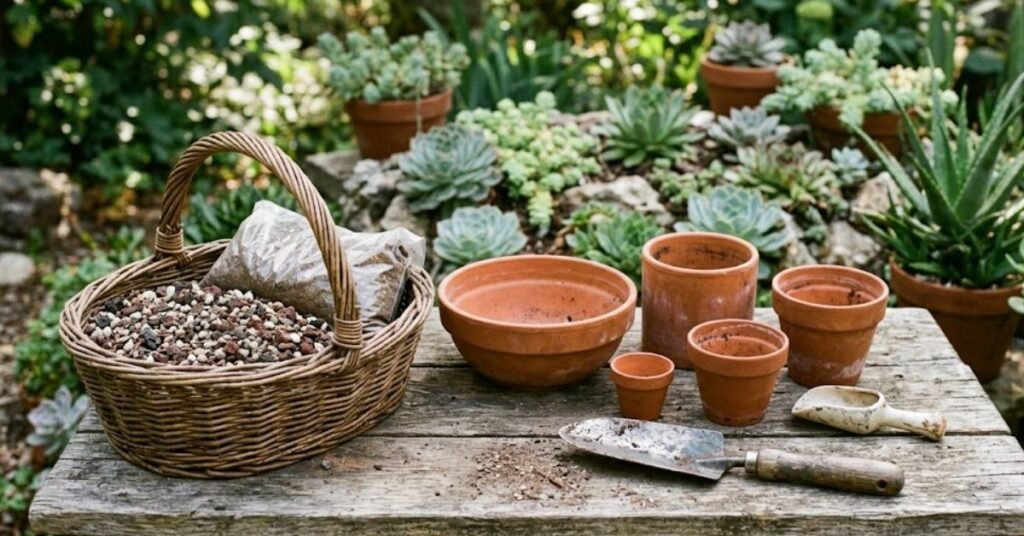
If you plant a succulent in regular garden soil or standard moisture-retaining potting soil, it will probably die. I can’t stress this enough. Succulents hate having wet feet.
When you are figuring out how to plant succulents, your absolute best friend is drainage. I always opt for unglazed terracotta pots. Terracotta is porous, meaning it breathes and helps pull excess moisture out of the dirt. Whatever pot you pick, look underneath it. If there isn’t a drainage hole at the bottom, put it back or grab a drill.
For the soil, head to your local garden center and buy a dedicated cactus and succulent potting soil.
Personal Pro-Tip: Standard store-bought succulent mix is still a bit too heavy out of the bag for my liking. I always mix it 50/50 with perlite or coarse sand. This creates giant air pockets that let water flush straight through, mimicking their native rocky desert environments.
Step-by-Step: How to Plant Succulents the Right Way
Now for the actual process. Spring or early summer is the prime time for this because the plants are actively growing and adapt quickly to their new homes.
[Bare Root Succulent] ➔ [Place in Empty Terracotta Pot] ➔ [Fill Around with Gritty Mix] ➔ [Wait 1 Week] ➔ [Water Deeply]
First, gently remove the plant from its original plastic nursery pot. Squeeze the sides of the container to loosen the root ball. Don’t just yank it by the stem.
Once it’s out, brush away the old, compacted nursery soil from the roots. We want those roots free and clear to touch our new, gritty soil mix. Inspect the roots while you are at it. Healthy roots look white or light brown; mushy black ones are a bad sign.
Fill your new pot about halfway with your gritty potting soil. Center the plant, then gently fill in the gaps around the edges. Don’t bury the leaves—only the roots and the very base of the stem should be underground. Press the soil down gently with your fingers just to anchor the plant, but don’t pack it tight like brick mortar.
Personal Pro-Tip: Do not water the plant immediately after potting it. This runs counter to everything we do with normal house plants, I know. Moving a plant causes micro-tears in the roots. If you pour water from the faucet onto torn roots right away, bacteria can enter and cause rot. Give it five to seven days to heal before its first deep drink.
What Most Americans Get Wrong When Growing Succulents
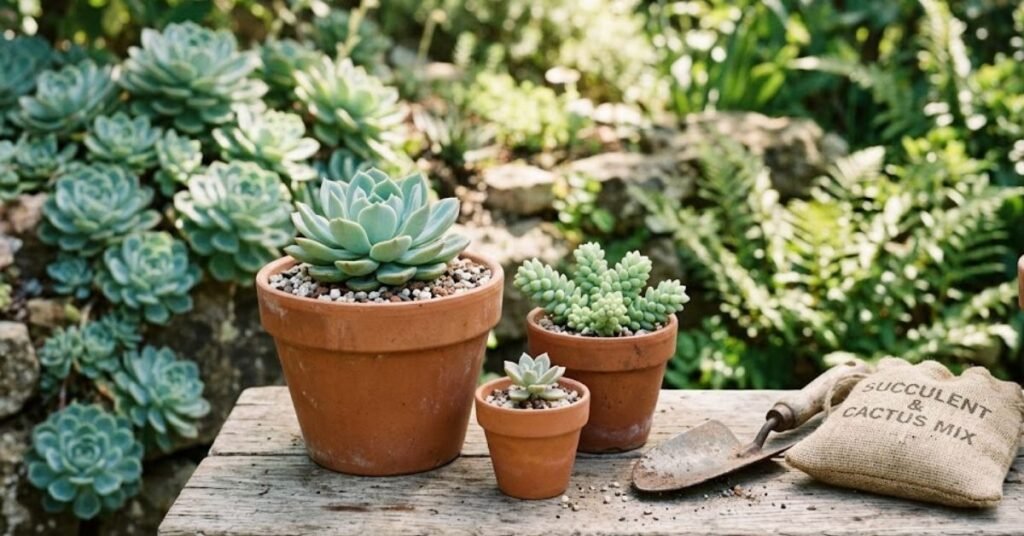
We love our climate control, but our houses can actually be quite hostile to desert plants.
The biggest silent killer in American homes is the air conditioning vent. I’ve visited countless clients who couldn’t figure out why their indoor plants were dropping leaves, only to find the container sitting directly in the path of a freezing AC draft. It shocks the plant. Keep them clear of vents.
Another classic issue is the “ice cube watering” myth that circulates online. Giving your plant a tiny sip of water or a single ice cube every week ensures the roots at the bottom of the pot never actually get a drink, while keeping the top layer perpetually damp. It’s the worst of both worlds.
Instead, soak the soil thoroughly under the kitchen faucet until water pours out of the bottom drainage hole, then leave it completely alone until the dirt is dry all the way through.
Personal Pro-Tip: If your home stays cool and humid because of heavy AC use in the summer, your soil will take longer to dry out. Always poke your finger deep into the pot, or use a cheap wooden chopstick, to verify the soil is dry to the very bottom before watering again.
Troubleshooting Common Succulent Planting Mistakes
Plants talk to us through their leaves. You just need to know how to read them.
Yellow, Mushy, or Translucent Leaves
This is a classic sign of overwatering. The plant has taken in so much water that its cell walls are literally bursting. Stop watering immediately. If the stem is still firm, pull off the ruined leaves and let the whole setup dry out completely for a few weeks.
Wrinkled, Puckered, or Crispy Leaves
Your plant is thirsty. Succulents store water in their fleshy leaves for a rainy day. When they run dry, they start consuming their own reserves, causing the leaves to shrivel. Give it a deep, thorough soak. They usually plump right back up within 24 to 48 hours.
Tall, Stretched, and Leggy Stems
If your compact rosette starts looking like a weirdly tall vine with wide spaces between the leaves, it’s begging for sunlight. This is called etiolation. Move it closer to a south- or west-facing window where it can get real sun.
Personal Pro-Tip: If your plant gets incredibly leggy, you can “behead” it. Cut the top rosette off with clean shears, let the cut end dry out and callous over for three days, then stick it right back into fresh soil. It will grow brand new roots!
Safety First: A Note on Pet Toxicity
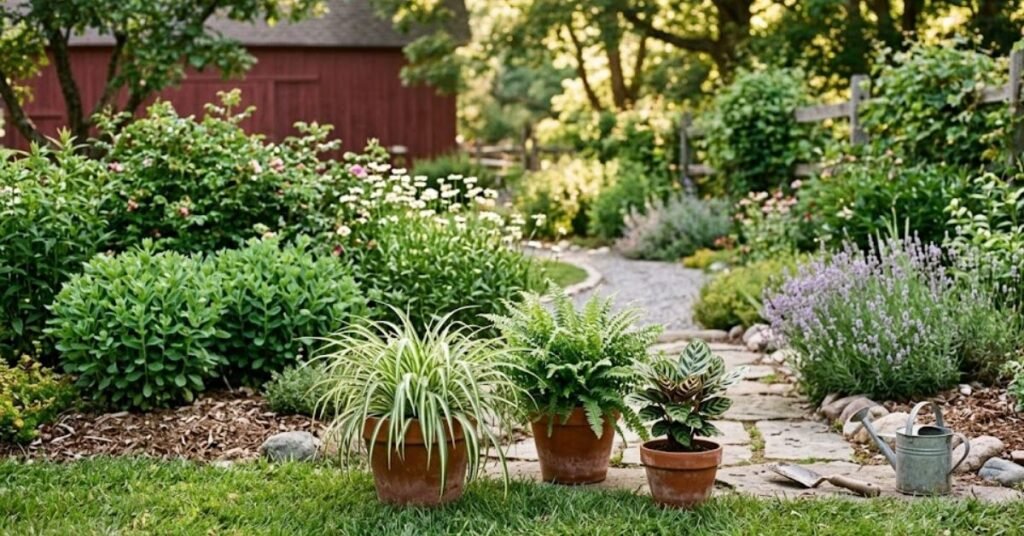
Before you fill your home with greenery, you need to consider your furry housemates.
Many common varieties like Echeveria, Sempervivum (Hens and Chicks), and Haworthia are entirely non-toxic to cats and dogs. They might get a mild stomach ache if they chew on them, but they aren’t poisonous.
However, some very popular choices are highly toxic. The Jade plant (Crassula ovata), Aloe Vera, and Kalanchoe varieties can cause vomiting, lethargy, and heart rate issues if ingested by pets. Always verify the specific botanical name before putting a new plant within reach of a curious dog or cat.
Personal Pro-Tip: If you absolutely love Jade plants but have a cat that likes to chew greenery, use hanging wall planters or high floating shelves to keep the toxic varieties completely out of the jump zone.
Frequently Asked Questions
Q1: How do I know if my succulent needs to be repotted?
If you see roots growing wildly out of the bottom drainage hole, or if the plant has grown so wide that it completely blocks the top of the container making it impossible to water, it is time for a larger home.
Q2: Can succulents survive outside during a northern winter?
It depends entirely on the variety and your USDA Hardiness Zone. Most tropical options will die if the temperature drops below 40°F. However, cold-hardy varieties like Sempervivum can easily survive freezing winter snows outside in Zone 4 if planted in ground that drains beautifully.
Q3: How much sunlight do indoor succulents actually need?
They need a lot. Ideally, aim for six hours of bright light. A window facing south or west is usually your best bet in the United States. If your apartment only has dim, north-facing windows, you will likely need to buy a small LED grow light to keep them happy.
Q4: Should I mist my succulents with a spray bottle?
No, please don’t do this. Misting creates a humid environment right around the leaves, which can invite fungal diseases and rot. They want dry air and dry leaves, paired with occasional deep root watering.
Q5: Can I plant multiple different succulents together in one pot?
Yes, but make sure they share the same care requirements. Mix plants that all want full sun and minimal water together. Do not mix a shade-loving Haworthia in the same bowl as a sun-worshipping desert cactus, or one of them will suffer.
Q6: Why are the lower leaves on my succulent drying up and falling off?
If it’s just the very bottom leaves turning brown and crispy while the top of the plant looks vibrant and new, this is totally normal. It’s just the natural aging process as the plant grows upward. Simply gently pluck the dead leaves off and discard them.
Q7: What is the best way to propagate a succulent?
You can easily grow new ones from single leaves. Gently twist a healthy leaf off the stem, ensuring a clean break. Lay it flat on top of some dry soil out of direct sunlight. In a few weeks, tiny pink roots and a miniature baby plant will sprout from the base of the leaf.
Final Thoughts
Learning how to plant succulents successfully comes down to patience and restraint. Give them the right gritty dirt, a pot that drains, plenty of sunshine, and don’t fuss over them with constant watering. Once you get the hang of letting the soil dry out completely, you’ll find these resilient little desert plants are some of the easiest, most rewarding green companions you can keep in your home.

Amin Khalid is a professional horticulturist and the founder of LeafyWisdom. With a deep passion for home gardening and horticultural research, he specializes in providing practical, easy-to-follow care guides for indoor plants. Amin’s goal is to simplify gardening for everyone and help fellow plant lovers build their own thriving green spaces.

No responses yet