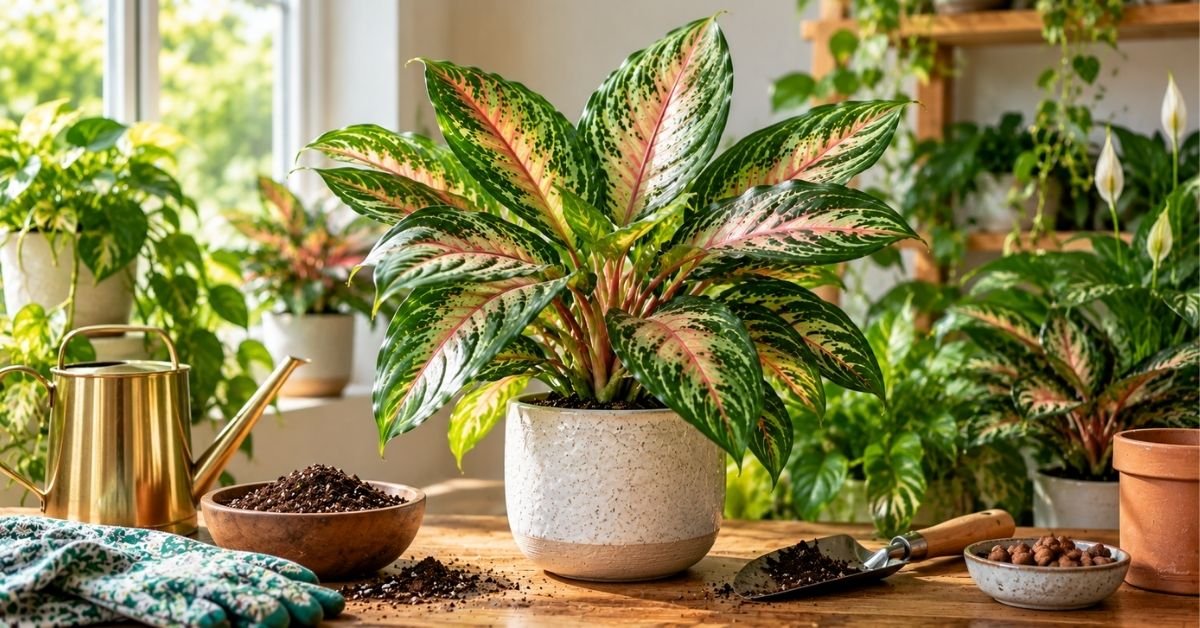
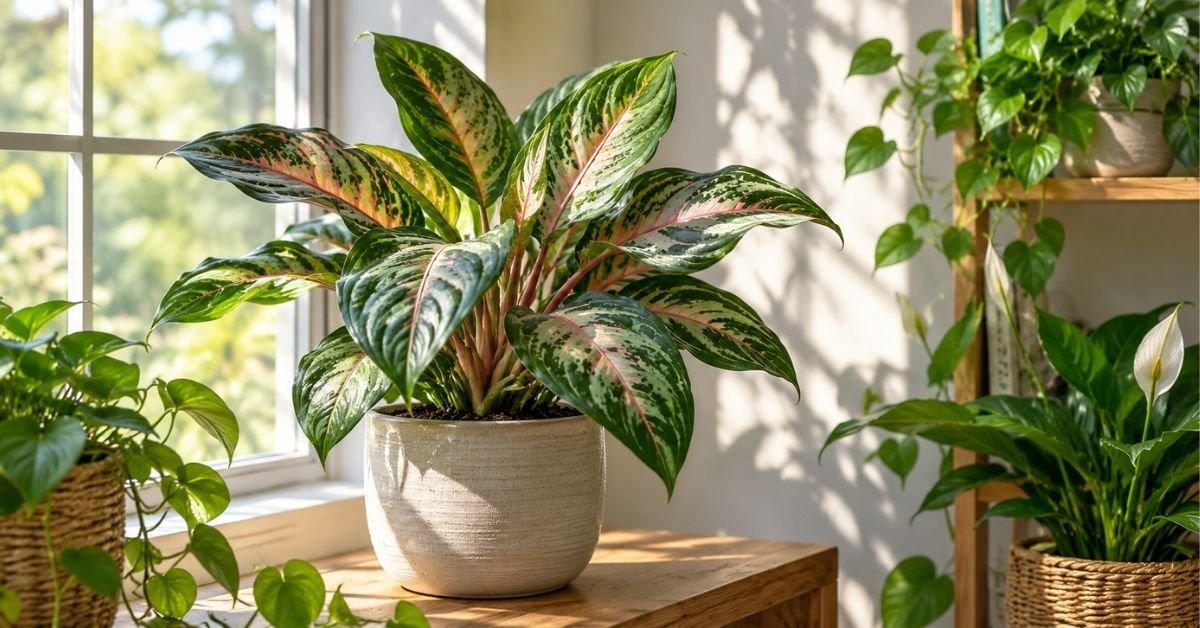
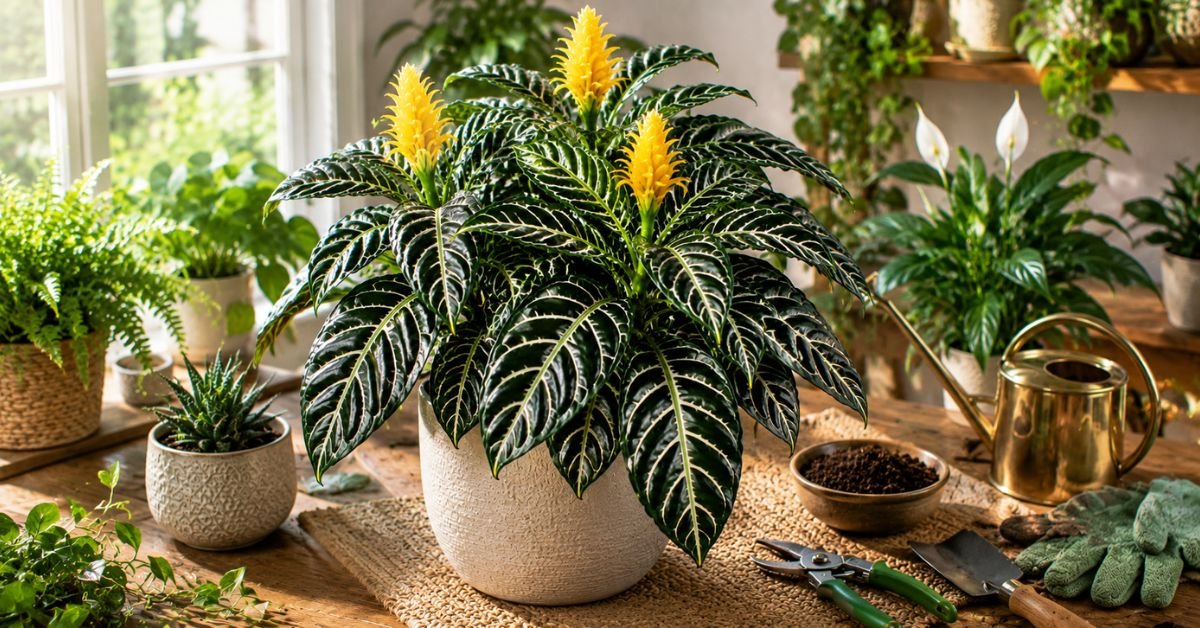
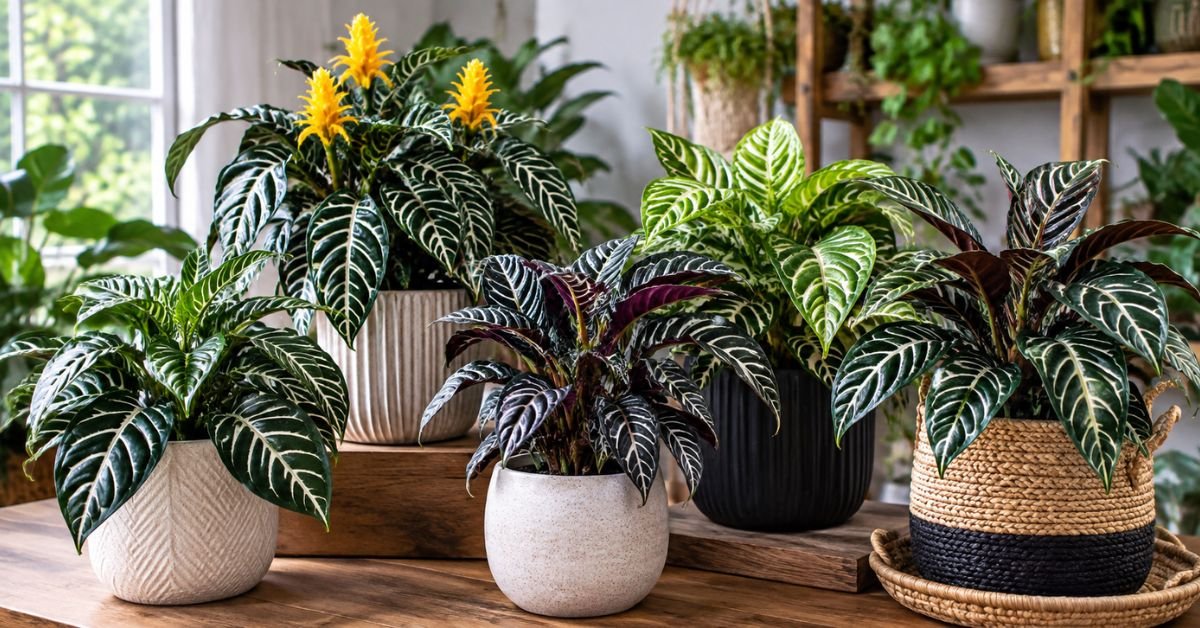
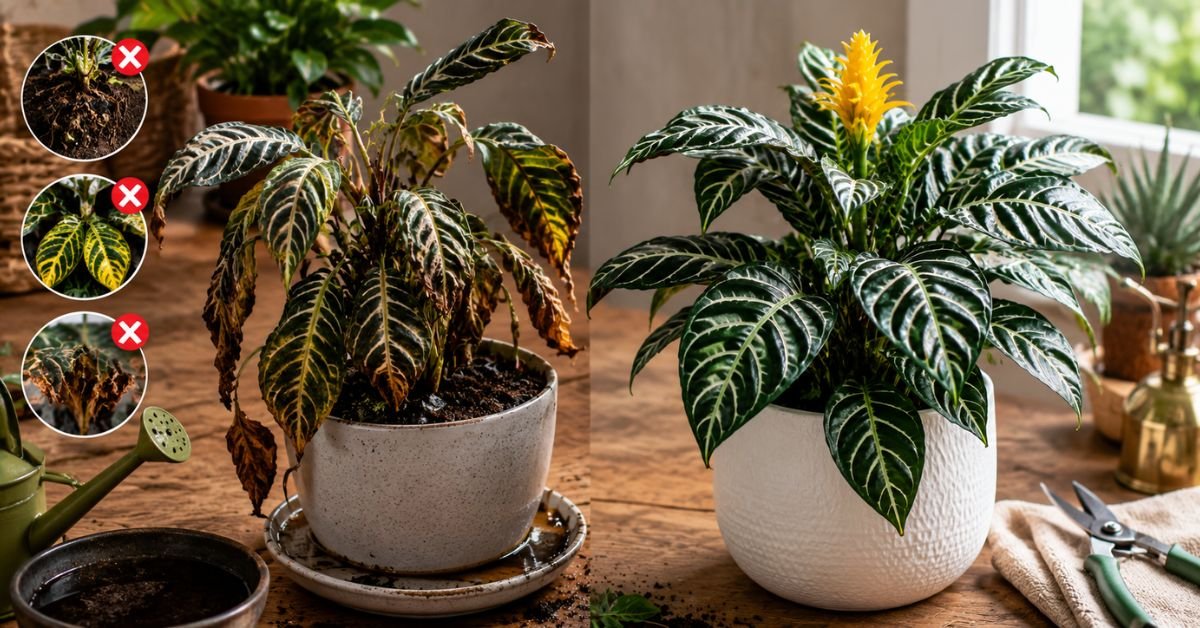
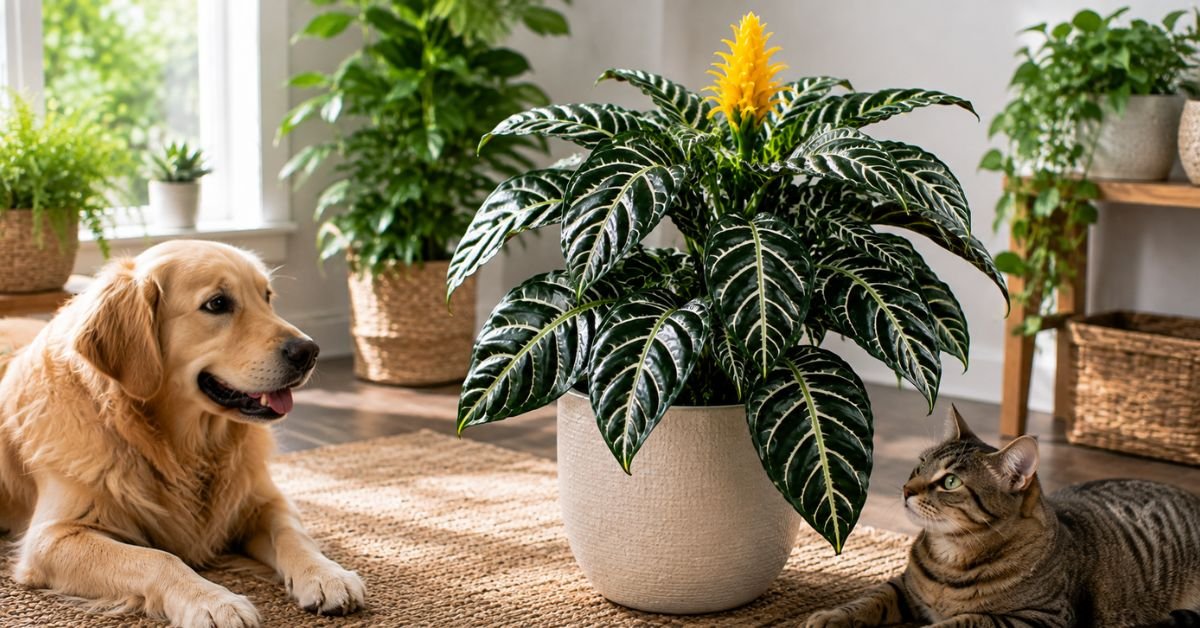
An aglaonema plant, commonly known as a Chinese Evergreen, is a low-maintenance tropical houseplant known for its striking, colorful foliage and its ability to tolerate low light conditions.
If you want a houseplant that looks incredibly exotic but is actually very forgiving, this is the one. I have grown dozens of these plants over my years as a horticulturist. They are easily one of the most reliable plants for the typical American home. Unlike demanding tropicals that require you to turn your living room into a humid jungle, the aglaonema adapts beautifully to our dry, air-conditioned spaces.
Here is exactly what you need to know to make your aglaonema flourish.
Quick Care Summary for the Aglaonema Plant
Care Factor
My Expert Recommendation
Light Requirements
Low to bright indirect light. Red or pink varieties need more light to keep their color.
Watering Schedule
Water when the top 2 inches of soil dry out. Usually every 1 to 2 weeks.
Ideal Soil
Well-draining indoor potting soil mixed with perlite.
Temperature
65°F to 80°F. Keep away from AC vents and drafty winter windows.
Toxicity
Toxic to cats, dogs, and humans if ingested.
USDA Hardiness
Zones 10a to 11b (Outdoors only in tropical climates).
Light Requirements for Aglaonema Plants
Understanding the light needs of your aglaonema plant comes down to looking at its leaves.
If you own a classic dark green variety like the ‘Silver Bay’, you have hit the low-light jackpot. These green varieties can survive in a dim north-facing window or an office with nothing but fluorescent overhead lights. They will grow slowly, but they will survive.
However, the rules change entirely if you own a colorful variety. Plants like the ‘Siam Aurora’ or ‘Red Valentine’ feature bright pink, red, or white variegation. These colorful aglaonema plants require bright, indirect light to maintain their vivid patterns. If you put a bright pink plant in a dark corner, it will start producing purely green leaves to overcompensate for the lack of sunlight.
Place your colorful varieties near an east-facing or west-facing window. You just need to make sure the harsh afternoon sun does not hit the leaves directly. Direct sunlight will scorch the foliage and leave permanent brown burn marks.
Personal Pro-Tip: I always rotate my aglaonema plant a quarter-turn every time I water it. Plants naturally reach toward the light source. If you never rotate the pot, your plant will eventually grow completely lopsided.
How Often Should You Water Your Chinese Evergreen?
Watering is where most people go wrong. The aglaonema prefers to dry out slightly between waterings.
You should wait until the top 2 to 3 inches of the potting soil are completely dry before you give it a drink. Depending on the season and your home environment, this usually translates to watering every 7 to 10 days in the spring and summer. During the winter, when the plant enters a dormant phase and the days are shorter, you might only need to water it every two weeks.
When you do water, water thoroughly. Take the plant to the sink and pour water over the soil until it runs freely out of the drainage holes at the bottom of the pot.
Be cautious about the water you use. Many city water supplies in the US treat faucet water with fluoride and chlorine. Aglaonema plants are highly sensitive to these chemicals. If you notice the tips of your leaves turning brown and crispy, your faucet water is likely the culprit.
Personal Pro-Tip: I fill up my watering can the night before I plan to water my plants. Leaving the water sitting out overnight allows a lot of the chlorine to evaporate. If your plant is still getting brown tips, switch to distilled water or collect rainwater.
Best Potting Soil and Fertilizer for Aglaonema Growth
Aglaonema plants are susceptible to root rot if they sit in soggy, heavy dirt. You need a potting soil that drains quickly but holds just enough moisture to keep the roots hydrated.
Do not use straight garden dirt or heavy compost. Instead, use a high-quality indoor potting soil. I like to create a custom mix for my Chinese Evergreens. I mix 3 parts standard indoor potting soil with 1 part perlite and 1 part orchid bark. The perlite and bark create tiny air pockets in the soil. This allows oxygen to reach the roots and lets excess water drain away quickly.
As for fertilizer, these plants are light feeders. You only need to fertilize them during their active growing season in the spring and summer. Use a balanced, water-soluble liquid houseplant fertilizer diluted to half-strength. Apply it once a month from April through August. Stop fertilizing entirely in the fall and winter.
Personal Pro-Tip: If you see a white, crusty buildup on the surface of your potting soil, you are over-fertilizing. That crust is salt buildup from the fertilizer. Flush the soil by running pure water through it for a few minutes to wash the salts away.
Common Mistakes When Growing an Aglaonema Plant
Even though the Chinese Evergreen is tough, our modern home environments can create invisible hazards for them.
The biggest mistake I see American indoor gardeners make is placing their aglaonema near climate control vents. We love our central air conditioning in the summer and forced-air heating in the winter. Your plant hates both.
Aglaonema plants are tropical. They despise sudden temperature drops and cold drafts. If your plant sits directly in the path of an AC vent, the cold, dry air will cause the leaves to droop and eventually drop off. Keep your plant in a spot where the temperature stays consistently between 65°F and 80°F.
Another major mistake is ignoring the dust. The large, wide leaves of an aglaonema plant act like giant dust catchers. A thick layer of dust blocks sunlight and prevents the plant from photosynthesizing properly. Wipe the leaves down with a damp microfiber cloth once a month.
Personal Pro-Tip: Never use commercial leaf shine sprays on an aglaonema. Those sprays clog the tiny pores on the leaves. Just use plain water and a soft cloth to keep them clean.
Troubleshooting Your Chinese Evergreen Plant
Plants communicate through their leaves. When something goes wrong, the foliage will tell you exactly what you need to fix.
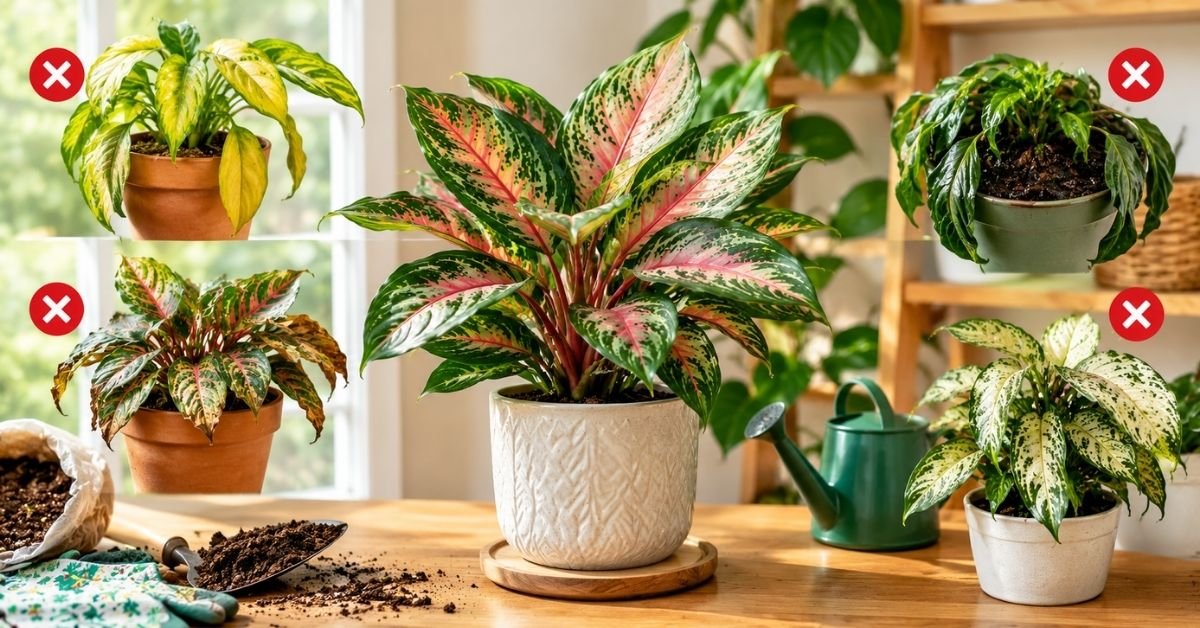
Why are my aglaonema leaves turning yellow?
Yellow leaves are almost always a symptom of overwatering. If the lower, older leaves are turning yellow and mushy, check the soil. If it feels wet, stop watering immediately. Let the plant dry out completely. If the soil smells like rotting eggs, you likely have root rot and will need to repot the plant in fresh, dry potting soil.
Why are the tips of the leaves turning brown and crispy?
This is usually caused by a lack of humidity or a reaction to the minerals in your faucet water. Try moving the plant away from heaters and switching to filtered or distilled water.
Why are the stems getting long and leggy?
If your plant looks stretched out with large gaps between the leaves, it is desperate for light. The plant is literally reaching out trying to find the sun. Move it to a brighter location.
Why is my colorful aglaonema turning green?
The plant is not getting enough light. Red, pink, and white variations need bright indirect light to maintain their color. Move it closer to a window.
Personal Pro-Tip: It is completely normal for a plant to occasionally drop its oldest bottom leaf as it grows new leaves at the top. If just one old leaf turns yellow and dies, do not panic. Pluck it off and let the plant keep growing.
Toxicity Warning for Aglaonema Plants
Before you bring a Chinese Evergreen into your home, you must consider the safety of your pets and children.
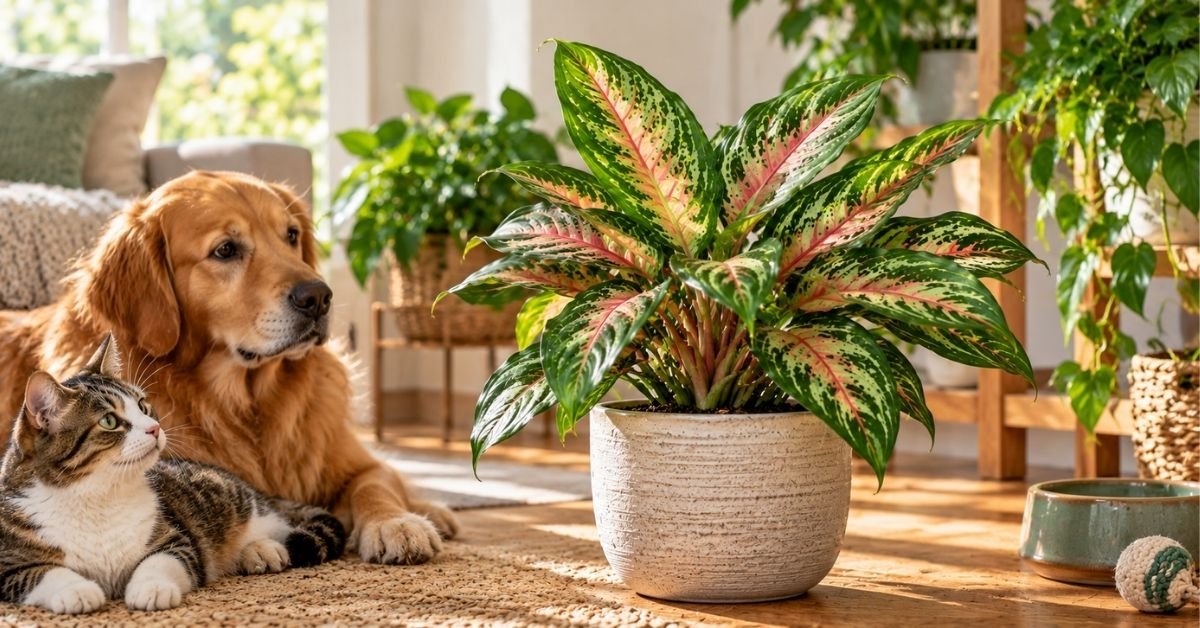
The aglaonema plant is toxic to cats, dogs, and humans. According to the ASPCA database, these plants contain insoluble calcium oxalate crystals. If a pet or a child chews on the leaves or stems, these microscopic crystals act like tiny needles.
Ingestion will cause intense burning and irritation in the mouth, lips, and tongue. It can also lead to excessive drooling, vomiting, and difficulty swallowing.
Personal Pro-Tip: If you have curious cats who like to chew on foliage, place this plant on a high shelf out of their reach. If you suspect your pet has eaten part of this plant, call your local veterinarian or an animal poison control center immediately.
Frequently Asked Questions About Chinese Evergreens
Q1: Can I put my aglaonema plant outside?
You can only keep this plant outdoors year-round if you live in USDA Hardiness Zones 10a to 11b. In other zones, you can move it to a shaded patio during the summer, but you must bring it indoors before temperatures drop below 60°F.
Q2: Should I mist my Chinese Evergreen?
Misting does not significantly raise the humidity in a room and can actually encourage fungal diseases on the leaves. A humidifier is a much better tool for adding moisture to the air.
Q3: How fast does an aglaonema grow?
They are generally slow to moderate growers. You can expect it to push out a few new leaves every month during the spring and summer growing season.
Q4: How do I propagate an aglaonema?
The easiest way is through stem cuttings. Cut a healthy stem right below a node, place the cutting in a glass of water, and wait for roots to develop over a few weeks before planting it in soil.
Q5: Does this plant bloom?
Yes. Mature plants will occasionally produce a small flower that looks like a pale green or white spathe. The flowers are not very impressive, and many people cut them off so the plant focuses its energy on growing leaves.
Q6: Does an aglaonema like to be root bound?
They do not mind being slightly snug in their pots. You usually only need to repot them every two to three years when the roots start poking out of the bottom drainage holes.
Q7: Can this plant grow in just water?
Yes. You can grow an aglaonema cutting in a vase of water indefinitely. You will just need to change the water weekly and occasionally add a few drops of liquid fertilizer to provide nutrients.
Final Thoughts on Growing Your Aglaonema Plant
Growing an aglaonema is an incredibly rewarding experience. They ask for very little but give back beautiful, lush foliage year-round. Start with a classic green variety if your home is dark, or try a vibrant red one if you have a great sunny window. Follow the basic watering rules, keep them away from your AC vents, and you will have a beautiful companion for years.
Have you tried growing a Chinese Evergreen in your home yet? Let me know about your experience in the comments below, or drop a question if you are struggling with brown tips or yellow leaves. I would love to help you get your plant back on track!
Amin Khalid is a professional horticulturist and the founder of LeafyWisdom. With a deep passion for home gardening and horticultural research, he specializes in providing practical, easy-to-follow care guides for indoor plants. Amin’s goal is to simplify gardening for everyone and help fellow plant lovers build their own thriving green spaces.
Successful plant care comes down to replicating a species’ native microclimate inside your living space by balancing light, water, potting soil, humidity, and airflow. Indoor plant care does not require a natural green thumb. It requires understanding how household environments (like summer air conditioning or winter central heat) affect soil moisture and foliage. As a professional horticulturist who has managed both commercial greenhouses and residential interiorscapes across USDA Hardiness Zones 5 through 8, I can tell you that most indoor plants die from over-attention rather than neglect. By learning to read your plant’s physical signals instead of following a rigid calendar schedule, you can keep virtually any houseplant flourishing year-round.
Quick-Reference Houseplant Care Guide
Care Factor
Optimal Condition
Physical Signal to Watch For
Quick Solution
Light
Bright, indirect sunlight (3 to 6 feet from an East or South window)
Pale foliage, slow leaf expansion, leggy stems
Move closer to natural window light or add a grow bulb
Watering
Allow top 2 inches of potting soil to dry out between waterings
Allow soil to dry out completely; verify pot has drainage
Humidity
45% to 60% relative humidity
Brown, crispy leaf margins or curled leaf edges
Group plants together or run a cool-mist humidifier
Temperature
65°F to 75°F (shield from direct drafty AC vents)
Sudden leaf dropping or droopy stems
Shift pot away from active HVAC vents and exterior doors
Potting Mix
Airy potting soil enriched with perlite and bark
Standing surface water, soil stays wet past 10 days
Repot into fresh, chunky mix with proper pot drainage
The Foundations of Indoor Plant Care in American Homes
Living spaces across the United States present distinct challenges for plant care. In my years consulting on indoor landscapes, the biggest obstacle growers face isn’t light. It is HVAC systems. Central air conditioning pulls moisture out of the air during hot summer months. Forced-air heating dries out interior rooms all winter long.
Understanding your home’s unique climate is essential. A plant sitting three feet from a south-facing window in Florida (USDA Zone 10) experiences vastly different heat intensity than the exact same plant in a Seattle apartment (USDA Zone 8).
Outside environmental conditions dictate indoor room dynamics. During winter months across Northern states, indoor humidity routinely drops below 20%. That is drier than most desert habitats. Recognizing how these seasonal shifts impact soil drying times is the foundation of long-term success.
Personal Pro-Tip: Don’t trust your eyes when judging light levels. Download a free light-meter app on your phone to measure Foot-Candles directly at leaf level. Most popular tropical houseplants require between 200 and 800 Foot-Candles to create energy effectively.
Mastering Houseplant Lighting and Exposure
Light powers photosynthesis. Without adequate light, adjusting water or applying fertilizer will not save a declining plant.
South-Facing Windows
South exposures offer the strongest, most direct sunlight throughout the day. Cacti, succulents, and bird of paradise thrive in this spot. For tropical foliage like Monstera or Pothos, filter this harsh light with a sheer curtain to protect delicate leaf tissue from sunburn.
East-Facing Windows
This is my personal favorite spot for indoor plant care. East windows provide gentle morning sunlight that won’t scorch leaves, followed by bright indirect light for the rest of the day. Aroids, ferns, and calatheas do remarkably well near eastern glass.
West-Facing Windows
West windows deliver intense afternoon heat and strong light during summer months. Keep moisture-sensitive foliage slightly backed away from the window pane to protect leaves from thermal stress.
North-Facing Windows
North windows provide low to medium indirect light. Position resilient species here, such as Snake Plants, ZZ Plants, and Cast-Iron Plants.
Personal Pro-Tip: Dust acts as a literal sunblock on leaves. Wipe down foliage once a month with a soft microfiber cloth dampened with lukewarm water. Clean leaves absorb light much better and help keep pest populations low.
How to Master Houseplant Watering Without Root Rot
Overwatering causes roughly 80% of houseplant failures in American homes. When growers hear “overwatering,” they usually think it means giving a plant too much liquid at once. In reality, overwatering means watering too frequently, which deprives the root zone of oxygen.
Plant roots need oxygen just as much as they need moisture. When potting soil remains constantly waterlogged, beneficial soil oxygen is displaced, allowing anaerobic rot fungi to take over.
Discard calendar-based watering routines immediately. Never water a plant simply because it is “Watering Wednesday.” Soil dries out at varying speeds depending on ambient room temperature, humidity levels, pot material, and current season.
The 2-Inch Finger Test
Insert your index finger two inches deep into the potting soil. If the soil feels cool and damp, leave it alone for a few more days. If it feels dry, apply water thoroughly until liquid flows freely out of the container’s bottom drainage holes.
Tap water chemistry varies widely across US municipal systems. If your city tap water contains high levels of dissolved minerals, chlorine, or fluoride, sensitive houseplants like Spider Plants and Marantas can develop burnt leaf tips. Running water through a standard pitcher filter or letting tap water sit overnight helps reduce stress on delicate root systems.
Personal Pro-Tip: Always empty standing water from pot saucers 20 minutes after watering. Letting a pot sit continuously in a tray of runoff forces roots to reabsorb stagnant moisture, leading to suffocation.
Potting Soil Mixes and Container Care Essentials
Heavy garden soil from your yard should never be used inside a houseplant container. Native garden soil is far too dense, packs tightly inside pots, retains too much moisture, and lacks aeration.
For successful houseplant care, use a airy, well-draining potting soil mix. Standard tropical plants do best in a mixture containing 60% high-quality peat moss or coconut coir, 20% perlite for root aeration, and 20% coarse orchid bark for structural drainage.
Container Materials Matter
Terracotta Pots: Unglazed porous clay breathes easily, allowing air and moisture to pass through container walls. Terracotta is ideal for succulents, cacti, and growers who tend to overwater.
Plastic and Ceramic Pots: Non-porous materials lock in soil moisture much longer. These containers work well for ferns, calatheas, and other moisture-loving tropical species.
Regardless of aesthetic design, every pot must feature functional drainage holes at the base. Growing plants in closed containers without drainage is an unnecessary risk that almost always results in stagnant water accumulation.
Personal Pro-Tip: When upgrading pot size, only increase the container diameter by 1 to 2 inches. Placing a small plant into a massive pot creates a surrounding ring of excess soil that stays soggy for weeks, inviting fungal issues.
Avoiding Common Houseplant Care Mistakes
Even dedicated plant owners make subtle environmental mistakes. Here are four widespread habits that cause issues in American living rooms:
Positioning Pots Near Active HVAC Vents: Cold air blasts from central AC units or scorching heat currents from radiator vents dehydrate leaf tissue rapidly. Maintain at least a four-foot buffer between plants and HVAC airflow.
Fertilizing Unhealthy or Dormant Plants: Fertilizer provides structural building blocks, not medicinal cures. Applying synthetic fertilizers to a struggling or dormant plant causes chemical root burn. Apply fertilizer only during active spring and summer growth phases.
Repotting Immediately After Purchase: Bringing a plant home from a greenhouse nursery causes environmental adjustment stress. Allow your new purchase to acclimate to your home’s natural light and humidity levels for 3 to 4 weeks before changing its pot or soil.
Ignoring Seasonal Environmental Shifts: Plant care must adapt as seasons change. Sunlight duration drops during late autumn and winter, causing plant metabolism to slow. Reduce watering frequency and suspend fertilizer routines until spring returns.
Personal Pro-Tip: Cut recommended commercial fertilizer concentrations in half. University extension services frequently highlight that home growers tend to over-apply nitrogen fertilizers, which results in weak stem growth and leaf margin burn.
Houseplant Troubleshooting: Fix Yellow Leaves and Brown Tips
Your plants communicate their needs through visual leaf cues. Learning to read these physical signs allows you to correct environmental stress before it becomes severe.
Symptom: Lower Foliage Turning Yellow
Primary Cause: Chronic overwatering, poor drainage, or oxygen-starved roots.
Solution: Inspect the root system immediately. Healthy roots feel firm and look white or light tan; rotted roots appear dark, feel mushy, and smell foul. Trim away damaged roots and repot into fresh, aerated potting soil.
Symptom: Crispy Brown Leaf Edges
Primary Cause: Low room humidity, underwatering, or mineral salt accumulation from tap water.
Solution: Boost ambient room moisture using a cool-mist humidifier or group several plants together. Switch to filtered water or collected rainwater if your local tap water is heavily chlorinated.
Drooping or Wilting Stems
Primary Cause: Extreme underwatering (dry soil) or severe root damage from overwatering (roots lose ability to transport water).
Solution: Touch the soil. If bone dry, give the pot a deep bottom-soaking. If saturated, inspect for root issues.
Common Houseplant Pests
Fungus Gnats: Small flies crawling near soil. Allow topsoil to dry out thoroughly between waterings, and treat soil with Bacillus thuringiensis israelensis (BTI) or an organic neem drench.
Spider Mites: Fine webbing visible on leaf undersides. Wash foliage under a warm kitchen faucet and treat surfaces with insecticidal soap.
Mealybugs: White cottony spots along stem nodes. Touch individual pests with a cotton swab soaked in 70% isopropyl rubbing alcohol to dissolve their protective wax coating.
Personal Pro-Tip: Isolate every new houseplant purchase in a separate room for two weeks. This simple quarantine practice stops hidden pests like spider mites or thrips from transferring onto your established plant collection.
Pet Safety and Houseplant Toxicity Guidelines
If your home includes curious cats or dogs, checking plant toxicity is a required safety measure. According to ASPCA animal poison control records, chewing common houseplants can trigger symptoms ranging from mild drooling to dangerous systemic distress.
High-Risk Toxic Houseplants
True Lilies (Lilium and Hemerocallis species): Severe toxin hazard for cats; ingestion of tiny amounts of plant tissue, pollen, or vase water can cause acute kidney failure.
Philodendrons, Pothos, and Monstera: Contain sharp calcium oxalate crystals that cause immediate mouth burning, excessive drooling, and swallowing difficulty if chewed.
ZZ Plant (Zamioculcas zamiifolia) and Snake Plant (Sansevieria): Contain mild-to-moderate systemic irritants including saponins.
Personal Pro-Tip: If dogs or cats like digging in pot soil, cover the open soil surface with smooth river stones (at least 1.5 inches in size). This stops digging behavior without blocking soil airflow or water drainage.
Frequently Asked Questions About Houseplant Care
Q1: How often should I water my indoor plants?
Watering frequency depends entirely on lighting, room temperature, pot type, and season rather than a rigid calendar. Test the top 1 to 2 inches of potting soil with your finger, and water only when that layer feels completely dry.
Q2: Why are the tips of my houseplant leaves turning brown?
Crispy brown leaf tips generally indicate low relative room humidity, underwatering, or mineral salt build-up from hard tap water. Using a cool-mist humidifier or switching to filtered water usually fixes the issue.
Q3: What is the best light exposure for general indoor plant care?
Bright, indirect light near an East or South-facing window protected by a sheer curtain works best for most tropical foliage. It delivers essential photosynthetic energy without burning leaf tissue.
Q4: How do I know when a houseplant needs repotting?
Clear signs a plant needs a larger pot include roots growing out of drainage holes, water running straight through without soaking in, or top-heavy stems falling over. Plan repotting during active spring or summer growth.
Q5: Can I use tap water for all my indoor houseplants?
Most common houseplants tolerate municipal tap water, but sensitive varieties like Calatheas and Spider Plants react poorly to dissolved chlorine and fluoride. Filtered water or tap water left out overnight prevents leaf burn.
Q6: How do I eliminate small black flies around my plant soil?
Those small flies are fungus gnats, which multiply in constantly damp topsoil. Allow the top two inches of soil to dry out between waterings and treat with BTI mosquito bits to disrupt gnat larvae growth.
Q7: Do houseplants need fertilizer applications during winter?
No, most houseplants enter a period of slow growth or semi-dormancy during winter months due to reduced daylight hours. Pause all synthetic fertilizer applications from late autumn through winter to avoid root burn.
Final Thoughts
Successful indoor plant care isn’t about memorizing complex rules or expecting pristine foliage on every leaf. Plants are dynamic organisms that continually adjust to their immediate environment. When a leaf turns yellow or drops off, do not panic. Treat it as a helpful communication signal indicating a simple adjustment is needed in light exposure, soil moisture, or airflow.
Start with forgiving plant varieties, observe your foliage during regular weekly check-ins, and build your confidence over time. With a little patience and attention to basic environmental needs, you can maintain a resilient indoor garden that brings fresh green energy into your space for years to come.
Now I would love to hear from you: What is the main plant care struggle you are running into at home right now? Leave a comment below with your specific plant type and room setup, and let’s work through a solution together!
Amin Khalid is a professional horticulturist and the founder of LeafyWisdom. With a deep passion for home gardening and horticultural research, he specializes in providing practical, easy-to-follow care guides for indoor plants. Amin’s goal is to simplify gardening for everyone and help fellow plant lovers build their own thriving green spaces.
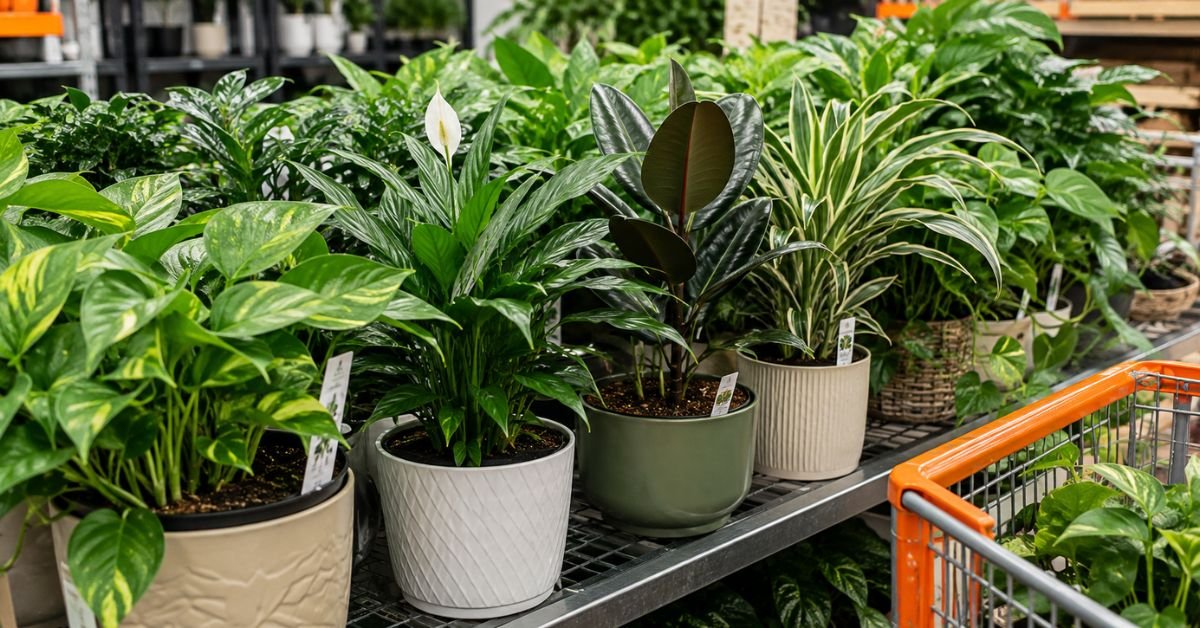
If you walk into your local big-box garden center on a Saturday morning, it is easy to feel overwhelmed by the sheer volume of greenery. Finding the best plants home depot offers comes down to knowing which species tolerate store conditions, how to spot healthy stock, and how to acclimate them to your living room or backyard. Based on years of browsing nursery racks across the US, the absolute top plant buys at Home Depot include Snake Plants, Pothos, ZZ Plants, and Monstera Deliciosa for indoor spaces, along with lavender, hostas, and marigolds for outdoor garden beds.
Buying greenery from a massive retailer saves money, but you need an expert eye. Retail garden centers move thousands of pots a week, meaning care can be inconsistent. Here is everything you need to know to walk out with long-lasting green companions rather than a week-long disappointment.
Quick Reference Table for Top Home Depot Plant Section Finds
Personal Pro-Tip: Always look at the plant tags to find the growers. Home Depot sources heavily from large domestic commercial nurseries like Costa Farms. If you see their branding on the pot, you are generally getting well-acclimated greenhouse stock that adapts faster to residential conditions.
The Best Indoor Plants to Buy at Home Depot
When I walk through the indoor plant nursery aisle at Home Depot, I look for resilient varieties that withstand drafty store floors and fluctuating lighting. Some houseplant varieties stand out as consistent winners.
1. Snake Plants (Sansevieria)
Snake plants are virtually indestructible. They handle low light, dry indoor air caused by central heating, and sporadic watering schedules without dropping leaves. The garden center usually stocks several sizes, from small 4-inch desk pots to large 10-inch floor specimens.
2. Golden Pothos (Epipremnum aureum)
If you want quick growth, Golden Pothos is your best bet. Their heart-shaped, variegated leaves trail beautifully down bookshelves or from hanging pots. They tolerate low light easily and will quickly let you know when they need water by wilting slightly, then popping right back up after a drink.
3. ZZ Plant (Zamioculcas zamiifolia)
The waxy, deep green leaves of a ZZ plant almost look fake, which speaks to their durability. They store water in underground rhizomes, making them extremely drought-tolerant. They do great in apartment rooms with small windows or homes where air conditioning runs constantly.
4. Monstera Deliciosa
For a bold statement, Home Depot frequently carries large, split-leaf Monsteras at prices significantly lower than boutique plant shops. They grow vigorously near bright, indirect windows and add an instant tropical feel to any home.
Personal Pro-Tip: Check the soil surface before putting a Monstera in your cart. Big leaf plants in high-traffic aisles often get watered on a rigid store schedule. If the soil feels like a wet sponge, leave it behind and pick one that sits in drier soil to avoid hidden root issues.
The Best Outdoor Plants at Home Depot for Your Garden
Selecting outdoor greenery requires matching your regional climate with the right species. Depending on your USDA Hardiness Zone, the seasonal nursery yard outside has great value buys if you shop at the right time.
1. Hostas (Shade Perennials)
Hostas are a classic choice for shady yard borders across USDA Zones 3 through 9. Home Depot carries basic, hearty cultivars like ‘Francee’ and ‘Patriot’ in early Spring. They return year after year, expanding in size without requiring high maintenance.
2. Lavender (Sun-Loving Perennial)
For sunny garden beds or patio containers, Spanish or English Lavender varieties sold in 1-gallon pots are fantastic value. They handle summer heat waves well once established in well-draining soil and attract local pollinators.
3. Marigolds and Petunias (Annual Color)
If you need immediate curb appeal, six-packs of annuals near the store entrance are inexpensive and tough. Planting marigolds around vegetable patches also helps deter common garden pests naturally.
Personal Pro-Tip: Buy outdoor perennials early in the season when new shipments arrive off the delivery trucks. Plants left outdoors in store parking lots during mid-summer heat spells suffer quick root stress if nursery staff miss a single watering cycle.
Common Mistakes When Buying Plants from Home Depot
Shopping at big-box retailers requires a slightly different approach than visiting a local specialty greenhouse. Avoid these common pitfalls to save money and hassle.
Grabbing plants straight off the clearance rack without inspecting: Discounted plants are often suffering from extreme root rot or pest issues. Unless you enjoy rehabilitating weak stock, stick to fresh inventory.
Ignoring the light levels in your home: Buying a sun-loving succulent for a dark hallway leads to weak, stretched growth. Match the plant to your actual window layout.
Repotting immediately after bringing them home: Plants experience stress when moving from a greenhouse to a retail store, and then to your home environment. Give your new purchase at least two weeks to settle in before disturbing its roots.
Forgetting to check underneath the leaves: Spider mites and mealybugs love hiding on the undersides of leaves or along stem joints.
Personal Pro-Tip: When bringing home a new purchase, quarantine it in a separate room away from your existing plant collection for about 7 to 10 days. This simple step stops any sneaky hitchhiking pests from spreading to your entire indoor garden.
How to Inspect Home Depot Houseplants Before Checking Out
A quick 30-second inspection saves you months of headache later. Here is my personal step-by-step checklist every time I pick up a pot.
Check Leaf Stems and Undersides: Look closely for small white cotton-like spots (mealybugs) or tiny webs (spider mites).
Inspect the Soil Moisture: Gently press your finger into the top inch of dirt. Avoid plants sitting in standing water inside decorative outer sleeves.
Examine Root Health: Lift the plastic nursery pot slightly. If thick, slimy brown roots are spilling out of the drainage holes, the plant is root-bound or overwatered. Look for firm, light-colored root tips instead.
Test Overall Stability: Give the main stem a very gentle wiggle. It should feel anchored securely in the potting soil, not loose or floppy.
Personal Pro-Tip: Pick plants that show fresh, small green leaves sprouting near the center or top. Active new growth proves the plant is actively developing and healthy despite the retail store environment.
Troubleshooting Issues with Home Depot Garden Center Plants
Even healthy-looking nursery purchases can act up once you bring them inside. Here is how to fix the most common issues fast.
Yellowing Leaves
Yellow leaves usually point to overwatering or soggy soil. Big store display racks often get hosed down daily regardless of individual plant needs. Pull the plant out of its pot, check for brown mushy roots, and let the potting soil dry out completely in a warm spot with gentle indirect light.
Brown Leaf Tips
Dry, crispy leaf edges usually mean low humidity or sensitivity to tap water minerals. Air conditioning units and central heaters dry out indoor air rapidly during US summers and winters. Group your plants together or use a small room humidifier to boost moisture levels naturally.
Drooping or Wilting Foliage
If the soil is dry and the leaves feel soft, the plant simply needs a deep soak. Place the nursery pot in a sink filled with a few inches of lukewarm water for 20 minutes so the roots absorb water from the bottom up.
Personal Pro-Tip: Let your tap water sit out in an open pitcher overnight before watering sensitive houseplants like Calatheas or Dracaenas. This helps chlorine dissipate, preventing those annoying brown leaf tips.
Toxicity Warnings and Pet Safety for Home Depot Plants
If you share your home with curious cats or dogs, pet safety is a top priority. According to data from the ASPCA Animal Poison Control Center, several popular retail houseplants contain insoluble calcium oxalates, which cause mouth irritation and digestive distress if chewed on.
Toxic to Pets: Snake Plants, Monstera Deliciosa, Pothos, and ZZ Plants should be kept out of reach of pets on high shelves or in hanging planters.
Pet-Safe Alternatives: Look for Peperomia, Boston Ferns, Spider Plants, or Majesty Palms if you want 100% non-toxic green additions for low tables or floor areas.
Personal Pro-Tip: Print or bookmark the ASPCA toxic plants list on your phone while shopping the aisles. Store tags do not always clearly state whether a plant is safe for pets, so double-checking takes only a few seconds.
Frequently Asked Questions About Home Depot Plants
Q1: What day of the week does Home Depot get fresh plant shipments?
Most Home Depot stores receive major nursery shipments early in the week, typically between Monday and Wednesday morning. Shopping on Wednesday afternoon or Thursday usually gives you first pick of fresh, untouched stock before weekend crowds arrive.
Q2: Does Home Depot have a return policy on plants?
Yes, Home Depot offers one of the best plant return guarantees in retail. They offer a 1-year return policy on perennials, trees, and shrubs with your store receipt. Tropical houseplants usually fall under their standard 90-day return policy.
Q3: Are plants from Home Depot cheaper than local nurseries?
Generally, yes. Due to massive bulk purchasing power, big-box stores offer lower prices on common houseplant varieties and landscape staples. However, local nurseries often provide specialized varieties, higher individual plant care, and expert regional advice.
Q4: Should I repot my Home Depot plant as soon as I buy it?
No, avoid immediate repotting. Let your new plant acclimate to your home’s humidity and light for 2 to 3 weeks first. Repotting right away adds unnecessary shock to an already stressed plant.
Q5: How do I get rid of gnat pests in soil from Home Depot plants?
Fungus gnats thrive in overly damp potting soil. Allow the top two inches of dirt to dry out between waterings, place yellow sticky traps near the pot base, and water with a diluted Bacillus thuringiensis israelensis (BTI) solution like Mosquito Bits.
Q6: Can Home Depot plants stay outdoors in winter?
It depends entirely on your location and plant choice. Tropical indoor plants must come inside before outdoor temperatures drop below 50°F (10°C). Outdoor perennials like Hostas can stay in garden beds through freezing winters across their designated USDA zones.
Q7: Are Home Depot plants treated with pesticides?
Commercial growers supplying major retail chains often use standard pest management practices, including systemic treatments, to keep plants healthy during transport. Washing foliage gently with water when you get home helps remove lingering greenhouse dust.
Final Thoughts on Finding Great Plants at Home Depot
With a little patience and a careful eye, you can easily build an incredible plant collection right from the garden center aisles. Stick to resilient varieties like Snake Plants and ZZ Plants if you are starting out, inspect root balls before heading to the register, and give your new green additions time to settle into your home.
Have you bought any great greenery from Home Depot recently? Drop a comment below with your favorite finds, or ask any care questions you have!
Amin Khalid is a professional horticulturist and the founder of LeafyWisdom. With a deep passion for home gardening and horticultural research, he specializes in providing practical, easy-to-follow care guides for indoor plants. Amin’s goal is to simplify gardening for everyone and help fellow plant lovers build their own thriving green spaces.
Plantation care is the ongoing care plants need after they are planted, whether they are growing in a backyard garden, raised bed, patio container, or indoor pot. The basics are simple: give each plant the right amount of light, water, suitable soil, enough room for its roots, and protection from pests and extreme conditions. In my experience, the biggest mistake beginners make is following a fixed routine instead of paying attention to what the plant and soil are actually telling them.
A plant growing outdoors in Florida can have very different needs from the same species sitting beside an air-conditioning vent in an Ohio home. Good plant care starts with understanding that difference.
Quick Plantation Care Guide
Care need
What to do
Water
Check soil moisture before watering
Light
Match light levels to the plant
Soil
Use a suitable, well-draining growing medium
Pots
Choose drainage holes and an appropriate container size
Feeding
Fertilize when the plant and season call for it
Pruning
Remove dead or damaged growth as needed
Pests
Inspect leaves and stems regularly
Temperature
Protect plants from unsuitable heat, cold, and drafts
Seasons
Adjust care as light and temperatures change
Personal Pro-Tip: Treat this table as a reminder to inspect your plants, not as a rigid schedule. A weekly reminder to check the soil is useful. A rule saying “water every seven days” is not.
What Is Plantation Care?
Plantation care can refer to maintaining plants after planting, from establishing new outdoor plants to keeping container plants healthy indoors. The goal is to create conditions where the roots can access water and oxygen while the foliage receives enough usable light.
For beginners, I like to divide plantation care into five questions:
Does the plant have the right light?
Is the soil appropriately moist?
Can the roots drain properly?
Is the temperature suitable?
Is anything attacking or damaging the plant?
Once those questions become part of your normal routine, many plant problems become easier to diagnose.
The Royal Horticultural Society’s beginner gardening guidance also emphasizes starting with suitable plants, planning the growing space, and learning basic maintenance rather than trying to master everything at once.
Personal Pro-Tip: When a plant looks unhealthy, don’t immediately buy fertilizer or a treatment. First find out what changed in its environment.
Plantation Care Starts With the Right Location
Location is one of the most important parts of plantation care.
Outdoor plants should be chosen with their climate, sunlight, soil, and expected mature size in mind. In the United States, the USDA Plant Hardiness Zone Map is especially useful for perennial plants because it helps gardeners compare a plant’s winter hardiness with their local conditions.
A hardiness zone does not guarantee success. A plant can survive winter in a particular zone and still struggle because of poor drainage, excessive summer heat, wind, unsuitable soil, or too much shade.
Indoor plants need the same kind of planning. Look at the windows first. A bright south-facing window is very different from a dark hallway, and moving a plant just a few feet farther from a window can substantially change its available light.
Keep indoor plants away from direct blasts of air from heating and air-conditioning vents. Sudden temperature changes and dry airflow can stress foliage.
Personal Pro-Tip: Choose the location before choosing the plant whenever possible. Matching the plant to the space is much easier than trying to force the wrong plant to fit.
Plantation Care and Watering: How Often Should You Water Plants?
There is no single watering schedule that works for every plant.
The right frequency depends on the plant species, pot size, soil, light, temperature, humidity, and drainage. University of Illinois Extension recommends checking soil moisture instead of simply watering according to a calendar.
For many container plants, check the potting soil before watering. If the upper layer has become suitably dry for that particular plant, water thoroughly so moisture reaches the root zone, then allow excess water to drain.
Overwatering is not simply “giving too much water at one time.” Constantly keeping the root zone wet can create serious problems because roots need oxygen as well as moisture.
A plant can also wilt when it has been overwatered because damaged roots may no longer function properly.
Outdoor plants have different needs. Newly planted shrubs, trees, flowers, and vegetables may need more attention while they establish roots, particularly during hot or dry periods.
Personal Pro-Tip: Put your finger into the potting soil before watering. With practice, you will become much better at judging when a plant genuinely needs water.
Plantation Care in Pots: Drainage Matters
Plantation care in pots requires more attention because containers limit the root system and can dry out or stay wet faster than garden soil.
Start with a container that suits the plant and has appropriate drainage. A decorative cover pot can hide a plain nursery container, but the actual growing container should still provide a way for excess water to escape.
Use potting soil or a potting mix, rather than simply filling indoor containers with soil dug from the yard. Garden soil can become dense in containers and interfere with drainage and root aeration.
Container size matters too. A huge pot is not automatically a healthier home for a small plant. Excess growing medium can remain wet around a relatively small root system.
Repotting becomes useful when roots are crowded, the growing medium has deteriorated, or the current container is clearly restricting healthy growth.
Personal Pro-Tip: When repotting, go up in size gradually. A slightly larger container is usually easier to manage than putting a small root system into an oversized pot.
Plantation Care for Light and Sunlight
Plants need light to produce energy, but their light preferences vary enormously.
Some garden plants need full sun. Others perform better with morning sun and afternoon shade. Many indoor plants prefer bright indirect light rather than intense direct sunlight.
Too little light can produce weak, stretched growth and poor flowering. Too much intense light can cause scorched or bleached foliage.
One common mistake is moving a houseplant from a relatively low-light room directly into strong outdoor sunlight. The sudden change can damage leaves. University of Illinois Extension recommends gradually acclimating houseplants when moving them outside.
Seasonal changes matter indoors too. A plant that receives plenty of light in a bright summer room may receive much less usable light during winter.
Personal Pro-Tip: Don’t judge indoor light only by what your eyes see. A room can look bright to you while providing relatively little useful light to a plant.
Plantation Care for Soil and Fertilizer
Healthy roots need more than water. They need access to oxygen, appropriate moisture, and nutrients.
For container plants, choose a growing mix suited to the species. A cactus, orchid, tropical foliage plant, and vegetable seedling may all perform better in different mixes.
Fertilizer can support healthy growth, but more is not better. University extension guidance recommends feeding houseplants during active growth when appropriate and cautions against excessive fertilizer, especially when light levels are low and growth slows.
Outdoor gardening is similar. Fertilizer should address an actual need rather than becoming an automatic response to every weak-looking plant.
Poor growth can be caused by inadequate light, root damage, unsuitable soil, temperature stress, pests, or seasonal dormancy. Fertilizer cannot solve every one of those problems.
Personal Pro-Tip: Before fertilizing a struggling plant, check its light, roots, drainage, and watering pattern. Those are often more important clues.
Common Plantation Care Mistakes Beginners Make
Most plant problems I see are not caused by a lack of effort. They happen because the wrong kind of effort is being applied.
Overwatering
A plant does not need wet soil simply because it looks thirsty. Check the root zone before adding more water.
Watering on a Fixed Calendar
Your plant’s needs change between Summer and Winter. Indoor heating, seasonal light, and outdoor weather all affect water use.
Ignoring Drainage
A beautiful pot cannot compensate for a root zone that stays saturated.
Putting Plants Under AC Vents
Constant blasts of conditioned air can create an uncomfortable environment for many indoor plants.
Fertilizing Every Time Something Looks Wrong
Nutrients are not a universal cure for plant problems.
Moving Plants Into Strong Sun Too Quickly
Gradual adjustment is safer than an abrupt move.
Treating Every Yellow Leaf as an Emergency
An older leaf can naturally yellow and fall. Widespread yellowing is more concerning and deserves investigation.
Personal Pro-Tip: Diagnose first, treat second. That single habit can prevent a surprising number of plant-care mistakes.
Plantation Care Troubleshooting: Yellow Leaves, Brown Tips, and Wilting
Why Are My Plant Leaves Turning Yellow?
Yellow leaves can have several causes, including watering problems, poor light, environmental changes, root stress, or natural aging.
Start by checking the soil. If it remains wet for long periods, investigate drainage and watering. If it is extremely dry, underwatering may be contributing.
Do not remove every yellow leaf before understanding why it changed.
Why Are My Leaf Tips Turning Brown?
Brown tips may be connected to inconsistent moisture, low humidity, fertilizer buildup, root problems, or other environmental stress.
The correct solution depends on the plant and growing conditions.
Why Is My Plant Wilting?
Check the soil before watering.
Dry soil can indicate that the plant needs water. Wet soil combined with continued wilting can point toward root problems, poor drainage, heat stress, or another issue.
Why Is My Plant Growing Slowly?
Check light first. Then inspect the roots, soil, temperature, and recent changes in care.
Some plants simply grow slowly, especially during periods of lower light or cooler conditions.
Personal Pro-Tip: Take a photo when your plant is healthy. Comparing today’s plant with an older photo can reveal gradual changes you might otherwise miss.
Plantation Care Through the Four US Seasons
Spring
Spring is a good time to inspect winter damage, refresh containers, begin appropriate active-growth feeding, and gradually move suitable houseplants outdoors.
Summer
Heat, wind, and direct sunlight can increase water loss. Container plants may need more frequent monitoring than they did in Spring.
Fall
Before bringing outdoor houseplants inside, inspect them carefully for pests and disease. Indoor conditions also change as daylight decreases.
Winter
Lower light and indoor heating can change watering needs. Do not automatically continue your Summer routine.
For outdoor perennials, shrubs, and trees, USDA Hardiness Zones can help you understand winter survival, but local microclimates still matter.
Personal Pro-Tip: At the beginning of every season, reassess your plants instead of assuming last season’s routine still applies.
Are Plants Safe for Cats and Dogs?
Plant toxicity is species-specific, so there is no general answer that all plants are safe for pets.
The ASPCA maintains a toxic and non-toxic plant database for cats and dogs. It also warns that eating plant material itself can cause gastrointestinal upset, even when a plant is not classified as seriously toxic.
That means I would never rely on a common plant name alone. Identify the exact plant and check a reputable source before placing it within reach of pets.
If you suspect a pet has eaten a potentially poisonous plant, contact a veterinarian or an appropriate animal poison-control service rather than guessing from an online photo.
Personal Pro-Tip: Keep the nursery label or scientific name for every plant in a pet household. It makes safety checks much more reliable.
A Simple Plantation Care Routine for Beginners
You do not need to spend hours caring for plants every day.
When you walk past them, look at the foliage and overall posture.
Before watering, check the soil.
Once a week, inspect for pests and unusual changes.
Each month, consider whether the plant has enough room, suitable light, and healthy new growth.
At the start of Spring, Summer, Fall, and Winter, adjust your routine to the changing environment.
This is what makes plantation care manageable. You are not trying to control every variable. You are simply learning to notice changes early.
Personal Pro-Tip: Build plant checks into something you already do, such as watering or opening the blinds each morning. Consistency matters more than complicated routines.
Plantation Care FAQs
Q1. What is the easiest way to care for plants?
Give the plant suitable light, check soil moisture before watering, use well-draining growing conditions, and inspect regularly for pests or stress.
Personal Pro-Tip: Start with light and water. Those two factors explain many beginner problems.
Q2. How often should plants be watered?
Watering frequency depends on the plant and its environment. Check the soil instead of following one fixed schedule.
Personal Pro-Tip: Your watering routine should change with the seasons.
Q3. How do I care for plants in pots?
Use an appropriate potting mix, provide drainage, choose a suitable container size, and monitor soil moisture closely.
Personal Pro-Tip: Never assume a larger pot is automatically better.
Q4. Why are my plant leaves yellow?
Yellowing can come from watering issues, poor light, root stress, environmental changes, or natural aging.
Personal Pro-Tip: Look for a pattern. One old yellow leaf is different from many leaves yellowing at once.
Q5. Can houseplants live beside an air-conditioner?
It is generally better to keep plants away from direct HVAC airflow. Sudden temperature changes and strong air movement can stress some plants.
Personal Pro-Tip: Choose a stable spot rather than the coldest or warmest part of the room.
Q6. Should I fertilize a struggling plant?
Not automatically. First check light, water, drainage, roots, pests, and temperature. Fertilizer is not a cure for every growth problem.
Personal Pro-Tip: Find the cause before adding nutrients.
Q7. Are all plants safe for cats and dogs?
No. Plant toxicity varies by species, so check the exact plant with a reliable source such as the ASPCA before bringing it into a pet-accessible area.
Personal Pro-Tip: Use the scientific plant name whenever checking toxicity.
Final Thoughts
Good plantation care is less about following a perfect schedule and more about learning how your plants respond to their environment.
Check the soil before watering. Match plants with suitable light. Give roots enough drainage. Adjust care through Spring, Summer, Fall, and Winter. Keep plants away from stressful indoor conditions such as direct HVAC blasts. Watch for pests and investigate unusual changes early.
Most importantly, do not treat every plant as though it follows the same rules. A healthy care routine is built around the individual plant and the place where it grows.
What plant are you caring for right now, and what problem are you seeing? Share it in the comments so we can troubleshoot it together.
Amin Khalid is a professional horticulturist and the founder of LeafyWisdom. With a deep passion for home gardening and horticultural research, he specializes in providing practical, easy-to-follow care guides for indoor plants. Amin’s goal is to simplify gardening for everyone and help fellow plant lovers build their own thriving green spaces.
Classifying plants means grouping plants according to shared characteristics, biological relationships, and evolutionary history. Scientists examine features such as vascular tissue, seeds, spores, flowers, leaves, reproductive structures, and genetic evidence to determine how plants should be grouped and named.
At first, plant classification can sound like a long list of terms to memorize. Kingdom, family, genus, species, angiosperm, gymnosperm, monocot, eudicot. But the basic idea is much simpler.
We classify plants so we can organize their enormous diversity, identify them accurately, understand how they are related, and communicate about them without relying on confusing common names.
Plant Classification at a Glance
Plant group
Main characteristic
Familiar examples
Nonvascular plants
Lack specialized vascular tissues
Mosses, liverworts, hornworts
Seedless vascular plants
Have vascular tissues but reproduce with spores
Ferns
Gymnosperms
Produce seeds that are not enclosed in fruits
Pines, spruces, cycads
Angiosperms
Flowering plants with seeds enclosed in fruits
Sunflowers, tomatoes, roses
Monocots
Major angiosperm group with one cotyledon
Corn, grasses, lilies
Eudicots
Major angiosperm group with two cotyledons and other defining traits
Beans, sunflowers, roses
This is a simplified learning framework, not the complete modern taxonomic system. Real plant relationships are more detailed, and classifications can change as scientists gain better evidence.
Personal Pro-Tip: Learn the major plant groups before trying to memorize taxonomic ranks. The overall structure makes the individual terms much easier to remember.
What Does Classifying Plants Mean?
Classifying plants is the process of arranging plants into groups based on characteristics they share and, increasingly, their evolutionary relationships.
This work is closely tied to plant taxonomy, the scientific study of identifying, naming, describing, and classifying plants. Taxonomy gives us a standard way to organize plants from broad categories down to individual species.
Think of it as a filing system.
A broad group contains smaller groups. Those smaller groups contain even more specific groups. By the time you reach genus and species, you have narrowed the classification to a much more precise level.
This system is especially useful because common plant names are unreliable. A single common name can refer to different plants in different regions, while one plant may have several common names.
Scientific names solve much of that confusion.
The two-part scientific naming system uses a genus followed by a specific epithet. Together, they identify a species.
For gardeners, that precision matters. When you know the scientific name of a plant, it becomes much easier to find trustworthy information about its characteristics, growing requirements, pests, diseases, and hardiness.
Personal Pro-Tip: When a plant name seems confusing, find the scientific name before searching for information. It is usually the fastest way to separate one plant from another.
Why Do Scientists Classify Plants?
Plant classification is not just an academic exercise.
Scientists classify plants because the plant kingdom contains an enormous amount of diversity. Without an organizing system, studying and communicating about that diversity would be far more difficult.
Classification helps scientists:
organize biodiversity
identify unknown plants
describe relationships among plants
communicate consistently
study evolution
organize biological information
develop identification tools
It also helps people outside science.
A gardener researching a plant, a nursery labeling stock, a university teaching botany, and a researcher studying plant diseases all benefit from knowing exactly which plant they are discussing.
The value of classification becomes especially obvious when common names create confusion. A scientific name gives everyone a much more precise reference point.
Personal Pro-Tip: Think of classification as the foundation that connects plant identification, botany, horticulture, and scientific research.
How Do Scientists Classify Plants?
There is no single feature that explains the entire plant kingdom.
Scientists use different types of evidence, and the importance of each feature depends on the plants being studied and the level of classification involved.
Plant Classification by Structure
Plant structure, also called morphology, is one of the oldest and most useful sources of evidence.
Scientists can examine:
roots
stems
leaves
leaf arrangement
flowers
fruits
seeds
reproductive structures
These features can reveal important differences between plants.
A fern, for example, has a very different structure and reproductive strategy from a pine tree. A grass has a different overall morphology from a rose.
Still, appearance alone is not always enough.
Different plants can evolve similar features because they live in similar environments. Two plants may look alike without being closely related.
That is one reason modern plant classification uses multiple kinds of evidence instead of relying only on appearance.
Personal Pro-Tip: When identifying a plant, look at several characteristics together. One leaf shape or one flower feature rarely tells the whole story.
Plant Classification by Spores and Seeds
Reproduction provides another major clue.
A simplified classification framework separates plants according to whether they reproduce using spores or seeds.
Mosses and ferns are familiar examples of plants associated with spores.
Gymnosperms and angiosperms produce seeds, but they differ in how those seeds are associated with reproductive structures.
This distinction is one of the easiest ways to understand the broad differences between major plant groups.
It also shows why several common assumptions are wrong. Not every plant with roots, stems, and leaves produces seeds, and not every seed-producing plant is a flowering plant.
Personal Pro-Tip: When studying plant classification, ask, “How does this plant reproduce?” It is often one of the quickest ways to narrow down the possibilities.
Plant Classification and Evolutionary Evidence
Modern plant classification is not based only on what plants look like.
Scientists increasingly use evidence about evolutionary relationships, including molecular and genetic information, to determine how groups are related.
This matters because similar appearance does not always indicate close ancestry.
Modern classification tries to produce groups that better reflect the evolutionary history of plants rather than simply grouping organisms that happen to look alike.
That is also why taxonomic systems can change.
A plant does not suddenly become a different organism because its classification was revised. The scientific interpretation of its relationship to other organisms has changed.
Personal Pro-Tip: When an older gardening book and a newer scientific source use different names, check whether the plant’s accepted classification has been updated rather than assuming one source must be wrong.
The Major Groups in Plant Classification
The easiest way to understand classifying plants is to work from broad groups toward narrower ones.
Nonvascular Plants
Nonvascular plants include mosses, liverworts, and hornworts.
They do not have the specialized vascular tissues found in vascular plants. They are generally associated with environments where moisture is readily available because their structure does not provide the same transport system found in vascular plants.
Their small size is not the definition of the group. The absence of specialized vascular tissue is the important distinction.
Personal Pro-Tip: Do not classify a plant as nonvascular just because it is small. Size can be misleading.
Seedless Vascular Plants
Seedless vascular plants have vascular tissues but reproduce with spores instead of seeds.
Ferns are the best-known examples.
This group is important because it demonstrates that vascular plants are not automatically seed-producing plants.
Ferns can have roots, stems, and leaves and still reproduce without flowers or seeds.
Personal Pro-Tip: A simple memory trick is “fern equals vascular, but not seed-producing.”
Gymnosperms
Gymnosperms are vascular seed plants whose seeds are not enclosed within fruits in the way they are in flowering plants.
Pines, spruces, firs, cycads, and ginkgo are familiar examples.
Many gymnosperms are associated with cones, especially conifers. The word gymnosperm is traditionally associated with the idea of a “naked seed.”
Gymnosperms are therefore different from angiosperms, even though both groups produce seeds.
Personal Pro-Tip: Use pine trees as your mental example of a gymnosperm, but remember that gymnosperms are broader than conifers alone.
Angiosperms
Angiosperms are flowering plants.
This is the group that includes much of the plant diversity you see in American gardens, farms, forests, lawns, and landscapes.
Sunflowers, tomatoes, beans, roses, oaks, and grasses are all angiosperms.
Their defining reproductive system is based around flowers, with seeds developing within structures associated with fruits.
Personal Pro-Tip: If you are looking at a typical flowering garden plant, angiosperm is usually the correct broad group. The next question is which smaller group it belongs to.
Monocots and Eudicots in Plant Classification
When people learn about flowering plants, they often encounter the terms monocots and dicots.
There is an important scientific detail here.
“Dicot” is a traditional teaching term, while eudicots represent a major evolutionary group recognized in modern angiosperm classification.
So the familiar monocot versus dicot comparison is useful, but it should not be treated as the complete modern classification of flowering plants.
Monocot Classification
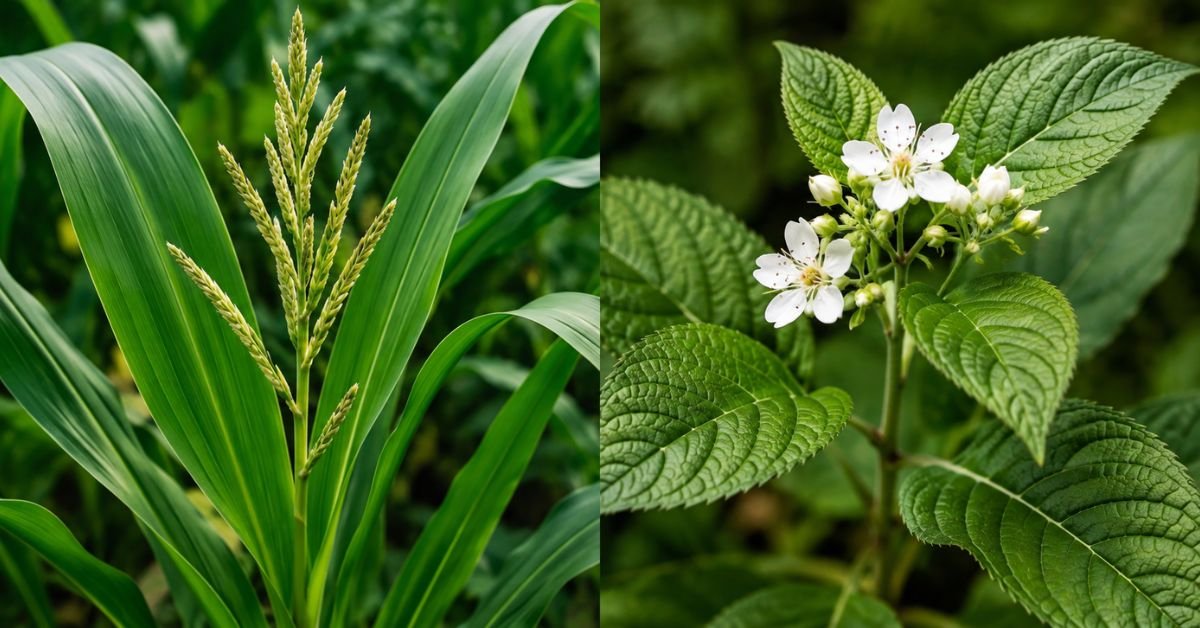
Monocots generally have one cotyledon, or seed leaf, in the embryo.
Many monocots also share other characteristic features involving leaves, roots, vascular arrangement, and flowers.
Familiar examples include:
corn
grasses
lilies
orchids
palms
These plants can look very different from one another, which shows that classification depends on a collection of traits rather than a single visual feature.
Personal Pro-Tip: Corn and grass are easy examples to remember when studying monocots.
Eudicot Classification
Eudicots make up a huge portion of familiar flowering plants.
Beans, roses, tomatoes, and sunflowers are common examples.
They are not simply “plants with two leaves.” Eudicots are a major evolutionary group within the angiosperms, defined by a collection of characteristics and evolutionary relationships.
That distinction is important because it prevents the common beginner mistake of treating “two cotyledons” as the entire definition.
Personal Pro-Tip: Learn the term eudicot now, even if you still see “dicot” in older textbooks and gardening references.
The Plant Taxonomy Hierarchy
Once you understand the major groups, taxonomy becomes easier to visualize.
A commonly taught hierarchy is:
Domain → Kingdom → Division or Phylum → Class → Order → Family → Genus → Species
The exact ranks shown can vary by taxonomic system, and additional ranks can be added between them.
The key idea is simple:
Broad classification becomes increasingly specific as you move downward.
Kingdom
The kingdom is a very broad category.
Most basic plant classification lessons place plants within Kingdom Plantae, although modern biology uses more detailed systems at higher taxonomic levels.
Division or Phylum
Plants are further divided into major groups based on important biological characteristics and relationships.
Class, Order, and Family
Each of these levels narrows the group further.
A plant family can contain many genera, while an individual genus can contain multiple species.
Genus
A genus contains closely related species.
The genus is the first part of a scientific plant name.
Species
Species is a much more specific classification level.
The scientific name of a species combines the genus with the specific epithet.
That is why scientific names are so useful. They tell you exactly which plant you are discussing instead of leaving you to guess from a common name.
Personal Pro-Tip: Memorize the hierarchy as a narrowing system rather than as isolated vocabulary. The logic matters more than reciting the list.
A Simple Example of Plant Classification
Let’s use a familiar flowering plant to see how the hierarchy works.
The exact classification can be expanded much further, but the point is to see how the levels fit together.
At the broad level, the sunflower is a flowering plant.
At a more specific level, it belongs to a particular family.
At the narrowest level, the scientific name identifies the species.
That is the basic logic behind taxonomic classification.
Personal Pro-Tip: Choose one plant you already know and practice moving from kingdom toward species. It is much easier to remember taxonomy when you attach it to a real plant.
Classifying Plants vs. Identifying Plants
These terms are related, but they are not interchangeable.
Identification asks: “What plant is this?”
Classification asks: “Where does this plant belong in the larger system?”
Suppose you find an unfamiliar plant growing in your yard.
You first examine its characteristics and determine that it is a particular species.
That is identification.
Then you place that species within its genus, family, order, and broader groups.
That is classification.
Identification and classification work together, but they answer different questions.
This distinction matters when using field guides and plant identification tools. A tool that gives you a species name is primarily helping you with identification. Taxonomy explains the larger placement of that species.
Personal Pro-Tip: Keep this simple: identification tells you what it is, while classification tells you where it belongs.
How to Classify an Unknown Plant
You do not need to memorize an entire botany textbook to begin.
A logical process is more useful than random guessing.
1. Observe the Whole Plant
Look at the overall growth form.
Is it a moss-like plant, fern, grass, herb, shrub, vine, or tree?
This will not identify the plant by itself, but it gives you a useful starting point.
2. Examine the Leaves
Notice the:
shape
arrangement
margins
veins
texture
attachment to the stem
3. Look for Flowers, Cones, Fruits, or Seeds
Reproductive features can be extremely valuable.
A flower can immediately place a plant among the angiosperms. A cone can point you toward a gymnosperm. Spores can provide clues about seedless groups.
4. Examine Stems and Roots
These characteristics can help distinguish broader plant groups.
5. Consider Where It Grows
Habitat is useful supporting evidence.
A plant growing in a wet forest environment presents a different set of possibilities from one found in a dry desert region.
Habitat should narrow the possibilities, not determine the answer by itself.
6. Use a Dichotomous Key
A dichotomous key gives you a sequence of choices based on observable traits.
Each choice narrows the possibilities until you reach a likely identification.
This is one of the most practical ways to turn plant observation into a repeatable identification process.
7. Confirm the Result
For important identifications, compare your findings with university extension resources, botanical gardens, herbaria, field guides, or recognized taxonomic databases.
Do not rely on one photograph or one app result when accuracy matters.
Personal Pro-Tip: The more important the identification, the more evidence you should require before accepting the answer.
Common Mistakes When Classifying Plants
Mistake 1: Treating Common Names as Scientific Names
Common names vary by region and can refer to different plants.
Always verify the scientific name when precision matters.
Mistake 2: Assuming Similar Appearance Means Close Relationship
Plants can evolve similar forms even when they are not closely related.
Appearance is evidence, but it is not the whole classification system.
Mistake 3: Assuming Vascular Means Seed-Producing
Ferns prove this wrong.
They are vascular plants that reproduce with spores.
Mistake 4: Treating Monocots and Dicots as the Entire Modern System
The traditional comparison is useful for learning, but modern angiosperm classification is more detailed and recognizes eudicots as a major evolutionary group.
Personal Pro-Tip: Most classification mistakes happen when a simple educational rule is treated as an absolute rule. Use simple frameworks to learn, then refine your understanding as you go deeper.
Why Plant Classification Changes
One thing that surprises beginners is that plant classification is not permanent.
Scientists revise classifications as new evidence becomes available.
Older systems relied more heavily on observable features. Modern plant systematics can combine morphology with molecular, genetic, and evolutionary evidence.
As a result, a plant can be moved to another genus, given a different accepted name, or placed in a revised group.
The plant itself did not change.
Our understanding of its relationships changed.
This is why you may sometimes find a newer botanical source using a different name from an older gardening book.
A current scientific source may be reflecting a more recent taxonomic treatment.
This is also why it is useful to check authoritative resources such as university extension programs, botanical institutions, USDA plant information resources, and established taxonomic databases when names conflict.
Personal Pro-Tip: When two sources disagree, check the publication date and source authority before deciding which classification to trust.
Frequently Asked Questions About Classifying Plants
Q1. What does classifying plants mean?
Classifying plants means grouping plants according to shared characteristics and biological relationships. Scientists use structural, reproductive, morphological, and evolutionary evidence to organize those groups.
Q2. What are the major groups of plants?
A common introductory framework includes nonvascular plants, seedless vascular plants, gymnosperms, and angiosperms. Flowering plants can then be discussed using major groups such as monocots and eudicots.
Q3. How do scientists classify plants?
Scientists can examine plant structure, vascular tissue, reproductive features, seeds, flowers, fruits, morphology, and evolutionary or genetic evidence. Modern classification uses multiple types of evidence rather than relying only on appearance.
Q4. What is plant taxonomy?
Plant taxonomy is the scientific study of identifying, naming, describing, and classifying plants. It organizes plants into a hierarchy that includes ranks such as family, genus, and species.
Q5. What is the difference between classification and identification?
Identification determines what a plant is, while classification determines where that plant belongs within a larger biological system. The two processes are closely connected but are not the same.
Q6. Are monocots and dicots still used?
Yes, especially in introductory education. However, modern flowering-plant classification is more precise, and eudicots are recognized as a major evolutionary group rather than treating all traditional “dicots” as one simple category.
Q7. Why does plant classification change?
Plant classification can change when scientists gain new evidence about evolutionary relationships. New molecular and genetic evidence can lead researchers to revise older classifications and scientific names.
Final Thoughts on Classifying Plants
Classifying plants is the system we use to make plant diversity understandable.
Instead of seeing every plant as a completely separate organism, classification helps us recognize patterns and relationships.
You can start with a few broad questions:
Does the plant have vascular tissue?
Does it reproduce with spores or seeds?
If it produces seeds, is it a gymnosperm or angiosperm?
If it is an angiosperm, does it belong to a major group such as a monocot or eudicot?
From there, the taxonomic hierarchy takes you toward family, genus, and species.
The biggest lesson is that plant classification is more than appearance. Scientists combine observable characteristics with evidence about biological and evolutionary relationships. That is why classification systems can become more precise over time.
For gardeners, this knowledge is practical too. Correct identification and classification make it easier to find reliable information about a plant, understand its relatives, and avoid confusion caused by common names.
You do not need to memorize the entire plant kingdom.
Start with the major groups, understand the logic behind the classification system, and then build your knowledge plant by plant.
Have you ever come across two different names for the same plant? Share the plant and the names you found in the comments.
Amin Khalid is a professional horticulturist and the founder of LeafyWisdom. With a deep passion for home gardening and horticultural research, he specializes in providing practical, easy-to-follow care guides for indoor plants. Amin’s goal is to simplify gardening for everyone and help fellow plant lovers build their own thriving green spaces.
A zebra plant, usually Aphelandra squarrosa, is a tropical houseplant known for glossy green leaves, bold white veins, and striking yellow flower bracts. It grows best in bright indirect light, warm conditions, higher humidity, and potting soil that stays evenly moist without becoming soggy. The main challenge is finding the right balance between keeping the roots hydrated and preventing the soil from staying wet for too long.
Once you understand that balance, caring for this plant becomes much easier. Instead of following a rigid watering calendar, watch the soil, leaves, light, and room conditions.
Personal Pro-Tip: My practical rule is to keep the environment as stable as possible. Constantly moving the plant, changing watering habits, or placing it beside an AC vent can create more problems than the original issue.
Quick Zebra Plant Care Guide
Care need
Best starting point
Botanical name
Aphelandra squarrosa
Light
Bright, indirect light
Water
Keep the potting mix evenly moist
Humidity
High humidity preferred
Temperature
Warm conditions, avoid cold drafts
Soil
Moisture-retentive but well-draining potting soil
Fertilizer
Feed during active growth
Propagation
Stem cuttings
Flowering
Bright indirect light and consistent care
USDA Zones
11 to 12 outdoors
Indoor growing
Suitable far beyond those outdoor zones
Pet safety
ASPCA lists it as non-toxic to dogs, cats, and horses
The USDA hardiness range is mainly useful for outdoor growing. Someone living in a much colder state can still grow this tropical species successfully as an indoor plant.
Personal Pro-Tip: Treat the table as a starting point, not a fixed schedule. Your home’s light, temperature, humidity, and pot size will determine what the plant actually needs.
Which Zebra Plant Do You Have?
The common name can cause confusion because several unrelated plants are sold as zebra plants. Their care requirements are not interchangeable.
Aphelandra Squarrosa, the Tropical Plant
This is the species covered throughout this guide. It has broad, glossy leaves with strong white veins and can produce yellow bracts with small tubular flowers.
Zebra Haworthia, the Zebra Succulent
This is a compact succulent with pointed leaves and raised white markings. It prefers a much drier watering routine and should not be treated like Aphelandra squarrosa.
Why Plant Identification Matters
A tropical foliage plant and a zebra succulent may share a common name while needing almost opposite watering habits.
Personal Pro-Tip: Check the botanical name on the nursery tag whenever possible. The words “zebra plant” alone are not enough to determine the right care routine.
Zebra Plant Light Requirements: How Much Does It Need?
Bright, indirect light is the best starting point. In its tropical habitat, the plant receives filtered light rather than constant exposure to intense direct sunshine.
An east-facing window can be an excellent location. Bright south- or west-facing windows may also work if strong afternoon sun is filtered.
Too little light can result in weak growth and poor flowering. Too much intense direct light can scorch the foliage.
For a typical US home, focus on the brightness of the actual room rather than simply choosing a window by direction.
Personal Pro-Tip: “Indirect light” does not mean dim. If your plant sits in a gloomy corner and rarely casts even a soft shadow, the location may be too dark.
How Often Should You Water a Zebra Plant?
Watering is probably the most misunderstood part of growing this plant.
The potting mix should remain moist but not waterlogged. Allowing the roots to dry out completely can cause stress, but keeping the container saturated can create its own problems.
Instead of watering on a fixed day, check the soil.
When the upper layer has started to dry and the container feels lighter, water thoroughly. Allow excess water to escape through the drainage holes.
Then let the mix begin drying again before watering.
Should You Water a Drooping plant?
Not automatically.
Drooping plus dry soil: underwatering is more likely.
Drooping plus wet soil: investigate drainage and root conditions before adding more water.
A wilted plant is asking you to inspect the growing conditions, not automatically pour in more water.
Personal Pro-Tip: Pick up the container after watering and remember how heavy it feels. Comparing that weight a few days later can become a surprisingly useful way to judge moisture.
Plant Humidity and Temperature
Higher humidity and warm temperatures suit this tropical species. Dry indoor air can become a problem during both winter heating and summer air conditioning.
Keep the plant away from direct streams of hot or cold air.
A humidifier is usually one of the most controllable ways to increase room humidity. A naturally humid bathroom can also work if it receives sufficient light.
Avoid placing the pot right beside a heating register, AC vent, or drafty exterior door.
Personal Pro-Tip: Check the air movement at leaf level. A plant directly beside an HVAC vent can experience a much harsher microclimate than another plant across the room.
Best Soil for a Zebra Plant
The best mix holds enough moisture for the roots while allowing excess water to drain away.
A quality indoor potting mix combined with an aeration material such as perlite can provide a useful balance. The exact recipe is less important than the final texture.
The roots need both moisture and access to air.
Always choose a pot with drainage holes.
Personal Pro-Tip: I prefer keeping a houseplant in a simple nursery pot inside a decorative container. It makes it much easier to control and remove excess water.
How to Fertilize a Zebra Plant During Active Growth
Feed during periods of active growth and follow the dilution and frequency instructions on the fertilizer label.
Do not use extra fertilizer as a rescue treatment for a plant suffering from poor lighting, dry roots, or waterlogged soil.
Overfeeding can contribute to salt buildup in container soil and may worsen leaf-tip problems.
As growth slows in late fall and winter, fertilizer demand generally decreases.
Personal Pro-Tip: Solve the light and watering problem first. A plant in the wrong environment will not become healthy simply because you add more fertilizer.
How to Get a Zebra Plant to Bloom
The yellow flower bracts are one of the most attractive features of this houseplant.
Bright indirect light is particularly important if you want flowers. Consistent moisture, warm conditions, and reasonable nutrition also help support healthy growth.
If you have plenty of foliage but no flowers, check:
Light intensity
Watering consistency
Room temperature
Recent stress or heavy pruning
Fertilizer routine
Overall plant maturity
After flowering, spent growth can be removed to help maintain a compact shape.
Personal Pro-Tip: Don’t panic when flowering ends. Strong leaves and healthy new growth are more important signs of long-term health than having flowers all year.
How to Propagate a Plant From Stem Cuttings
Stem cuttings are a practical way to produce new plants.
Choose healthy growth, remove unnecessary lower leaves, and place the cutting into a suitable propagation medium. Keep the cutting warm and evenly moist while roots develop.
Higher humidity can reduce moisture loss while the cutting is establishing.
Propagation is easiest when you begin with healthy plant material rather than trying to save severely damaged growth.
Personal Pro-Tip: Take cuttings during normal pruning whenever possible. That way, propagation becomes part of your regular plant care instead of an emergency project.
Plant Problems: Quick Diagnosis
Why Are My Zebra Plant Leaves Turning Brown?
Brown tips can develop when humidity is too low, the soil repeatedly becomes too dry, the plant receives excessive direct sun, or watering is inconsistent.
Start with four checks:
Is the soil too dry?
Is the room very dry?
Is the plant near an AC or heating vent?
Is strong direct sunlight hitting the leaves?
Existing brown tissue will not turn green again. Focus on protecting the new growth.
Personal Pro-Tip: New leaves are your progress report. If the newest foliage looks healthier after a change, your care adjustment is probably moving in the right direction.
Why Are Zebra Plant Leaves Turning Yellow?
Yellowing does not always mean overwatering.
If the potting mix stays wet for a long time, investigate drainage and excess moisture. If the soil is extremely dry, drought stress becomes more likely.
Look at the whole plant before deciding what the yellow color means.
Personal Pro-Tip: Touch the soil first. Leaf color alone rarely tells you the whole story.
Why Is My Zebra Plant Drooping?
A wilted plant with dry soil needs a different response from one sitting in constantly wet soil.
When the mix is dry, thorough watering may solve the problem. When the mix is wet, investigate drainage and root health before adding more.
Personal Pro-Tip: Never make watering your automatic response to every drooping leaf.
Why Is My Zebra Plant Losing Leaves?
Leaf loss can be associated with dryness, excessive moisture, cold conditions, strong sunlight, or sudden environmental changes.
Think backward. Ask what changed during the previous week or two.
Did the plant move? Did the AC start running more often? Did you repot it? Did your watering routine change?
Personal Pro-Tip: Several symptoms can come from one environmental mistake. Look for the common thread before treating each symptom separately.
Common Zebra Plant Mistakes That Cause Trouble
This tropical species often struggles because it is treated like a tougher, drought-tolerant houseplant.
Letting the soil become completely dry: The roots prefer more consistent moisture.
Keeping the pot constantly saturated: Moist soil and waterlogged soil are not the same thing.
Choosing a dark corner: Indirect light still needs to be bright.
Placing it beside an AC vent: Constant dry airflow can stress the foliage.
Using a container without drainage: Excess water needs somewhere to escape.
Changing everything at once: Moving, repotting, fertilizing, and changing the watering routine simultaneously makes diagnosis much harder.
Personal Pro-Tip: When a plant struggles, simplify first. Stable light, appropriate moisture, good drainage, and suitable humidity usually matter more than adding another product.
Zebra Plant Care Through the US Seasons
Spring Plant Care
As growth becomes more active, monitor the soil more frequently. This is also a good time to review your fertilizer routine and consider repotting if the current container is genuinely too small.
Summer Plant Care
Warmer rooms can increase moisture loss. Bright windows may also raise the plant’s water demand, while air conditioning can reduce humidity around the foliage.
Fall Plant Care
As daylight decreases, growth may slow. A watering schedule that worked during July may be too frequent later in the year.
Winter Plant Care
Indoor heating can create very dry air, and growth usually slows. Reduce watering as appropriate, but do not allow the potting mix to become completely dry.
Personal Pro-Tip: Seasonal care is not about memorizing four separate routines. It is about responding to changes in light, temperature, humidity, and growth.
Is the Zebra Plant Safe for Cats and Dogs?
ASPCA lists Aphelandra squarrosa, also known as saffron spike zebra, as non-toxic to dogs, cats, and horses.
That does not mean pets should regularly chew on houseplants. It is also important to identify the plant correctly because several unrelated species can share the zebra plant common name.
Personal Pro-Tip: Keep the botanical name somewhere on the pot or plant tag. It makes future care and safety checks much easier.
Zebra Plant FAQs
Why Does My Zebra Plant Droop So Dramatically?
The cause may be underwatering, but a wet root zone can also lead to drooping. Check the soil before deciding whether more water is needed.
Why Are My Zebra Plant Leaves Turning Brown?
Dry air, inconsistent watering, strong sunlight, and other environmental stresses can all play a role. Check humidity, soil moisture, drainage, and light together.
Does a Zebra Plant Need Direct Sunlight?
No. Bright indirect light is the better target. Strong direct sunlight can damage the leaves.
Is a Zebra Plant a Succulent?
Aphelandra squarrosa is not a succulent. Some other plants sold as zebra plants are succulents, which is why identification matters.
How Can I Get a Zebra Plant to Flower?
Focus on bright indirect light, consistent moisture, warmth, and healthy active growth. Avoid treating fertilizer as a substitute for proper light.
Can a Zebra Plant Recover After Losing Many Leaves?
Recovery is possible when the underlying problem is corrected and healthy roots and growing points remain. Avoid repeatedly changing the environment while the plant is stressed.
Can a Zebra Plant Grow in a Dry US Home?
Yes, but low humidity can make care more difficult. A humidifier, a naturally humid room, and distance from HVAC vents can make conditions more suitable.
Personal Pro-Tip: When troubleshooting, start with four things: light, soil moisture, drainage, and humidity. Those checks often reveal the real problem faster than changing fertilizer or buying another treatment.
Final Thoughts
A zebra plant is a little more demanding than many common houseplants, but it becomes much easier once you understand its preferences.
Give Aphelandra squarrosa bright indirect light, warmth, higher humidity, and potting soil that stays evenly moist without becoming saturated. Keep it away from harsh direct sun and drying HVAC airflow. Most importantly, look at the soil and environment before reacting to a symptom.
The goal is not to create a perfect routine that never changes. It is to create a stable growing environment and adjust when the conditions change.
Have your own experience with this plant? Share what happened, especially your light, watering, soil, and humidity conditions, and it may help another indoor gardener solve the same problem.
Amin Khalid is a professional horticulturist and the founder of LeafyWisdom. With a deep passion for home gardening and horticultural research, he specializes in providing practical, easy-to-follow care guides for indoor plants. Amin’s goal is to simplify gardening for everyone and help fellow plant lovers build their own thriving green spaces.
The best time to plant grass seed depends on the type of grass, where you live, and the conditions in your yard. For most cool-season grasses, late summer to early fall is the strongest general planting window. Warm season grasses usually do better when planted in late spring or early summer. The calendar is helpful, but it should not make the decision by itself. Soil temperature, moisture, sunlight, upcoming weather, and the amount of favorable growing time ahead can all change the answer.
When I think through a lawn-seeding project, I start with the grass instead of the month. That simple change prevents a lot of bad lawn advice.
A September planting date that makes sense for tall fescue in the Northeast may be completely unsuitable for a warm-season lawn in Georgia or Texas. Your lawn has its own timing.
Quick Answer: When Is the Best Time to Plant Grass Seed?
Lawn situation
Best general window
What matters most
Cool-season grass
Late summer to early fall
Establishment before major summer or winter stress
Warm-season grass
Late spring to early summer
Warm soil and active growth
Cool-season overseeding
Usually late summer to early fall
Good seed-to-soil contact
Spring seeding
Possible in many areas
Summer heat and weed competition
Summer seeding
Often difficult for cool-season grass
Heat and moisture stress
Bare-patch repair
Favorable local growing period
Why the patch became bare
Unsure whether to seed now
Check grass, soil, and weather
Conditions matter more than the calendar
University Extension programs generally recommend matching planting timing to the grass species and local growing conditions rather than following one nationwide date.
Personal Pro-Tip: I would not buy a bag of grass seed and choose the planting date until I know what type of grass I am trying to grow.
Why the Best Time to Plant Grass Seed Is Not Just a Date
Grass seed needs the right combination of temperature, moisture, oxygen, and time to establish. The day you spread the seed matters, but the conditions during the weeks afterward can matter even more.
Imagine two September weeks. One has moderate temperatures, workable soil, regular moisture, and several weeks of good growing weather ahead. The other arrives during unusual heat or just before an early cold spell.
For cool-season lawns, late summer and early fall can provide a useful combination of warm soil for germination and cooler air for young grass. Iowa State University Extension also notes that fall establishment can have an advantage over spring because of reduced weed competition and more favorable conditions for cool-season turf.
That gives us a better rule:
Grass type + location + soil + moisture + weather ahead = your actual planting window.
Personal Pro-Tip: When two possible planting dates look equally good on the calendar, I would choose the one that gives the seedlings the better weather after planting.
Best Time to Plant Cool-Season Grass Seed
If you are planting tall fescue, Kentucky bluegrass, perennial ryegrass, or another cool-season turfgrass, late summer to early fall is generally the first planting window I would consider.
The exact timing changes by location. Iowa State University Extension, for example, recommends mid-August to mid-September for establishing a new cool-season lawn in Iowa. That is useful regional guidance, not a national rule.
Why does fall work so well?
The soil can still be warm enough for germination, while falling air temperatures become more comfortable for cool-season growth. Weed competition can also be less aggressive than during spring establishment.
Spring can work too. It simply creates a more difficult path for many cool-season lawns because young grass has to be established before the arrival of summer heat. Spring can also bring strong weed competition.
This is why I would not describe spring as “wrong.” I would describe it as a more demanding option for many cool-season lawns.
Personal Pro-Tip: For a cool-season lawn, I would rather use a good fall planting window than rush into a difficult summer seeding project.
Best Time to Plant Warm-Season Grass Seed
Warm-season grasses follow a different schedule.
Bermudagrass and buffalograss are examples of grasses that can be established from seed in suitable climates. Some zoysiagrass cultivars can also be established from seed. Their active growth is associated with warm conditions, so late spring into early summer is generally more appropriate than the cool-season fall window.
Regional guidance matters here. U.S. university Extension recommendations for warm-season lawns can differ significantly from recommendations for cool-season turf in the northern states.
That is why one of my first questions for a homeowner in the South is not, “What month is it?”
It is:
“What grass are you planting?”
Personal Pro-Tip: If you live in a warm climate and your lawn turns brown during winter, identify the grass before following a fall-seeding guide written for northern cool-season turf.
Best Time to Seed Different Types of Grass
Your seed label and local Extension recommendations should have the final say, but this table provides a useful starting point.
Grass
Type
General planting direction
Tall fescue
Cool-season
Late summer to early fall
Kentucky bluegrass
Cool-season
Late summer to early fall
Perennial ryegrass
Cool-season
Late summer to early fall
Fine fescues
Cool-season
Usually a cool-season planting window
Bermudagrass
Warm-season
Late spring to early summer
Buffalograss
Warm-season
Warm growing season
Some zoysiagrasses
Warm-season
Warm-season establishment period
Not every grass variety is suitable for every climate, and some warm-season grasses are more commonly established with sod or plugs than seed.
Personal Pro-Tip: I look at the grass species and variety before I trust a generic lawn calendar.
Best Time to Plant Grass Seed by US Region
The United States is far too climatically diverse for one national planting date.
USDA Hardiness Zones can help you understand general winter conditions, but they are not a complete turfgrass-seeding calendar. Sun exposure, elevation, soil, rainfall, irrigation, and summer heat also matter.
Northeast
Cool-season grasses dominate many lawns in this region, so late summer and early fall are generally strong planting periods.
Northern locations may have a shorter establishment window than milder coastal areas, so local weather should guide the final decision.
Midwest
Cool-season grasses are common throughout much of the Midwest. In Iowa, for example, Iowa State University Extension recommends mid-August to mid-September for new cool-season lawns.
Spring seeding can work, but summer heat and weed competition can make it less forgiving.
Pacific Northwest
Cool-season grasses are common, but the region has major climate differences between coastal, inland, and higher-elevation locations.
Do not treat the entire Pacific Northwest as one growing environment.
Mountain West
Elevation can shorten the growing season and change the timing dramatically. A lawn at high elevation may have a much narrower planting window than a lawn in a lower, warmer location.
Southeast
Warm-season grasses are common, so late spring into early summer can be an appropriate establishment period. Local Extension advice should guide the exact timing.
Southern Plains
Warm-season turf is common, but heat and drought can become significant issues. Irrigation, soil type, and local weather deserve special attention.
Southwest
Heat, irrigation, and elevation can create very different lawn conditions even within the same state. Grass selection becomes particularly important.
Transition Zone
This is one of the most complicated parts of the country for lawn timing. Both cool-season and warm-season grasses can be used, but the choice depends heavily on the exact location and site conditions.
Personal Pro-Tip: Use your USDA Hardiness Zone as background information, not as the final answer. Grass species, soil conditions, and local weather are more useful when choosing a planting window.
What Is the Best Month to Plant Grass Seed?
There is no single best month for every American lawn.
For many cool-season grasses, late summer and early fall are the strongest general targets. For many warm-season grasses, the timing shifts toward late spring and early summer.
Instead of memorizing a month, I recommend asking a better question:
Will this grass have enough favorable weather after planting to germinate and establish?
That question works in every state.
A calendar can tell you that it is September. It cannot tell you whether your soil is still warm enough, whether the next few weeks will be favorable, or whether an early winter is approaching.
Personal Pro-Tip: When someone tells me that one particular month is “the best,” I immediately want to know what grass and what region they are talking about.
Soil Temperature and the Right Time to Plant Grass Seed
Soil temperature is one of the most useful pieces of information when deciding whether conditions are ready.
Grass seed does not respond to the calendar. It responds to its environment.
Minnesota Extension notes that root growth for cool-season turf is strongest around soil temperatures of 50 to 65°F, although germination requirements vary among species.
That does not mean you need to obsess over one exact thermometer reading. Think about soil temperature as part of a bigger picture:
Is the soil suitable for germination?
Is moisture available?
Are temperatures appropriate for the grass?
Will conditions remain favorable long enough for seedlings to establish?
A warm fall and a cold fall are not equivalent simply because they happen in the same month.
Personal Pro-Tip: When I am dealing with a borderline planting window, a simple soil thermometer is more useful to me than blindly following a calendar date.
How Much Growing Time Does Grass Seed Need to Establish?
This is one of the most important parts of lawn timing, yet it is easy to overlook.
Germination is not an establishment.
Seeing green shoots does not mean the lawn is ready for normal traffic or difficult weather.
Oregon State University Extension uses approximately six to eight weeks of favorable growing weather as a useful planning benchmark for northern lawn establishment. That is not a universal rule for every grass and climate, but it illustrates the important principle: seedlings need enough time to develop before facing serious stress.
This is why planting late in a season can be risky even when germination is technically possible.
Personal Pro-Tip: I would rather postpone a borderline lawn project than plant when there clearly is not enough favorable growing weather left.
Is Fall or Spring the Best Time to Plant Grass Seed?
For many cool-season lawns, yes, fall is usually the better choice.
Spring has one obvious advantage: the growing season is ahead of you. But that does not automatically make it easier.
A spring-seeded cool-season lawn can face increasing weed competition and then summer heat before the young plants have developed a strong root system. University Extension programs commonly point to these challenges when comparing spring and fall establishments.
Fall often provides a more comfortable combination of:
Warm soil for germination.
Cooler air for cool-season growth.
Less weed competition.
Time for establishment before the next summer.
Spring still has a place. A homeowner who misses the fall window may have a perfectly reasonable reason to seed in spring, especially for a smaller repair.
Personal Pro-Tip: I would not leave a badly damaged lawn bare for months just because fall is technically the better season. A carefully managed spring repair can still make sense.
Can You Plant Grass Seed in Summer?
The answer depends heavily on the grass.
For cool-season grasses, summer is often the most difficult period for establishment. Iowa State University Extension describes late May through mid-August seeding in Iowa as extremely difficult and usually unsuccessful.
That does not mean those exact dates apply to every state. It means hot conditions can create a difficult environment for cool-season seedlings.
Warm-season grasses are different because their active growth period occurs during warm weather.
So when someone asks, “Can I plant grass seed in summer?”, my first response is:
“Which grass?”
Personal Pro-Tip: Never apply a tall-fescue planting calendar to bermudagrass or another warm-season lawn. The biology is different.
Best Time to Plant Grass Seed When Overseeding a Lawn
Overseeding is not the same as starting a completely new lawn.
With overseeding, the seed has to compete with existing turf and reach suitable soil contact. That makes preparation especially important.
For many cool-season lawns, late summer to early fall is a strong overseeding period. Iowa State University Extension recommends mid-August through mid-September for renovation work in Iowa.
Before throwing more seed onto a thin lawn, figure out why it became thin.
Common causes include:
Shade
Compacted soil
Poor drainage
Drought
Heavy traffic
Poor mowing practices
Unsuitable grass
Disease or pests
If the underlying problem remains, more seed may only provide a temporary improvement.
Personal Pro-Tip: If a section keeps thinning every year, I would investigate the cause before buying another bag of seed.
Best Time to Repair Bare Spots in a Lawn
Small bare patches are usually simpler to repair than an entire lawn, but timing still matters.
For a cool-season lawn, use the strongest local growing period whenever possible.
Start by removing dead material and exposing enough soil for the seed to make contact. Spread the appropriate seed, lightly prepare the surface according to the grass and product guidance, and keep the area appropriately moist during germination.
Do not ignore the reason the patch became bare.
A path used by pets, a heavily shaded corner, compacted soil, or poor drainage can cause the same problem again.
Personal Pro-Tip: I would rather spend ten minutes figuring out why a patch failed than repeatedly reseeding the same spot.
How to Choose Grass Seed Before You Worry About Timing
Timing comes after choosing the right grass.
Before buying seed, consider:
Climate: Is the species suitable for your region?
Sunlight: Does your lawn receive enough light?
Traffic: Will children, pets, or frequent foot traffic use the area?
Soil: Does the site drain well or stay wet?
Shade: Is the area exposed or heavily shaded?
Seed mixture: Are the species in the blend appropriate for your conditions?
Iowa State University Extension notes that grass selection should match site conditions. It also points out that Kentucky bluegrass generally performs best in sunny locations, while certain fine fescues can handle shade more effectively.
Personal Pro-Tip: I pay attention to the seed label instead of choosing a bag based only on the picture and marketing claims on the front.
How to Prepare Soil Before Planting Grass Seed
Good timing cannot compensate for poor preparation.
For a new lawn, remove debris, deal with obvious drainage problems, address major grading issues, and create a suitable seedbed.
A soil test can be useful when you suspect a pH or nutrient problem. I would not automatically add lime or fertilizer simply because a generic article says every lawn needs it.
Your goal is straightforward:
Create soil conditions that allow seed to contact the soil, receive moisture, and develop roots.
For serious soil problems, local university Extension recommendations can be more useful than a one-size-fits-all lawn formula.
Personal Pro-Tip: Put your effort into the seedbed. Grass seed cannot fix severely compacted, poorly drained, or badly prepared soil by itself.
How to Plant Grass Seed for Better Germination
Once the site is prepared, concentrate on even distribution and good seed-to-soil contact.
Spread seed evenly
A broadcast or drop spreader usually makes large areas easier to seed consistently.
Use two directions
Applying approximately half the seed in one direction and the remaining portion at a right angle can improve coverage.
Keep seed placement shallow
Grass seed generally does not need to be buried deeply.
Improve seed-to-soil contact
Light raking or another appropriate method can help position seed against the soil.
Maintain moisture
The seedbed should remain appropriately moist during germination without staying constantly saturated.
Limit traffic
New seedlings need time before they can handle normal foot traffic.
Personal Pro-Tip: Uneven seed distribution is one of the easiest mistakes to prevent. I would rather spend a little more time spreading seed evenly than try to correct stripes and bare areas later.
What to Do After Planting Grass Seed
The work does not end when you finish seeding.
During germination, watch moisture closely. As seedlings develop, irrigation can gradually be adjusted to support deeper root development and the needs of the growing lawn.
Do not treat newly emerged grass exactly like established turf. Young seedlings have small root systems and can be especially vulnerable to heat and drought.
For overseeding, the existing lawn also needs to be managed so the new seedlings have an opportunity to establish.
Personal Pro-Tip: The first green shoots are a milestone, not the finish line. I give new grass time to establish before expecting it to behave like a mature lawn.
When Should You Mow Newly Seeded Grass?
Do not choose your first mowing date solely from a calendar.
Grass grows at different speeds depending on species, temperature, moisture, sunlight, and other conditions.
Instead, wait until the seedlings are established enough to tolerate mowing and avoid removing too much leaf tissue at once.
Keep mower blades sharp and avoid creating unnecessary stress on very young turf.
Personal Pro-Tip: I trust the condition and height of the grass more than a generic “mow after two weeks” rule.
Common Grass Seed Planting Mistakes
Planting the wrong grass
A perfect planting date cannot fix an unsuitable grass species.
Following a calendar blindly
Weather varies from year to year.
Planting cool-season grass during severe summer heat
Heat and drought can make establishment extremely difficult.
Waiting until the very end of fall
Seed may germinate too slowly or have too little time to establish before winter.
Poor seed-to-soil contact
Seed sitting on top of dense turf or thatch may not establish well.
Overwatering
More water does not automatically mean faster establishment.
Guessing about fertilizer
Applying unnecessary nutrients can create problems rather than solve them.
Using pre-emergent herbicide at the wrong time
Many pre-emergent herbicides are designed to prevent seeds from germinating. That can include desirable grass seed.
Iowa State University Extension warns that most pre-emergent herbicides are not compatible with cool-season grass seeding unless the product is specifically labeled for that use.
Personal Pro-Tip: If I am seeding a lawn, I read the herbicide label before applying any weed-control product. Seed and pre-emergent schedules can conflict.
Grass Seed Troubleshooting: Why Did My Lawn Fail?
The seed has not germinated
Check moisture, soil temperature, planting depth, seed-to-soil contact, and the quality or storage history of the seed.
Some grass species naturally germinate faster than others, so do not judge every lawn by the same timeline.
Seedlings appeared and then disappeared
Look at drought, excessive moisture, heat, traffic, pests, and other stress factors.
Germination is uneven
Uneven spreading, inconsistent moisture, different soil conditions, and shade can all create patchy establishments.
The lawn remains thin
Do not automatically add more seeds. Investigate sunlight, soil compaction, drainage, grass selection, and mowing practices.
Spring lawn is covered in weeds
Spring-seeded cool-season lawns can face substantial weed competition.
Personal Pro-Tip: When a lawn fails, I diagnose before reseeding. Otherwise, you can spend money fixing the symptom while the real problem remains.
Is Grass Seed Safe for Cats and Dogs?
The grass seed itself is usually not the main pet-safety concern I would focus on during lawn establishment.
The bigger concern is often what you apply around the seed, including fertilizers, herbicides, and insecticides.
ASPCA recommends following product directions and keeping pets away from treated areas as instructed. Lawn-care products should also be stored securely where pets cannot reach them.
If you use a lawn product, read the actual label rather than assuming it is safe because it is sold for residential lawns.
If a pet may have ingested a potentially harmful lawn product, contact a veterinarian promptly.
Personal Pro-Tip: I treat every lawn treatment as a separate safety decision. “For lawns” does not automatically mean “safe for pets.”
What If You Missed the Best Time to Plant Grass Seed?
Missing the ideal window does not automatically mean the project is impossible.
First, check:
What grass am I planting?
What are the soil conditions?
Can I maintain appropriate moisture?
What weather is coming?
How much favorable growing time remains?
Am I repairing a small patch or renovating the entire lawn?
A small repair may make sense even when a large renovation would be risky.
Sometimes the smartest lawn decision is simply to wait.
Personal Pro-Tip: I would rather delay a large project than spend money seeding thousands of square feet during clearly unfavorable conditions.
When Is It Too Late to Plant Grass Seed?
There is no single nationwide cutoff date.
For cool-season grass, the key question is whether the seedlings can establish before the next major period of stress, such as severe summer heat or winter cold.
For warm-season grass, the concern may be whether enough warm growing weather remains before temperatures fall.
This is why “too late” should be treated as a conditions question, not a date on the calendar.
Personal Pro-Tip: When someone asks me whether it is too late, I look at the grass, the weather, and the time remaining for establishment before I look at the date.
New Lawn, Overseeding, or Bare Patch? The Timing Can Differ
These three jobs are often treated as one problem, but they are not.
New lawn: You are starting from prepared soil, so seedbed preparation and distribution are major priorities.
Overseeding: Existing grass creates competition, so seed-to-soil contact becomes especially important.
Bare patch: The patch may be small, but the reason it became bare needs attention.
That distinction makes the question “What is the best time to plant grass seed?” much easier to answer.
Personal Pro-Tip: Before choosing the date, I decide what kind of seeding project I am actually doing.
When Grass Seed Is Not the Best Solution
Sometimes adding seed is not the real answer.
A lawn may repeatedly fail because of:
Heavy shade
Poor drainage
Severe compaction
Unsuitable grass species
Repeated drought stress
Excessive traffic
An underlying soil problem
If the conditions are fundamentally wrong for turfgrass, adding more seed may only give you temporary green coverage.
University Extension guidance also recognizes that heavily shaded areas may be poor candidates for conventional turfgrass.
The practical lesson is simple:
More seed does not always mean more grass.
Personal Pro-Tip: If one area dies every year, stop asking how much seed to add and start asking why that area cannot support the grass.
A Simple “Should I Plant Grass Seed Now?” Decision Guide
When I need to make the decision quickly, I use this order.
Step 1: Identify the grass
Is it cool-season or warm-season?
Step 2: Check your location
Consider your region, USDA Hardiness Zone, elevation, and local climate.
Step 3: Check the soil
Is it workable? Is moisture available? Can seeds make good contact with the soil?
Step 4: Check the weather ahead
Are severe heat, drought, heavy rain, or cold conditions approaching?
Step 5: Look beyond germination
Will the seedlings have enough favorable weather to establish?
Step 6: Choose your action
Good conditions: Plant.
Borderline conditions: Consider adjusting your timing or project size.
Poor conditions: Wait for a more suitable window.
That is the system I would use instead of memorizing a single national planting date.
Personal Pro-Tip: Remember this order: grass type, location, soil, weather, then calendar.
Best Time to Plant Grass Seed: 7 Common Questions
Q1. What is the best time to plant grass seed?
For many cool-season grasses, late summer to early fall is generally the strongest planting period. Warm-season grasses are usually better established during late spring or early summer.
Q2. Is fall better than spring for grass seed?
For many cool-season lawns, yes. Fall commonly provides favorable temperatures and less weed competition, while spring seedlings may face summer heat before they are fully established.
Q3. What is the best month to plant grass seed?
There is no universal best month. Late summer and early fall are common targets for cool-season grasses, while late spring and early summer are generally more suitable for many warm-season grasses.
Q4. Can I plant grass seed in summer?
It depends on the grass. Summer can be difficult for cool-season grasses, while warm-season grasses are adapted to active growth during warm conditions.
Q5. How do I know if it is too late to plant grass seed?
Check the grass type, soil conditions, upcoming weather, and the amount of favorable growing time remaining. There is no single cutoff date for the whole United States.
Q6. When should I oversee my lawn?
For many cool-season lawns, late summer to early fall is a strong overseeding window. First determine why the lawn became thin so you do not repeat the same problem.
Q7. Is soil temperature more important than the calendar?
Both matter, but soil and weather conditions can give you a better indication of whether grass seed has a realistic chance to germinate and establish than the calendar alone.
Personal Pro-Tip: If two lawn-care guides give you different dates, check whether they are talking about the same grass and the same region before deciding that one of them is wrong.
Final Thoughts on the Best Time to Plant Grass Seed
The best time to plant grass seed is not simply a date printed on a calendar. It is a period when your grass, soil, moisture, temperature, and remaining growing season line up.
For many cool-season lawns, that means late summer to early fall. For many warm-season grasses, it means late spring to early summer.
But the best lawn decisions go one step further.
Choose a grass that fits your climate and yard. Prepare the soil before you seed. Plant when conditions are favorable. Keep the seedbed appropriately moist. Give young grass time to establish. And when a lawn keeps failing, look for the underlying cause instead of automatically adding more seed.
That is the approach I would take with any lawn project: choose the grass first, then choose the planting window.
Have you had better results planting grass seed in spring or fall? Share your grass type and region in the comments, or ask your lawn question below.
Amin Khalid is a professional horticulturist and the founder of LeafyWisdom. With a deep passion for home gardening and horticultural research, he specializes in providing practical, easy-to-follow care guides for indoor plants. Amin’s goal is to simplify gardening for everyone and help fellow plant lovers build their own thriving green spaces.
Keeping greenery healthy in a kitchen microclimate is trickier than standard living room care. Cooking fumes, sudden humidity spikes, ambient temperatures, and forced-air HVAC systems create a unique indoor environment.
According to data from Cornell Cooperative Extension and UF/IFAS Horticultural Sciences, indoor kitchen spaces experience rapid relative humidity drops (down to 25% during winter heating) interspersed with extreme short-term spikes (up to 80% during cooking).
In my 15 years as an American horticulturist helping homeowners from USDA Zone 5 in Chicago down to Zone 9 in Florida, I have found that success depends on matching a plant’s physiological tolerances to these specific numerical conditions.
Data-Backed Kitchen Plant Care Matrix
Plant Variety
Light Requirement (Foot-Candles)
Ideal Temp Range (°F)
Target Humidity
Feeding Ratio (NPK)
Primary Benefit
Sweet Basil
1,000 to 2,000+ fc (Direct sun)
70°F to 85°F
40% to 60%
3-1-2 Liquid
Culinary herb
Pothos
100 to 500 fc (Low to medium)
65°F to 85°F
30% to 70%
10-10-10 Balanced
Air cleaning and vines
Snake Plant
50 to 250 fc (Low light tolerant)
55°F to 85°F
20% to 50%
1-2-2 Low Nitrogen
High durability
Spearmint
800 to 1,500 fc (Bright indirect)
60°F to 75°F
50% to 70%
2-1-2 Balanced
Odor control and teas
Spider Plant
400 to 800 fc (Medium indirect)
60°F to 75°F
40% to 60%
4-1-2 Foliage Blend
Pet-safe coverage
Personal Pro-Tip: Keep plants at least 24 inches away from cooktops. Radiant heat from gas burners can spike surface temperatures above 115°F in minutes, instantly desiccating delicate leaf stomata.
Kitchen Microclimates: What University Extension Data Shows
Indoor air movement near kitchen counters behaves differently than in other rooms. University studies on indoor air quality highlight two major factors affecting kitchen foliage:
Grease Aerosols: Frying foods releases microscopic lipids into the air. When these coat foliage, they block photosynthetically active radiation (PAR).
HVAC Air Velocity: Central air ducts blowing at speeds above 2.5 miles per hour strip moisture from leaves twice as fast as still air, leading to tip burn.
To counter grease accumulation, wipe leaves monthly using a soft cloth dampened with warm tap water and a single drop of organic castile soap.
Direct Comparison: Pothos vs. Snake Plant for Kitchen Corners
If you have a dark corner on your quartz countertop and can’t decide between these two popular options, here is how they stack up side by side.
Pothos (Epipremnum aureum)
Growth habit: cascading vines
Moisture needs: moderate, water when soil is 50% dry
Light: prefers 200 to 500 fc
Best spot: floating shelves and near the sink
Snake Plant (Dracaena trifasciata)
Growth habit: vertical, architectural spears
Moisture needs: very low, water only when soil is 100% dry
Light: tolerates as low as 50 fc
Best spot: counter corners and kitchen islands
Choose Pothos if your kitchen has consistent humidity from the sink and you want hanging foliage over cabinets. Choose Snake Plant if your kitchen runs dry, you travel frequently, or the plant sits in a lower light nook away from windows.
If you share your home with cats or dogs, plant selection requires strict attention to toxicity profiles verified by the ASPCA Animal Poison Control Center.
Jade Plant, contains an unidentified toxic principle
Keep toxic varieties on high wall-mounted bracket shelves or in ceiling hangers where jumping pets cannot reach them.
Precise Troubleshooting and Solutions
When your plants display signs of distress, rely on these exact diagnostic indicators rather than guesswork.
Interveinal Chlorosis (Yellowing Leaves) Cause: over-saturation or nitrogen deficiency. Solution: Test root density. If the pot feels heavy and damp, halt irrigation until the container weight drops by roughly 50%. If soil is dry, apply a 3-1-2 liquid fertilizer diluted to half strength.
Marginal Leaf Necrosis (Crisp Brown Tips) Cause: ambient relative humidity dropping below 30%, or fluoride accumulation from municipal tap water. Solution: Maintain humidity above 40% using a compact ultrasonic humidifier. If tap water mineral content exceeds 200 PPM, switch to distilled or rainwater.
Frequently Asked Questions
Q1: What exact foot-candle range do indoor herbs require near a window? Culinary herbs like basil, rosemary, and thyme require a minimum of 1,000 to 2,000 foot-candles (roughly 5 to 6 hours of direct sunlight) daily to maintain essential oil production. If natural light falls below 800 foot-candles, supplement with a 24-watt LED grow light placed 8 inches above the canopy.
Q2: What fertilizer NPK ratio is best for indoor kitchen foliage? For green leafy houseplants like Pothos and Spider Plants, use a liquid fertilizer with a 3-1-2 or 4-1-2 NPK ratio (such as 9-3-6). Nitrogen supports healthy leaf canopy development without causing weak, leggy stems.
Q3: How do I eliminate fungus gnats (Bradysia species) from pot soil permanently? Apply Bacillus thuringiensis israelensis (BTI) granules or liquid drench to the potting mix during watering. BTI produces proteins that specifically target gnat larvae in the soil without harming roots or beneficial soil microbes.
Q4: Does indoor cooking gas (methane/propane) affect plant health? Unburned natural gas leaks containing trace ethylene can cause premature leaf drop and epinasty (downward curling stems). Ensure your range hood exhausts externally and maintains air exchange rates above 100 CFM.
Q5: How do I adjust care during winter months in USDA Zones 3 to 6? As ambient day length shortens, plant metabolic rates drop significantly. Reduce watering frequency by approximately 40%, stop fertilizer applications entirely between October and March, and pull plants 6 inches back from window glass when outdoor temperatures drop below 32°F.
Q6: What potting soil recipe works best for kitchen herb drainage? Mix 60% high-grade peat moss or coconut coir, 20% coarse perlite, and 20% horticultural pumice or coarse sand. This blend maintains an optimal air-filled porosity of 15 to 20%, preventing root rot.
Q7: How can I propagate kitchen mint from store-bought cuttings? Select a clean 4-inch stem shoot, strip leaves from the lower 2 inches, and immerse the stem in clean water. Place in a warm location receiving 500 to 800 foot-candles of light. Roots typically emerge within 7 to 10 days at temperatures between 68°F and 72°F.
Final Thoughts
Creating a healthy indoor kitchen garden comes down to managing verifiable environmental inputs: light volume, soil porosity, and air quality. By monitoring these specific metrics, you can keep both culinary herbs and decorative foliage lush and productive year-round.
Amin Khalid is a professional horticulturist and the founder of LeafyWisdom. With a deep passion for home gardening and horticultural research, he specializes in providing practical, easy-to-follow care guides for indoor plants. Amin’s goal is to simplify gardening for everyone and help fellow plant lovers build their own thriving green spaces.
Good almond tree care is the difference between a thriving, nut-producing tree and a struggling one. Raising an almond tree in the United States is a rewarding project, but it comes with a real learning curve. Many people treat almond trees like ordinary houseplants or shade trees and that’s a recipe for disaster. Get the basics right, and you’ll be rewarded with gorgeous spring blossoms and a homegrown nut harvest for decades.
Here’s a complete, practical playbook for almond tree care.
Quick-Reference Almond Tree Care Summary
Care Factor
The Ideal Setup
Light Exposure
6–8 hours of direct sunlight
Hydration
Deep watering; let the top 2 inches of soil dry out between waterings
15–30 ft in-ground; 5–8 ft for dwarf/potted varieties
Pet Warning
Toxic to cats and dogs — leaves, stems, and raw pits contain cyanogenic compounds
Almond Tree Care: Climate and Sunlight Requirements
Almond trees are native to the Middle East and South Asia, and they thrive in dry heat. If you live in California or the Southwest, your climate is close to ideal. These regions fall squarely within USDA Zones 7–9, where almonds do best outdoors.
Live somewhere colder, like New England or the Midwest? You can still grow almonds just choose a dwarf variety and keep it in a movable container so you can bring it in before hard freezes.
Sunlight needs: a minimum of 6–8 hours of direct, unfiltered sun daily. If you’re overwintering a potted tree indoors, place it in your sunniest south-facing window.
A note on winter cold: despite loving heat, almond trees actually need a period of cold dormancy roughly 200 to 500 hours below 45°F, depending on variety, to reset their internal clock and bloom properly the following spring. Without this chill period, flowering will be poor or absent. This is why almonds do best in climates that offer hot, dry summers and a mild-but-real winter chill, rather than either extreme alone.
Pro tip: Watch spring weather forecasts closely. Almonds bloom very early in the season, and a late frost hitting open flowers can wipe out your entire year’s harvest. Cover the tree with a frost blanket if nighttime temperatures are expected to drop below freezing during bloom.
Almond Tree Care: Soil and Watering Guide
The most common mistake beginner growers make is overwatering.
Almond trees despise standing water, and their roots rot quickly in soggy soil. For container growing, use a premium, fast-draining potting mix a blend of about 70% high-quality potting soil and 30% perlite works well. For in-ground planting, break up heavy clay and work in coarse sand and organic matter to improve drainage.
Watering method — “soak and dry”: water deeply so moisture reaches the lowest roots, then let the tree be until the top 2 inches of soil are completely dry to the touch before watering again.
Pro tip: Never let a potted almond tree sit in a water-filled saucer. Empty any runoff tray immediately after watering so the roots can breathe.
Feeding and Winter Pruning
Almond trees need plenty of energy to produce a heavy nut yield. Apply a nitrogen-rich fertilizer in early spring, just as new buds begin to swell.
Pruning is equally important. Prune in late winter, while the tree is still dormant. Remove dead wood and any branches that cross or rub against each other, and aim to shape the canopy into an open, bowl-like structure that lets sunlight and airflow reach the center of the tree, which improves fruit set and reduces disease risk.
Pro tip: Disinfect pruning shears with rubbing alcohol between cuts to avoid spreading fungal disease from branch to branch.
Common Mistakes to Avoid
Planting only one tree. Unless you’ve bought a specifically self-fertile variety, almond trees can’t pollinate themselves. Plant two compatible varieties near each other so bees can cross-pollinate them. This is one of the most common reasons a tree blooms but never produces nuts.
Placing potted trees near HVAC vents. When overwintering trees indoors, avoid putting them near heating vents or radiators. The forced dry air pulls moisture out of the leaves and can leave them crispy and damaged.
Pro tip: If your home is very dry in winter, run a small humidifier near the tree to help maintain leaf moisture.
Diagnosing Common Problems
Because almonds are closely related to peaches, they share many of the same pest and disease vulnerabilities. Here’s how to read the symptoms:
Yellow, drooping leaves Usually a sign of overwatering. Check drainage first; if that’s fine, it may be an iron deficiency, which a liquid iron drench can typically correct.
Crispy, browned leaf edges Usually caused by low humidity or exposure to indoor drafts/heating vents.
Warped, blistered foliage This is Peach Leaf Curl, a fungal disease shared with peach trees. Once leaves show symptoms, they can’t be fixed. Prevention is key. Spray bare branches with copper fungicide in fall and again in late winter, before buds break.
Sticky residue on leaves usually indicates aphids. Knock them off with a strong blast from the garden hose; if they return, treat with neem oil in the evening.
Pet Safety Warning
Almond trees are genuinely dangerous to pets. According to the ASPCA, the stems, leaves, and unroasted pits contain cyanogenic glycosides, which release cyanide when chewed. Ingestion can cause heavy panting, dilated pupils, and shock in dogs and cats.
Pro tip: Rake and bag pruned branches and fallen leaves promptly so pets aren’t tempted to chew on them.
Frequently Asked Questions About Almond Tree Care
Can I grow a tree from a raw almond bought at the grocery store? It’s unlikely to work. Almonds sold in US grocery stores are required by federal regulation (since 2007) to be pasteurized to reduce bacterial contamination risk, and this process typically kills the seed’s ability to germinate. Buy an established grafted sapling from a nursery instead.
How tall do almond trees get? In-ground trees typically reach 15–30 feet at maturity. Dwarf varieties grown in containers usually stay in the 5–8 foot range.
Is it normal for my tree to look completely bare in winter? Yes. Almond trees are deciduous and drop all their leaves in fall it’s simply dormancy, not a dead tree.
How long until I get a harvest? A healthy grafted sapling typically produces its first meaningful nut harvest in 3–4 years.
Can I keep my potted tree indoors year-round? Not if you want it to flower and fruit. Almonds need a real winter chill period (see the chill-hours note above) to trigger blooming — without it, the tree won’t set flowers.
What should I mix into container soil? A blend of about 70% high-quality potting soil and 30% perlite gives good drainage while retaining enough moisture.
Why did my tree bloom but produce no nuts? The three most common causes: a late frost damaged the flowers, there’s no second compatible tree nearby for cross-pollination, or there wasn’t enough bee activity during the bloom window.
Final Thoughts
Great almond tree care comes down to recreating the tree’s natural habitat: plenty of heat and sun, excellent drainage, and despite the heat-loving reputation a proper winter chill period. Watch the weather closely during early spring bloom to protect delicate flowers from frost, and plant a compatible second variety if you want a real harvest. Get the fundamentals right, and your tree will reward you with beautiful spring color and nuts for decades to come.
Amin Khalid is a professional horticulturist and the founder of LeafyWisdom. With a deep passion for home gardening and horticultural research, he specializes in providing practical, easy-to-follow care guides for indoor plants. Amin’s goal is to simplify gardening for everyone and help fellow plant lovers build their own thriving green spaces.
If you’re searching for planta cocina care, you’re probably wondering how to keep kitchen plants healthy, vibrant, and growing beautifully inside your home. I’ve spent years experimenting with herbs and houseplants in my own kitchen, and I’ve learned that a few simple habits make all the difference. Whether you’re growing basil on a sunny windowsill, caring for a pothos on a floating shelf, or keeping aloe vera near your countertop, understanding the basics of planta cocina care will help your plants stay healthy throughout the year.
There’s something special about walking into a kitchen filled with lush greenery. A few well-placed plants can brighten the room, improve the atmosphere, and even provide fresh herbs for everyday cooking. Over the years, I’ve grown everything from rosemary and mint to spider plants and peace lilies in different American homes, and each one has taught me valuable lessons about light, watering, humidity, and seasonal care.
In this guide, I’ll share the practical tips, mistakes to avoid, and simple routines that have worked for me. Whether you’re a complete beginner or already have a growing indoor plant collection, this guide will help you build confidence and enjoy healthier kitchen plants all year long.
Plant Cocina Care Quick Care Table
Care Factor
Recommendation
Light
Bright indirect light for most kitchen plants
Water
Water when the top 1–2 inches of potting soil feels dry
Soil
Well-draining indoor potting soil
Humidity
40–60% humidity is ideal
Temperature
65–80°F
USDA Zones
Indoors in all zones; outdoors seasonally in Zones 9–11 for tropical plants
Fertilizer
Balanced liquid fertilizer every 4–6 weeks during spring and summer
Repotting
Every 1–2 years or when rootbound
Pet Safety
Depends on the plant species
Difficulty
Easy to Moderate
What Does Kitchen Plant Care Mean?
The idea of “kitchen plant care” isn’t about one particular species — it describes the proper way to care for plants that grow inside kitchens.
Kitchens create a unique growing environment. They usually have higher humidity from cooking, changing temperatures throughout the day, and varying amounts of sunlight depending on window placement.
In my experience, these changing conditions can either help a plant flourish or slowly weaken it if it’s placed in the wrong location.
That’s why understanding your kitchen environment matters more than simply buying an attractive plant.
Personal Pro Tip: Before buying any plant, spend a full day watching how sunlight moves across your kitchen. You’ll quickly discover the brightest and darkest spots.
Why Kitchens Can Actually Be Great Places for Indoor Plants
Many people automatically place every houseplant in the living room.
I used to do the same thing.
After moving several plants into my kitchen, I noticed something interesting.
Steam from cooking naturally raised the humidity, especially during winter when indoor heating made the rest of my home feel dry.
Plants like pothos, philodendrons, spider plants, and peace lilies appreciated those conditions.
Of course, not every kitchen works the same way.
A kitchen with no windows isn’t suitable for most plants unless you use quality grow lights.
Meanwhile, a bright south-facing kitchen can become one of the best growing spaces inside your home.
Best Plants for the Kitchen
If you’re wondering which plants perform best in kitchens, these are my personal favorites.
Pothos
One of the easiest houseplants you’ll ever own. It tolerates lower light, occasional missed watering, and grows quickly. Perfect for hanging baskets or floating shelves.
Spider Plant
Excellent for beginners. It appreciates kitchen humidity and produces baby plantlets throughout the year.
Herbs
Fresh basil
Parsley
Mint
Rosemary
Chives
These love sunny kitchen windows and reward you with fresh cooking ingredients.
Snake Plant
Ideal if your kitchen receives lower light. It requires very little watering.
Peace Lily
Adds elegant white blooms while enjoying slightly humid air. Just remember that peace lilies are toxic to pets.
ZZ Plant
Perfect for busy homeowners. It tolerates inconsistent watering better than almost any other indoor plant.
Personal Pro Tip: If you’re new to indoor gardening, begin with pothos or spider plants. They’re forgiving and quickly build confidence.
Finding the Best Spot in Your Kitchen
Location changes everything. Even healthy plants struggle if they receive the wrong amount of light. Here’s how I usually decide where each plant belongs.
East-Facing Windows
Gentle morning sunshine. Ideal for herbs and flowering plants.
South-Facing Windows
Bright all day. Great for basil, rosemary, succulents, aloe vera, and many tropical plants. You may need sheer curtains during intense summer afternoons.
West-Facing Windows
Bright afternoon sun. Works well for sun-loving plants but monitor for leaf scorch.
North-Facing Windows
Lower natural light. Better suited for pothos, snake plants, ZZ plants, and philodendrons.
Kitchen Plants and USDA Hardiness Zones
Since most kitchen plants stay indoors, USDA Hardiness Zones mainly matter if you move plants outside during warm weather. Here’s a general guideline.
Zones 3–6
Bring plants outdoors only after the final spring frost. Return them indoors before nighttime temperatures fall below 55°F.
Zones 7–8
Longer growing season. Many tropical plants enjoy spending late spring through early fall outdoors.
Zones 9–11
Some tropical kitchen plants can remain outdoors year-round in shaded locations.
Always acclimate plants gradually when moving between indoor and outdoor conditions. Sudden changes often shock leaves.
Personal Pro Tip: I never move indoor plants directly into full sun. I give them about a week in bright shade first.
How Much Light Do Kitchen Plants Really Need?
Light is the biggest factor affecting plant health. When someone tells me their kitchen plant isn’t growing, inadequate lighting is usually the first thing I investigate.
Bright indirect light works best for most common kitchen plants. That means sunlight reaches the plant without strong afternoon rays burning the leaves.
Signs your plant needs more light include:
Small new leaves
Long stretched stems
Slow growth
Pale foliage
Too much direct sunlight may cause:
Brown crispy patches
Faded leaves
Wilting despite moist soil
If your kitchen lacks windows, don’t worry. Modern LED grow lights work surprisingly well. Many are inexpensive and consume very little electricity.
How Often Should You Water?
This is where many plant owners run into trouble. Overwatering kills far more indoor plants than underwatering.
I rarely water on a fixed schedule. Instead, I always check the soil first.
Stick your finger about two inches into the potting soil. If it feels dry, water thoroughly until excess water drains from the bottom. If it’s still damp, wait another day or two.
Different seasons also matter.
Spring: Growth begins. Plants usually need more frequent watering.
Summer: Warm temperatures increase water use. Monitor moisture regularly.
Fall: Growth slows. Reduce watering slightly.
Winter: Most indoor plants need much less water. Heating systems may dry the air, but the soil often stays moist longer because growth slows.
Choosing the Best Potting Soil
One mistake I see frequently is using ordinary garden soil inside containers.
Garden soil becomes compacted indoors. It drains poorly. Roots struggle to breathe.
Instead, use a quality indoor potting soil designed for container plants. A good mix usually contains:
Peat moss or coco coir
Perlite
Pine bark
Composted organic material
These ingredients create air pockets that healthy roots need.
For succulents and snake plants, I mix extra perlite into the potting soil for even faster drainage.
Personal Pro Tip: Never let decorative cachepots trap standing water around the nursery pot. Empty excess water after watering to prevent root rot.
Why Kitchen Humidity Can Help Your Plants
One advantage kitchens have over other rooms is humidity.
Boiling pasta. Running the dishwasher. Using the faucet. Cooking dinner.
All of these naturally increase moisture in the air.
Plants like:
Pothos
Philodendrons
Peace lilies
Ferns
Calatheas
often appreciate this extra humidity.
However, avoid placing plants directly beside ovens or heating vents where sudden hot air can dry leaves quickly.
How to Fertilize for Healthy Plants
One of the biggest misconceptions I hear is that more fertilizer equals faster growth.
It doesn’t.
In fact, overfeeding is one of the quickest ways to damage indoor plants.
Most kitchen plants only need fertilizer during their active growing season, which is typically spring through early fall in the United States.
I usually feed my indoor plants every four to six weeks using a balanced liquid houseplant fertilizer diluted to half strength. This gives them a steady supply of nutrients without overwhelming their roots.
If you’re growing edible herbs like basil, parsley, or chives in your kitchen, choose a fertilizer labeled as safe for edible plants and always follow the manufacturer’s directions.
During winter, I stop fertilizing almost completely because most indoor plants naturally slow their growth.
Signs Your Plant Needs Fertilizer
Slow or stalled growth
Smaller new leaves
Pale green foliage
Fewer flowers on blooming plants
Signs You’re Using Too Much Fertilizer
Brown leaf edges
White crust on the soil surface
Wilting despite moist soil
Burned roots
Personal Pro Tip: I always water my plants before applying liquid fertilizer. Feeding dry roots can cause fertilizer burn, especially during hot summer weather.
How to Prune
Pruning keeps indoor plants looking fresh and encourages healthy new growth.
Whenever I notice yellow leaves, damaged stems, or old flowers, I remove them with clean pruning scissors.
This isn’t just about appearance.
Removing unhealthy growth helps the plant redirect its energy toward producing stronger leaves and stems.
For trailing plants like pothos, trimming the vines encourages fuller, bushier growth instead of long, sparse stems.
Always sterilize your scissors with rubbing alcohol before pruning to reduce the chance of spreading disease.
Personal Pro Tip: I save healthy pothos cuttings after pruning because they root easily in water and become free new plants.
When Should You Repot?
Even healthy plants eventually outgrow their containers.
Most indoor kitchen plants benefit from repotting every one to two years.
Here are the signs I watch for:
Roots growing through drainage holes
Water running straight through the pot
Soil drying unusually fast
Slow growth despite good care
Plant becoming top-heavy
Choose a new pot only one to two inches wider than the current one.
A pot that’s too large holds extra moisture, which increases the risk of root rot.
Spring is my favorite time to repot because plants recover quickly during active growth.
Personal Pro Tip: Don’t automatically move every plant into a huge container. A slightly larger pot is almost always the better choice.
Easy Propagation Methods
One of my favorite parts of indoor gardening is creating new plants from old ones.
Many common kitchen plants are surprisingly easy to propagate.
Water Propagation
Perfect for:
Pothos
Philodendron
Tradescantia
Simply place a healthy cutting with at least one node into clean water. Change the water every few days. Roots usually appear within two to four weeks.
Division
Spider plants and peace lilies can often be divided during repotting. Each section quickly develops into an independent plant.
Stem Cuttings
Herbs such as mint root very easily in water or moist potting soil.
Propagation is a simple way to fill your home with more greenery without spending extra money.
Personal Pro Tip: I use clear glass jars when rooting cuttings because it’s exciting to watch new roots develop.
Common Plant Cocina Care Mistakes Americans Often Make
I’ve made nearly every mistake on this list.
Fortunately, plants are surprisingly forgiving when problems are caught early.
Watering Too Often
This is easily the most common issue. Many people water according to the calendar instead of checking the soil. Always test the soil first.
Placing Plants Near Air Conditioning Vents
In many American homes, air conditioning runs throughout summer. Cold air blowing directly on leaves can dry them out and stress tropical plants.
Forgetting About Winter Light
Days become much shorter during winter. Even healthy plants grow more slowly and need less water.
Using Containers Without Drainage
Decorative pots look attractive. Unfortunately, they also trap excess moisture if they don’t have drainage holes.
Ignoring Dusty Leaves
Dust blocks sunlight. I wipe leaves with a damp microfiber cloth every few weeks to help plants absorb more light.
Personal Pro Tip: Every time I water, I spend an extra minute inspecting leaves. Catching problems early saves a lot of frustration later.
Troubleshooting Common Plant Cocina Care Problems
Every indoor gardener eventually runs into a few challenges. The good news is that most problems have simple solutions.
Why Are My Kitchen Plant Leaves Turning Yellow?
Possible causes include:
Overwatering
Poor drainage
Old leaves naturally aging
Low light
Solution: Check soil moisture first. Allow the potting mix to dry slightly before watering again. Move the plant closer to a bright window if needed.
Why Does My Plant Have Brown Leaf Tips?
Brown tips usually indicate:
Dry indoor air
Inconsistent watering
Fertilizer buildup
Solution: Increase humidity. Water consistently. Flush the soil occasionally with clean water to remove excess fertilizer salts.
Why Is My Plant Drooping?
Drooping doesn’t always mean the plant needs water. Sometimes it actually means the opposite.
Solution: Check the soil before doing anything. Dry soil means it’s time to water. Soggy soil may indicate root rot.
Why Isn’t My Kitchen Plant Growing?
Possible reasons include:
Insufficient sunlight
Rootbound container
Lack of fertilizer
Winter dormancy
Solution: Provide brighter indirect light and feed appropriately during the growing season.
Common Indoor Plant Pests
Watch for:
Spider mites
Mealybugs
Fungus gnats
Aphids
Scale insects
Most infestations can be controlled by washing leaves and treating with insecticidal soap or neem oil.
Personal Pro Tip: I isolate any new plant for about two weeks before placing it near my existing collection. It helps prevent unwanted pests from spreading.
Is Plant Cocina Care Safe for Cats and Dogs?
Pet safety depends entirely on the plant species. Here’s a quick guide.
Generally Pet-Friendly
Spider Plant
Boston Fern
Areca Palm
Prayer Plant
Toxic to Cats and Dogs
Peace Lily
Pothos
Philodendron
ZZ Plant
Snake Plant
If you have curious pets, always verify a plant’s toxicity before bringing it home. Keeping toxic plants on high shelves or in hanging baskets can reduce the risk, but prevention is always better than treatment.
Personal Pro Tip: When friends ask me for pet-safe recommendations, I usually suggest spider plants first. They’re easy to grow and much safer around curious cats.
Frequently Asked Questions
Q1. What does planta cocina care mean?
Planta cocina care refers to the best practices for growing and maintaining healthy kitchen plants indoors. It includes providing the right amount of light, watering correctly, using quality potting soil, and creating a suitable environment so herbs and houseplants can flourish in your kitchen.
Q2. Which plants are best for planta cocina care?
Some of the easiest plants for planta cocina care include basil, rosemary, parsley, mint, thyme, pothos, spider plants, aloe vera, and peace lilies. These plants adapt well to bright kitchen spaces and are generally easy to maintain.
Q3. How often should I water plants for proper planta cocina care?
There isn’t a fixed watering schedule for planta cocina care. I recommend checking the top 1–2 inches of potting soil before watering. If the soil feels dry, water thoroughly until excess water drains from the bottom of the pot.
Q4. Can kitchen plants survive in low light?
Some plants used in planta cocina care, such as pothos, ZZ plants, and snake plants, tolerate lower light conditions. Herbs like basil, parsley, and rosemary, however, need several hours of bright light each day for healthy growth.
Q5. Why are my kitchen plant leaves turning yellow?
Yellow leaves are usually caused by overwatering, poor drainage, or insufficient sunlight. Following proper planta cocina care practices, such as using well-draining pots and watering only when needed, can prevent this common issue.
Q6. Is planta cocina care safe for homes with cats and dogs?
It depends on the plant species. Spider plants are generally considered pet-friendly, while pothos and peace lilies can be toxic to cats and dogs. Always research each plant before adding it to your home and keep potentially harmful plants out of your pets’ reach.
Q7. What is the biggest mistake people make with planta cocina care?
The most common mistake is overwatering. Many beginners water on a schedule instead of checking the soil first. Good planta cocina care starts with observing your plant’s needs rather than following a calendar.
Final Thoughts on Planta Cocina Care
Learning planta cocina care doesn’t have to be complicated. In my experience, healthy kitchen plants come from consistent care rather than constant attention. Giving your plants bright light, watering only when the soil is dry, choosing quality potting soil, and keeping them away from direct heating or air conditioning vents will make a noticeable difference.
Whether you’re growing fresh herbs for cooking or decorating your kitchen with beautiful houseplants, following these planta cocina care tips will help you build a thriving indoor garden. Start with a few easy-to-grow plants, observe how they respond to your home’s conditions, and adjust your routine as needed. With patience and the right approach, you’ll enjoy greener, healthier kitchen plants throughout the year.
Amin Khalid is a professional horticulturist and the founder of LeafyWisdom. With a deep passion for home gardening and horticultural research, he specializes in providing practical, easy-to-follow care guides for indoor plants. Amin’s goal is to simplify gardening for everyone and help fellow plant lovers build their own thriving green spaces.