
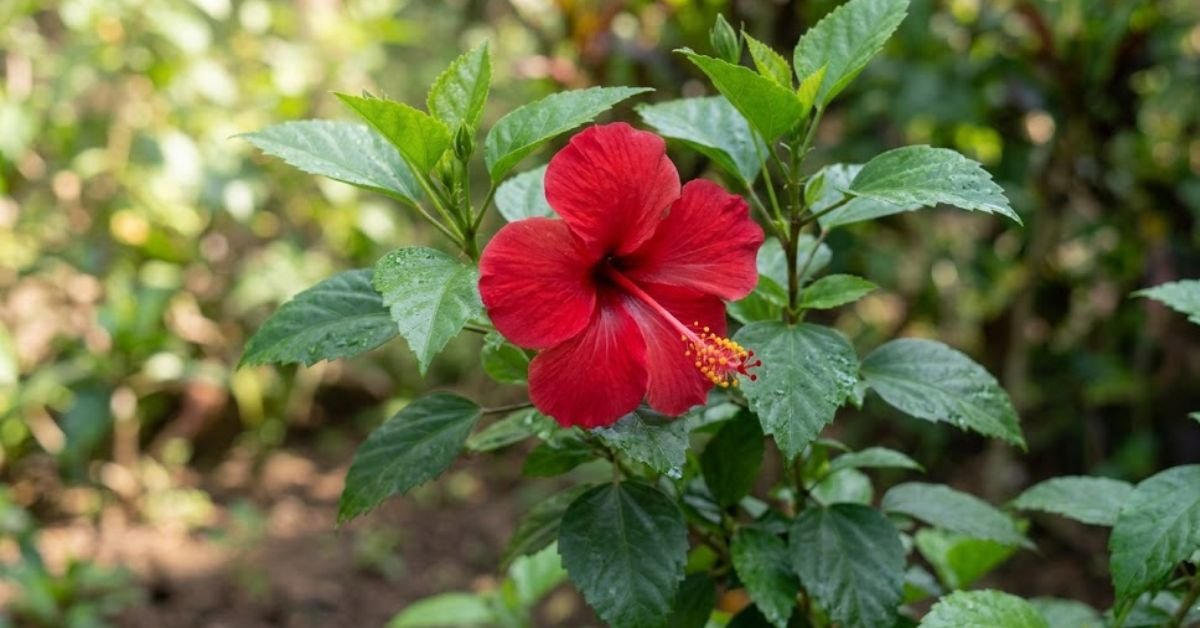
If you want your backyard patio or living room to feel like a five-star Hawaiian resort, you need this plant. To most American gardeners, it is known as the tropical hibiscus or the Chinese rose. However, in ancient Ayurvedic and Sanskrit traditions, it is called the japa plant (Hibiscus rosa-sinensis). It is famous for its massive, dinner-plate-sized blossoms that instantly steal the spotlight.
I still remember the first time I grew one in my greenhouse years ago. The sheer intensity of the fiery red petals stopped everyone in their tracks. It brings immediate drama to any space.
Here is a quick-reference guide for anyone looking to master this tropical beauty without any guesswork.
| Care Requirement | Quick Guidelines |
| Common Names | Japa plant, Tropical Hibiscus, Chinese Rose, Gudhal |
| Light | Direct, full sun (minimum 6 hours daily) |
| Watering | Keep soil evenly damp; never allow it to sit in standing water |
| USDA Zones | Outdoor perennial in Zones 9–11; bring indoors for Fall/Winter elsewhere |
| Soil Type | Lightweight, well-draining potting soil with a slightly acidic pH |
| Toxicity | Generally non-toxic to cats and dogs (can cause minor stomach upset if eaten) |
What is a Japa Plant and Why Should You Grow One?
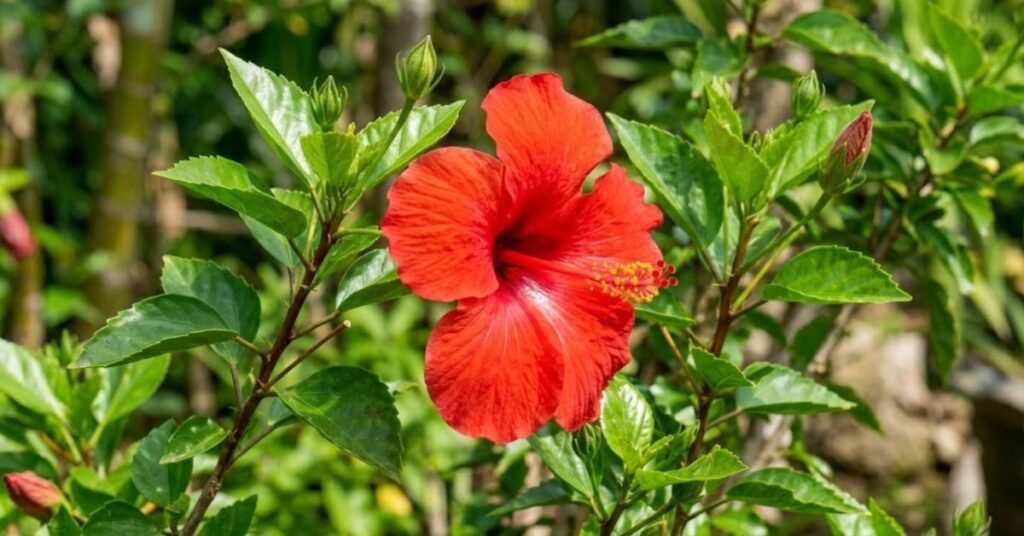
The japa plant is a spectacular evergreen shrub that loves heat and rewards you with gorgeous, showy flowers throughout the warmer months. People across the globe love it not just for its looks, but also for its traditional uses in hair oils and herbal teas. It is a fast grower when given the right environment.
Personal Pro-Tip: Do not freak out when individual flowers drop off after just 24 hours. A single blossom opens up for exactly one day before collapsing. That is completely normal! A happy, healthy specimen will continuously push out fresh buds all summer long.
Where to Grow a Japa Plant: Light and USDA Zones
Geography dictates how you should handle this shrub. If you live in a frosty northern climate, you cannot leave it outside year-round. It is a true tropical.
If you reside in sunny Southern California, Florida, or the southern tip of Texas which fall into USDA Hardiness Zones 9 through 11 you can plant it straight into the ground. It will grow into a massive, gorgeous landscape shrub. For the rest of us living in the Midwest or Northeast, containers are mandatory.
This plant needs a minimum of six hours of blasting, direct sunlight daily to build up the energy to create its iconic flowers. Indoors, your best bet is a bright, unobstructed south facing window.
Personal Pro-Tip: When you inevitably move your container indoors for the winter, expect a major tantrum. It will likely drop a large portion of its leaves. I used to panic when this happened, but it is just the plant adapting to lower light levels. Don’t overreact; just reduce your watering and let it rest.
How to Water a Japa Plant Without Rotting the Roots
Watering this beauty is a fine balancing act. During the absolute peak of a hot American summer, a large container-grown specimen drinks like a marathon runner. You might find yourself watering it every single morning.
Run water from your kitchen faucet or garden hose until it streams freely out of the bottom drainage holes. But here is the critical catch: it despises swampy, waterlogged dirt. If the root system sits in a stagnant puddle inside a decorative saucer, the roots will quickly suffocate, rot, and die.
Personal Pro-Tip: Always do the finger test before picking up your watering can. Shove your index finger two inches deep into the potting soil. If it feels wet or sticky, step away. If it feels dry and dusty, give it a deep, satisfying drink.
The Best Potting Soil Mixture for a Container Japa Plant
Never dig up regular dirt from your backyard to put into a container. It packs down way too tightly, trapping moisture and choking out oxygen.
Instead, buy a premium, lightweight potting soil from your local garden center. Look for a mix that includes ingredients like peat moss and perlite. The peat moss provides the slight acidity that this shrub loves, while the perlite ensures excellent drainage.
Personal Pro-Tip: Choose an unglazed terra cotta or clay pot instead of plastic. Terra cotta is porous, which means it allows the soil to breathe from the sides. This helps dry out the soil evenly and protects you from the dangers of accidental overwatering.
Common Mistakes Americans Make with the Japa Plant
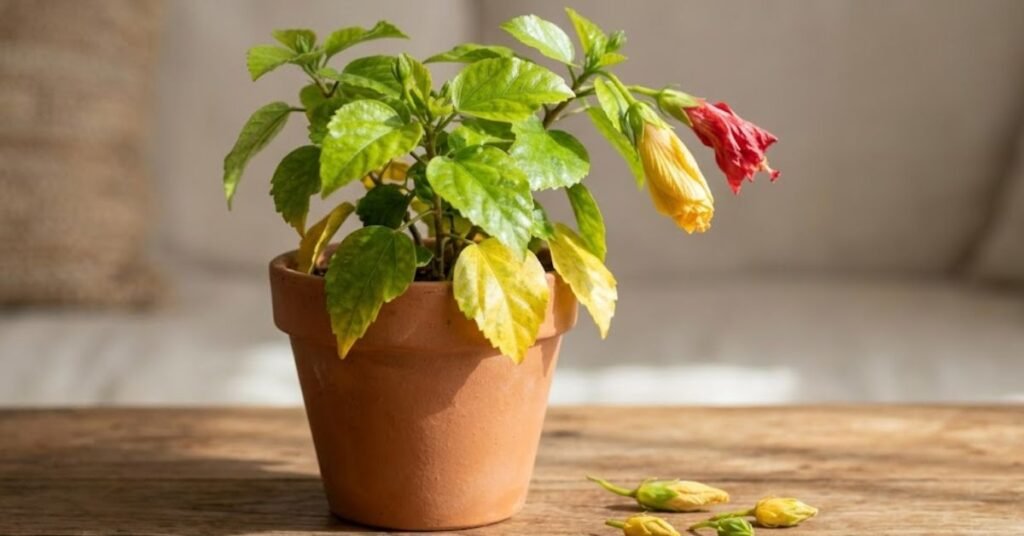
I see indoor gardeners fail with this plant all the time. Usually, it comes down to two specific household factors.
Blasting Your Greens with Dry Air Conditioning Vents
In the US, we love cranking up our central air conditioning during July and August. Your tropical greens absolutely hate it. If you place your indoor pot directly beneath or next to an AC vent, the continuous draft of freezing, dry air will cause the developing flower buds to turn yellow and drop off before they ever get the chance to open.
Forgetting to Move an Outdoor Japa Plant Indoors for Fall
Autumn has a habit of sneaking up on us. A sudden, surprise overnight frost can turn a stunning, vibrant green shrub into a pile of black mush in a matter of hours. Keep a close eye on your local weather app as summer winds down. When overnight lows consistently trend toward 50°F, carry that pot inside immediately.
Personal Pro-Tip: If your indoor winter air is bone-dry from your home’s heating system, place the pot on a shallow tray filled with pebbles and water. As the water evaporates, it creates a pocket of humidity around the leaves. Just make sure the bottom of the pot isn’t resting directly in the water.
Troubleshooting Your Japa Plant Issues
Plants talk to us through their leaves. You just have to learn how to interpret the signals.
Why Are My Japa Plant Leaves Turning Yellow?
Widespread yellowing leaves especially the older ones near the base of the branches usually mean you are being way too generous with the watering can. Give the dirt time to dry out. However, if the leaves look yellow but the veins remain dark green, your plant is suffering from chlorosis. This means it lacks nutrients and needs a dose of balanced fertilizer with micronutrients.
What Causes Crunchy Brown Tips on a Japa Plant?
This is a classic cry for humidity or a sign of severe underwatering. If you miss a few watering cycles and the soil turns bone-dry, the edges of the foliage will crisp up like potato chips. Trim away the dead, crunchy edges and establish a more consistent watering schedule.
Personal Pro-Tip: Keep an eye out for tiny, faint webbing on the undersides of the leaves. These are spider mites, and they love dry indoor air. Take the plant to your bathroom shower and wash the foliage down with lukewarm water, or wipe them out using an organic insecticidal soap.
Toxicity Warning: Is It Safe for Cats and Dogs?
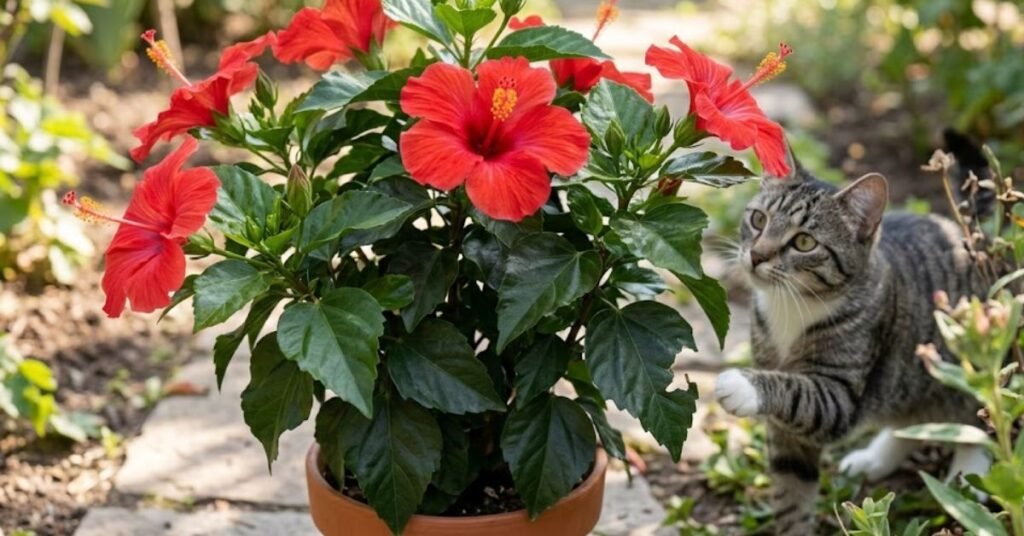
Good news for pet owners. The ASPCA officially lists Hibiscus rosa-sinensis as non-toxic to dogs, cats, and horses. You can breathe a sigh of relief if your curious cat takes a playful swipe at a fallen bloom.
With that said, no plant material is truly part of a carnivore’s natural diet. If your dog decides to eat half the bush, they will likely end up with a mild stomach ache, nausea, or a messy cleanup on your living room rug.
Personal Pro-Tip: Keep the pot elevated on a heavy plant stand if you have pets that love to chew. It keeps your animals safe from an upset belly, and more importantly, it protects your hard work from being torn to shreds.
Frequently Asked Questions
Q1. How do I get my japa plant to produce more flowers?
Sunlight is the main secret. If your shrub isn’t blooming, it almost always means it needs a brighter location. Additionally, feed it a fertilizer that is high in potassium but low in phosphorus during the spring and summer months to boost bud production.
Q2. Can I use water straight from my home faucet?
Yes, standard tap water from the faucet is fine. However, if your local city water is heavily chlorinated, let the water sit out in an open pitcher for 24 hours before using it so the chemicals can dissipate.
Q3. Why are the flower buds falling off before they even open?
Bud drop is a classic reaction to environmental shock. Check for hidden pests like thrips, ensure the soil isn’t swinging between bone-dry and waterlogged, and verify that the plant isn’t sitting in front of a freezing AC vent.
Q4. How large does a japa plant actually get?
Outdoors in places like Florida, they can easily reach 8 to 10 feet tall. When restricted to an indoor living room container, you can easily keep them pruned to a very manageable 3 to 4 feet.
Q5. When is the best time of year to prune my shrub?
Prune it in the early spring just as the plant wakes up from its winter resting phase. This encourages heavy branching. Because flowers only form on fresh, new wood, smart spring pruning leads to an explosion of blooms later in the season.
Q6. Do I need to deadhead the old, wilted flowers?
Yes. Plucking off the faded, spent flowers keeps the plant looking neat and tidy. It also stops the plant from expelling its energy trying to create unnecessary seed pods.
Q7. Why does my plant look wilted even though the potting soil is soaking wet?
This is a major warning sign of root rot. When soil stays waterlogged for too long, the roots drown and die. Because the dead roots can no longer pull up moisture, the top of the plant wilts from dehydration. Stop watering immediately, check the roots for mushiness, and repot into fresh, dry soil if necessary.
Final Thoughts on Growing This Gorgeous Shrub
Caring for a japa plant doesn’t require a master’s degree in botany. Give it a massive dose of sunshine, keep the soil evenly moist, and protect it from freezing winter weather and harsh indoor AC drafts. Do those simple things right, and you will enjoy a stunning, colorful piece of the tropics right inside your own home.
Personal Pro-Tip: Take plenty of pictures when your first big bloom opens up! The vivid colors are incredibly rewarding, and tracking your plant’s progress season after season is the absolute best part of being a plant parent.

Amin Khalid is a professional horticulturist and the founder of LeafyWisdom. With a deep passion for home gardening and horticultural research, he specializes in providing practical, easy-to-follow care guides for indoor plants. Amin’s goal is to simplify gardening for everyone and help fellow plant lovers build their own thriving green spaces.

No responses yet