
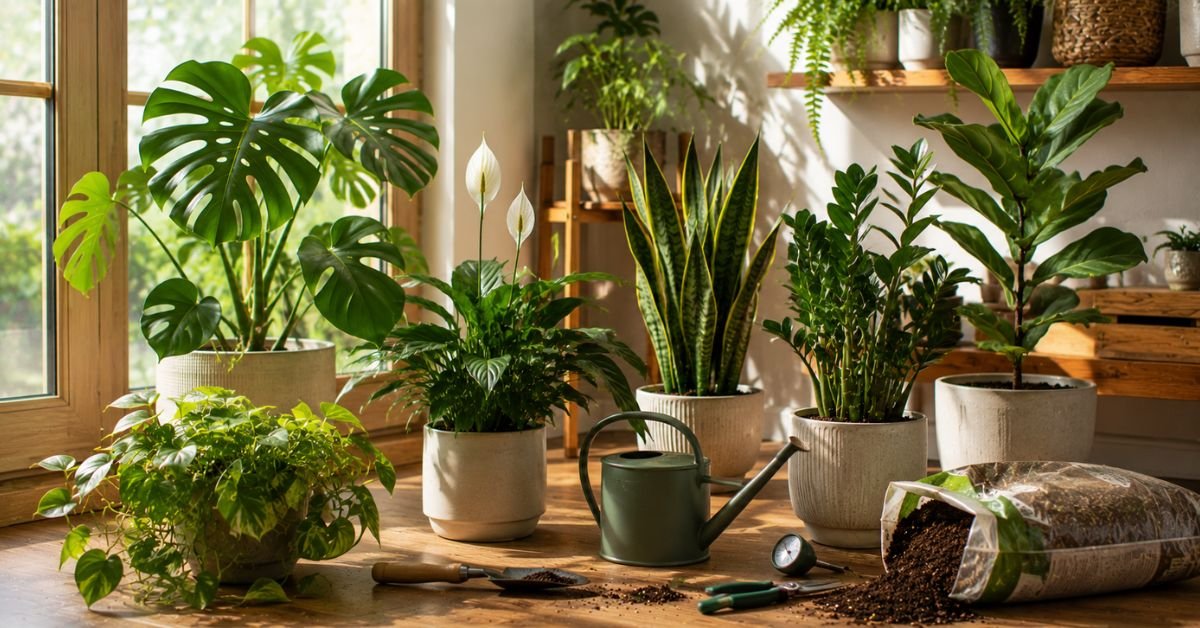
I’ve spent decades working in commercial greenhouses and managing private estates across the country. In my time cultivating potted plants, I’ve found that most folks overcomplicate container gardening. We tend to forget that a plant sitting in a pot relies on us for absolutely everything from the specific potting soil we select to the quality of the water we pull right out of the faucet.
Whether you’re fighting aggressive summer air conditioning in Texas or a short, frosty Fall in New England, growing healthy potted plants doesn’t have to be a miserable guessing game. Forget the sterile textbook advice you see buried on page 10 of search results. Here is the exact, greenhouse tested breakdown of how to keep your greenery looking incredible year-round.
Quick Care Guide for Potted Plants
| Factor | Ideal Target | My Honest Notes |
| Light | Varies strictly by species | South-facing windows will scorch delicate leaves if you aren’t careful. |
| Soil | Well-draining potting soil | Never use heavy yard dirt. It chokes the roots completely. |
| Water | When top 2 inches dry out | Use room-temperature water straight from the faucet. |
| Climate | 65°F to 80°F indoor average | Keep foliage far away from drafty AC vents! |
Pro-Tip from my Bench: A cheap moisture meter takes the guesswork out entirely. It’s the number one tool I recommend to prevent accidental root rot from overwatering.
Matching Indoor Potted Plants to Your Environment
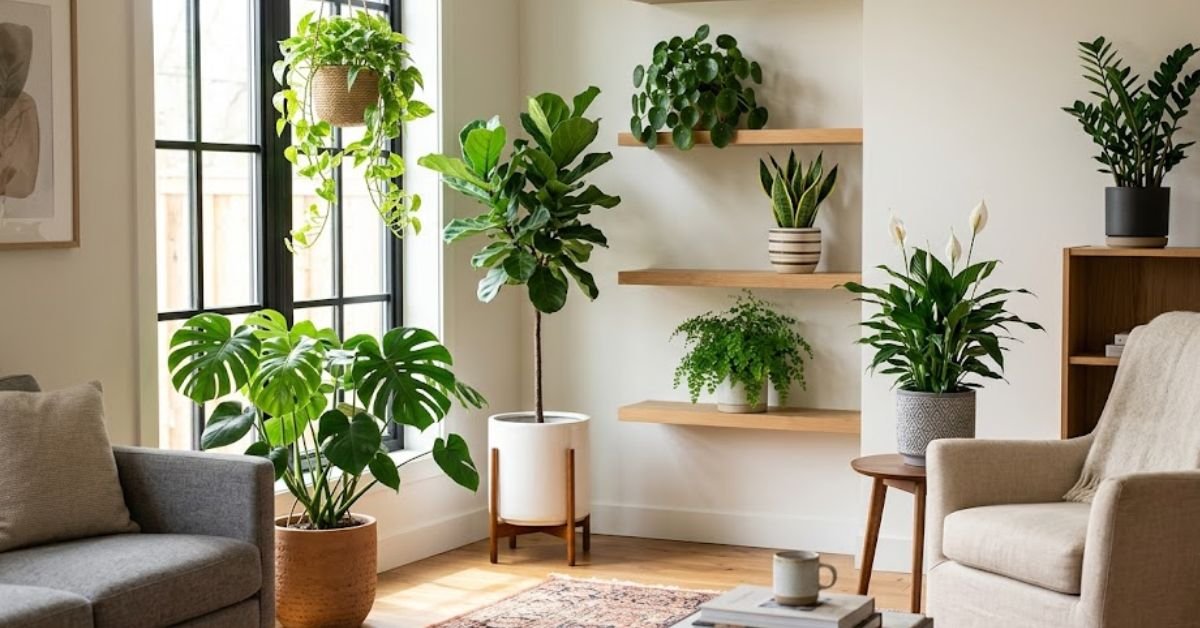
Checking your local USDA Hardiness Zone is mandatory if you are buying outdoor greenery for your patio. In my years of consulting, I see people buying gorgeous tropicals at big-box stores in Zone 4, only to watch them freeze solid by October.
For indoor potted plants, the USDA zone matters less. Your specific indoor microclimate is everything. US homes are sealed tight for energy efficiency, which means central heating drops winter humidity down to desert levels.
Pro-Tip from my Bench: Grouping humidity-loving container plants together on a large pebble tray filled with water creates a tiny, localized humid microclimate right in your living room.
The Real Secret to Watering Your Potted Plants
How often should you water? It’s the highest-volume search query for a reason, but rigid watering schedules are a myth.
You have to read the soil. Stick your finger about two inches deep into the potting soil. If it feels completely dry, head to the sink and give the roots a good soak until water runs out the bottom drainage holes. If it’s still damp, walk away. Put the watering can down.
Pro-Tip from my Bench: Don’t shock tropical roots with ice-cold water straight from the pipes during a northern winter. Keep your watering can at room temperature to keep the root system resting easy.
Common Mistakes: Why Potted Plants Struggle
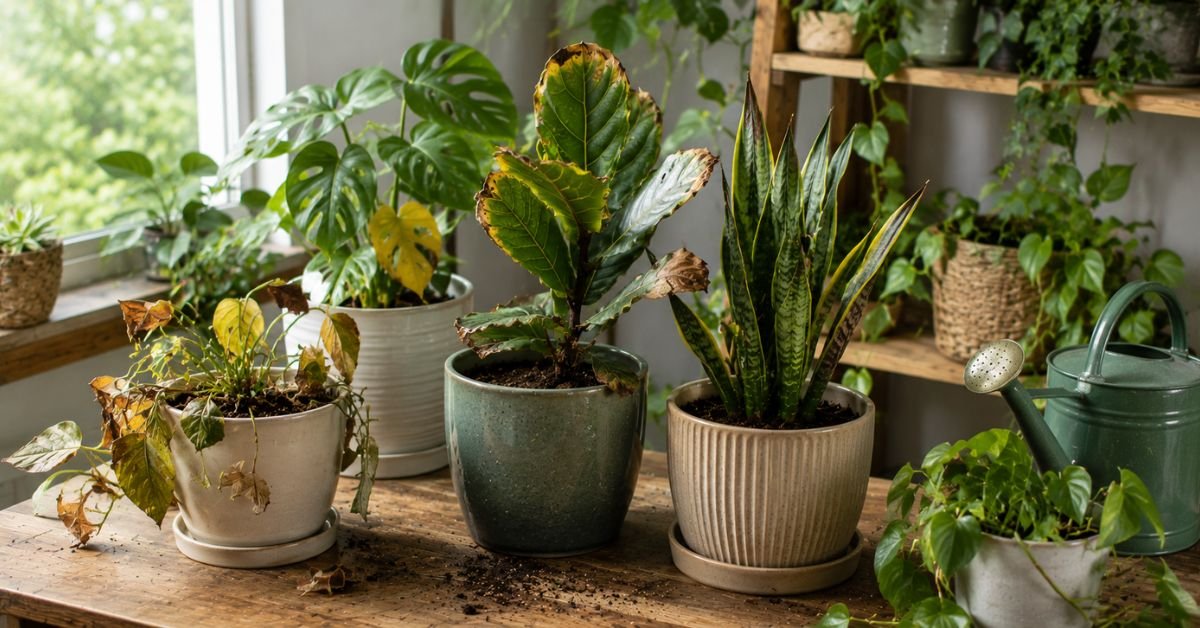
We Americans love our climate control. Blasting the air conditioning in July feels fantastic to us, but it usually spells disaster for container gardens. AC vents blow freezing, bone-dry air directly onto delicate leaves, stripping moisture faster than the root system can absorb it.
Another massive failure is potting up into containers without drainage holes. People buy a beautiful ceramic pot, dump some heavy topsoil in it, and essentially drown their greenery. Always use proper potting soil and pots with holes.
Pro-Tip from my Bench: If you fall in love with a decorative pot that lacks a drainage hole, use it as a “cachepot.” Keep the greenery in its ugly plastic nursery pot, slip it inside the fancy container, and just pull it out when it’s time to water.
Troubleshooting Sick Foliage
When things go wrong, the foliage gives you very visible clues.
- Yellow Leaves (Lower half): You are almost certainly overwatering. The roots are sitting in mud and literally suffocating. Let the potting soil dry out.
- Crispy Brown Tips: This usually points to a lack of humidity or a buildup of harsh minerals from the faucet. Flush the soil with a heavy watering in the sink and move the pot away from heating vents.
- Leggy, Stretched Stems: The foliage is begging for more light. Drag it closer to a bright window.
Pro-Tip from my Bench: Cut completely yellow leaves off immediately with sterilized shears. A plant wastes valuable energy trying to heal dying tissue that can’t be saved.
Toxicity Warning: Are Your Potted Plants Safe for Dogs and Cats?
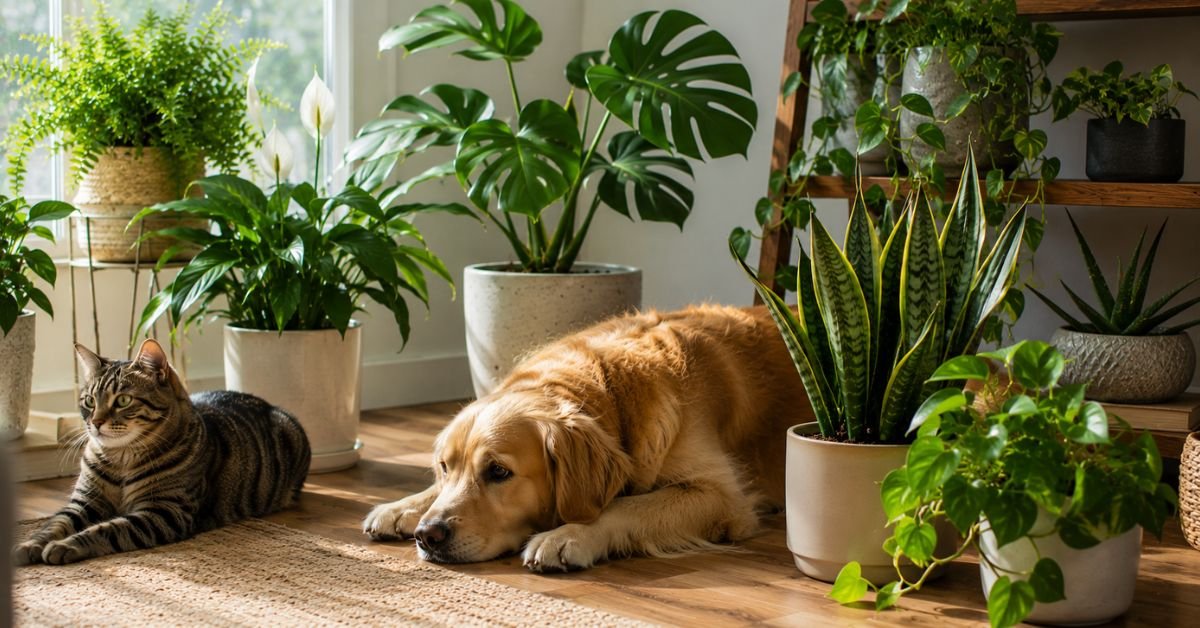
If you share your home with furry friends, you cannot skip this step. Some of the most popular house species sold across the country are highly toxic to pets.
Lilies, Sago Palms, and Dieffenbachia are massive red flags for pet owners. If a cat chews on a true lily, it can trigger fatal kidney failure in just days. Always check the ASPCA toxic plant list before bringing anything new through your front door.
Pro-Tip from my Bench: For homes with curious cats, stick strictly to Spider Plants, Boston Ferns, and Peperomias. They look fantastic and are completely non-toxic if a pet takes a bite.
FAQs
Q1: Can I use regular garden dirt for my indoor potted plants?
Absolutely not. Yard dirt is way too dense, carries pests, and compacts heavily in containers. Buy a dedicated indoor potting soil.
Q2: Should I put rocks at the bottom of the pot for drainage?
No. This old myth actually creates a “perched water table.” It moves the soggy soil closer to the roots. Just use a pot with a hole and standard potting soil.
Q3: When is the best time to repot container plants?
Early Spring is ideal. The natural increase in daylight triggers a rapid growth phase, helping roots recover from the shock before Fall arrives.
Q4: Why are there tiny black flies flying around my living room?
Those are fungus gnats. They breed in constantly wet soil. Let the top layer of dirt dry out completely between waterings, and grab some yellow sticky traps.
Q5: Should I mist the leaves to increase humidity?
Misting only raises humidity for a few minutes. A small room humidifier is much more effective against dry AC air.
Q6: Do I really need to fertilize my indoor greenery?
Yes. Every time you water, essential nutrients wash out of the drainage holes. Feed them a diluted liquid fertilizer during the active Spring and Summer seasons.
Q7: How do I know if my pot is too small?
If you see thick roots poking out of the top soil or escaping through the bottom drainage holes, it’s time to bump up to a pot that is one to two inches wider.
Final Thoughts on Your Container Garden
Gardening is basically one long series of experiments. I’ve killed my fair share of greenery over the decades, and that’s exactly how you learn.
Pay attention to your specific environment. Understand how your summer AC and winter heating change the game entirely. Use good potting soil. Respect your USDA zone for the outdoor stuff. Stop overwatering. You’ll be amazed at how quickly things improve when you actually listen to what the leaves are telling you.
Amin Khalid is a professional horticulturist and the founder of LeafyWisdom. With a deep passion for home gardening and horticultural research, he specializes in providing practical, easy-to-follow care guides for indoor plants. Amin’s goal is to simplify gardening for everyone and help fellow plant lovers build their own thriving green spaces.

No responses yet