
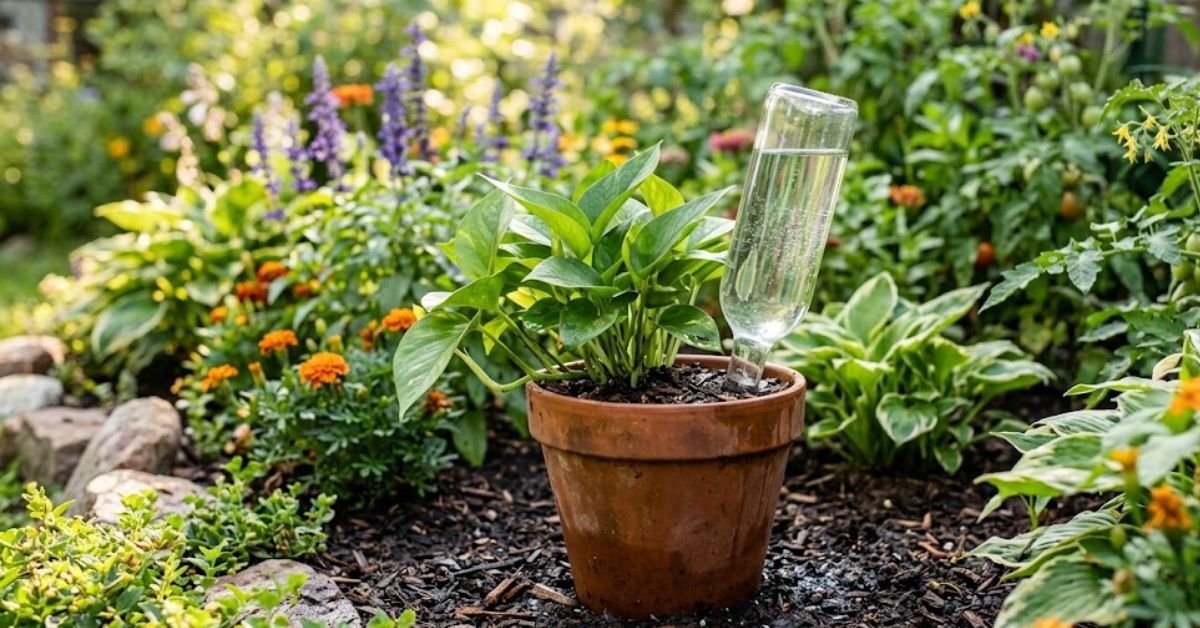
Packing your bags for a vacation is always exciting, but figuring out how to water plants while away can quickly trigger a massive amount of pre-trip anxiety. Nobody wants to spend their entire trip wondering if their expensive fiddle leaf fig or favorite monsteras are slowly shriveling up in a quiet, closed-up house. Walking through your front door after a great getaway only to find a living room full of crispy, dropped leaves and dead stems is an absolute nightmare.
Learning this essential skill is what separates casual plant buyers from long-term indoor jungle curators.
I have spent decades managing commercial greenhouses, sprawling backyard vegetable plots, and sensitive indoor collections. I have navigated scorching summer heatwaves in the American South and dry winter heating seasons in the Northeast. Over the years, I have tested almost every automated gadget and DIY trick on the market.
You do not need to spend a fortune on high-tech irrigation setups or guilt-trip your neighbors into visiting your house every single day. This guide breaks down my favorite, field-tested strategies to keep your greenery perfectly hydrated while you are out enjoying the world.
A Quick Blueprint on How to Water Plants While Away
If you are currently packing your suitcase and need an immediate game plan, use this breakdown to match your vacation timeline with the right watering method.
| Trip Length | Recommended Strategy | Indoor/Outdoor Split | Preparation Time |
| 1 to 4 Days | Deep watering session right before you step out the door | Works for both | 5 minutes |
| 5 to 10 Days | The inverted glass bottle trick or a capillary wicking setup | Best for indoor pots | 20 minutes |
| 10 to 14 Days | Grouped bathtub soaking or a sealed plastic bag micro-greenhouse | Indoor only | 30 minutes |
| 2+ Weeks | Automated faucet timers coupled with custom drip lines | Highly recommended for both | 1 to 2 hours |
Personal Pro-Tip
Never test a brand-new DIY watering setup the night before a long flight. I once rigged up an untested wicking system on my kitchen island before a trip to California. I returned to a completely drained water reservoir, a ruined laminate floor, and bone-dry ferns. Set your system up a week early so you can watch how fast the water actually drains.
Classic Blunders Americans Make When Trying to Water Plants While Away
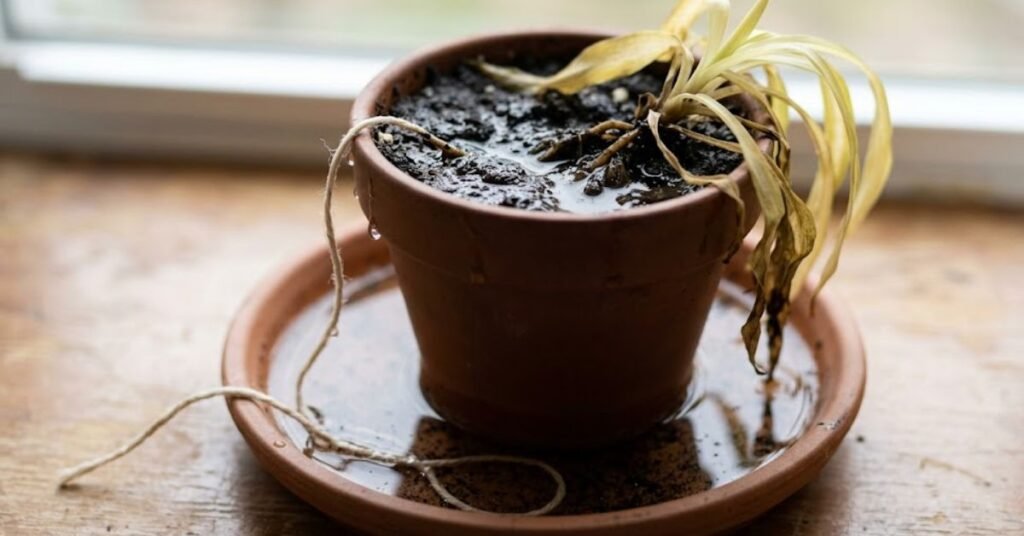
The vast majority of plant losses during vacation do not happen because owners forgot to give them water. They happen because people misunderstand how their home environment changes when they leave.
In the United States, our heavy reliance on central air conditioning creates a major variable. If you leave your AC blasting at 68°F while you are gone, that constant stream of dry, chilled air strips moisture away from your container’s potting soil incredibly fast.
Conversely, turning your AC completely off during a July vacation can turn a closed-up house into a literal oven. This is especially true if you live down in USDA Hardiness Zones 8 through 11. High indoor temperatures skyrocket the evaporation rate of your soil.
My sweet spot is setting the thermostat to a stable 76°F or 78°F. This keeps the air warm enough to prevent massive energy bills, but cool enough to slow down transpiration.
Another massive mistake is overwatering out of pure panic. Drowning your monsteras or snake plants right before you walk out the door leaves them sitting in stagnant water. Without active airflow and normal light cycles, that stagnant pool causes root rot within days.
[Too Much Water] + [No Air Circulation] = Suffocated Roots = Root Rot
Outdoor container gardens face an uphill battle too. If you leave porch pots sitting in full afternoon sun while you are away, they will bake. Moving those containers into a shady, north-facing spot before you leave is non-negotiable for survival.
Personal Pro-Tip
Walk through your home and look for any pots sitting directly under or next to AC vents. Move them at least six feet away. The direct, artificial breeze from an HVAC system mimics a desert wind, drying out foliage far faster than stagnant air.
Low-Cost DIY Hacks: How to Water Houseplants While Away
You do not need fancy, expensive equipment to maintain proper soil moisture. These simple, budget-friendly strategies work beautifully if you set them up with care.
The Inverted Wine Bottle Method
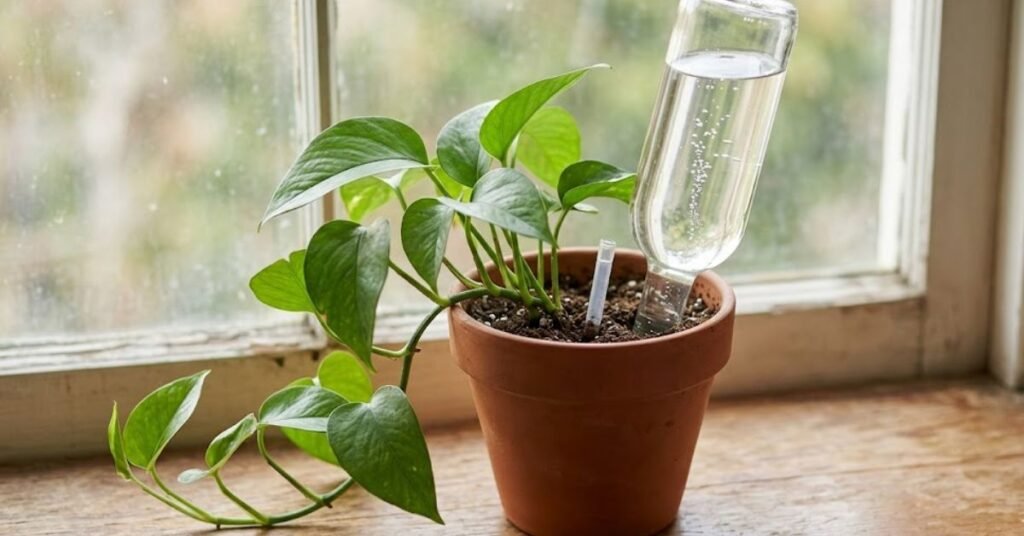
This is my go-to choice for medium-to-large potted plants when I am going to be gone for roughly a week. Take a clean, empty glass wine bottle or a heavy-duty plastic soda bottle and fill it completely with fresh water.
Quickly flip the bottle upside down and push the neck deep into the pot’s loose potting soil. Make sure you press it down at least three to four inches so it stays secure and sits near the main root ball.
The soil will slowly draw moisture out of the bottle as it dries out.
Setting Up a Capillary Wick System
If you have a whole collection of small-to-medium plants grouped together, a capillary wick setup is incredibly efficient.
Place a large five-gallon bucket or a giant mixing bowl full of water on top of a small stool or elevated surface. Arrange your potted plants on the floor around the base of that stool.
Cut lengths of 100% cotton clothesline or thick cotton yarn long enough to reach from the bottom of the water bucket to the soil of each plant. Submerge one end of the cord deep into the water source. Push the other end an inch deep into the potting soil of your plant.
The natural capillary action of the cotton draws water downward, keeping the soil perfectly damp without oversaturating it.
[Elevated Water Reservoir]
\
\ <– Cotton Wick (Capillary Action)
\
[Potted Plant on Floor]
Personal Pro-Tip
Gravity is the secret engine of a wicking system. Your water source must sit physically higher than the top of your plant pots. If the bucket sits on the exact same level as the containers, the water will not travel down the cord properly, and your plants will dry out.
Post-Vacation Troubleshooting: Fixing Your Greenery After You Get Back
Sometimes, despite your best efforts, you will return home to a few drama queens looking incredibly sad. Do not panic and throw them in the trash immediately.
- Symptom: Mushy, yellowing leaves and a swampy smell. Your DIY system delivered way too much water, and the roots are currently drowning. Remove the pot from any decorative outer ceramic sleeve or drainage saucer. Let it sit in a bright room with good airflow until the top two inches of soil are completely dry. Hold off on watering for a couple of weeks.
- Symptom: Crispy, brown leaf tips and drooping stems. Your plant ran out of moisture early and suffered from the dry indoor air. Take the pot straight to your bathroom or kitchen sink. Run the faucet on a gentle, lukewarm setting and give the soil a massive soak until water runs freely out of the bottom drainage holes. Let it drain completely, then clip away the completely dead leaves with clean shears.
Personal Pro-Tip
If a plant looks entirely dead, dry, and bare, do not give up just yet. Take your thumbnail and gently scratch a tiny piece of bark off the main stem near the base of the soil line. If you see a flash of bright green underneath, the plant is alive. Cut the dead top growth back and keep caring for it—it will likely sprout new leaves within a month.
Pet Safety Warning: Keeping Furry Friends Safe from Travel Watering Setups
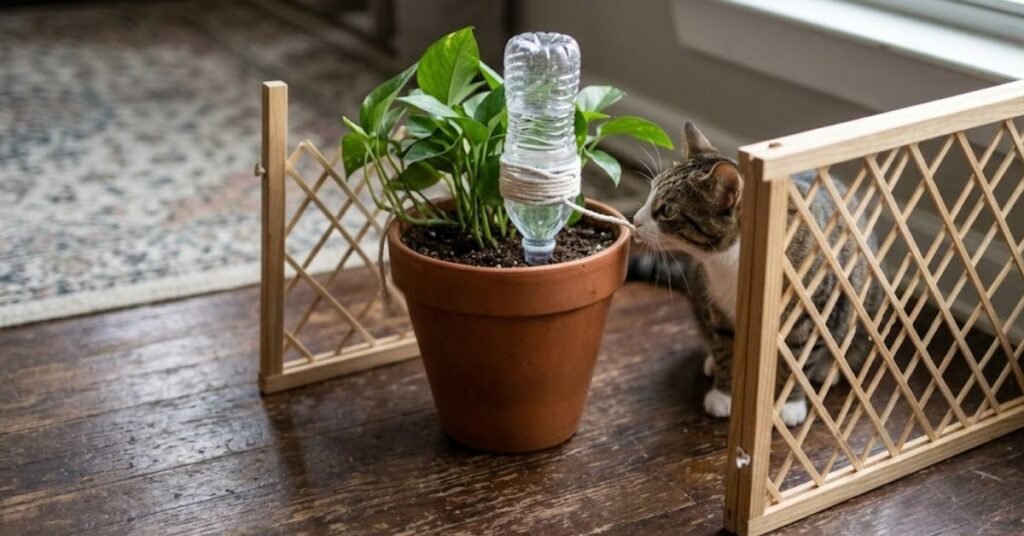
Modifying your home environment to handle plant care can introduce unexpected risks for dogs and cats.
Leaving large, open buckets of water on the floor or on low stools for a wicking system is a massive temptation for a curious pet. If you added liquid plant fertilizer to that water reservoir before leaving, your pets could ingest concentrated chemicals that can cause severe illness. Always use pure, unfertilized water for vacation setups. Better yet, confine your plant systems to a spare bedroom or bathroom that stays closed off from your pets.
Moving plants around to group them together can also cause problems. You might accidentally place a toxic variety like a peace lily, monstera, or pothos—on a low table or floor space where your cat or dog can easily chew on it out of boredom or separation anxiety. Keep your pet-safe varieties low and leave the toxic plants securely elevated.
Personal Pro-Tip
Cats love to play with dangling strings. A collection of cotton wicking lines running from an elevated bucket is an incredibly tempting toy. Secure your wicking lines or place the entire setup inside a room that your pets cannot access while you are away.
Frequently Asked Questions About How to Water Plants While Away
Q1. Is it a good idea to leave my plants sitting in a bathtub full of water?
This strategy works well, but only for specific moisture-loving varieties like ferns, calatheas, syngoniums, and pothos. Line your tub with an old towel to prevent scratching, add an inch or two of water, and set your plastic pots directly on top. Avoid doing this with succulents, cacti, or snake plants. Sitting in standing water for a week will rot their root systems completely.
Q2. How many days can a typical houseplant survive without water?
It depends heavily on the season and the species. During the spring and summer active growing periods, most tropical houseplants will start showing severe signs of stress after 7 to 10 days. During the winter, when plant metabolisms slow down dramatically, many varieties can go two to three weeks without any issue at all.
Q3. Should I buy glass or plastic watering globes for my outdoor containers?
If you are setting them up for outdoor porch containers or patio pots, always opt for plastic. Glass watering globes can act like a magnifying glass when direct, intense summer sunlight hits them. This creates a legitimate fire hazard if they are focused on dry mulch or dry leaves. Keep glass globes indoors.
Q4. Will my backyard vegetable garden survive a week-long trip without irrigation?
In-ground garden beds hold onto moisture significantly better than pots. If you apply a heavy, three-inch layer of clean straw, shredded leaves, or wood mulch across the soil surface, it locks in moisture. Give the garden a massive, deep soaking the morning you leave. An established vegetable garden can usually handle a week of summer weather under those conditions.
Q5. Does the plastic bag greenhouse trick actually work for long trips?
It is incredibly effective for smaller tropical plants that crave high humidity. Water the plant thoroughly, then wrap a clear plastic trash bag completely over the top of the plant. Use a few wooden chopsticks or bamboo stakes pushed into the soil to hold the plastic away from the actual leaves. This creates a sealed ecosystem where moisture evaporates, condenses on the plastic, and falls back into the soil. Keep this setup entirely out of direct sunlight so you don’t overheat the plant.
Q6. Can I use regular nylon or polyester string for a DIY wicking system?
No. Synthetic fibers like nylon, polyester, or acrylic are hydrophobic, meaning they repel water rather than absorbing it. They will not pull moisture from your reservoir. You must use 100% natural cotton rope, cotton clothesline, or genuine wool yarn for the capillary action to function properly.
Q7. Should I close all my window blinds before I leave for vacation to save water?
Do not shut them completely. While cutting down on light lowers the plant’s temperature and slows down water consumption, keeping plants in total darkness for two weeks straight will severely shock them. Tilt your window blinds upward. This reduces the intense, direct burning sun rays while still filling the room with plenty of bright, ambient light.
Final Thoughts for a Stress-Free Trip
Plants are remarkably tough, adaptive living things. Missing a routine watering by a few days is rarely a death sentence for a healthy, well-established plant.
Select a method that aligns with how long you will be away, run a quick test ahead of time to make sure the physics are working, and then go enjoy your vacation. Stop worrying about your fiddle leaf fig and leave the home security camera apps closed!
Amin Khalid is a professional horticulturist and the founder of LeafyWisdom. With a deep passion for home gardening and horticultural research, he specializes in providing practical, easy-to-follow care guides for indoor plants. Amin’s goal is to simplify gardening for everyone and help fellow plant lovers build their own thriving green spaces.

No responses yet