
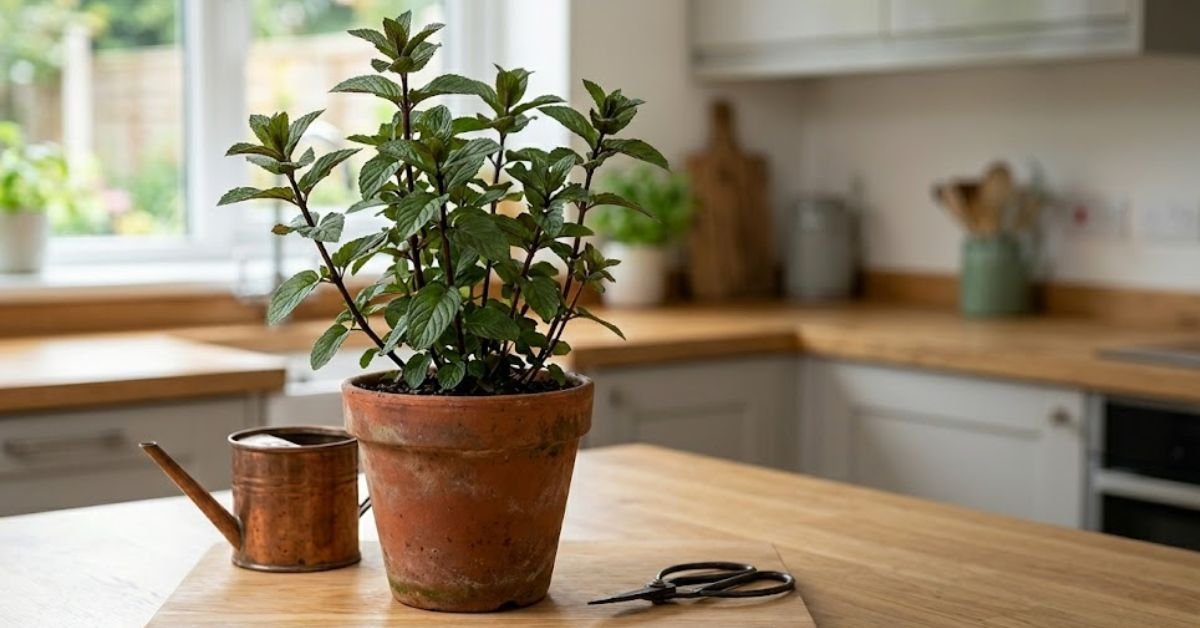
If you have ever brushed against a chocolate mint plant in mid-Summer, you already know why people fall in love with it. It smells exactly like a York Peppermint Pattie. I have been growing herbs across the US for over fifteen years, and this specific cultivar (Mentha × piperita ‘Chocolate’) remains one of my absolute favorites to share with backyard gardeners and indoor plant parents alike.
It is incredibly easy to grow. In fact, it is sometimes a little too easy, which we will get into in a minute.
Here is everything you need to know to keep your plant happy, healthy, and contained.
Quick Care Cheat Sheet for Your Chocolate Mint Plant
For those who just want the fast facts, here is the breakdown to get you started today.
| Care Element | Modern US Home & Garden Requirements |
| USDA Hardiness Zones | Zones 5 through 9 (survives winters outdoors easily) |
| Sunlight Needs | Full sun to partial afternoon shade |
| Soil Preference | Rich, moisture-retentive potting soil (for containers) |
| Watering Strategy | Keep soil consistently damp; do not let it dry out completely |
| Indoor AC Tolerance | Low; keep away from dry air conditioning vents |
| Pet Toxicity | Toxic to dogs and cats (contains essential oils) |
Personal Pro-Tip: Never plant this herb directly in your open garden beds unless you want your entire yard to become a mint farm by next Spring. Always use a container.
What Exactly is a Chocolate Mint Plant?
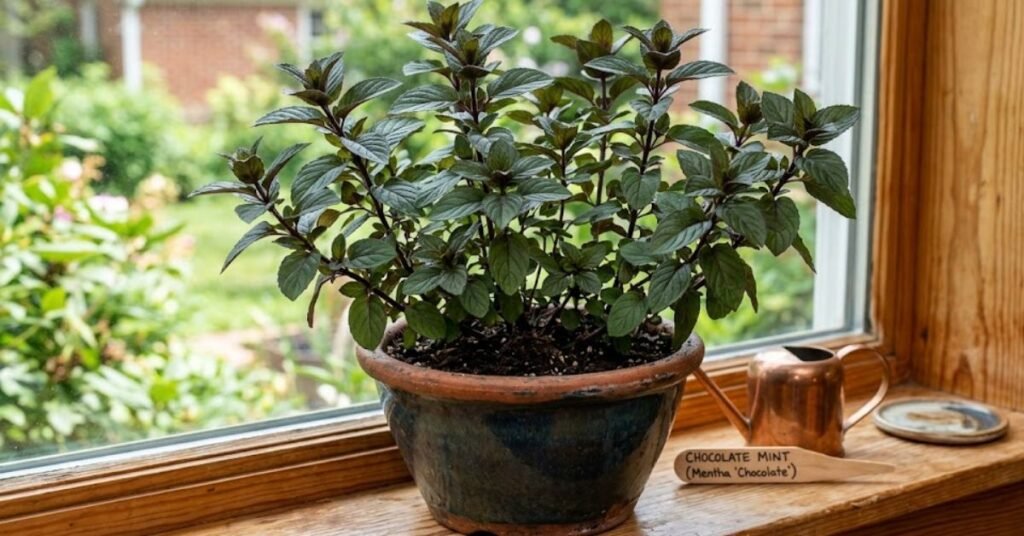
It is a real plant, not a genetically modified gimmick. This is a natural variation of standard peppermint. It features darker green leaves, distinctly purple stems, and a subtle undertone of cocoa in its scent profile.
I use it constantly in my kitchen. It makes an incredible addition to iced tea, summer cocktails, or chopped up over fresh strawberries.
Personal Pro-Tip: To get the absolute best flavor and scent out of your leaves, harvest them right before the plant starts producing its tiny purple flowers in late Summer. That is when the essential oils are peaking.
Sunlight Requirements for the Chocolate Mint Plant
In my experience growing this plant in both the blistering Texas heat and chilly Midwestern springs, light makes a huge difference in flavor. If you grow it in full sun, the oils get incredibly strong.
However, if you live down South where the July sun is brutal, give it some afternoon shade.
Indoor growers often struggle here. If it sits in a dark corner of your kitchen, the stems will stretch out, turn skinny, and lose that signature chocolate aroma. Put it on a south-facing windowsill if you can.
Personal Pro-Tip: If your indoor plant starts looking “leggy” (long, bare stems with tiny leaves), it is begging for more light. Move it closer to a window or buy a cheap LED grow light to supplement.
How to Water a Chocolate Mint Plant Without Drowning It
Mint loves moisture. It is not a cactus; you cannot forget about it for three weeks and expect it to survive.
When you water, take the pot to your kitchen faucet and soak it until water runs out of the drainage holes at the bottom. Then, let the excess drain completely. Never let the pot sit in a saucer full of standing water, or the roots will rot and turn to mush.
During hot summer spells, you might need to water outdoor pots every single day. Indoor plants won’t need it quite as often.
The Seasonal Watering Adjustment Plan
- Summer Peak (June–August): Check your outdoor pots every morning. If the temperature cracks 90°F, container plants dry out fast. You will likely need to give them a deep soak daily.
- Winter Dormancy (November–February): Dial it way back. Indoor heating dries the air, but the plant grows much slower during short days. Only water when the top two inches of potting soil feel completely dry.
- Spring & Fall Transitions: Check the soil every two to three days. Let natural rainfall handle outdoor pots, but double-check them if you hit a dry spell.
Personal Pro-Tip: Do the finger test. Shove your index finger an inch deep into the potting soil. If it feels dry, head to the faucet. If it feels damp, leave it alone and check again tomorrow..
Common Mistakes Americans Make with the Chocolate Mint Plant
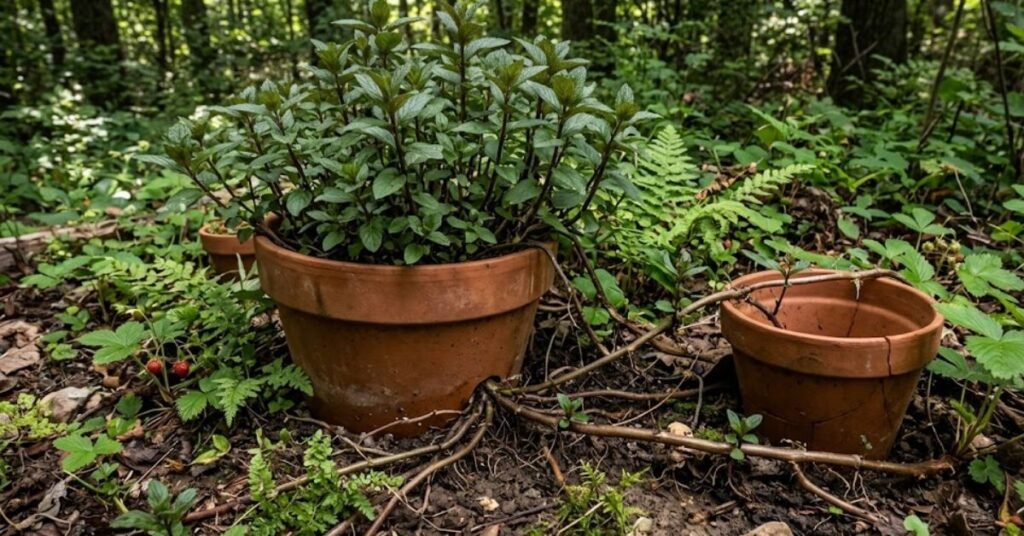
Most people kill or regret this plant for two specific reasons.
First, they treat it like a houseplant that can sit right under an air conditioning vent. Modern American AC units strip moisture from the air. This plant hates dry, blowing air. It causes the leaves to crisp up and drop.
Second, folks plant it directly in the ground without a barrier. Mint spreads via underground runners called stolons. I once watched a single 4-inch nursery pot take over an entire 10-foot landscaping bed in Ohio within a single season. It is relentless.
Personal Pro-Tip: If you absolutely want it in the ground for landscaping purposes, plant it inside a heavy-duty plastic bucket with the bottom cut out, then bury the bucket flush with the soil line. This traps the roots and stops the invasion.
Troubleshooting Issues with Your Chocolate Mint Plant
Plants talk to us through their leaves. Here is how to decode what your plant is trying to say.
Why are my leaves turning yellow?
This is almost always a sign of overwatering or poor drainage. If the potting soil stays waterlogged, the roots suffocate. Dial back your watering schedule and ensure your pot actually has drainage holes.
What causes dry, brown leaf tips?
This points to low humidity or underwatering. If it is sitting indoors near an AC vent or heating register, move it immediately. You can also mist the plant occasionally to boost the moisture in the air.
Why is the plant losing its chocolate smell?
If you feed it too much heavy fertilizer, it grows incredibly fast but the flavor compounds get diluted. Go easy on the plant food.
Personal Pro-Tip: If your plant looks old, woody, and tired in late Fall, cut the entire thing back down to about two inches above the soil line. It feels drastic, but it will burst back with fresh, highly fragrant growth in the Spring.
Is the Chocolate Mint Plant Safe for Pets?
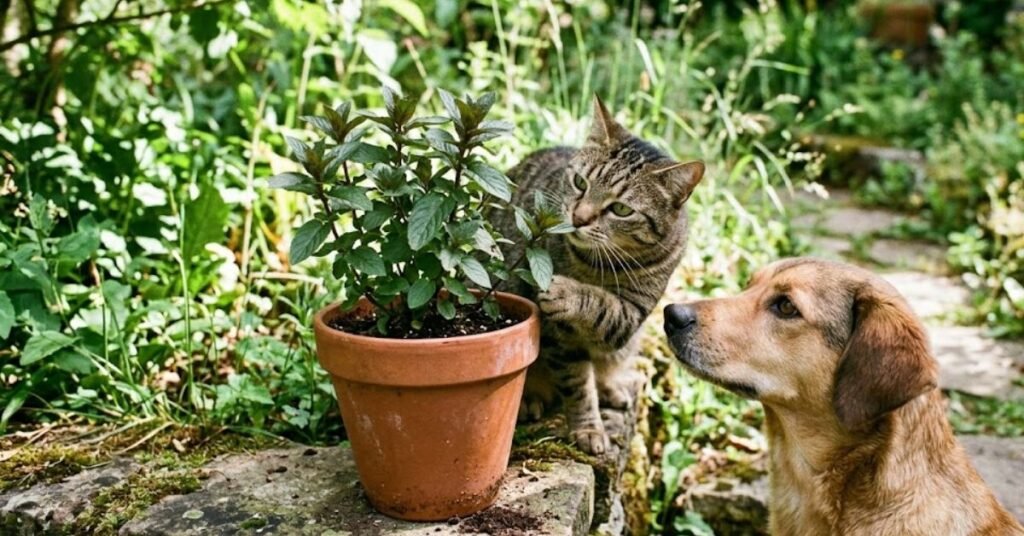
This is a huge deal for American pet owners. No, the chocolate mint plant is not safe for cats or dogs. According to the ASPCA, all members of the mint family contain essential oils that can cause significant digestive upset, vomiting, and diarrhea if eaten in large quantities. The name “chocolate” is just a description of the scent, so you don’t have to worry about actual cocoa toxicity, but the mint oils themselves are still a hazard.
Keep your containers up high on a shelf or hanging basket where curious paws cannot reach them.
Personal Pro-Tip: If your cat loves chewing on green things, grow a separate pot of organic oat grass (cat grass) right next to your windows to distract them away from your herb collection.
Frequently Asked Questions About the Chocolate Mint Plant
Q1. Does it actually taste like real chocolate?
Not exactly. It tastes like a very clean, crisp peppermint with a distinct cocoa aroma. The scent tricks your brain into tasting chocolate. It won’t replace a Hershey’s bar, but it adds a beautiful dessert-like layer to drinks and pastries.
Q2. Can I grow it indoors through the winter?
Yes. Bring your outdoor pots inside before the first hard freeze in late Fall. Place it in your brightest window. It will slow down its growth during winter, but it will stay green as long as your indoor air isn’t completely dried out by central heating.
Q3. What kind of potting soil should I buy?
Skip the cheap, heavy dirt from the backyard. Grab a high-quality, well-draining commercial potting soil mix from your local garden center. Look for brands that include perlite (those little white volcanic glass rocks) because it keeps the soil fluffy and aerated.
Q4. How often should I fertilize it?
Hardly ever. I usually mix a small handful of organic compost or a weak, diluted liquid fertilizer into the soil once in the Spring. Over-fertilizing makes the plant grow weak stems with very little flavor.
Q5. Why are my plant’s stems turning deep purple?
Don’t panic! Purple stems are completely normal for this specific variety. In fact, that dark pigmentation is exactly how you distinguish it from regular spearmint or standard peppermint.
Q6. Can I use regular water from my kitchen faucet?
Generally, yes. Most tap water in the US is perfectly fine for herbs. If your local city water is heavily chlorinated and you notice the leaf tips looking sensitive, just fill your watering can and let it sit out on the counter overnight before using it. The chlorine will evaporate.
Q7. How do I make the plant bushier?
Pinch off the top growing tips regularly. If you just let it grow straight up, it gets tall and floppy. When you pinch off the top set of leaves, it forces the plant to branch out from the sides, giving you a much fuller, happier container.
Final Thoughts
Growing this herb is one of the most rewarding entry points into gardening. It is tough as nails, smells phenomenal, and gives you a constant supply of fresh ingredients for your kitchen. Just remember to keep it in a pot, keep it away from the AC vents, and keep it out of reach of your pets. Do those three things, and you will have a beautiful plant that returns year after year.

Amin Khalid is a professional horticulturist and the founder of LeafyWisdom. With a deep passion for home gardening and horticultural research, he specializes in providing practical, easy-to-follow care guides for indoor plants. Amin’s goal is to simplify gardening for everyone and help fellow plant lovers build their own thriving green spaces.

No responses yet