
If you are wondering exactly how to plant tulip bulbs this season, you’ve come to the right place. I’ve spent the better part of my life covered in dirt. Seriously. As a horticulturist working across various USDA Hardiness Zones, I’ve seen it all, and getting this specific Fall task right is my most frequently asked question around October.
People want that magical Spring display they see in magazines. But then they treat the bulbs like regular seeds, toss them in the dirt, and wonder why nothing comes up. The truth is, getting those bright cups of color to pop up in your yard isn’t complicated. You just need to understand what the bulb actually wants. Let’s look at exactly what you need to do.
Quick Care Table: How to Plant Tulip Bulbs at a Glance
- When to Plant: Fall (usually September through November). Wait until the soil cools down.
- USDA Zones: Zones 3-7 are perfect for direct planting. If you live in warmer Zones 8-10, you’ll need to pre-chill them in your fridge for 10-14 weeks.
- Planting Depth: 6 to 8 inches deep. A good rule of thumb is three times the height of the bulb.
- Sunlight: Full sun to partial shade.
- Watering: Give them one deep soak straight from the faucet right after planting. Then ignore them until Spring.
Personal Pro-Tip: Always give your bulbs a gentle squeeze before buying or planting. If they feel mushy or suspiciously light, throw them out. You want them to feel heavy and firm, kind of like a fresh garlic clove.
My Proven Method for How to Plant Tulip Bulbs Outdoors
In my years of growing these flowers, I’ve found that the biggest secret is timing and soil prep. You can’t just shove them into rock-hard clay and hope for the best.
When to Put Your Spring Bulbs in the Ground
Wait for the first real frost. The soil needs to be around 60°F or colder. If you plant them while it’s still warm, they might get confused, shoot up a sprout early, and then die when winter actually hits.
Digging the Hole and Prepping the Soil
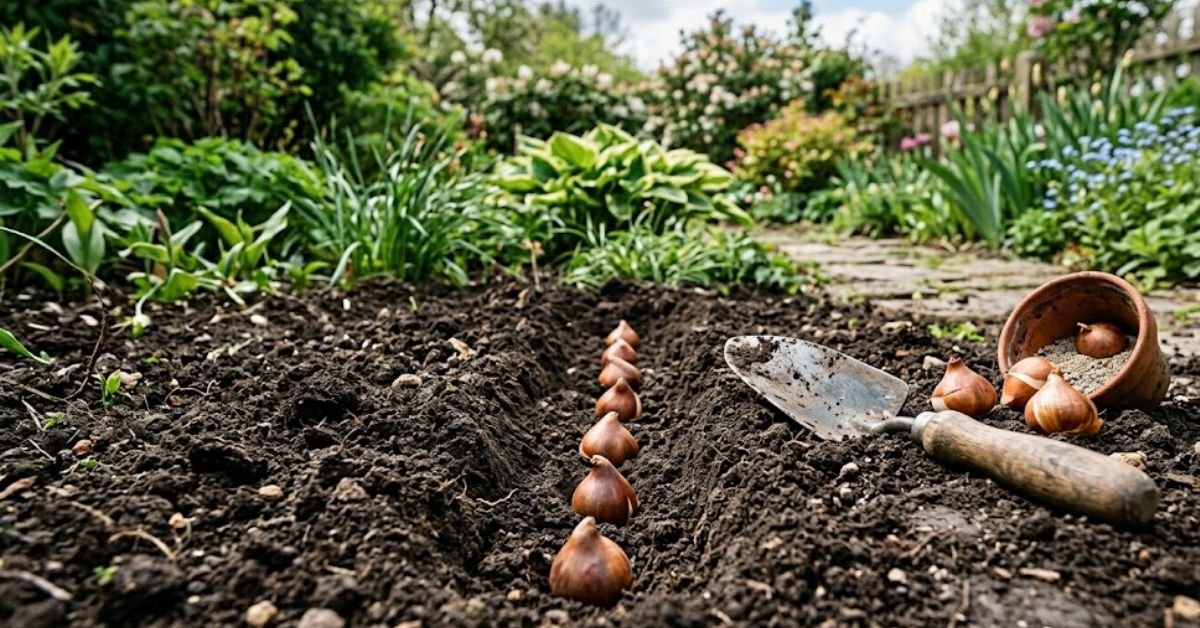
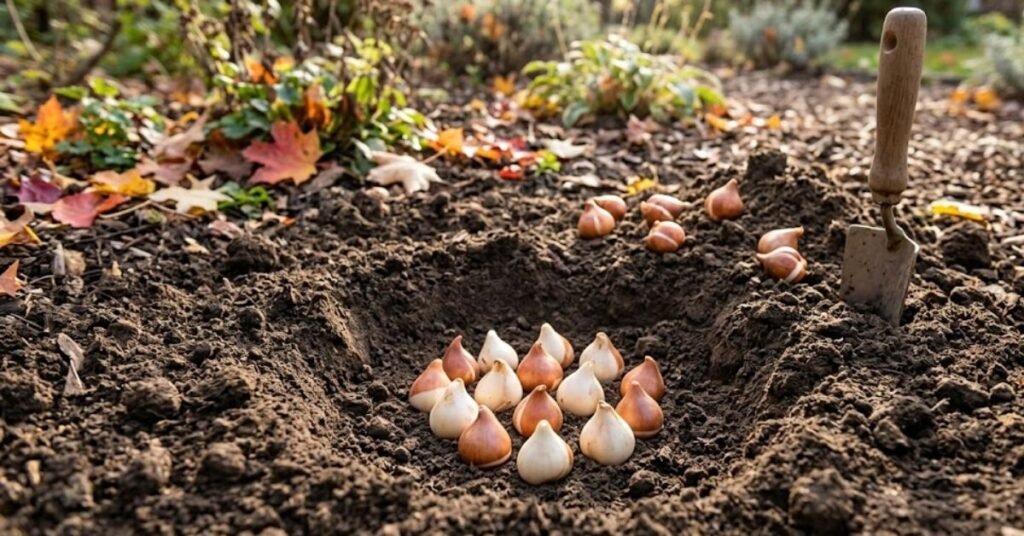
Pick a spot that gets plenty of sunlight and doesn’t hold standing water. Puddles will rot your bulbs fast. Dig a hole about 6 to 8 inches deep. Drop the bulb in with the pointy side facing up. Flat side down. If your yard is heavy clay, mix in some sand or gravel to help the water drain away.
Personal Pro-Tip: I never plant bulbs in single file lines. It ends up looking like a military parade. Instead, I dig a wide, shallow trench, toss about 10 to 15 bulbs in a loose cluster, and bury them together. It looks incredibly natural when they bloom.
Growing Tulips Indoors: Beating the Winter Blues
Yes, you can absolutely force these to grow inside your house. Learning how to plant tulip bulbs indoors is a lifesaver when February hits and you are desperately tired of the gray weather.
Grab a pot with drainage holes. Do not use dirt from your yard. Grab a bag of high-quality potting soil. Fill the pot about halfway, arrange your bulbs closely together (they can almost touch), and cover them up so the very tips are just barely exposed.
Here is the catch. They still need winter. You have to simulate a freeze by putting the pot in a cold, dark garage or a spare refrigerator (keep them away from apples, the gas ruins them) for about 12 weeks. Once you see a couple of inches of green growth, bring the pot out into a sunny room. Just keep them away from your AC vents or forced-air heating registers. That dry indoor air will crisp up the leaves in a matter of days.
Personal Pro-Tip: When I bring my forced pots out of the cold, I start them in a slightly cooler room for a few days before moving them to a bright, warm window. The shock of going straight from 35°F to a 72°F living room can sometimes stunt the flowers.
Common Mistakes Americans Make When Planting Tulip Bulbs
We love to overdo it here in the US. More water, more fertilizer, more everything. That usually kills the plant.
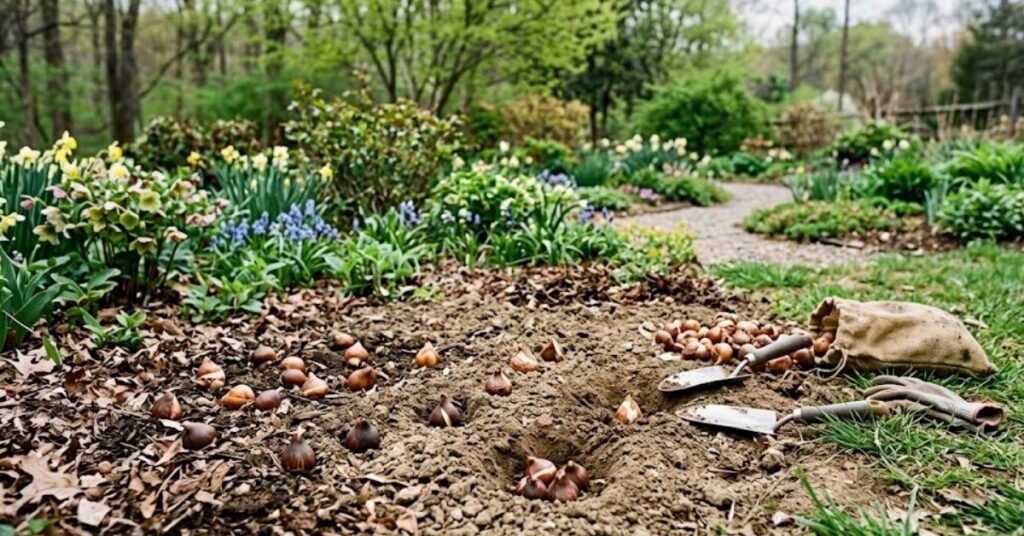
- Planting Too Shallow: If you only go 3 inches down, the winter freeze-thaw cycle will literally heave the bulb right out of the soil. The local squirrels will thank you for the free lunch.
- Drowning Them: You only need to water them once when you plant them in the Fall. Unless you are having a freak, months-long winter drought, the natural rain and snow is enough.
- Cutting the Leaves Too Early: This breaks my heart every year. After the flower dies in the Spring, the leaves look messy and yellow. People grab their shears and cut the leaves off to make the yard look neat. Stop! The plant is using those ugly leaves to soak up sunlight and store energy for next year’s flower. Leave the foliage alone until it turns completely brown and pulls away with zero resistance.
Personal Pro-Tip: Squirrels and chipmunks treat my garden like a buffet. If you have pest problems, lay a piece of chicken wire flat over the soil after you plant your bulbs, then cover it with mulch. The shoots will grow right through the holes, but the rodents can’t dig down.
Troubleshooting Guide: Fixing Sickly Tulips
Sometimes things go wrong. It happens to the best of us.
- Leaves Turning Yellow Too Early? If the flower hasn’t even bloomed yet and the leaves are yellowing, your soil is holding too much water. The bulb is drowning. Back off the watering immediately. If they are in a pot, check the drainage holes.
- Brown, Crispy Tips? Usually a sign of dry, harsh winds outside, or sitting too close to a blasting AC vent inside.
- No Flowers at All (Just Leaves)? This is called being “blind.” It usually means the bulb didn’t get enough chilling hours during the winter, or the bulb was too small and weak to produce a flower. It can also happen if they were planted in deep shade.
Personal Pro-Tip: If you have a pot of indoor tulips that look droopy, check the soil moisture. I use the finger test. Jam your index finger an inch into the potting soil. If it’s completely dry, give them a drink from the faucet.
Toxicity Warning: Keep Pets Away from Unplanted Bulbs
This is incredibly important for US households, as so many of us have pets running around the yard.
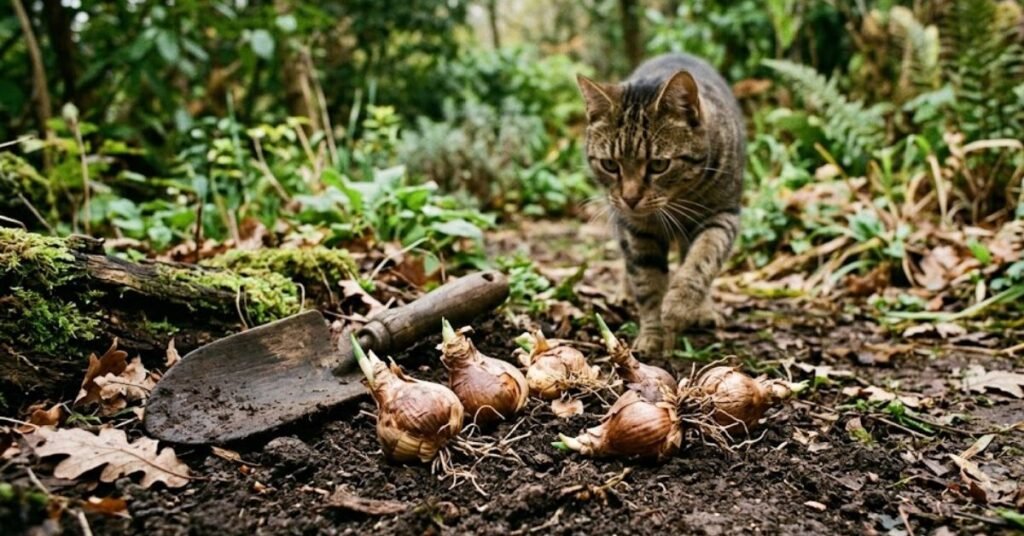
Tulips are highly toxic to dogs, cats, and horses. The highest concentration of the toxin is actually in the bulb itself, not just the petals. If your Golden Retriever digs up a freshly planted bulb and chews on it, you are looking at heavy drooling, vomiting, and a very expensive emergency vet bill. Keep your pets away while you are planting.
Personal Pro-Tip: I keep my bags of unplanted bulbs on a high shelf in the garage. Dogs are surprisingly attracted to the smell of them, so never leave an open bag sitting on the patio chair while you take a break.
FAQs on How to Plant Tulip Bulbs
Q1: Do I soak the bulbs in water before planting? No. Absolutely not. Soaking them will encourage rot. Put them in the ground dry.
Q2: What happens if I plant them upside down? They will usually figure it out and grow around the bulb toward the surface, but it drains their energy. The flower will likely be smaller or delayed. Just look for the pointy end—that goes up.
Q3: How late in the Fall can I put them in the ground? As long as you can stick your shovel in the dirt. If the ground is solidly frozen, you missed your window. I’ve planted them in late December during mild winters and they did perfectly fine.
Q4: Do deer eat them? Yes. Deer view them as candy. If you have heavy deer pressure, you might want to look into planting Daffodils instead (deer hate Daffodils).
Q5: Can I use regular yard dirt in my indoor pots? Please don’t. Yard dirt compacts inside a pot and turns into a brick. Always use a bagged potting soil mix for containers to ensure proper drainage and airflow.
Q6: How often should I water them in the Spring? If you are getting standard Spring rain showers, you don’t need to water them at all. Only pull out the hose if it hasn’t rained in a few weeks and the soil is completely bone dry.
Q7: Do they come back every year? Technically yes, but they rarely look as spectacular the second year. The Dutch breed them for one massive show. Many professional landscapers treat them as annuals, ripping them out and replanting fresh ones every Fall.
Personal Pro-Tip: If you really want them to return year after year, look for varieties labeled as “Species” or “Darwin Hybrids.” These are the most reliable perennial performers in American gardens.
Final Thoughts on Planting Spring Bulbs
Getting your hands dirty in the chilly Fall air is a ritual. Figuring out how to plant tulip bulbs is less about perfect science and more about just mimicking nature. Give them good drainage, let them freeze through the winter, and don’t smother them with love and water. It requires a little bit of patience, but when those bright colors finally break through the soil in the Spring, you’ll be glad you put the work in.
Personal Pro-Tip: I always buy 20% more than I think I need. A dense, packed planting always looks better than a sparse one, and you’re bound to lose one or two to rot or hungry critters anyway. Have fun out there!

Amin Khalid is a professional horticulturist and the founder of LeafyWisdom. With a deep passion for home gardening and horticultural research, he specializes in providing practical, easy-to-follow care guides for indoor plants. Amin’s goal is to simplify gardening for everyone and help fellow plant lovers build their own thriving green spaces.

No responses yet