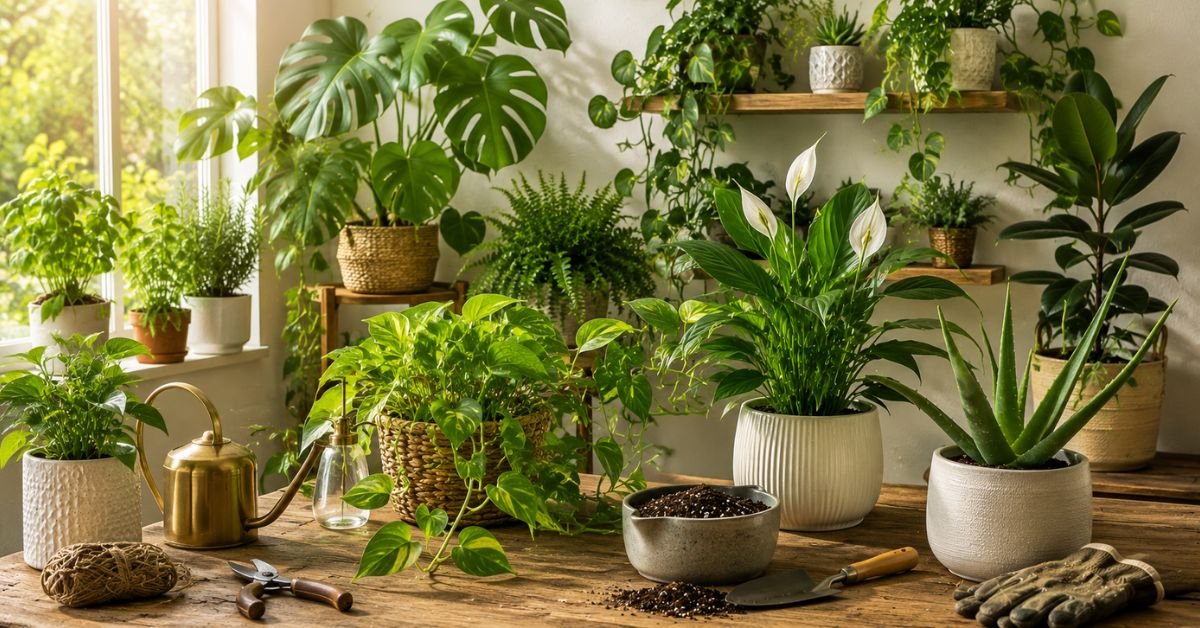
Plantation care is the ongoing care plants need after they are planted, whether they are growing in a backyard garden, raised bed, patio container, or indoor pot. The basics are simple: give each plant the right amount of light, water, suitable soil, enough room for its roots, and protection from pests and extreme conditions. In my experience, the biggest mistake beginners make is following a fixed routine instead of paying attention to what the plant and soil are actually telling them.
A plant growing outdoors in Florida can have very different needs from the same species sitting beside an air-conditioning vent in an Ohio home. Good plant care starts with understanding that difference.
Quick Plantation Care Guide
| Care need | What to do |
| Water | Check soil moisture before watering |
| Light | Match light levels to the plant |
| Soil | Use a suitable, well-draining growing medium |
| Pots | Choose drainage holes and an appropriate container size |
| Feeding | Fertilize when the plant and season call for it |
| Pruning | Remove dead or damaged growth as needed |
| Pests | Inspect leaves and stems regularly |
| Temperature | Protect plants from unsuitable heat, cold, and drafts |
| Seasons | Adjust care as light and temperatures change |
Personal Pro-Tip: Treat this table as a reminder to inspect your plants, not as a rigid schedule. A weekly reminder to check the soil is useful. A rule saying “water every seven days” is not.
What Is Plantation Care?
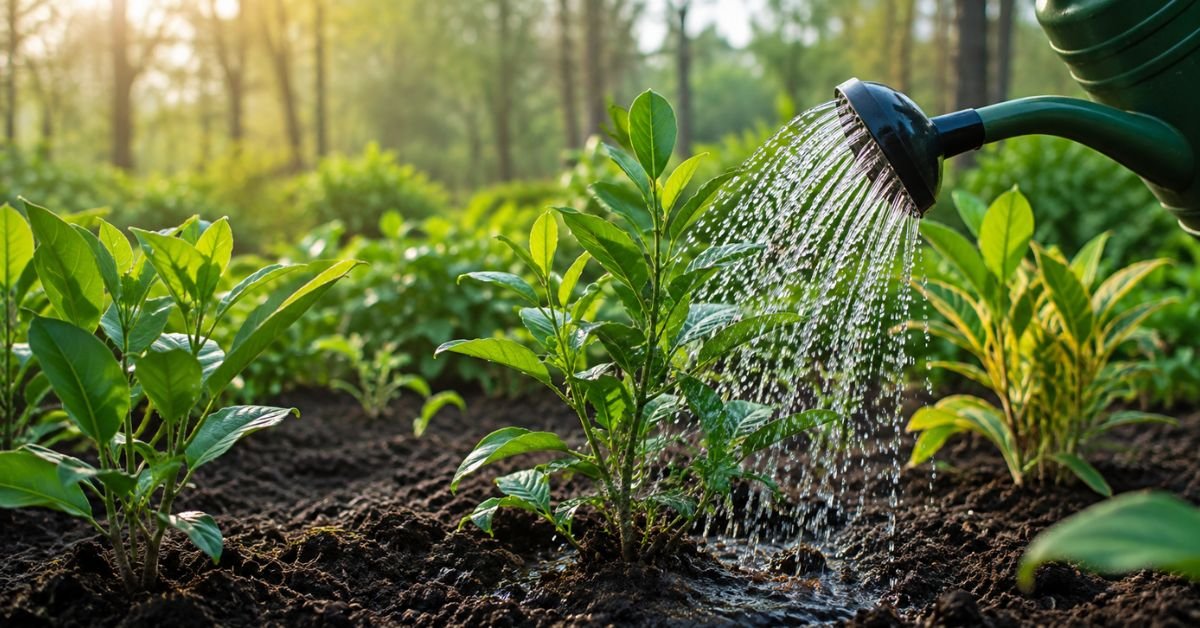
Plantation care can refer to maintaining plants after planting, from establishing new outdoor plants to keeping container plants healthy indoors. The goal is to create conditions where the roots can access water and oxygen while the foliage receives enough usable light.
For beginners, I like to divide plantation care into five questions:
Does the plant have the right light?
Is the soil appropriately moist?
Can the roots drain properly?
Is the temperature suitable?
Is anything attacking or damaging the plant?
Once those questions become part of your normal routine, many plant problems become easier to diagnose.
The Royal Horticultural Society’s beginner gardening guidance also emphasizes starting with suitable plants, planning the growing space, and learning basic maintenance rather than trying to master everything at once.
Personal Pro-Tip: When a plant looks unhealthy, don’t immediately buy fertilizer or a treatment. First find out what changed in its environment.
Plantation Care Starts With the Right Location
Location is one of the most important parts of plantation care.
Outdoor plants should be chosen with their climate, sunlight, soil, and expected mature size in mind. In the United States, the USDA Plant Hardiness Zone Map is especially useful for perennial plants because it helps gardeners compare a plant’s winter hardiness with their local conditions.
A hardiness zone does not guarantee success. A plant can survive winter in a particular zone and still struggle because of poor drainage, excessive summer heat, wind, unsuitable soil, or too much shade.
Indoor plants need the same kind of planning. Look at the windows first. A bright south-facing window is very different from a dark hallway, and moving a plant just a few feet farther from a window can substantially change its available light.
Keep indoor plants away from direct blasts of air from heating and air-conditioning vents. Sudden temperature changes and dry airflow can stress foliage.
Personal Pro-Tip: Choose the location before choosing the plant whenever possible. Matching the plant to the space is much easier than trying to force the wrong plant to fit.
Plantation Care and Watering: How Often Should You Water Plants?
There is no single watering schedule that works for every plant.
The right frequency depends on the plant species, pot size, soil, light, temperature, humidity, and drainage. University of Illinois Extension recommends checking soil moisture instead of simply watering according to a calendar.
For many container plants, check the potting soil before watering. If the upper layer has become suitably dry for that particular plant, water thoroughly so moisture reaches the root zone, then allow excess water to drain.
Overwatering is not simply “giving too much water at one time.” Constantly keeping the root zone wet can create serious problems because roots need oxygen as well as moisture.
A plant can also wilt when it has been overwatered because damaged roots may no longer function properly.
Outdoor plants have different needs. Newly planted shrubs, trees, flowers, and vegetables may need more attention while they establish roots, particularly during hot or dry periods.
Personal Pro-Tip: Put your finger into the potting soil before watering. With practice, you will become much better at judging when a plant genuinely needs water.
Plantation Care in Pots: Drainage Matters
Plantation care in pots requires more attention because containers limit the root system and can dry out or stay wet faster than garden soil.
Start with a container that suits the plant and has appropriate drainage. A decorative cover pot can hide a plain nursery container, but the actual growing container should still provide a way for excess water to escape.
Use potting soil or a potting mix, rather than simply filling indoor containers with soil dug from the yard. Garden soil can become dense in containers and interfere with drainage and root aeration.
Container size matters too. A huge pot is not automatically a healthier home for a small plant. Excess growing medium can remain wet around a relatively small root system.
Repotting becomes useful when roots are crowded, the growing medium has deteriorated, or the current container is clearly restricting healthy growth.
Personal Pro-Tip: When repotting, go up in size gradually. A slightly larger container is usually easier to manage than putting a small root system into an oversized pot.
Plantation Care for Light and Sunlight
Plants need light to produce energy, but their light preferences vary enormously.
Some garden plants need full sun. Others perform better with morning sun and afternoon shade. Many indoor plants prefer bright indirect light rather than intense direct sunlight.
Too little light can produce weak, stretched growth and poor flowering. Too much intense light can cause scorched or bleached foliage.
One common mistake is moving a houseplant from a relatively low-light room directly into strong outdoor sunlight. The sudden change can damage leaves. University of Illinois Extension recommends gradually acclimating houseplants when moving them outside.
Seasonal changes matter indoors too. A plant that receives plenty of light in a bright summer room may receive much less usable light during winter.
Personal Pro-Tip: Don’t judge indoor light only by what your eyes see. A room can look bright to you while providing relatively little useful light to a plant.
Plantation Care for Soil and Fertilizer
Healthy roots need more than water. They need access to oxygen, appropriate moisture, and nutrients.
For container plants, choose a growing mix suited to the species. A cactus, orchid, tropical foliage plant, and vegetable seedling may all perform better in different mixes.
Fertilizer can support healthy growth, but more is not better. University extension guidance recommends feeding houseplants during active growth when appropriate and cautions against excessive fertilizer, especially when light levels are low and growth slows.
Outdoor gardening is similar. Fertilizer should address an actual need rather than becoming an automatic response to every weak-looking plant.
Poor growth can be caused by inadequate light, root damage, unsuitable soil, temperature stress, pests, or seasonal dormancy. Fertilizer cannot solve every one of those problems.
Personal Pro-Tip: Before fertilizing a struggling plant, check its light, roots, drainage, and watering pattern. Those are often more important clues.
Common Plantation Care Mistakes Beginners Make
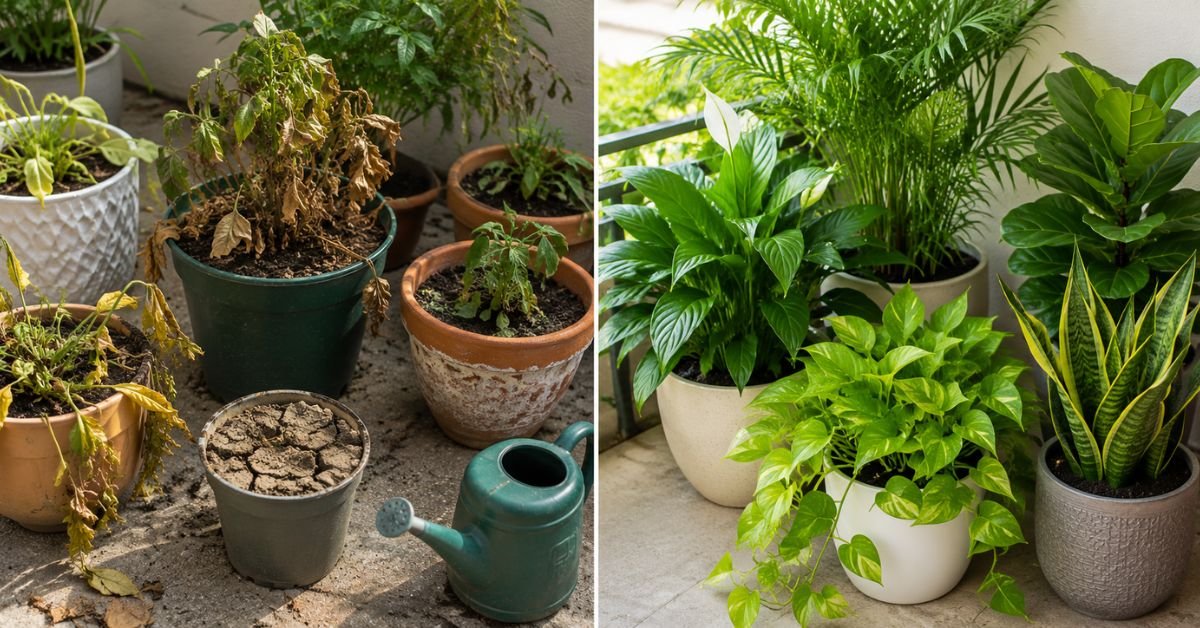
Most plant problems I see are not caused by a lack of effort. They happen because the wrong kind of effort is being applied.
Overwatering
A plant does not need wet soil simply because it looks thirsty. Check the root zone before adding more water.
Watering on a Fixed Calendar
Your plant’s needs change between Summer and Winter. Indoor heating, seasonal light, and outdoor weather all affect water use.
Ignoring Drainage
A beautiful pot cannot compensate for a root zone that stays saturated.
Putting Plants Under AC Vents
Constant blasts of conditioned air can create an uncomfortable environment for many indoor plants.
Fertilizing Every Time Something Looks Wrong
Nutrients are not a universal cure for plant problems.
Moving Plants Into Strong Sun Too Quickly
Gradual adjustment is safer than an abrupt move.
Treating Every Yellow Leaf as an Emergency
An older leaf can naturally yellow and fall. Widespread yellowing is more concerning and deserves investigation.
Personal Pro-Tip: Diagnose first, treat second. That single habit can prevent a surprising number of plant-care mistakes.
Plantation Care Troubleshooting: Yellow Leaves, Brown Tips, and Wilting
Why Are My Plant Leaves Turning Yellow?
Yellow leaves can have several causes, including watering problems, poor light, environmental changes, root stress, or natural aging.
Start by checking the soil. If it remains wet for long periods, investigate drainage and watering. If it is extremely dry, underwatering may be contributing.
Do not remove every yellow leaf before understanding why it changed.
Why Are My Leaf Tips Turning Brown?
Brown tips may be connected to inconsistent moisture, low humidity, fertilizer buildup, root problems, or other environmental stress.
The correct solution depends on the plant and growing conditions.
Why Is My Plant Wilting?
Check the soil before watering.
Dry soil can indicate that the plant needs water. Wet soil combined with continued wilting can point toward root problems, poor drainage, heat stress, or another issue.
Why Is My Plant Growing Slowly?
Check light first. Then inspect the roots, soil, temperature, and recent changes in care.
Some plants simply grow slowly, especially during periods of lower light or cooler conditions.
Personal Pro-Tip: Take a photo when your plant is healthy. Comparing today’s plant with an older photo can reveal gradual changes you might otherwise miss.
Plantation Care Through the Four US Seasons
Spring
Spring is a good time to inspect winter damage, refresh containers, begin appropriate active-growth feeding, and gradually move suitable houseplants outdoors.
Summer
Heat, wind, and direct sunlight can increase water loss. Container plants may need more frequent monitoring than they did in Spring.
Fall
Before bringing outdoor houseplants inside, inspect them carefully for pests and disease. Indoor conditions also change as daylight decreases.
Winter
Lower light and indoor heating can change watering needs. Do not automatically continue your Summer routine.
For outdoor perennials, shrubs, and trees, USDA Hardiness Zones can help you understand winter survival, but local microclimates still matter.
Personal Pro-Tip: At the beginning of every season, reassess your plants instead of assuming last season’s routine still applies.
Are Plants Safe for Cats and Dogs?
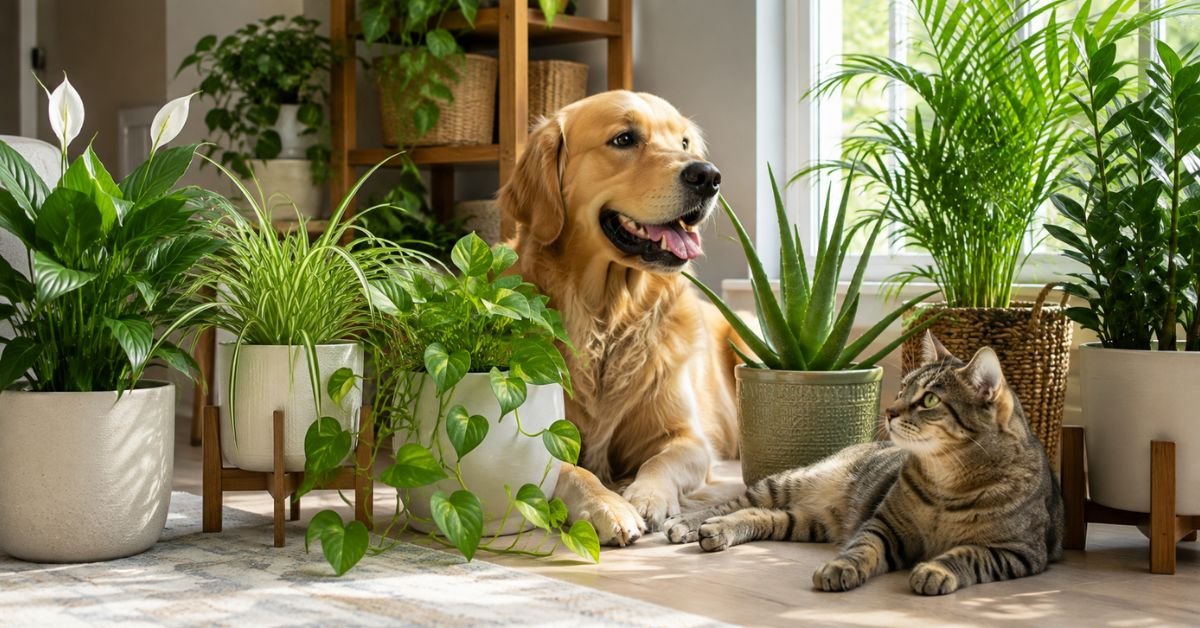
Plant toxicity is species-specific, so there is no general answer that all plants are safe for pets.
The ASPCA maintains a toxic and non-toxic plant database for cats and dogs. It also warns that eating plant material itself can cause gastrointestinal upset, even when a plant is not classified as seriously toxic.
That means I would never rely on a common plant name alone. Identify the exact plant and check a reputable source before placing it within reach of pets.
If you suspect a pet has eaten a potentially poisonous plant, contact a veterinarian or an appropriate animal poison-control service rather than guessing from an online photo.
Personal Pro-Tip: Keep the nursery label or scientific name for every plant in a pet household. It makes safety checks much more reliable.
A Simple Plantation Care Routine for Beginners
You do not need to spend hours caring for plants every day.
When you walk past them, look at the foliage and overall posture.
Before watering, check the soil.
Once a week, inspect for pests and unusual changes.
Each month, consider whether the plant has enough room, suitable light, and healthy new growth.
At the start of Spring, Summer, Fall, and Winter, adjust your routine to the changing environment.
This is what makes plantation care manageable. You are not trying to control every variable. You are simply learning to notice changes early.
Personal Pro-Tip: Build plant checks into something you already do, such as watering or opening the blinds each morning. Consistency matters more than complicated routines.
Plantation Care FAQs
Q1. What is the easiest way to care for plants?
Give the plant suitable light, check soil moisture before watering, use well-draining growing conditions, and inspect regularly for pests or stress.
Personal Pro-Tip: Start with light and water. Those two factors explain many beginner problems.
Q2. How often should plants be watered?
Watering frequency depends on the plant and its environment. Check the soil instead of following one fixed schedule.
Personal Pro-Tip: Your watering routine should change with the seasons.
Q3. How do I care for plants in pots?
Use an appropriate potting mix, provide drainage, choose a suitable container size, and monitor soil moisture closely.
Personal Pro-Tip: Never assume a larger pot is automatically better.
Q4. Why are my plant leaves yellow?
Yellowing can come from watering issues, poor light, root stress, environmental changes, or natural aging.
Personal Pro-Tip: Look for a pattern. One old yellow leaf is different from many leaves yellowing at once.
Q5. Can houseplants live beside an air-conditioner?
It is generally better to keep plants away from direct HVAC airflow. Sudden temperature changes and strong air movement can stress some plants.
Personal Pro-Tip: Choose a stable spot rather than the coldest or warmest part of the room.
Q6. Should I fertilize a struggling plant?
Not automatically. First check light, water, drainage, roots, pests, and temperature. Fertilizer is not a cure for every growth problem.
Personal Pro-Tip: Find the cause before adding nutrients.
Q7. Are all plants safe for cats and dogs?
No. Plant toxicity varies by species, so check the exact plant with a reliable source such as the ASPCA before bringing it into a pet-accessible area.
Personal Pro-Tip: Use the scientific plant name whenever checking toxicity.
Final Thoughts
Good plantation care is less about following a perfect schedule and more about learning how your plants respond to their environment.
Check the soil before watering. Match plants with suitable light. Give roots enough drainage. Adjust care through Spring, Summer, Fall, and Winter. Keep plants away from stressful indoor conditions such as direct HVAC blasts. Watch for pests and investigate unusual changes early.
Most importantly, do not treat every plant as though it follows the same rules. A healthy care routine is built around the individual plant and the place where it grows.
What plant are you caring for right now, and what problem are you seeing? Share it in the comments so we can troubleshoot it together.
Amin Khalid is a professional horticulturist and the founder of LeafyWisdom. With a deep passion for home gardening and horticultural research, he specializes in providing practical, easy-to-follow care guides for indoor plants. Amin’s goal is to simplify gardening for everyone and help fellow plant lovers build their own thriving green spaces.