
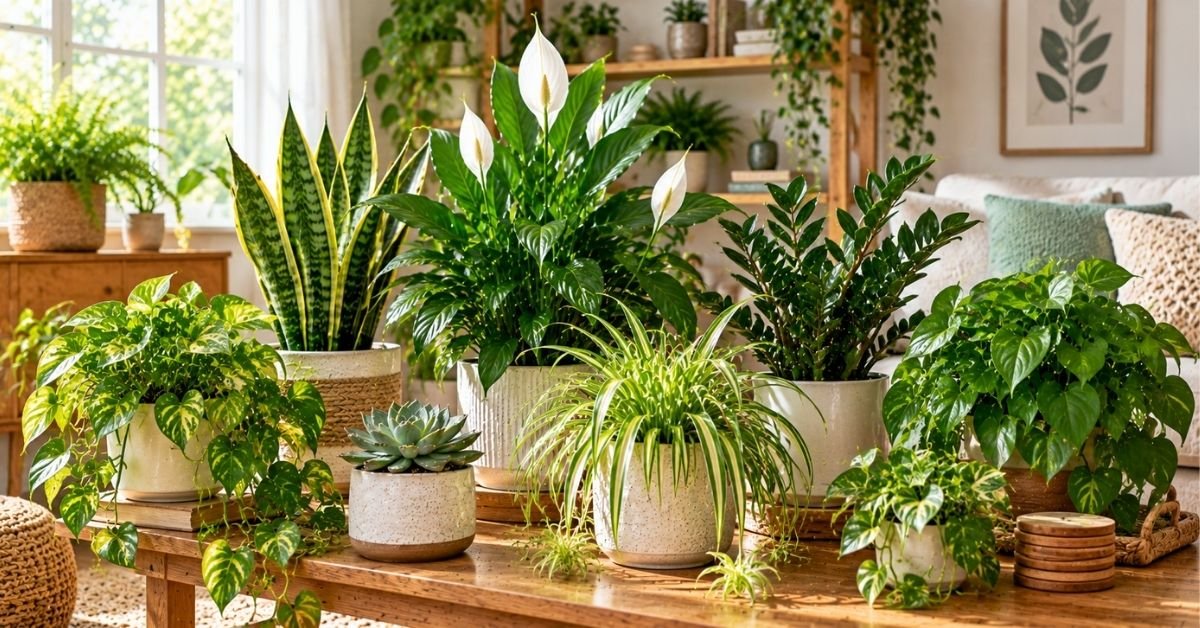
What are the easiest plants to keep alive indoors? The easiest indoor plants are low-maintenance varieties like the Snake Plant, ZZ Plant, and Golden Pothos that tolerate low light, infrequent watering, and the standard dry air found in most homes.
If you have a history of killing greenery, you are definitely not alone. Most American homes are actually hostile environments for tropical foliage. We blast our air conditioning in the summer and run forced-air heating all winter. But you can absolutely grow beautiful greenery with the right selections. I have helped hundreds of beginners turn their brown thumbs green just by matching the right species to their actual lifestyle.
Here is exactly how to stop wasting money on fussy foliage and start growing an indoor garden that practically takes care of itself.
Quick Care Summary for Skimmers
| Plant Name | Light Needs | Watering Schedule | Pet Safety |
| Snake Plant | Low to bright indirect | Every 3 to 4 weeks | Toxic |
| ZZ Plant | Low to medium | Every 3 to 4 weeks | Toxic |
| Golden Pothos | Medium indirect | Every 1 to 2 weeks | Toxic |
| Spider Plant | Bright indirect | Every 1 to 2 weeks | Safe |
| Aloe Vera | Direct sunlight | Every 3 weeks | Toxic |
Categorizing the Best Easy Indoor Plants for Your Home
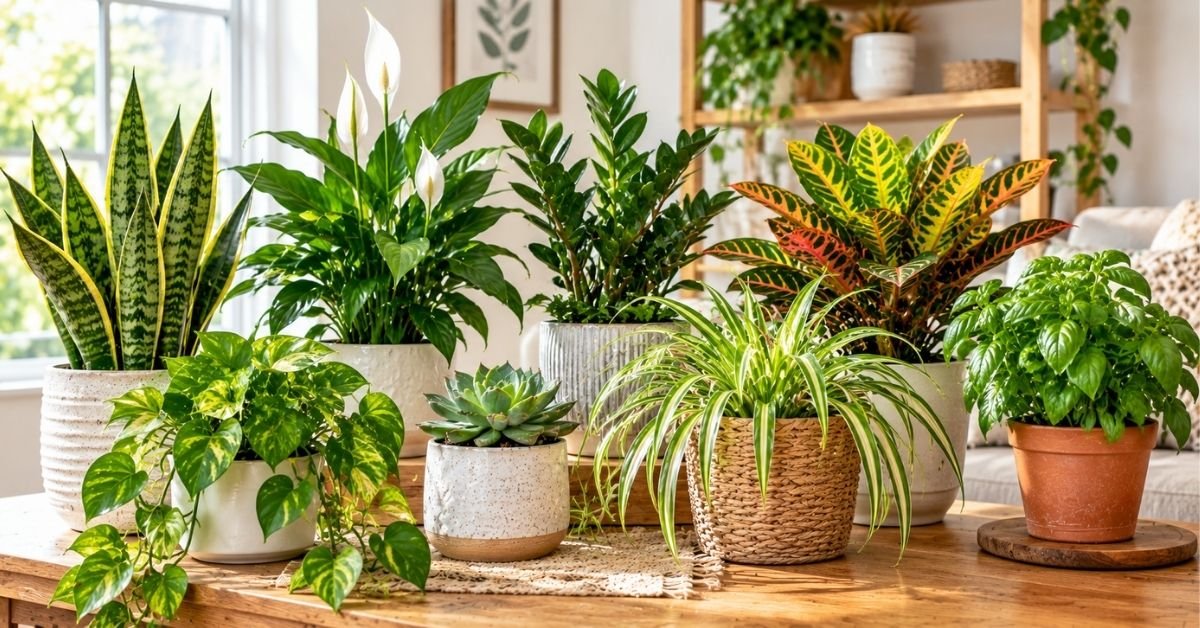
Not all simple houseplants are created equal. You need to pick the one that matches your specific living situation. A plant that grows beautifully in a sunny kitchen will quickly die in a windowless bathroom.
The Dark Room Survivors: Best Easy Indoor Plants for Low Light
If you live in a basement apartment or have north-facing windows, you need plants that do not require intense sun. The Snake Plant (Sansevieria) and the ZZ Plant (Zamioculcas zamiifolia) are your best options.
These plants have adapted to survive in incredibly harsh, dry environments. They store water in their thick leaves and rhizomes. You only need to water them once a month. While they can be grown outdoors year-round in tropical US climates like USDA Zones 9 to 11, they are almost exclusively grown indoors across the rest of the country.
Personal Pro-Tip: I completely ignore my ZZ plant for weeks at a time. I only give it a drink when the potting soil pulls away from the inside edges of the pot.
The “I Forget to Water” Squad: Simple Houseplants for Busy People
Do you travel often for work? Are you just easily distracted? You need succulents.
Aloe Vera and the classic Jade Plant are incredibly forgiving if you forget about them. They do require bright light to grow properly. You should place them directly on the sill of a south-facing or west-facing window. They carry their water weight inside their fleshy leaves, meaning they can go weeks without a single drop of moisture from your watering can.
Personal Pro-Tip: If an Aloe leaf feels squishy and flat instead of plump and firm, the plant is finally thirsty. Wait for that visual cue before adding any water.
The Fast Growers: Beginner-Friendly Plants for Instant Gratification
Sometimes you just want a plant that actually looks like it is growing. The Golden Pothos and the Spider Plant are famous for their rapid growth rates.
A single Pothos vine can grow several feet in just one summer. They look incredible trailing down from high shelves or hanging baskets. They prefer medium indirect light. If you place a Pothos in a very dark corner, the beautiful golden variegation on the leaves will fade to a solid, dull green.
Personal Pro-Tip: Pothos foliage will literally tell you when it needs a drink. The leaves will visibly droop and look sad. I wait for that exact drooping stage before I even walk over to the faucet.
Common Mistakes When Growing Easy Indoor Plants
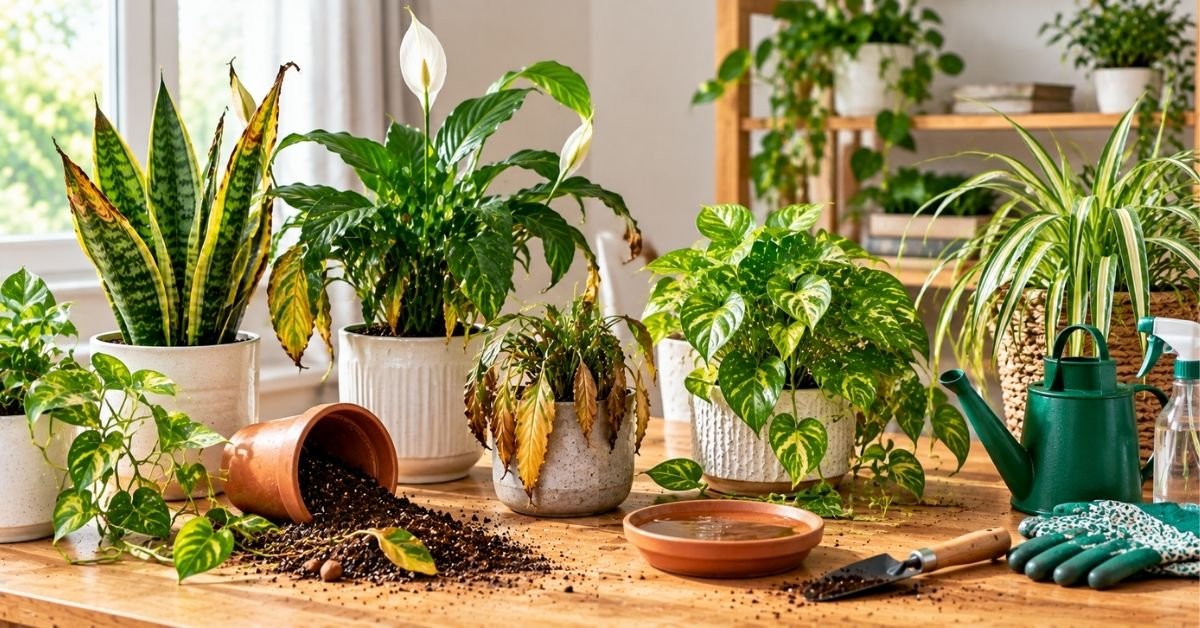
Even indestructible greenery has a breaking point. The biggest mistake I see American indoor gardeners make is overwatering.
We tend to love our plants to death. We see a dry top layer of soil and immediately grab the watering can. The problem is that the bottom of the pot might still be a muddy swamp. Roots need oxygen to survive. If they sit in soggy dirt, they literally suffocate and rot away.
Another massive mistake is using the wrong dirt. People will dig up heavy clay soil from their backyard or buy cheap garden compost. Indoor containers require specialized drainage. You must use a high-quality indoor potting soil mixed with perlite to ensure the water flows through the pot quickly.
Finally, watch out for your climate control systems. Central air conditioning vents blow incredibly cold, dry air. Forced-air heating does the exact same thing with hot air. Tropical plants despise these sudden drafts. Keep your pots away from all floor and ceiling vents.
Personal Pro-Tip: Always buy pots with drainage holes at the bottom. If you find a decorative ceramic pot you absolutely love that lacks a hole, do not plant directly into it. Keep your greenery in its cheap plastic nursery pot and just drop that entire thing inside the decorative one.
Troubleshooting Your Simple Indoor Greenery
Plants communicate through their leaves. When something in their environment is wrong, the foliage will give you clear warning signs.
Why are the leaves turning yellow?
Yellow leaves are almost always a symptom of overwatering. The roots are drowning and shutting down. Stop watering immediately. If the soil smells swampy or rotten, you need to repot the plant into fresh, dry soil.
What causes brown, crispy leaf tips?
This is typically caused by a lack of humidity or a reaction to the chemicals in city tap water. Many municipal water sources in the US contain fluoride and chlorine. Switch to using distilled water or rainwater to see if the brown tips stop forming.
Why are the stems stretching out and looking skinny?
This is called etiolation. The plant is desperate for sunlight and is stretching itself thin trying to reach a light source. You need to move the pot closer to a window.
Personal Pro-Tip: Use the chopstick method to check soil moisture. Stick a plain wooden chopstick deep into the potting soil. If it comes out with dark, wet dirt attached, do not water. Wait until the wood comes out completely clean.
Toxicity Warning: Are These Beginner-Friendly Plants Safe for Pets?
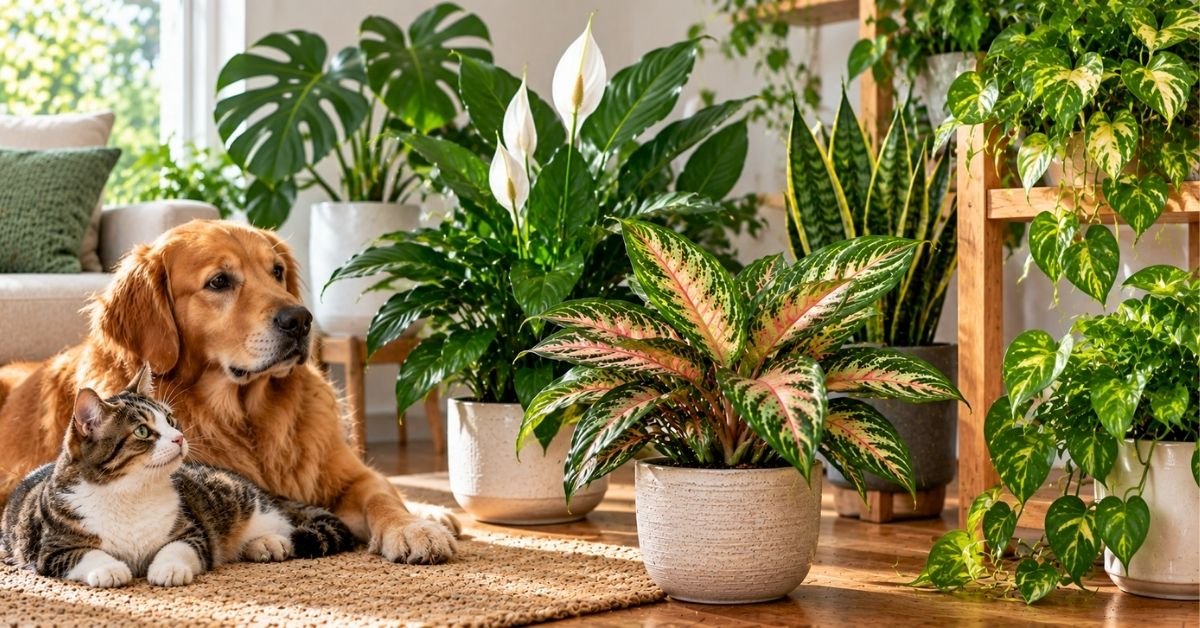
Before you bring any new nature into your home, you have to consider the safety of your pets and small children.
Many of the most popular easy indoor plants are toxic. According to the ASPCA animal poison control database, the ZZ Plant, Snake Plant, Aloe Vera, and Pothos all contain compounds that are harmful to dogs and cats. Ingestion can cause severe mouth irritation, drooling, and vomiting.
If you have a cat that loves to chew on leaves, you need to stick to 100% pet-safe options. The Spider Plant, the Cast Iron Plant, and the Parlor Palm are completely non-toxic to animals.
Personal Pro-Tip: If I bring a toxic variety into a house with pets, I utilize the ceiling. I install heavy-duty ceiling hooks and use macrame hangers to keep dangerous foliage completely out of reach.
7 Frequently Asked Questions About Easy Houseplants
Q1: When should I repot my new houseplant?
You should wait at least a month before repotting a new plant. Moving to a new house is already stressful for it, and immediately ripping it out of its pot will cause shock.
Q2: Do I need to fertilize my plants in the winter?
No. Most houseplants go dormant during the short, dark days of winter. Stop fertilizing in October and resume feeding in early April when spring growth begins.
Q3: Can these plants survive in a windowless bathroom?
No plant can survive in pitch blackness forever. If you do not have a window, you must leave an LED grow light on in the room for at least 8 to 10 hours a day.
Q4: What is the best potting soil for beginners?
Look for a bag labeled specifically for indoor plants or tropicals. To make it even better, buy a separate bag of perlite and mix one cup of perlite into every three cups of soil for superior drainage.
Q5: How do I clean dusty leaves?
Dust blocks sunlight and slows down photosynthesis. Once a month, wipe the broad leaves down with a damp, soft microfiber cloth. Never use commercial leaf shine sprays because they clog the plant’s pores.
Q6: Why are there tiny black bugs flying around my pots?
Those are fungus gnats. They breed in constantly wet topsoil. Let the top two inches of your soil dry out completely between waterings to break their breeding cycle.
Q7: Should I mist my leaves with water?
Misting is largely a waste of time. The water evaporates in minutes and does not actually raise the ambient humidity of the room. Buy a small room humidifier instead.
Final Thoughts on Starting Your Indoor Garden
Growing easy indoor plants does not require magic or natural talent. It just requires a tiny bit of observation and the self-control to put the watering can down. Start with a tough Snake Plant or a trailing Pothos. Learn how they react to your home environment. Once you master the basics of light and soil moisture, you will have the confidence to tackle almost any plant you find at the nursery.
I would love to hear about your indoor gardening journey. What was the very first houseplant you successfully kept alive? Drop a comment below and share your experience, or ask a question if your current plant is giving you trouble!
Amin Khalid is a professional horticulturist and the founder of LeafyWisdom. With a deep passion for home gardening and horticultural research, he specializes in providing practical, easy-to-follow care guides for indoor plants. Amin’s goal is to simplify gardening for everyone and help fellow plant lovers build their own thriving green spaces.

No responses yet