
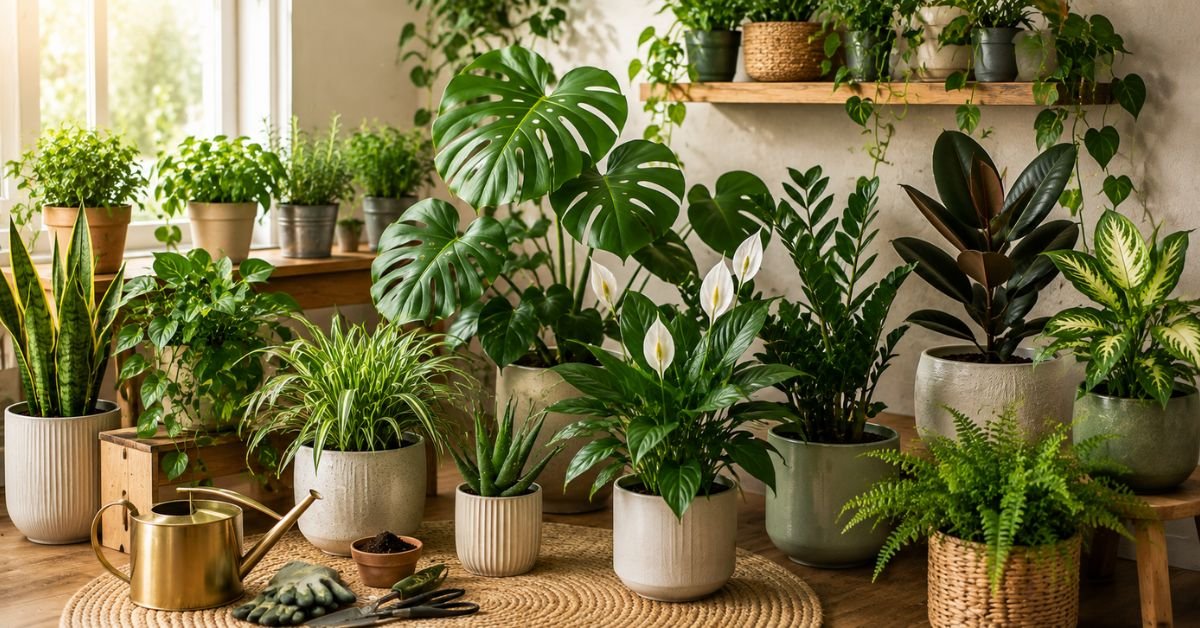
If you walk into your local big-box garden center on a Saturday morning, it is easy to feel overwhelmed by the sheer volume of greenery. Finding the best plants home depot offers comes down to knowing which species tolerate store conditions, how to spot healthy stock, and how to acclimate them to your living room or backyard. Based on years of browsing nursery racks across the US, the absolute top plant buys at Home Depot include Snake Plants, Pothos, ZZ Plants, and Monstera Deliciosa for indoor spaces, along with lavender, hostas, and marigolds for outdoor garden beds.
Buying greenery from a massive retailer saves money, but you need an expert eye. Retail garden centers move thousands of pots a week, meaning care can be inconsistent. Here is everything you need to know to walk out with long-lasting green companions rather than a week-long disappointment.
Quick Reference Table for Top Home Depot Plant Section Finds
| Plant Name | Light Level Needed | Water Schedule | Best For | Typical Price Range |
| Snake Plant (Sansevieria) | Low to Bright Indirect | Every 3-4 weeks | Forgetful owners, dark rooms | $15 – $35 |
| Golden Pothos (Epipremnum aureum) | Medium to Low | Every 1-2 weeks | Hanging baskets, shelf trailers | $10 – $25 |
| ZZ Plant (Zamioculcas zamiifolia) | Low to Medium | Every 3-4 weeks | Windowless offices, AC rooms | $18 – $40 |
| Monstera Deliciosa | Bright Indirect | Every 1-2 weeks | Statement living room piece | $25 – $60 |
| ZZ Raven (Dark Foliage) | Medium to Low | Every 3-4 weeks | Unique modern interior styling | $20 – $45 |
| Hostas (Outdoor Perennial) | Partial to Full Shade | 1-2 times per week | Shady garden beds (Zones 3-9) | $8 – $20 |
| Lavender (Outdoor Perennial) | Full Sun | Low once established | Sunny patios (Zones 5-9) | $6 – $15 |
Personal Pro-Tip: Always look at the plant tags to find the growers. Home Depot sources heavily from large domestic commercial nurseries like Costa Farms. If you see their branding on the pot, you are generally getting well-acclimated greenhouse stock that adapts faster to residential conditions.
The Best Indoor Plants to Buy at Home Depot
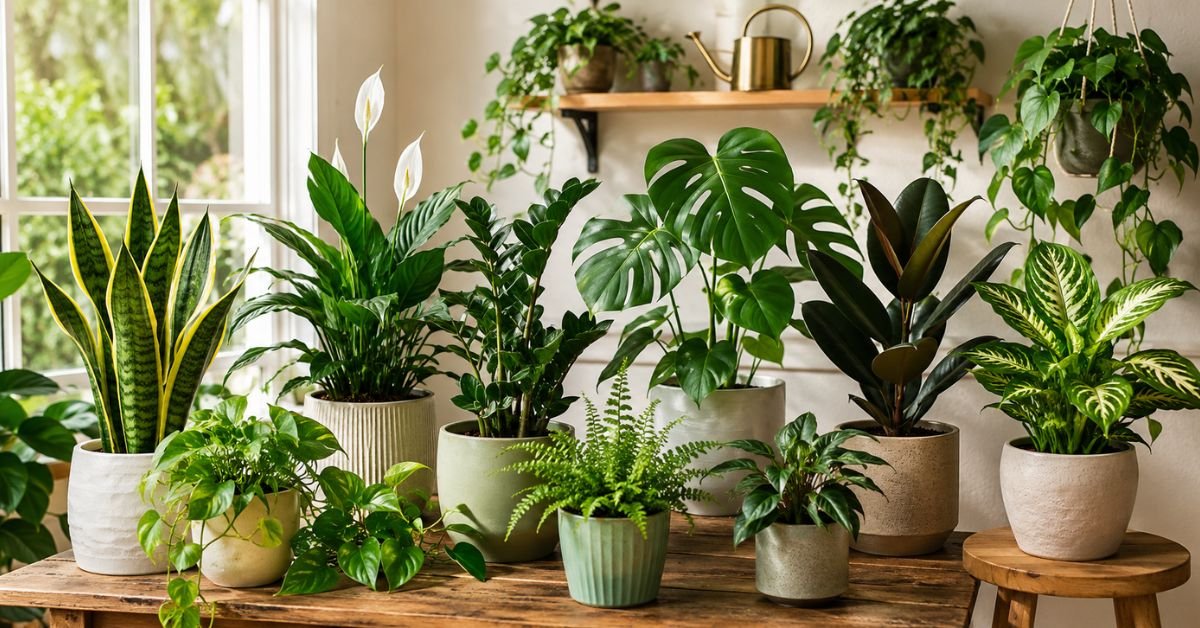
When I walk through the indoor plant nursery aisle at Home Depot, I look for resilient varieties that withstand drafty store floors and fluctuating lighting. Some houseplant varieties stand out as consistent winners.
1. Snake Plants (Sansevieria)
Snake plants are virtually indestructible. They handle low light, dry indoor air caused by central heating, and sporadic watering schedules without dropping leaves. The garden center usually stocks several sizes, from small 4-inch desk pots to large 10-inch floor specimens.
2. Golden Pothos (Epipremnum aureum)
If you want quick growth, Golden Pothos is your best bet. Their heart-shaped, variegated leaves trail beautifully down bookshelves or from hanging pots. They tolerate low light easily and will quickly let you know when they need water by wilting slightly, then popping right back up after a drink.
3. ZZ Plant (Zamioculcas zamiifolia)
The waxy, deep green leaves of a ZZ plant almost look fake, which speaks to their durability. They store water in underground rhizomes, making them extremely drought-tolerant. They do great in apartment rooms with small windows or homes where air conditioning runs constantly.
4. Monstera Deliciosa
For a bold statement, Home Depot frequently carries large, split-leaf Monsteras at prices significantly lower than boutique plant shops. They grow vigorously near bright, indirect windows and add an instant tropical feel to any home.
Personal Pro-Tip: Check the soil surface before putting a Monstera in your cart. Big leaf plants in high-traffic aisles often get watered on a rigid store schedule. If the soil feels like a wet sponge, leave it behind and pick one that sits in drier soil to avoid hidden root issues.
The Best Outdoor Plants at Home Depot for Your Garden
Selecting outdoor greenery requires matching your regional climate with the right species. Depending on your USDA Hardiness Zone, the seasonal nursery yard outside has great value buys if you shop at the right time.
1. Hostas (Shade Perennials)
Hostas are a classic choice for shady yard borders across USDA Zones 3 through 9. Home Depot carries basic, hearty cultivars like ‘Francee’ and ‘Patriot’ in early Spring. They return year after year, expanding in size without requiring high maintenance.
2. Lavender (Sun-Loving Perennial)
For sunny garden beds or patio containers, Spanish or English Lavender varieties sold in 1-gallon pots are fantastic value. They handle summer heat waves well once established in well-draining soil and attract local pollinators.
3. Marigolds and Petunias (Annual Color)
If you need immediate curb appeal, six-packs of annuals near the store entrance are inexpensive and tough. Planting marigolds around vegetable patches also helps deter common garden pests naturally.
Personal Pro-Tip: Buy outdoor perennials early in the season when new shipments arrive off the delivery trucks. Plants left outdoors in store parking lots during mid-summer heat spells suffer quick root stress if nursery staff miss a single watering cycle.
Common Mistakes When Buying Plants from Home Depot
Shopping at big-box retailers requires a slightly different approach than visiting a local specialty greenhouse. Avoid these common pitfalls to save money and hassle.
- Grabbing plants straight off the clearance rack without inspecting: Discounted plants are often suffering from extreme root rot or pest issues. Unless you enjoy rehabilitating weak stock, stick to fresh inventory.
- Ignoring the light levels in your home: Buying a sun-loving succulent for a dark hallway leads to weak, stretched growth. Match the plant to your actual window layout.
- Repotting immediately after bringing them home: Plants experience stress when moving from a greenhouse to a retail store, and then to your home environment. Give your new purchase at least two weeks to settle in before disturbing its roots.
- Forgetting to check underneath the leaves: Spider mites and mealybugs love hiding on the undersides of leaves or along stem joints.
Personal Pro-Tip: When bringing home a new purchase, quarantine it in a separate room away from your existing plant collection for about 7 to 10 days. This simple step stops any sneaky hitchhiking pests from spreading to your entire indoor garden.
How to Inspect Home Depot Houseplants Before Checking Out
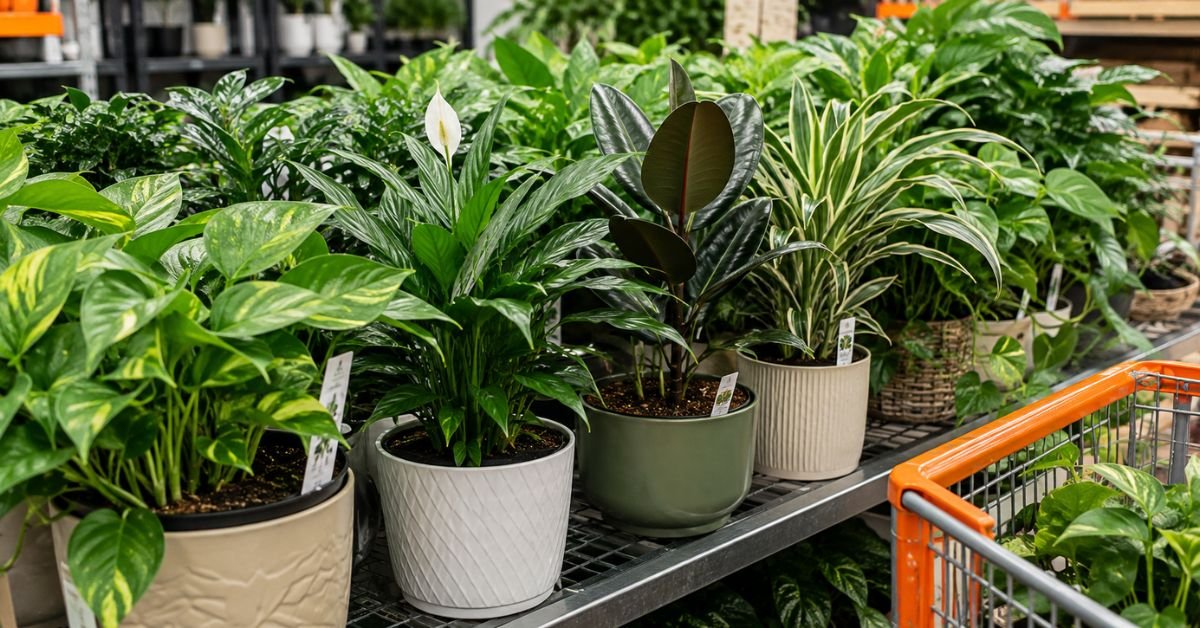
A quick 30-second inspection saves you months of headache later. Here is my personal step-by-step checklist every time I pick up a pot.
- Check Leaf Stems and Undersides: Look closely for small white cotton-like spots (mealybugs) or tiny webs (spider mites).
- Inspect the Soil Moisture: Gently press your finger into the top inch of dirt. Avoid plants sitting in standing water inside decorative outer sleeves.
- Examine Root Health: Lift the plastic nursery pot slightly. If thick, slimy brown roots are spilling out of the drainage holes, the plant is root-bound or overwatered. Look for firm, light-colored root tips instead.
- Test Overall Stability: Give the main stem a very gentle wiggle. It should feel anchored securely in the potting soil, not loose or floppy.
Personal Pro-Tip: Pick plants that show fresh, small green leaves sprouting near the center or top. Active new growth proves the plant is actively developing and healthy despite the retail store environment.
Troubleshooting Issues with Home Depot Garden Center Plants
Even healthy-looking nursery purchases can act up once you bring them inside. Here is how to fix the most common issues fast.
Yellowing Leaves
Yellow leaves usually point to overwatering or soggy soil. Big store display racks often get hosed down daily regardless of individual plant needs. Pull the plant out of its pot, check for brown mushy roots, and let the potting soil dry out completely in a warm spot with gentle indirect light.
Brown Leaf Tips
Dry, crispy leaf edges usually mean low humidity or sensitivity to tap water minerals. Air conditioning units and central heaters dry out indoor air rapidly during US summers and winters. Group your plants together or use a small room humidifier to boost moisture levels naturally.
Drooping or Wilting Foliage
If the soil is dry and the leaves feel soft, the plant simply needs a deep soak. Place the nursery pot in a sink filled with a few inches of lukewarm water for 20 minutes so the roots absorb water from the bottom up.
Personal Pro-Tip: Let your tap water sit out in an open pitcher overnight before watering sensitive houseplants like Calatheas or Dracaenas. This helps chlorine dissipate, preventing those annoying brown leaf tips.
Toxicity Warnings and Pet Safety for Home Depot Plants
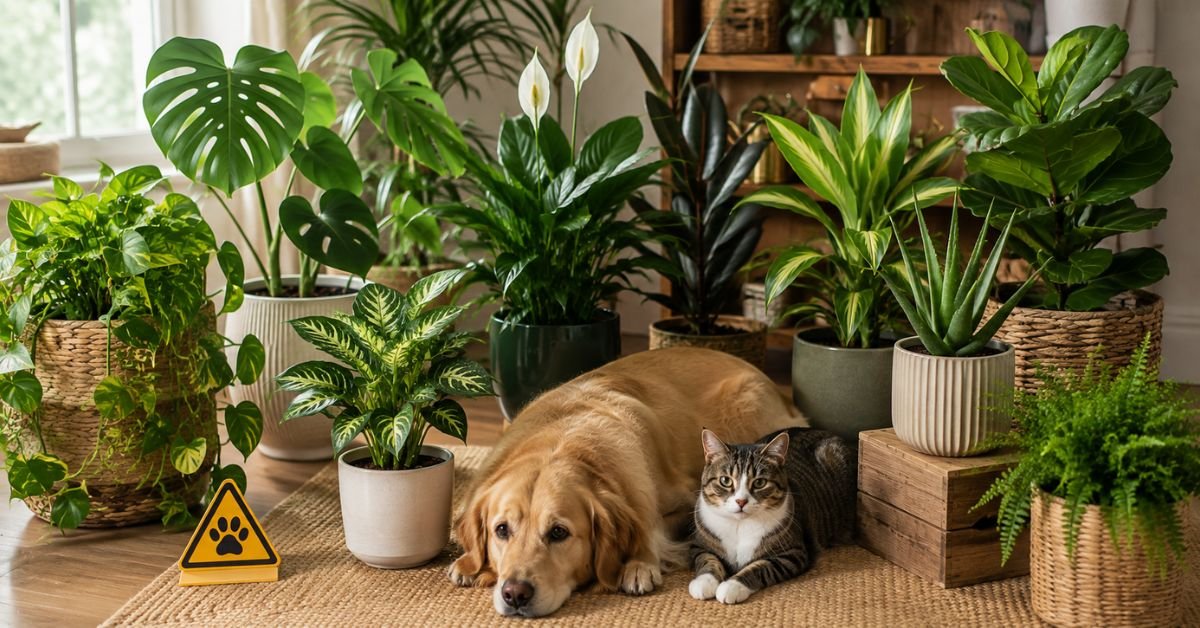
If you share your home with curious cats or dogs, pet safety is a top priority. According to data from the ASPCA Animal Poison Control Center, several popular retail houseplants contain insoluble calcium oxalates, which cause mouth irritation and digestive distress if chewed on.
- Toxic to Pets: Snake Plants, Monstera Deliciosa, Pothos, and ZZ Plants should be kept out of reach of pets on high shelves or in hanging planters.
- Pet-Safe Alternatives: Look for Peperomia, Boston Ferns, Spider Plants, or Majesty Palms if you want 100% non-toxic green additions for low tables or floor areas.
Personal Pro-Tip: Print or bookmark the ASPCA toxic plants list on your phone while shopping the aisles. Store tags do not always clearly state whether a plant is safe for pets, so double-checking takes only a few seconds.
Frequently Asked Questions About Home Depot Plants
Q1: What day of the week does Home Depot get fresh plant shipments?
Most Home Depot stores receive major nursery shipments early in the week, typically between Monday and Wednesday morning. Shopping on Wednesday afternoon or Thursday usually gives you first pick of fresh, untouched stock before weekend crowds arrive.
Q2: Does Home Depot have a return policy on plants?
Yes, Home Depot offers one of the best plant return guarantees in retail. They offer a 1-year return policy on perennials, trees, and shrubs with your store receipt. Tropical houseplants usually fall under their standard 90-day return policy.
Q3: Are plants from Home Depot cheaper than local nurseries?
Generally, yes. Due to massive bulk purchasing power, big-box stores offer lower prices on common houseplant varieties and landscape staples. However, local nurseries often provide specialized varieties, higher individual plant care, and expert regional advice.
Q4: Should I repot my Home Depot plant as soon as I buy it?
No, avoid immediate repotting. Let your new plant acclimate to your home’s humidity and light for 2 to 3 weeks first. Repotting right away adds unnecessary shock to an already stressed plant.
Q5: How do I get rid of gnat pests in soil from Home Depot plants?
Fungus gnats thrive in overly damp potting soil. Allow the top two inches of dirt to dry out between waterings, place yellow sticky traps near the pot base, and water with a diluted Bacillus thuringiensis israelensis (BTI) solution like Mosquito Bits.
Q6: Can Home Depot plants stay outdoors in winter?
It depends entirely on your location and plant choice. Tropical indoor plants must come inside before outdoor temperatures drop below 50°F (10°C). Outdoor perennials like Hostas can stay in garden beds through freezing winters across their designated USDA zones.
Q7: Are Home Depot plants treated with pesticides?
Commercial growers supplying major retail chains often use standard pest management practices, including systemic treatments, to keep plants healthy during transport. Washing foliage gently with water when you get home helps remove lingering greenhouse dust.
Final Thoughts on Finding Great Plants at Home Depot
With a little patience and a careful eye, you can easily build an incredible plant collection right from the garden center aisles. Stick to resilient varieties like Snake Plants and ZZ Plants if you are starting out, inspect root balls before heading to the register, and give your new green additions time to settle into your home.
Have you bought any great greenery from Home Depot recently? Drop a comment below with your favorite finds, or ask any care questions you have!

Amin Khalid is a professional horticulturist and the founder of LeafyWisdom. With a deep passion for home gardening and horticultural research, he specializes in providing practical, easy-to-follow care guides for indoor plants. Amin’s goal is to simplify gardening for everyone and help fellow plant lovers build their own thriving green spaces.

No responses yet