
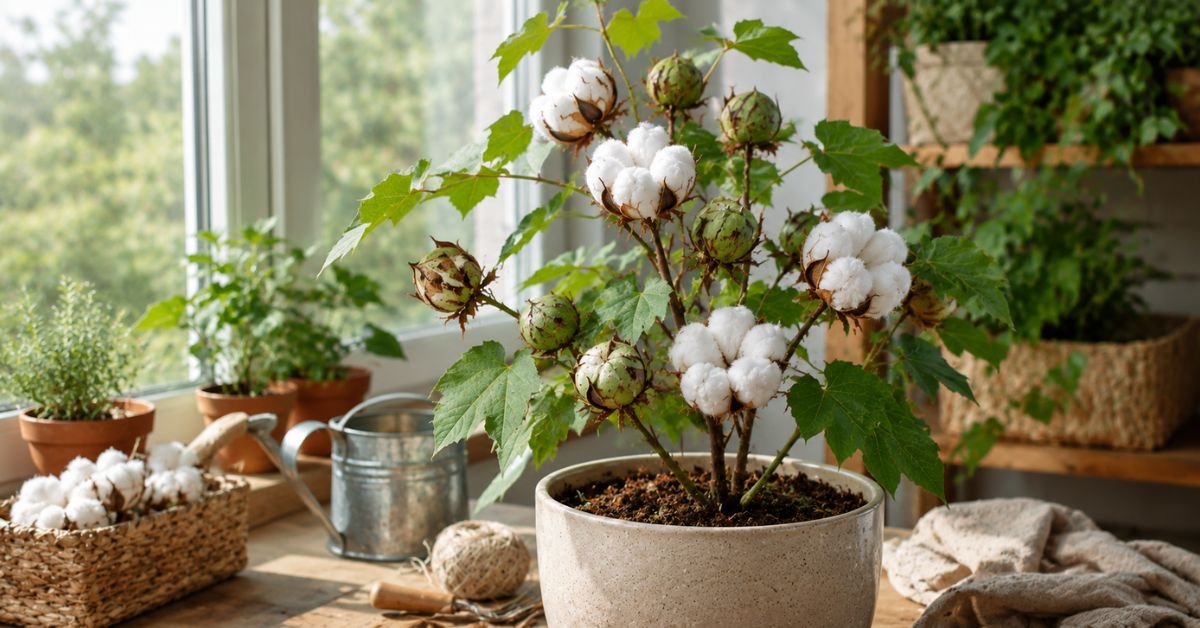
I’ve spent years getting my hands dirty with all sorts of greenery across the US. But getting a fluffy, white harvest from your very own living room or backyard? That’s something special. Growing cotton plants isn’t just for massive commercial farms down south. You can actually do it right at home. I’ll walk you through the real-world, practical steps to make it happen, without any complicated jargon.
Quick Care Table
| Feature | Details |
| USDA Hardiness Zones | 8-11 (Perennial outdoors); Anywhere (Indoors or Annual) |
| Sunlight | Full sun (4-5 hours minimum) |
| Watering | Wait until the top 2 inches of soil are dry |
| Soil | Standard potting soil mixed with perlite or sand |
| Temperature | 65°F to 85°F |
Why Growing Cotton Plants Indoors or Outdoors is Easier Than You Think
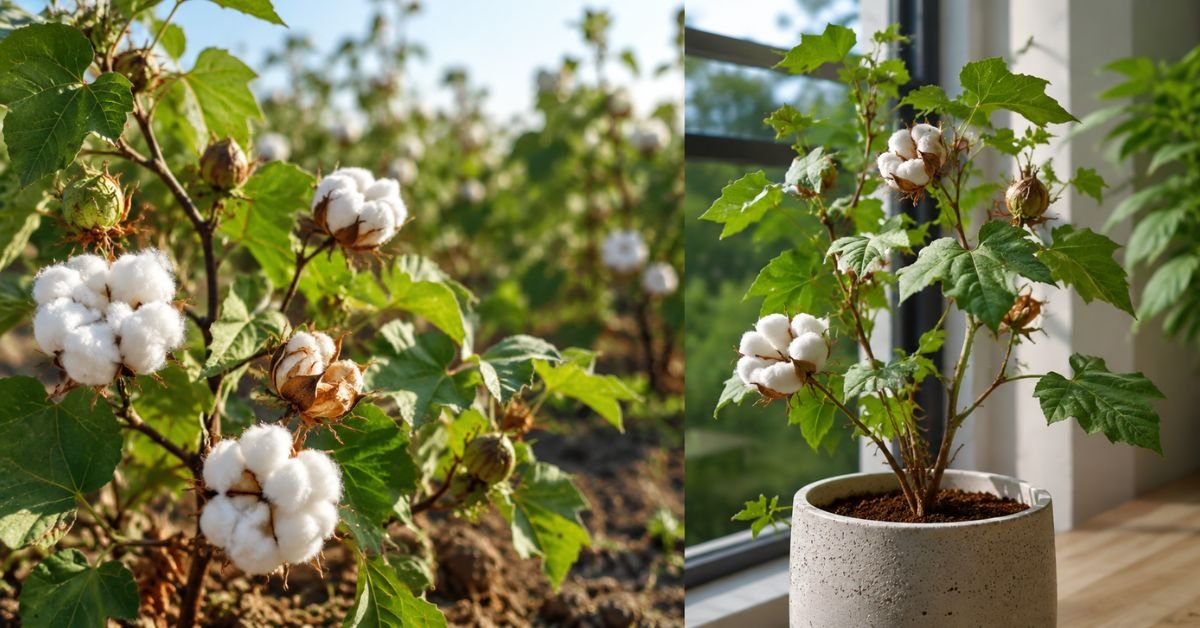
When I first tried putting seeds in a pot, I fully expected them to fail. They didn’t. Cotton is surprisingly resilient. If you live in USDA Hardiness Zones 8 through 11, you can drop seeds straight into the garden come Spring. For the rest of the country dealing with chilly Fall weather and freezing winters, keeping them in containers works beautifully. I’ve noticed that as long as you treat them like drought-tolerant sun-lovers, they do just fine.
Personal Pro-Tip: I always soak my seeds in warm water for about 12 hours before planting. It softens the hard outer shell and speeds up germination significantly.
Essential Care Guide for Your Cotton Plants
How Much Sun Do Cotton Plants Really Need?
Sunlight is non-negotiable. They need a lot of it. We are talking bright, direct light. If you have a south-facing window, use it. Without enough sun, the stems get leggy and you won’t see a single fluffy boll.
If your house is shaded, you might need a grow light. I had a batch in a somewhat dim room once. They grew, sure. But they just looked sad and stretched out.
Personal Pro-Tip: Rotate your pot a quarter turn every couple of days. This keeps the stem growing straight instead of leaning heavily toward the window.
Watering Cotton Plants: Directly From the Faucet
This is where most folks mess up. Cotton is drought-tolerant. Do not constantly flood the pot. I usually wait until the top two inches of the potting soil feel completely dry to the touch before I grab my watering can.
You can use plain tap water right from the faucet. No fancy filtered water needed. Just drench it until water runs out the bottom, and then leave it alone.
Personal Pro-Tip: If your tap water smells heavily of chlorine, fill your watering can and let it sit overnight before using it. The chemicals will evaporate.
The Best Potting Soil for Indoor Cotton Plants
Forget heavy outdoor dirt. You want a well-draining potting soil. I like to mix a standard bag of potting soil with a handful of perlite or sand. It keeps the roots from sitting in muck. If the roots stay wet, they rot. Fast.
Personal Pro-Tip: Make sure your container has drainage holes. I once lost a beautiful plant because I used a decorative pot without a hole. The water just sat at the bottom and drowned it.
Common Mistakes When Raising Cotton Plants in the US
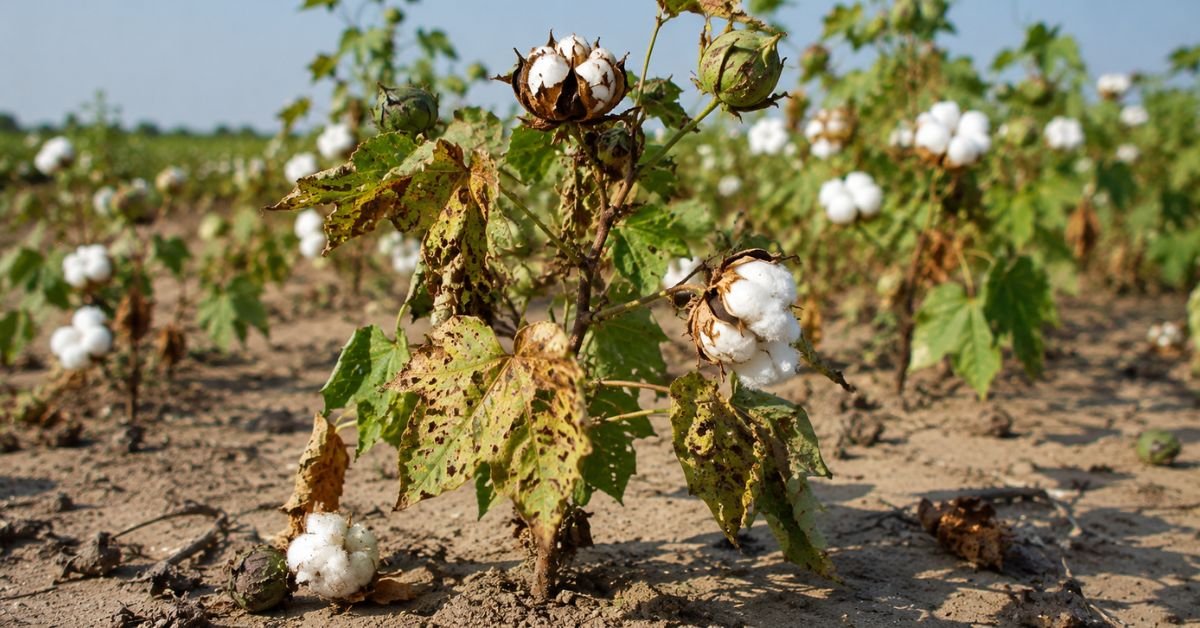
We do a lot of things to make our homes comfortable. Sadly, those things can ruin indoor plants.
The biggest culprit? Air conditioning. Placing your pot right next to an AC vent is a death sentence. The cold, dry air blasts the leaves, causing them to drop off.
Another massive issue is overwatering. Because it’s a commercial crop, people assume it needs constant hydration. It doesn’t. Stop hovering over it with a watering can.
Personal Pro-Tip: I keep my pots at least five feet away from any heating or cooling vents. The ambient temperature in a normal US home is fine, but direct blasts of artificial air will shock the system.
Troubleshooting Cotton Plant Issues
Things go wrong. It happens to me, and it will happen to you. Here is exactly how you fix it.
Leaves turning yellow? You are giving it too much water. Or the soil isn’t draining. Check the drip tray. If it’s full of standing water, dump it out. Let the soil dry out for a week and see if the new growth looks green.
Brown, crispy tips? That’s a humidity issue or salt buildup from fertilizer. Flush the soil with clean water from the faucet. If you live in a super dry climate, lightly misting the air around the pot can help.
Personal Pro-Tip: Don’t panic and rip off leaves at the first sign of yellowing. Let the plant naturally shed them. It reabsorbs nutrients from dying leaves.
Toxicity Warning: Are Cotton Plants Safe for Cats and Dogs?
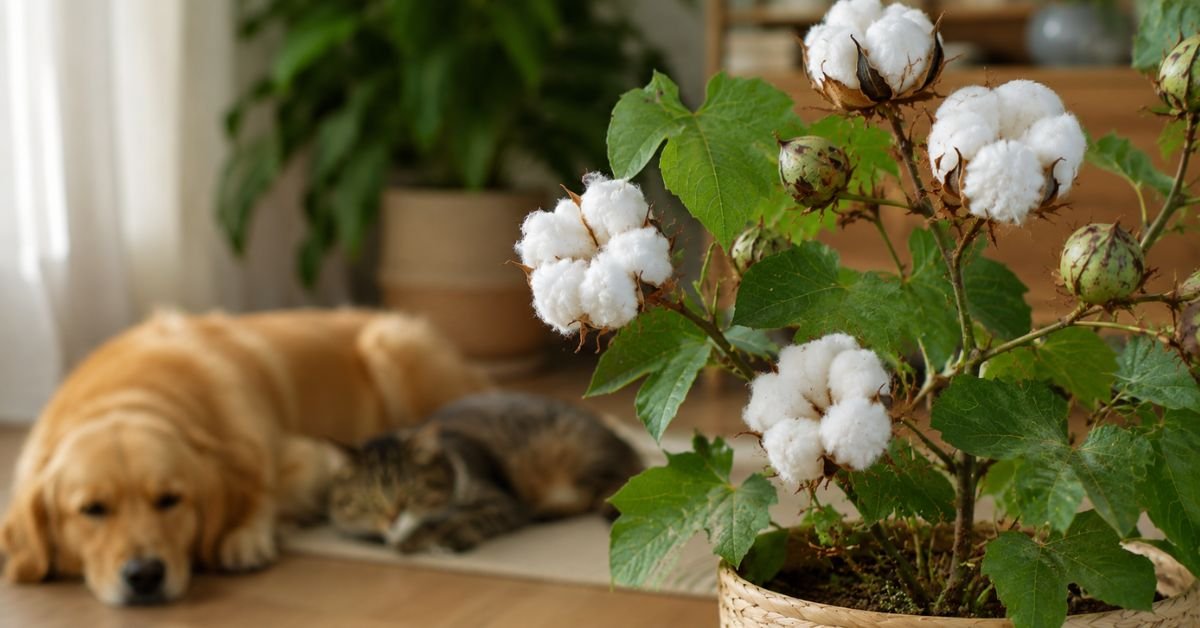
This is crucial. No, they are not safe.
Cotton plants contain a natural compound called gossypol. It is highly toxic to dogs, cats, and even humans if ingested in large amounts. The whole plant has it, but the seeds are especially dangerous.
If your golden retriever eats the leaves, you are looking at severe vomiting, diarrhea, lethargy, and potential heart issues. Keep these out of reach. Period. If you have pets that love to chew on greenery, this might not be the right indoor project for you.
Personal Pro-Tip: I use heavy, elevated plant stands. My cat can’t reach the foliage, which gives me peace of mind. If you suspect your pet ate any part of the plant, call your vet immediately.
Frequently Asked Questions (FAQs) About Cotton Plants
Q1: How long does it take to grow cotton from seed to harvest?
It takes a while. Expect anywhere from 130 to 160 days. You need patience. The bolls take their sweet time to split open.
Q2: Can I grow a cotton plant indoors year-round?
Yes, you absolutely can. As long as you provide enough warmth (above 65°F) and intense light, they will grow indoors regardless of the season outside.
Q3: Do I need to fertilize my indoor cotton plants?
I recommend a balanced liquid houseplant fertilizer once a month during the Spring and Summer. Don’t overdo it. Too much nitrogen gives you giant leaves but zero cotton.
Q4: Will a cotton plant survive the winter outdoors?
Only if you live in USDA Hardiness Zones 8 through 11 where the ground doesn’t freeze. Frost will kill it instantly. If you live further north, you have to treat it as an annual or bring it inside.
Q5: Why are the flowers on my plant changing color?
That’s normal and actually really cool to watch. The blooms open up white or pale yellow. By the second day, they turn a deep pink or purple before falling off.
Q6: What size container do I need?
Go big. They have a long taproot. A pot that is at least 12 inches deep is the absolute minimum. 18 inches is much better.
Q7: Is it legal to grow cotton plants at home?
In most US states, yes, for ornamental use. But a few states (like Texas or California) have strict rules or require permits to prevent agricultural pests like the boll weevil. Always check your local agricultural extension office first.
Final Thoughts
Growing cotton plants is a fantastic, hands-on way to connect with agriculture right on your back porch or windowsill. It requires a bit of patience, a lot of sunlight, and the discipline to step away from the watering can. Give it a shot this Spring. You might just find yourself completely obsessed with watching those green bolls finally crack open to reveal real, fluffy cotton.

Amin Khalid is a professional horticulturist and the founder of LeafyWisdom. With a deep passion for home gardening and horticultural research, he specializes in providing practical, easy-to-follow care guides for indoor plants. Amin’s goal is to simplify gardening for everyone and help fellow plant lovers build their own thriving green spaces.

No responses yet