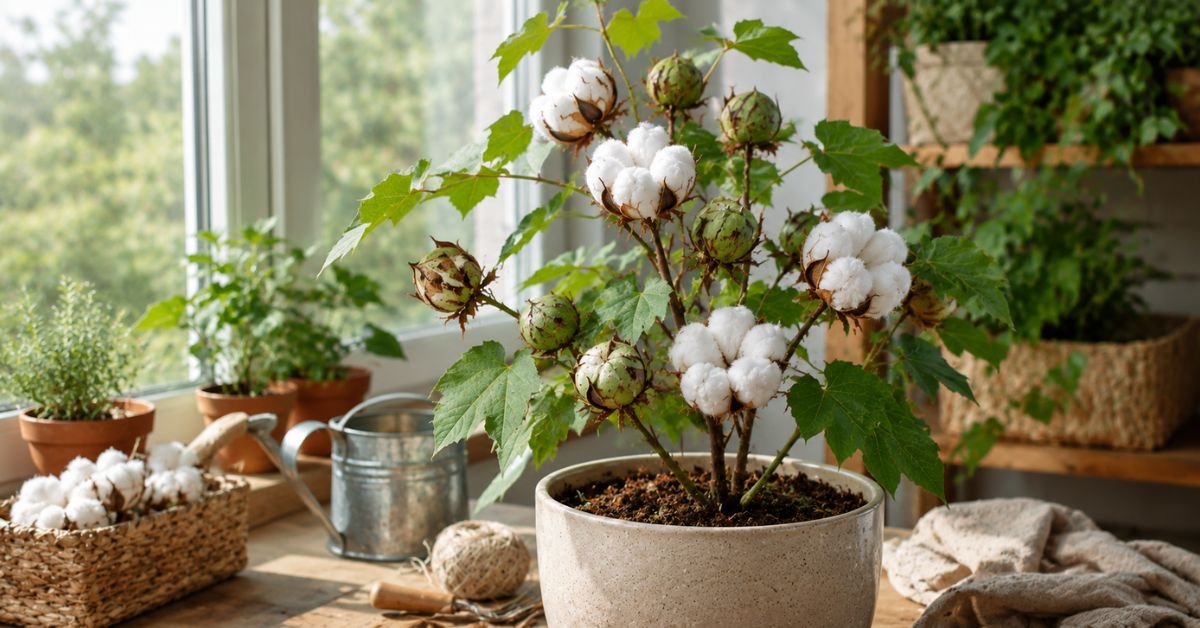
Day: July 16, 2026

  • Growing Cotton Plants at Home: An Expert’s Practical Guide

    Growing Cotton Plants at Home: An Expert’s Practical Guide

    I’ve spent years getting my hands dirty with all sorts of greenery across the US. But getting a fluffy, white harvest from your very own living room or backyard? That’s something special. Growing cotton plants isn’t just for massive commercial farms down south. You can actually do it right at home. I’ll walk you through the real-world, practical steps to make it happen, without any complicated jargon.

    Quick Care Table

    FeatureDetails
    USDA Hardiness Zones8-11 (Perennial outdoors); Anywhere (Indoors or Annual)
    SunlightFull sun (4-5 hours minimum)
    WateringWait until the top 2 inches of soil are dry
    SoilStandard potting soil mixed with perlite or sand
    Temperature65°F to 85°F

    Why Growing Cotton Plants Indoors or Outdoors is Easier Than You Think
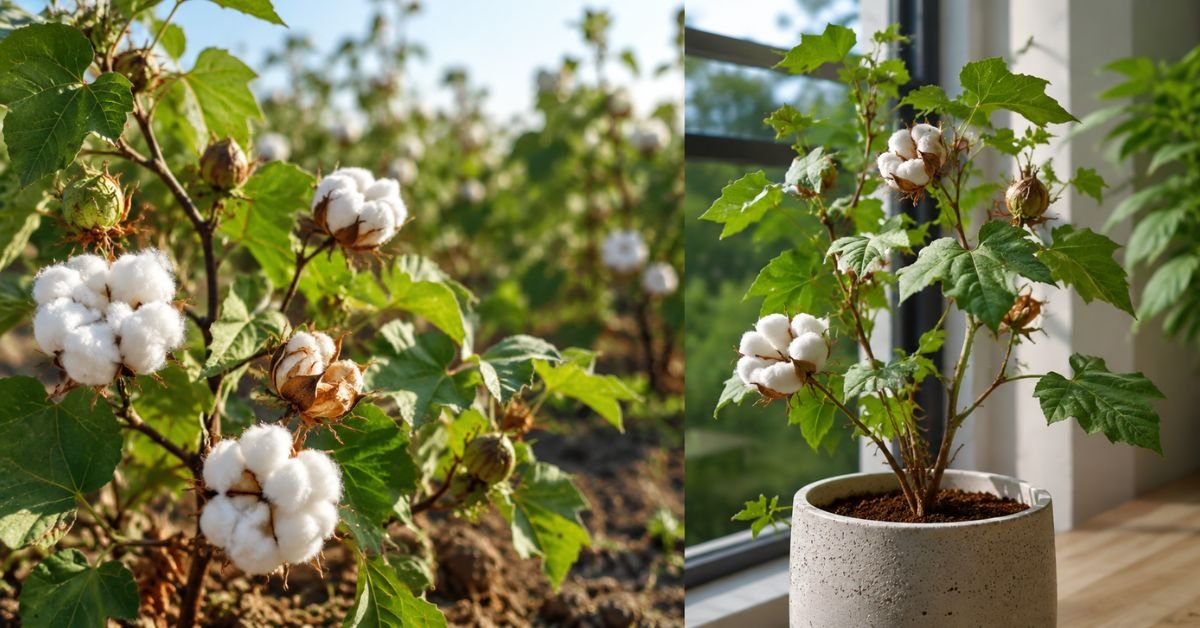
    Why Growing Cotton Plants

    When I first tried putting seeds in a pot, I fully expected them to fail. They didn’t. Cotton is surprisingly resilient. If you live in USDA Hardiness Zones 8 through 11, you can drop seeds straight into the garden come Spring. For the rest of the country dealing with chilly Fall weather and freezing winters, keeping them in containers works beautifully. I’ve noticed that as long as you treat them like drought-tolerant sun-lovers, they do just fine.

    Personal Pro-Tip: I always soak my seeds in warm water for about 12 hours before planting. It softens the hard outer shell and speeds up germination significantly.

    Essential Care Guide for Your Cotton Plants

    How Much Sun Do Cotton Plants Really Need?

    Sunlight is non-negotiable. They need a lot of it. We are talking bright, direct light. If you have a south-facing window, use it. Without enough sun, the stems get leggy and you won’t see a single fluffy boll.

    If your house is shaded, you might need a grow light. I had a batch in a somewhat dim room once. They grew, sure. But they just looked sad and stretched out.

    Personal Pro-Tip: Rotate your pot a quarter turn every couple of days. This keeps the stem growing straight instead of leaning heavily toward the window.

    Watering Cotton Plants: Directly From the Faucet

    This is where most folks mess up. Cotton is drought-tolerant. Do not constantly flood the pot. I usually wait until the top two inches of the potting soil feel completely dry to the touch before I grab my watering can.

    You can use plain tap water right from the faucet. No fancy filtered water needed. Just drench it until water runs out the bottom, and then leave it alone.

    Personal Pro-Tip: If your tap water smells heavily of chlorine, fill your watering can and let it sit overnight before using it. The chemicals will evaporate.

    The Best Potting Soil for Indoor Cotton Plants

    Forget heavy outdoor dirt. You want a well-draining potting soil. I like to mix a standard bag of potting soil with a handful of perlite or sand. It keeps the roots from sitting in muck. If the roots stay wet, they rot. Fast.

    Personal Pro-Tip: Make sure your container has drainage holes. I once lost a beautiful plant because I used a decorative pot without a hole. The water just sat at the bottom and drowned it.

    Common Mistakes When Raising Cotton Plants in the US

    Common Mistakes When Raising Cotton Plants in the US

    We do a lot of things to make our homes comfortable. Sadly, those things can ruin indoor plants.

    The biggest culprit? Air conditioning. Placing your pot right next to an AC vent is a death sentence. The cold, dry air blasts the leaves, causing them to drop off.

    Another massive issue is overwatering. Because it’s a commercial crop, people assume it needs constant hydration. It doesn’t. Stop hovering over it with a watering can.

    Personal Pro-Tip: I keep my pots at least five feet away from any heating or cooling vents. The ambient temperature in a normal US home is fine, but direct blasts of artificial air will shock the system.

    Troubleshooting Cotton Plant Issues

    Things go wrong. It happens to me, and it will happen to you. Here is exactly how you fix it.

    Leaves turning yellow? You are giving it too much water. Or the soil isn’t draining. Check the drip tray. If it’s full of standing water, dump it out. Let the soil dry out for a week and see if the new growth looks green.

    Brown, crispy tips? That’s a humidity issue or salt buildup from fertilizer. Flush the soil with clean water from the faucet. If you live in a super dry climate, lightly misting the air around the pot can help.

    Personal Pro-Tip: Don’t panic and rip off leaves at the first sign of yellowing. Let the plant naturally shed them. It reabsorbs nutrients from dying leaves.

    Toxicity Warning: Are Cotton Plants Safe for Cats and Dogs?
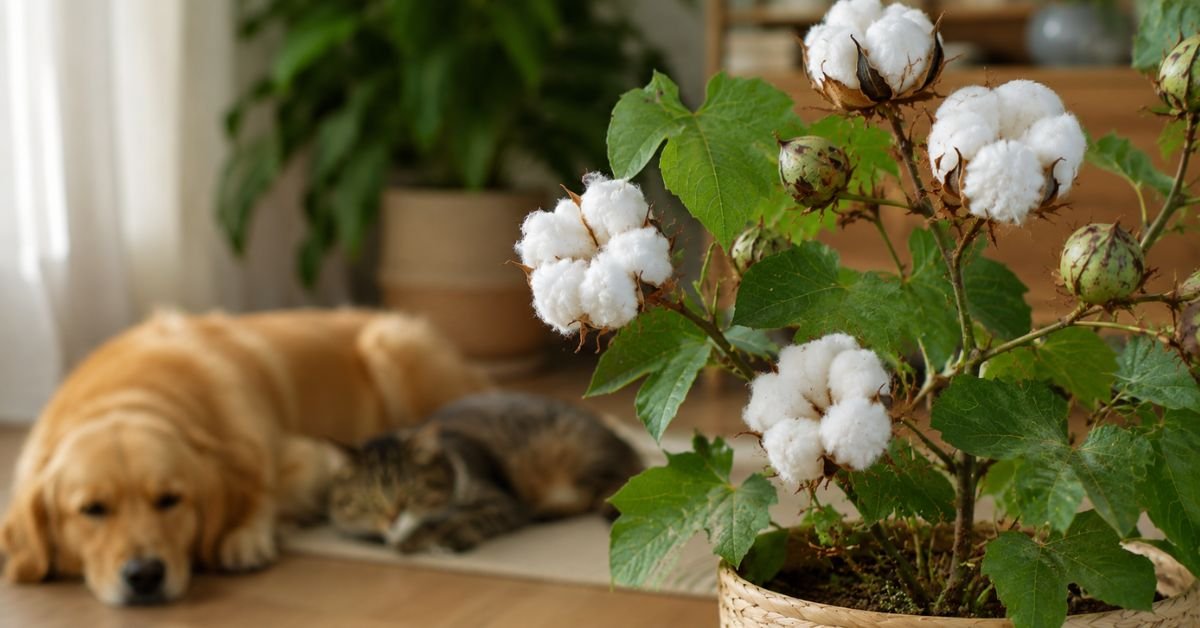
    Toxicity Warning Are Cotton Plants Safe for Cats and Dogs

    This is crucial. No, they are not safe.

    Cotton plants contain a natural compound called gossypol. It is highly toxic to dogs, cats, and even humans if ingested in large amounts. The whole plant has it, but the seeds are especially dangerous.

    If your golden retriever eats the leaves, you are looking at severe vomiting, diarrhea, lethargy, and potential heart issues. Keep these out of reach. Period. If you have pets that love to chew on greenery, this might not be the right indoor project for you.

    Personal Pro-Tip: I use heavy, elevated plant stands. My cat can’t reach the foliage, which gives me peace of mind. If you suspect your pet ate any part of the plant, call your vet immediately.

    Frequently Asked Questions (FAQs) About Cotton Plants

    Q1: How long does it take to grow cotton from seed to harvest?

    It takes a while. Expect anywhere from 130 to 160 days. You need patience. The bolls take their sweet time to split open.

    Q2: Can I grow a cotton plant indoors year-round?

    Yes, you absolutely can. As long as you provide enough warmth (above 65°F) and intense light, they will grow indoors regardless of the season outside.

    Q3: Do I need to fertilize my indoor cotton plants?

    I recommend a balanced liquid houseplant fertilizer once a month during the Spring and Summer. Don’t overdo it. Too much nitrogen gives you giant leaves but zero cotton.

    Q4: Will a cotton plant survive the winter outdoors?

    Only if you live in USDA Hardiness Zones 8 through 11 where the ground doesn’t freeze. Frost will kill it instantly. If you live further north, you have to treat it as an annual or bring it inside.

    Q5: Why are the flowers on my plant changing color?

    That’s normal and actually really cool to watch. The blooms open up white or pale yellow. By the second day, they turn a deep pink or purple before falling off.

    Q6: What size container do I need?

    Go big. They have a long taproot. A pot that is at least 12 inches deep is the absolute minimum. 18 inches is much better.

    Q7: Is it legal to grow cotton plants at home?

    In most US states, yes, for ornamental use. But a few states (like Texas or California) have strict rules or require permits to prevent agricultural pests like the boll weevil. Always check your local agricultural extension office first.

    Final Thoughts

    Growing cotton plants is a fantastic, hands-on way to connect with agriculture right on your back porch or windowsill. It requires a bit of patience, a lot of sunlight, and the discipline to step away from the watering can. Give it a shot this Spring. You might just find yourself completely obsessed with watching those green bolls finally crack open to reveal real, fluffy cotton.

  • The Ultimate No-Nonsense Guide to Growing a Concrete Plant Indoors

    The Ultimate No-Nonsense Guide to Growing a Concrete Plant Indoors

    The first time I saw a concrete plant at a quirky little nursery in southern Ohio, I honestly thought someone had dropped a chunk of textured gray drywall into a plastic starter pot. It didn’t look alive. It looked like a tight cluster of bumpy, warty limestone rocks. But that is the absolute beauty of Titanopsis calcarea. It is a master of disguise.

    If you want a houseplant that grows beautifully on absolute neglect and looks like something pulled straight off a sci-fi movie set, this little South African native is your best bet. Let’s break down exactly how to keep it happy in an average American home.

    Quick Care Guide

    Care RequirementQuick Guidelines
    Common NameConcrete Plant, Concrete Leaf Succulent, Jewel Plant
    Botanical NameTitanopsis calcarea
    USDA Hardiness ZonesZones 9 to 11 (Must be kept indoors during winter in colder states)
    Light ExposureIntense, bright direct sunlight (South or West-facing window)
    Watering RoutineTreat it like a desert. Water deeply only when the pot is 100% dry.
    Soil MixExtremely porous. 40% commercial potting soil, 60% coarse grit.
    Pet ToxicitySafe. Completely non-toxic to cats and dogs.

    What Exactly Is a Concrete Plant?

    What Exactly Is a Concrete Plant

    In the wild, this little guy grows in the rocky crevices of limestone outcrops. Its warty, chalky leaves blend in perfectly with its surroundings so hungry desert animals walk right past it. When you bring a concrete plant into your home, you are dealing with an organism designed for extreme survival. It does not want coddling. It wants sunshine and dry air.

    its an incredibly slow grower, peaking at about three inches high. It grows in tiny, tight rosettes that gradually spread across the top of your container over several years.

    Personal Pro-Tip: Do not wipe the leaves with water or commercial leaf-shine products. That rough, dusty texture is part of its natural defense system. Messing with it can damage the specialized cells that protect it from burning under harsh afternoon sun.

    Setting Up the Perfect Indoor Environment for Your Concrete Leaf Succulent

    You don’t need a professional greenhouse to make this plant happy. You just need to understand its internal clock. It does most of its active growing during the cooler parts of the year late Fall and early Spring. During the blazing heat of high Summer, it actually goes semi-dormant to protect itself from drying out.

    Getting the Soil Mix Right for a Potted Concrete Plant

    Standard commercial potting soil straight out of the bag will kill this plant in a month. It retains way too much moisture for desert roots. I always mix my own batch. Use roughly 40% standard potting soil and mix in 60% gritty materials like pumice, perlite, or very coarse builder’s sand.

    Dealing with American AC Vents and Winter Radiators

    Our homes pose a unique challenge because of central climate control. In the Summer, we blast the air conditioning. In the Winter, our heaters dry out the air. The concrete plant actually enjoys dry indoor air, but it hates sudden, drastic temperature drops.

    Keep it away from direct drafts. If it sits right in front of a floor register where icy AC air shoots out all day, it will stress out and drop its lower leaves.

    Personal Pro-Tip: In the Winter, windowsills can get freezing cold at night, especially in Northern states. I pull my pots back about six inches from the glass during cold snaps to avoid frost damage from radiant cold.

    Why Americans Frequently Kill the Concrete Plant

    Why Americans Frequently Kill the Concrete Plant

    The absolute number one reason people fail with the concrete plant is killing it with kindness. That means overwatering.

    We love a schedule. We want to water our plants every single Tuesday morning. If you do that here, your plant will rot into a puddle of gray goo. Another classic blunder is using a decorative pot without a drainage hole because it looks pretty on a desk. Without a quick exit for water, the roots drown.

    Personal Pro-Tip: If you love a decorative pot that doesn’t have a hole, keep the concrete plant in its plastic nursery liner. Slip the liner inside the pretty pot. When it’s time to water, take the plastic liner out, run it under the kitchen faucet, let it drain completely for 15 minutes, and then put it back.

    Quick Troubleshooting for Concrete Plant Problems

    Plants cannot talk, but they show clear signs when things go south. Here is how to read the leaves:

    • Leaves turning yellow, mushy, or translucent: This is classic overwatering. Stop watering immediately. If the whole center is mushy, it might be too late, but you can try pulling the plant out of the soil to let the roots dry out in the open air for a few days.
    • Wrinkled, shriveled leaf tips: The plant is thirsty. While it tolerates drought easily, if it hasn’t seen a drop of water in two months during its active Fall growing season, it will start to look like a deflated balloon. Give it a deep soak.
    • The plant is turning bright green and stretching out: It lacks light. It is losing its stony camouflage because it’s desperately trying to maximize its surface area to catch any stray sunbeams. Move it to a brighter spot.

    Personal Pro-Tip: If you see white, crusty build-up on the edges of the warty leaves, don’t panic. This is often just the plant excreting excess calcium from your tap water. It is perfectly normal and won’t hurt a thing.

    Is the Concrete Plant Toxic to Your Cats and Dogs?

    Is the Concrete Plant Toxic to Your Cats and Dogs (2)

    Good news for anyone sharing a home with curious cats or mischievous dogs. The concrete plant is completely non-toxic. If your cat decides to give it an experimental chew, your kitty will be fine (though your plant’s unique look might suffer a bit).

    Because of its rough, stony texture, most pets actually leave it completely alone anyway. It doesn’t look or feel like a tasty green snack to them.

    Personal Pro-Tip: I like to top-dress the soil with actual crushed limestone or small gray pea gravel. Not only does it look incredibly sharp, but it also props up the lower leaves and keeps them away from contact with damp soil after you water, which further prevents any chance of rot.

    Frequently Asked Questions About the Concrete Plant

    Q1: How often do you water a concrete plant?

    There is no set calendar answer. In the active growing periods of late Fall and early Spring, I usually water mine about once every two weeks. In the dead of Summer or Winter, I cut that back to once a month or even less. Always feel the soil down by the drainage hole first. If it feels even slightly damp, leave it alone.

    Q2: Why is my concrete plant turning soft and rotting at the base?

    This is caused by excess moisture trapped around the root system or the base of the rosettes. It usually happens if your soil mix is too heavy or if the pot is sitting in a saucer full of drained water. Once rot sets in, it moves fast.

    Q3: Can a concrete plant grow outdoors in the US?

    Yes, but only if you live in USDA Hardiness Zones 9 through 11, like parts of Southern California, Arizona, or Florida. Even then, it needs to be in a rock garden with immaculate drainage. For the rest of the country, it needs to spend the winter indoors as a houseplant.

    Q4: What kind of pot is best for Titanopsis calcarea?

    Unglazed terracotta pots are the gold standard. Terracotta is porous, meaning it breathes and allows moisture to evaporate through the sides of the pot. This acts as a safety net against accidental overwatering.

    Q5: Why is my concrete plant losing its bumpy texture and turning bright green?

    Your plant is starved for light. When it doesn’t get enough direct sun, it stops producing the thick, warty protective layers and stretches out its leaves to trap more light. Move it closer to a south-facing window.

    Personal Pro-Tip: When your plant does bloom, enjoy the scent. The flowers have a very faint, sweet honey aroma that you can usually smell in the late afternoon when the petals fully open to catch the last rays of sun.

    Final Thoughts on Keeping This Stone Mimic Alive

    Don’t let the bizarre looks fool you. Growing this little mimicry succulent is one of the most rewarding projects you can take on. Give it gravelly soil, give it the sunniest spot in your house, and then leave it alone. It will reward your hands-off approach by looking incredible for years to come.

    Personal Pro-Tip: Take a photo of your plant on the day you buy it. Because it grows so slowly, you won’t notice the subtle changes until you look back at a photo from six months prior and realize it has filled out beautifully.