
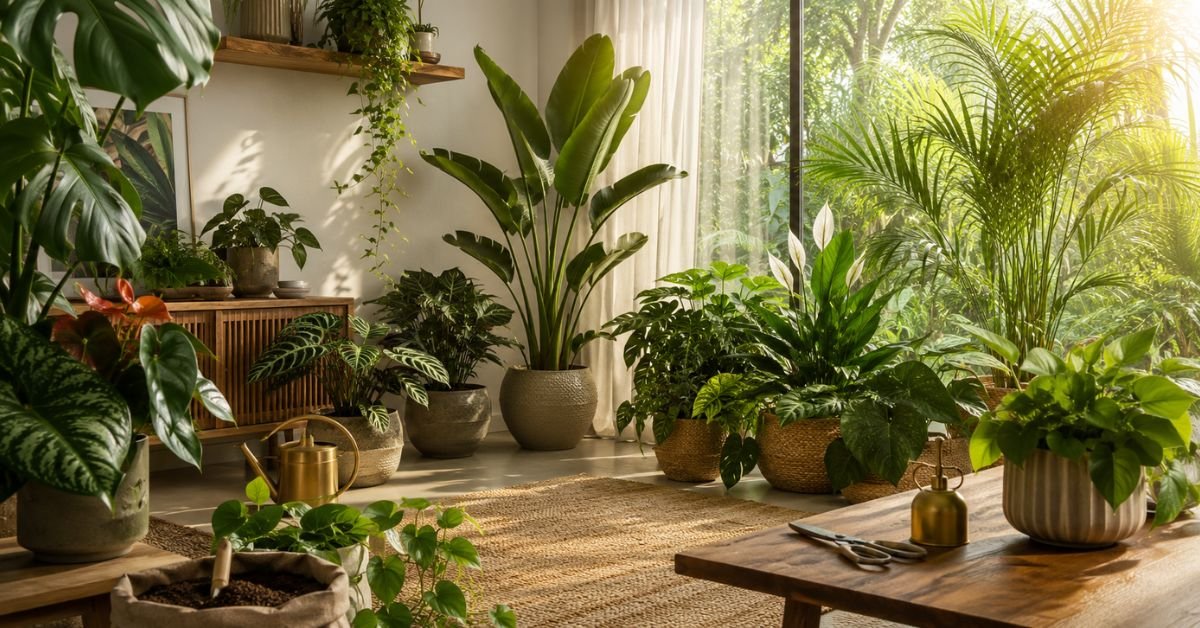
I killed my first tropical rainforest plant in about six weeks. It was a Monstera, and I was watering it like a tomato, on a strict Sunday schedule, no matter what the soil actually looked like. It rotted from the roots up, and I didn’t understand why until I started reading about where these plants actually come from.
That’s the thing about tropical rainforest plants. They didn’t evolve on a windowsill in Ohio. They evolved under a forest canopy where the light is filtered, the air is thick with moisture, and the soil almost never fully dries out but also almost never sits soggy for long. Once I started treating my houseplants like tiny transplants from that world instead of generic “greenery,” everything changed. This guide is what I wish someone had handed me back then.
Quick Care Table for Popular Tropical Rainforest Plants
Skimming for the basics? Start here, then read the sections below for the details that actually matter.
| Plant | Light | Watering | Humidity | USDA Zones (Outdoor) | Pet Toxicity |
| Monstera deliciosa | Bright, indirect | When top 2″ of soil is dry | 60%+ | 10–12 | Toxic to cats & dogs |
| Pothos (Epipremnum) | Low to bright, indirect | When top 1–2″ is dry | 40%+ (forgiving) | 10–12 | Toxic to cats & dogs |
| Philodendron | Medium to bright, indirect | Weekly-ish, adjust by season | 50%+ | 9–11 | Toxic to cats & dogs |
| Calathea | Medium, indirect only | Keep lightly moist | 60%+ | 10–12 | Non-toxic |
| Peace Lily | Low to medium | When it starts to droop slightly | 50%+ | 11–12 | Toxic to cats & dogs |
| Fiddle Leaf Fig | Bright, indirect | Weekly, deep soak | 40%+ | 10–11 | Toxic to cats & dogs |
What Makes a Plant a True Tropical Rainforest Plant?
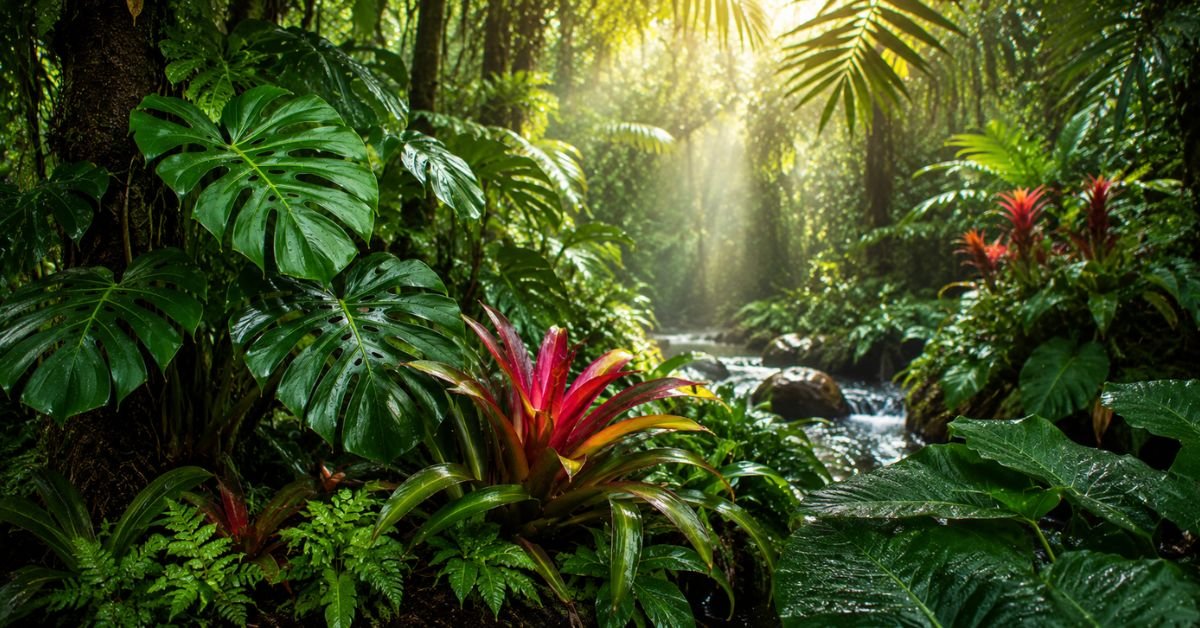
Not every houseplant with big leaves counts. Genuine tropical rainforest plants come from the understory or canopy layers of jungles in places like the Amazon Basin, Southeast Asia, and Central America. They’re used to warmth that rarely dips below 65°F, humidity that would fog up a bathroom mirror, and light that filters down through layers of leaves above them rather than hitting them directly.
I think this origin story is the single most useful thing a beginner can learn. It explains almost every “mystery” problem people run into. Brown, crispy edges? Probably not enough humidity. Leggy growth reaching toward a window? Not enough filtered light. Once you know the plant’s backstory, the troubleshooting gets a lot less confusing.
Why Tropical Rainforest Plants Struggle in Typical American Homes
Here’s my honest take: most US homes are basically the opposite of a rainforest. Central heating and air conditioning strip moisture out of the air. Forced-air vents create little dry, drafty microclimates. In my own living room, the humidity sits around 30% most of winter — a rainforest floor would be more than double that.
I’ve found that acknowledging this mismatch upfront saves people a lot of frustration. You’re not failing at plant care. You’re compensating for a climate your plant was never designed for.
How to Water Tropical Rainforest Plants the Right Way
This is where I went wrong originally, and it’s where I see the most questions in plant groups and on Reddit. Watering tropical rainforest plants isn’t about a calendar. It’s about reading the plant and the potting soil.
Stick a finger about two inches into the potting soil before you touch that watering can. Dry at that depth on a Monstera or Philodendron? Water thoroughly until it runs from the drainage holes. Still damp? Wait. Calatheas and Peace Lilies want to stay a bit more consistently moist, never bone dry, but they still hate sitting in a swamp.
Personal Pro-Tip: I keep a cheap moisture meter in my gardening drawer. It’s not fancy, and purists will tell you to just trust your finger, but on darker winter days when I can’t tell if the top layer is genuinely dry or just cool, that little probe has saved more than one plant from an unnecessary drink.
Should You Use Tap Water or Filtered Water?
Honestly, for most people, faucet water is fine. If your municipal supply is heavily chlorinated or you’ve got hard water with a lot of mineral buildup, I let a full watering can sit out on the counter overnight so some of the chlorine dissipates before it touches the roots. Calatheas in particular can develop crispy brown edges from mineral-sensitive tap water, so that’s one plant where I’d actually bother with filtered or distilled water.
Humidity, Light, and the Air Conditioning Problem
I want to spend real time here because this is genuinely the part competitors gloss over, and it’s the part that determines whether your tropical rainforest plants actually settle in.
Do Tropical Rainforest Plants Need a Humidifier?
For most jungle-native houseplants, yes, especially if you run central AC through the summer or forced-air heat through winter. A small humidifier set near your plant grouping can push ambient humidity from a dry 25–30% up into the 50–60% range these species actually want. Grouping plants together also helps they release moisture through their leaves and effectively humidify each other.
Avoid placing any tropical species directly under or near an AC vent or a heating register. The blast of dry, temperature-swinging air dehydrates leaves fast, and I’ve watched perfectly healthy Calatheas develop crispy tips within a week of being moved near a vent.
What Kind of Light Do These Plants Actually Want?
“Bright, indirect light” gets thrown around so often it’s basically meaningless at this point. Practically, it means a spot a few feet back from an east or south-facing window, or right in front of a north-facing one. Direct, hot afternoon sun through unfiltered glass will scorch the leaves of most rainforest species, since in nature that light was always broken up by a canopy overhead.
Personal Pro-Tip: I rotate every pot a quarter turn each time I water. Plants lean toward light, and a couple months of unchecked leaning gives you a lopsided, top-heavy specimen that’s annoying to photograph and honestly a little sad to look at.
Common Mistakes Americans Make With Tropical Rainforest Plants
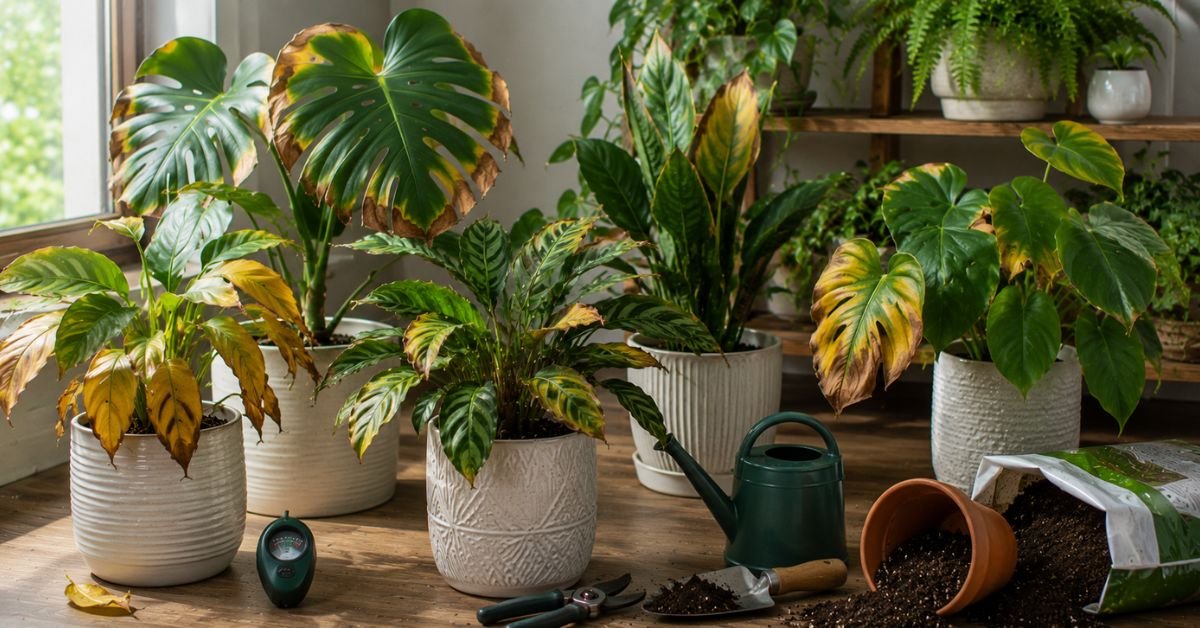
I’m going to be blunt here because I think most care guides are too gentle about this. In my experience, three mistakes account for the vast majority of dead tropical houseplants in US homes.
- Overwatering out of anxiety. New plant owners water constantly because they’re worried, not because the plant needs it. Soggy potting soil suffocates roots faster than a dry spell ever will.
- Parking plants near AC vents or drafty windows. This is such a common layout choice in American living rooms, and it’s brutal on humidity-loving species.
- Using the wrong pot. A decorative ceramic pot with no drainage hole, filled to the brim with water, is basically a slow-motion root rot machine. I learned this one the expensive way.
Troubleshooting: Yellow Leaves, Brown Tips, and Other Warning Signs
Why Are the Leaves on My Tropical Rainforest Plant Turning Yellow?
Nine times out of ten in my experience, yellowing leaves mean overwatering. The soil’s staying wet too long, oxygen can’t reach the roots, and the plant starts sacrificing older leaves to survive. Let the soil dry out more between waterings, and check that your pot actually drains. Occasionally, especially in Peace Lilies and Pothos, a single yellow leaf here and there is just normal aging not every yellow leaf is a crisis.
Why Does My Plant Have Brown, Crispy Tips?
This one almost always points to low humidity, mineral buildup from tap water, or both. Move the plant away from vents, add a humidifier or pebble tray, and consider switching to filtered water if you’ve got hard water. Trim the crispy parts with clean scissors; the plant won’t heal that section, but it’ll stop looking worse.
Why Is My Plant Dropping Leaves Suddenly?
Sudden leaf drop is often shock a big move, a cold draft, a repotting that disturbed the roots. Give it a few weeks in a stable spot before you panic and start changing your whole routine.
Personal Pro-Tip: I keep a note on my phone logging when I water each plant and what I notice. It sounds excessive, but after a month you start seeing patterns like “every time I water on a Thursday, the Calathea sulks by Saturday” that a memory alone won’t catch.
Are Tropical Rainforest Plants Toxic to Cats and Dogs?
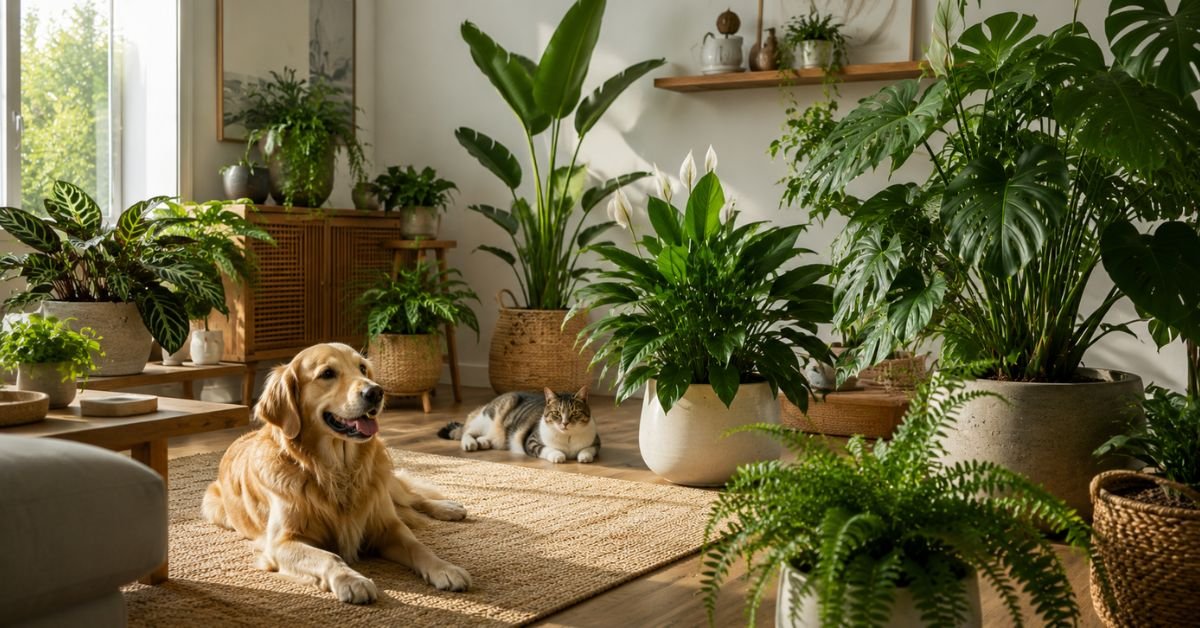
This matters enormously for US households, and I don’t think enough guides lead with it. Several extremely popular species Monstera, Pothos, Philodendron, Peace Lily, and Fiddle Leaf Fig among them contain calcium oxalate crystals that cause mouth irritation, drooling, and vomiting if a cat or dog chews on the leaves. It’s rarely fatal, but it’s genuinely unpleasant for the animal and worth a vet call if symptoms are severe.
If pets are part of your household, Calatheas are one of the few popular jungle plants that are non-toxic, and they’re a safer choice for low shelves or spots your cat can actually reach. For everything else, hanging planters and high shelves are your friend.
USDA Hardiness Zones for Outdoor Tropical Rainforest Plants
Most tropical rainforest plants are grown as houseplants across the US simply because they can’t survive frost. If you’re in USDA Zone 10 or 11 think South Florida, coastal Southern California, or Hawaii you can actually grow many of these outdoors year-round, including Monstera, Philodendron, and even Fiddle Leaf Fig in a sheltered spot. Everywhere else, they’re either houseplants full time or “patio plants” that come back inside the moment nighttime temperatures threaten to dip below 50°F in fall.
Frequently Asked Questions
Q1. Can tropical rainforest plants survive in a low-light apartment? Some can. Pothos and certain Philodendron varieties are genuinely tolerant of lower light, though “tolerant” means they’ll survive, not necessarily grow fast. A Monstera or Fiddle Leaf Fig in a genuinely dim room will likely stretch out and struggle over time.
Q2. How often should I mist my tropical plants? Misting gives a very brief humidity bump that fades within minutes, so it’s more of a nice ritual than an effective long-term fix. A humidifier or pebble tray does far more for the plant.
Q3. Why is my tropical plant not growing at all? Check the season first — most tropical species slow down or pause growth entirely in fall and winter, even indoors, responding to shorter days. If it’s spring or summer and growth has stalled, look at light levels and whether the plant’s outgrown its pot.
Q4. Is potting soil different from regular garden soil for these plants? Yes, and this trips people up constantly. Garden soil compacts in a container and drowns roots. Use a well-draining potting soil, ideally one with added perlite or orchid bark for tropical aroids like Monstera and Philodendron.
Q5. Can I keep tropical rainforest plants outside in summer? In most of the US, yes, on a shaded patio once nighttime temperatures stay reliably above 55°F. Just remember to acclimate them slowly to outdoor light and bring them back in before the first fall frost.
Q6. Why does my plant look fine in the store but decline at home? Nurseries and big box stores run high humidity and bright, controlled light. Your home is a different environment, and plants need a few weeks to adjust some leaf loss during that adjustment period is normal and not always a sign you’re doing something wrong.
Q7. Do tropical rainforest plants need fertilizer? During active growth in spring and summer, yes a diluted balanced liquid fertilizer every 4–6 weeks helps. I skip fertilizing entirely from about October through February, since the plant isn’t actively growing and unused fertilizer salts can actually damage the roots.
Final Thoughts
None of this is complicated once you stop thinking of tropical rainforest plants as ordinary houseplants and start thinking of them as tiny transplants from a very specific, very humid corner of the world. Match their light, don’t drown their roots, keep them away from your AC vents, and check on toxicity before you put one anywhere near a curious cat. I still lose the occasional leaf to a cold draft or a distracted week of care. That’s normal. The goal isn’t perfection, it’s giving these plants a reasonable approximation of home.

Amin Khalid is a professional horticulturist and the founder of LeafyWisdom. With a deep passion for home gardening and horticultural research, he specializes in providing practical, easy-to-follow care guides for indoor plants. Amin’s goal is to simplify gardening for everyone and help fellow plant lovers build their own thriving green spaces.