
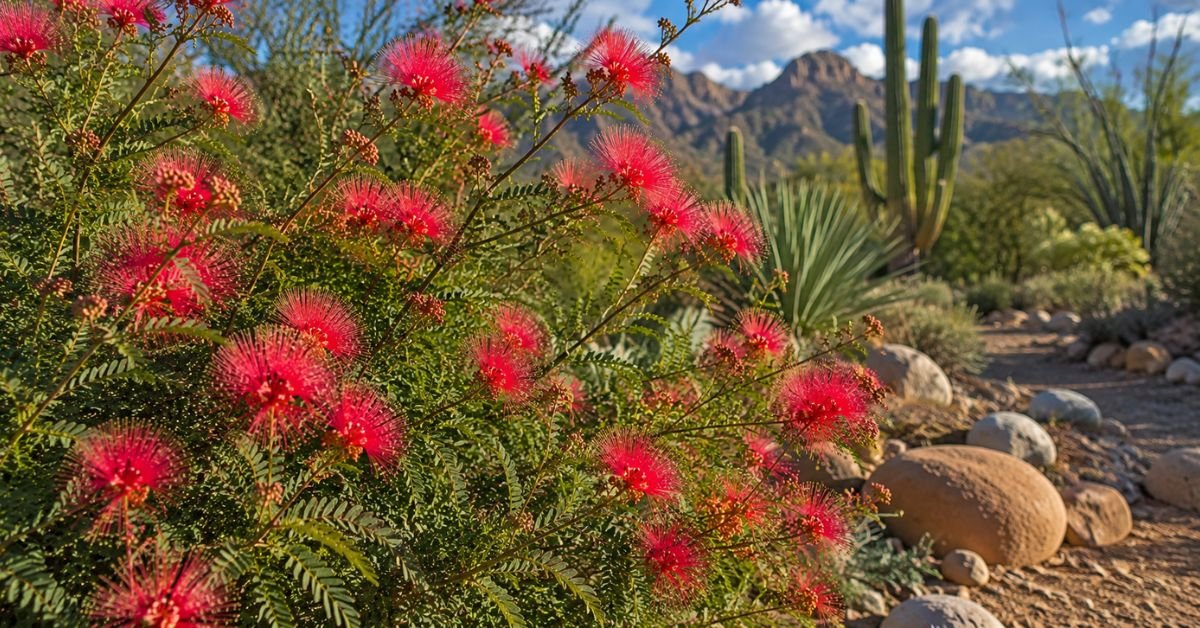
Are you looking to add a blast of fiery red color to a sun-baked, drought-tolerant yard? You need to meet the Baja fairy duster plant. I’ve spent years working with native desert species, and I can tell you firsthand that this rugged shrub is the ultimate low-maintenance hummingbird magnet. In this guide, I’m cutting through the botanical jargon to show you exactly how to grow a healthy, blooming Baja fairy duster plant right in your own landscape without babying it.
| Feature | Details |
| Scientific Name | Calliandra californica |
| USDA Zones | 9-11 (Hardy to 20°F) |
| Light | Full sun (6+ hours daily) |
| Water Needs | Low to moderate; highly drought-tolerant |
| Soil Type | Well-draining, sandy or loam |
| Mature Size | 4-6 feet tall and wide |
| Pet Safe? | Yes, non-toxic to cats and dogs |
I still remember the first time I saw a Baja fairy duster plant in full bloom. The explosion of bright red, powder-puff flowers stopped me right in my tracks. If you live in the sun-baked stretches of the US especially the Southwest this native shrub is an absolute game-changer. We’re talking brilliant color, low maintenance, and a built-in magnet for hummingbirds.
This isn’t just another boring botanical manual. I’ve spent years working with native desert plants, and I’m going to walk you through exactly how to grow this incredible shrub in your own yard.
Why the Baja Fairy Duster Plant Belongs in Your Landscape
If you are tired of plants that wilt the second July hits, you need this shrub. Originating from the Baja California peninsula, this rugged beauty is practically indestructible once established.
Thriving effortlessly in USDA Hardiness Zones 9 through 11, it easily handles intense summer heat. Reflected sunlight off a hot brick wall or pavement won’t make it flinch. Instead, the resilient shrub just keeps pushing out vibrant flowers.I love using it as an accent plant against light colored stucco homes because the deep red blossoms pop beautifully against neutral backdrops. It works great as an informal hedge, a dramatic soft screen, or a standalone specimen plant in a dedicated xeriscape design.
Unlike many desert plants that only bloom for a couple of weeks in the spring, this one has a ridiculously long blooming season. In places like southern Arizona or southern California, you can expect to see flowers off and on for nearly the entire year, with major bursts in the Spring and Fall.
Personal Pro-Tip: I always recommend planting these near windows where you drink your morning coffee. The hummingbird activity you’ll see is better than watching TV! They will literally fight over this bush.
How Much Sun Does Your Baja Fairy Duster Plant Actually Need?
This desert native loves the sun. You want to give it at least six hours of direct sunlight every single day. Full, unrelenting sun is what triggers those gorgeous red blooms in the Spring and Fall.
Can you grow it in partial shade? Yes. But you will definitely notice fewer flowers and sparser foliage. The plant will stretch out, looking leggy and sad as it searches for light. It can handle the brutal afternoon sun in places like Phoenix, Las Vegas, or Palm Springs without breaking a sweat. It loves the heat. If you have a spot in your yard where every other plant bakes and dies, put this shrub there.
The only time sun becomes an issue is if you live in a border zone where frost hits. In those cooler microclimates, planting it against a south-facing wall can help trap heat during chilly winter nights.
Personal Pro-Tip: If your yard gets shaded by a large oak or pine tree in the afternoon, try placing your plant on the south or west side of your home for maximum light exposure. Avoid the north side entirely.
Watering Your Baja Fairy Duster Plant: The Goldilocks Rule
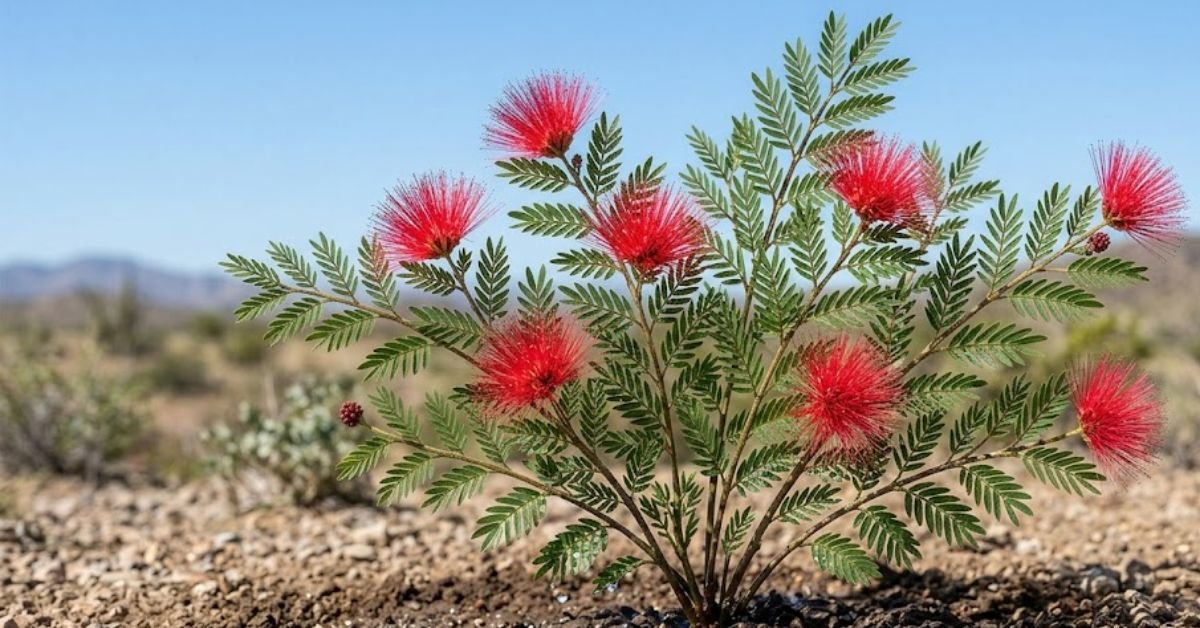
Plants confuses a lot of folks. We tend to over-love them with the garden hose.
When you first put it in the ground, water it deeply once a week. This mimics the heavy, infrequent downpours of its native habitat and encourages the roots to grow deep into the soil. Once it establishes deep roots (usually after the first year), you can back away. During the hot summer months, water it deeply every two to three weeks. In the winter, you can stretch that out to just once a month. Don’t just splash water on the leaves. Turn your faucet on low and let it soak deep into the root zone for an hour.
If you use a drip irrigation system, make sure the emitters are placed at the drip line of the shrub, not right against the main trunk. As the plant grows, move the emitters outward to follow the root expansion.
Personal Pro-Tip: The “taco test” works wonders here. If the tiny leaves stay tightly folded during the day, your plant is begging for a drink. They naturally fold up at night to conserve moisture, so only check this while the sun is up!
Best Potting Soil & Planting Tips for Your Baja Fairy Duster Plant
Heavy clay soils are a death sentence for desert shrubs. The roots will simply rot if they sit in standing water.
You need excellent drainage. If you are planting in a container on your patio, skip the heavy outdoor garden dirt. Grab a high-quality cactus and succulent potting soil and mix in some extra perlite or coarse sand. For in-ground planting, sandy or rocky loam is absolutely perfect.
When planting in the ground, resist the urge to fill the hole with rich potting soil or organic compost. This creates an “island” effect where the roots won’t want to leave the cozy hole to explore the native soil. Instead, backfill the hole with the exact same dirt you dug out.
Personal Pro-Tip: I like to dig the hole twice as wide as the root ball but no deeper. If your yard is pure clay, consider planting in a raised bed or a large terracotta pot instead to save yourself a massive headache.
Companion Planting Ideas for Your Baja Fairy Duster Plant
Creating a gorgeous desert landscape is all about texture and contrast. Because this shrub has a fine, airy texture with small leaflets, it pairs beautifully with structural, bold plants.
I love planting it alongside agaves, like the Whale’s Tongue Agave (Agave ovatifolia). The wide, blue-gray leaves of the agave look stunning against the fine green foliage and bright red bursts of the fairy duster. Another killer combination is pairing it with yellow-flowering desert plants. Try planting it near a Desert Marigold or a Yellow Bells (Tecoma stans) shrub. The red and yellow contrast is vibrant and keeps your yard looking alive even during the dog days of summer.
You can also throw in some purple trailing lantana around the base to act as a colorful groundcover that suppresses weeds while keeping the root zone slightly shaded.
Personal Pro-Tip: When planning your layout, always leave a three-foot buffer zone between this shrub and any walking paths. It spreads out horizontally as it matures, and you don’t want to constantly trim back the branches just to clear the sidewalk.
Common Mistakes Americans Make with the Baja Fairy Duster Plant
I see homeowners make the same errors every single season. Let’s fix them right now.
- Trying to grow it indoors. This is not a houseplant. Central air conditioning vents will strip away any humidity, and indoor window light simply isn’t intense enough. Keep it outside where it can breathe and get baked by the sun.
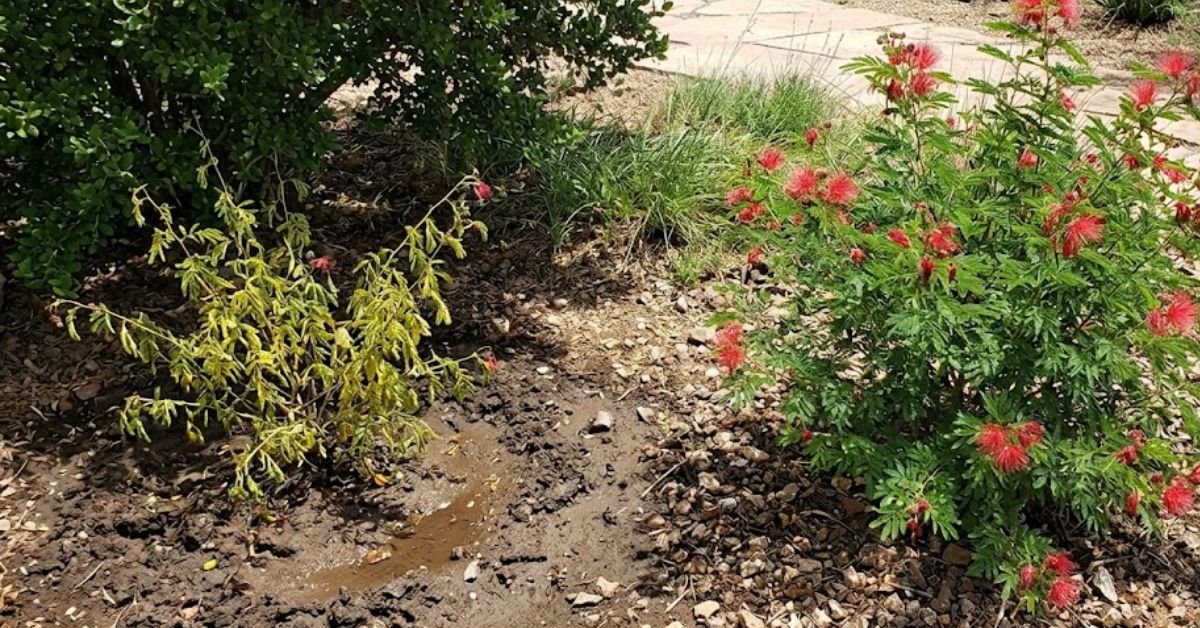
- Overwatering. This is the number one killer. Treat it like a tropical hibiscus or a lush rose bush and it will rot out within a few months.
- Heavy shearing. Please put the electric hedge trimmers down. This shrub has a beautiful, natural vase shape with arching branches. Turning it into a tight, square box cuts off all the flower buds and ruins the wild, elegant look.
- Over-fertilizing. People love to dump general-purpose plant food on everything in the spring. Don’t do it here. Too much nitrogen causes weak, floppy growth and stops flower production.
Personal Pro-Tip: If a freak winter cold snap hits (temperatures below 20°F) and all the leaves turn black and drop, don’t panic. Leave it alone until the danger of frost passes in the Spring, then prune off the dead wood. It almost always bounces back from the base.
Baja Fairy Duster Plant Troubleshooting Guide
Even the toughest plants have bad days. Here is how I fix the most common issues.
- Yellowing leaves dropping off: Usually a massive sign of poorly draining soil or overwatering. Check the moisture down at the roots. If it’s soggy, stop watering immediately and let it dry out completely. If it’s in a pot, ensure the drainage hole isn’t clogged.
- Brown, crispy leaf tips: This can happen during extreme, record-breaking heat waves combined with bone-dry soil. Give the plant a deep, slow soak at the base early in the morning.
- No flowers appearing: It’s either not getting enough sun, or you pruned it at the wrong time. Make sure it’s in full sun and only prune right after the last frost in Spring.
- White webbing or tiny pests: Occasionally, spider mites or aphids might attack a stressed plant. Hit them with a sharp blast of water from your garden hose faucet to knock them off. Avoid harsh chemical pesticides that kill the beneficial insects and hummingbirds visiting the flowers.
Personal Pro-Tip: I’ve noticed that sometimes a lack of blooms simply means the plant is too young. Give it a season or two to settle its root system into its new home before you begin to worry.
Is the Baja Fairy Duster Plant Toxic to Cats and Dogs?
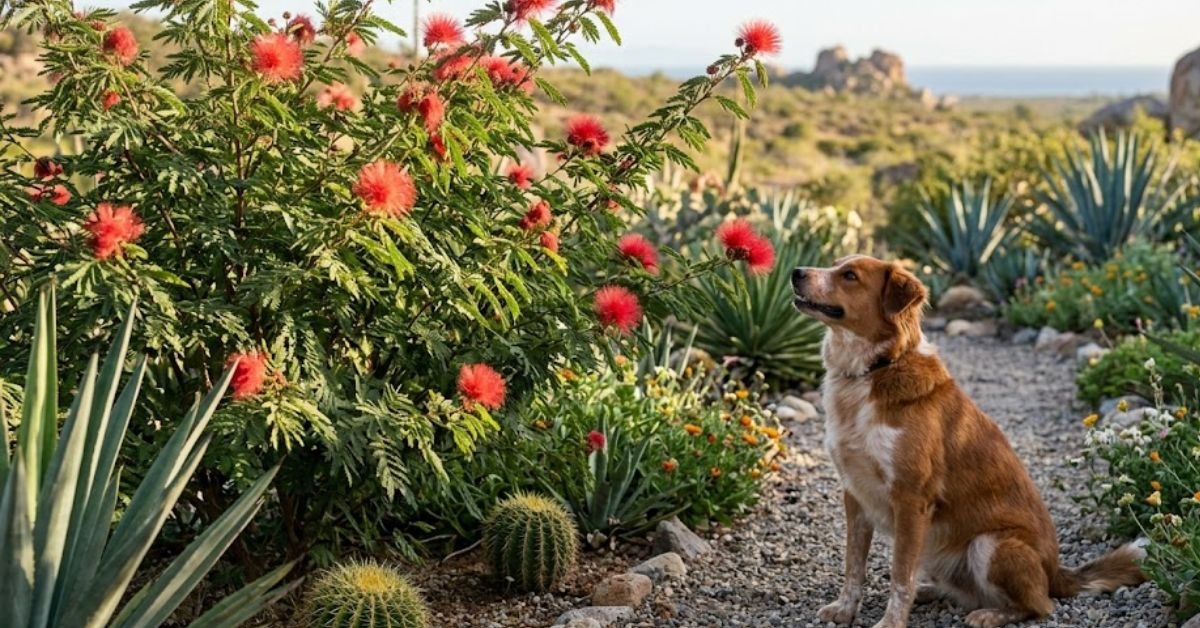
This is a huge relief for pet owners across the US. The Baja fairy duster plant is completely non-toxic to dogs, cats, and even horses.
You can plant it around your yard without stressing about emergency vet bills if your golden retriever decides to take a curious bite out of a low branch. Keep in mind that those seed pods pop open forcefully with a distinct “snapping” sound when they are ripe and dry, which might occasionally spook a sleeping pet nearby!
While the plant is safe, eating massive amounts of any fibrous plant material can give an animal a mild upset stomach, so it’s still best to discourage your pets from using it as a chew toy.
Personal Pro-Tip: While it’s safe, the mature stems can get a bit woody and stiff. I purposely plant them slightly away from narrow dog runs or walkways so they don’t accidentally scratch sensitive pet eyes or snag on passing people.
Frequently Asked Questions
Q1. What is the difference between the Baja fairy duster and the pink fairy duster?
The native pink fairy duster (Calliandra eriophylla) is smaller, more cold-tolerant (down to 10°F), and has pale pink flowers. The Baja species (Calliandra californica) is larger with deep, fiery red flowers and handles extreme heat slightly better.
Q2. Does the Baja fairy duster plant lose its leaves in winter?
It is semi-evergreen. In a mild winter, it keeps its green leaves all year. If a hard freeze hits your zip code, it will drop them, look a bit bare, and go dormant until Spring returns.
Q3. How fast does a Baja fairy duster plant grow?
It has a moderate to fast growth rate. With proper sunshine and a little summer water, it can reach its mature height of 5 or 6 feet in just a few seasons.
Q4. Can I grow a Baja fairy duster plant in a pot?
Absolutely. Just use a very large, well-draining pot (at least 15 to 20 gallons) and high-quality cactus potting soil. Remember that potted plants dry out much faster than those in the ground, so you’ll need to water it a bit more frequently.
Q5. Do I need to fertilize my Baja fairy duster plant?
Nope! It’s a member of the legume family, meaning it fixes its own nitrogen directly from the air and soil. Adding chemical fertilizers can actually cause it to grow crazy amounts of weak leaves with zero flowers.
Q6. When is the best time to plant one in the US?
Fall is the absolute best time in hot regions like the Southwest. The cooler autumn weather lets the roots establish before the blistering summer hits. Early Spring is the second-best option once frost danger is gone.
Personal Pro-Tip: If you’re buying one from a garden center or nursery, pick a plant that looks a little small for its container rather than one that is huge and rootbound. The smaller, younger plants adapt much faster once in the ground.
Final Thoughts
The Baja fairy duster plant is easily one of my favorite shrubs for adding a punch of color to a dry landscape. It’s tough, it brings the local wildlife right to your front door, and it demands very little of your weekend time. Stick to the basics: lots of sun, minimal water, and no crazy pruning. Happy planting!

Amin Khalid is a professional horticulturist and the founder of LeafyWisdom. With a deep passion for home gardening and horticultural research, he specializes in providing practical, easy-to-follow care guides for indoor plants. Amin’s goal is to simplify gardening for everyone and help fellow plant lovers build their own thriving green spaces.