
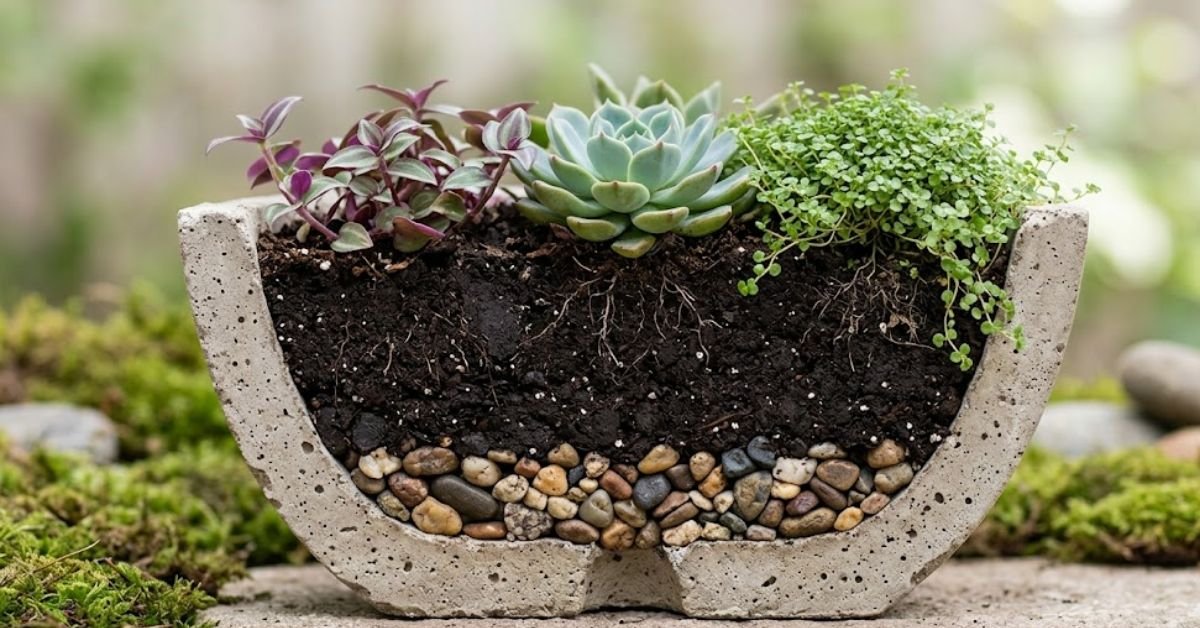
I love designing in a low profile bowl planter. There is something incredibly satisfying about a wide, shallow arrangement sitting on a farmhouse coffee table or anchoring a backyard patio table. But over the years, I’ve seen so many folks completely tank their green beauties because they treat a wide bowl planter like a regular, deep nursery pot. They require a completely different approach to watering, soil depth, and airflow. If you want your arrangements to survive the season—and look spectacular doing it here is the unvarnished truth on how to manage them.
Quick Care Guide for Shallow Containers
| Care Factor | Target Setup for Low Profile Dishes |
| Drainage Needs | Non negotiable. Drill a hole or use a strict volcanic rock reservoir base. |
| Soil Medium | Light, airy potting soil mixed heavily with perlite or coarse pumice. |
| Watering Routine | Soak thoroughly at the kitchen faucet, then let dry 100% (for succulents). |
| Indoor Placement | Keep clear of direct blasts from central AC vents or heating units. |
| Outdoor Placement | Move indoors or under cover during heavy Spring downpours if undrained. |
Why the Bowl Planter Shape Changes Everything
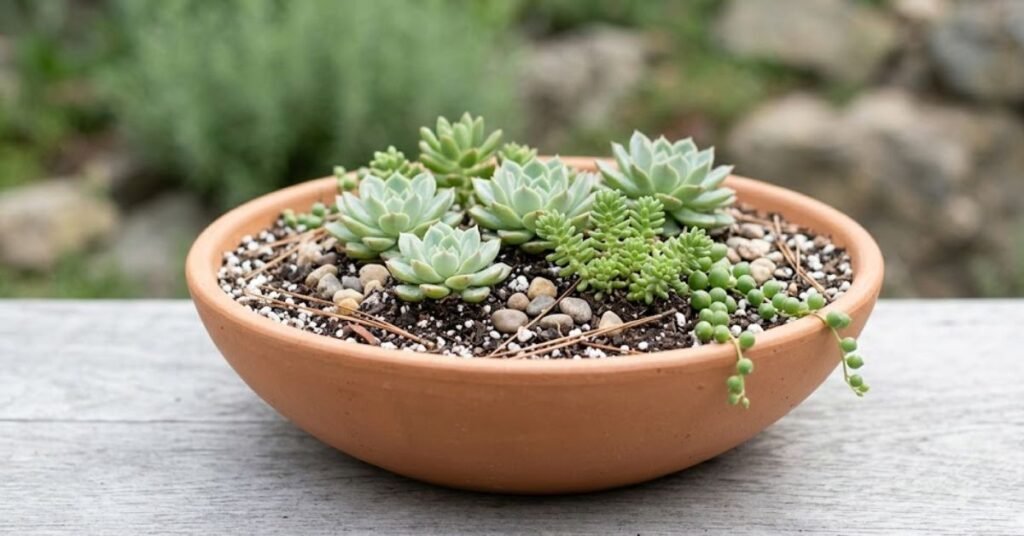
The physics of a wide, shallow container differ wildly from a standard vertical pot. Water behaves differently here. In my fifteen years of working in greenhouses and home gardens, I’ve noticed that most root rot happens not because people water too much, but because the water has nowhere to go in a shallow space.
When you use a bowl planter, the soil layer is thin. This means the root systems of your plants sit much closer to the bottom of the vessel, right where excess moisture tends to pool. If your container lacks proper drainage, those roots end up sitting in a stagnant marsh. They suffocate, turn to mush, and your plant dies before you even realize what went wrong.
Personal Pro-Tip: If you fall in love with a gorgeous ceramic piece at a local garden center that doesn’t have a drainage hole, don’t panic. Grab a diamond-tipped tile bit from the hardware store, flip the container upside down on an old towel, puddle a little water on the base to keep the bit cool, and drill slowly. This simple trick saves plants.
Picking the Right Mix for Your Low-Profile Bowl Planter
Never grab cheap, heavy dirt from the backyard or dense, moisture-retaining bags for these arrangements. You need premium US potting soil as your base, but you have to modify it.
Because a bowl planter holds a smaller volume of soil spread over a wider surface area, it can dry out incredibly fast on top while remaining muddy at the very bottom. To combat this uneven drying, I always mix my potting soil with roughly 30% coarse perlite or chicken grit. This creates tiny air pockets, ensuring the roots can breathe even after a heavy watering session.
Personal Pro-Tip: Before putting an ounce of soil into your wide dish, cover the drainage hole with a single layer of mesh drywall tape or a standard coffee filter. This keeps your airy potting soil mix from washing out onto your nice wooden deck or kitchen counter every time you water.
Designing a Gorgeous Arrangement in a Shallow Bowl Planter
When designing inside a bowl planter, you want to follow the classic “Thriller, Filler, Spiller” framework, but scaled down for height. Put your tallest, most eye-catching plant dead center, surround it with shorter, textured ground covers to fill the gaps, and place cascading varieties right along the inner lip so they tumble over the edges.
For an outdoor succulent dish in USDA Hardiness Zone 7 or warmer, I like to use a stunning, chunky Echeveria as my centerpiece. Surround it with low-growing sedums, and let some string of pearls or calico kitten cascade over the rim. If you are building an indoor version for a shady dining room, swap the sun-loving succulents for low-profile tropicals. Dwarf ferns, nerve plants (Fittonia), and creeping fig work beautifully together because they share the same moisture requirements.
Personal Pro-Tip: Do not crowd your plants tightly just to make the arrangement look full on day one. When I first started creating these, I packed the plants side-by-side for instant gratification. They choked each other out within two months. Leave at least an inch of breathing room between each plant so they can naturally adapt and grow into the space.
Common Mistakes Americans Make with a Ceramic or Concrete Bowl Planter
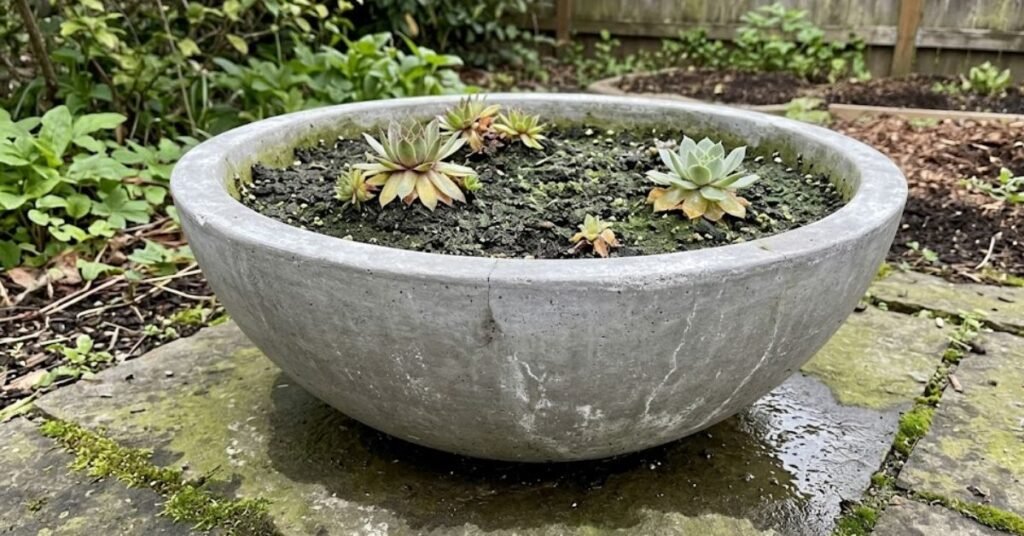
Living in modern American homes means dealing with artificial climates. Our homes are packed with environmental hazards that can destroy a beautiful arrangement in weeks.
The No-Drainage Trap
Buying a solid concrete dish with no hole and trying to compensate by adding a layer of gravel at the bottom is a recipe for disaster. That gravel doesn’t create drainage; it just creates a hidden, stagnant pool of toxic water that sours the soil and rots roots.
Forgetting About the Air Conditioner Airflow
We blast our central AC systems during hot July days, which creates sharp, freezing drafts of dry air. If you place your tropical bowl planter directly under or near an active AC vent, the soil dries out unevenly, the leaves get crispy, and the plant drops its foliage out of sheer shock.
Personal Pro-Tip: Stop using a tiny measuring cup to water your containers on a strict schedule. Instead, carry the entire arrangement over to your kitchen faucet or utility sink. Soak the soil thoroughly until water pours freely out of the bottom. Let it sit in the sink for twenty minutes to drip dry completely before returning it to your tabletop.
Troubleshooting Issues in Your Round Bowl Planter
Even seasoned gardeners run into issues when dealing with shallow setups. If your arrangement starts looking sad, use these quick visual cues to fix the problem before it’s too late.
- Leaves Turning Translucent and Mushy: This is a clear indicator of root rot from overwatering. The roots are drowning at the bottom of the container.
- Crispy, Brown Leaf Tips: This usually happens to indoor tropical dishes when the humidity drops too low or if you are using heavily chlorinated tap water.
- Plants Stretching Out and Looking Skinny: Your plants are starving for light. They are losing their compact shape because they are desperately reaching toward the nearest window.
Personal Pro-Tip: If you notice a succulent leaf turning that dreaded mushy yellow color, pluck it off immediately and stop watering. Move the entire container to a brighter spot with better natural airflow and leave it alone for two full weeks. Caught early enough, a strict dry spell can reverse the damage.
Is Your Bowl Planter Safe for Pets?
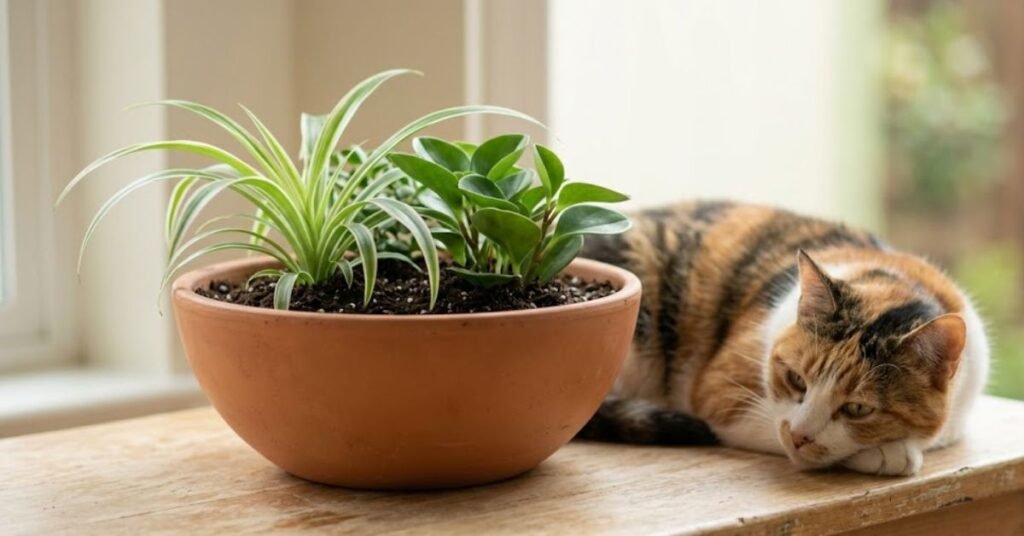
As pet owners, we have to be incredibly careful about what we bring indoors. Many common plants used in low profile dish arrangements can cause severe stomach upset or worse for cats and dogs.
If your pets like to chew on greenery, completely avoid using Jade plants (Crassula ovata) or Aloe varieties in your bowl planter. Instead, opt for completely pet-safe choices like Haworthia, Burro’s Tail, or Hens and Chicks (Sempervivum). For indoor tropical setups, use safe options like Boston ferns and nerve plants.
Personal Pro-Tip: Cats are naturally drawn to wide, shallow containers because the soil looks like a litter box or a comfortable bed. To keep my curious tabby out of my display dishes, I wedge a few large, decorative river rocks or pointy pinecones into the open soil spaces between the plants. It ruins their landing zone, and they leave the display alone.
Frequently Asked Questions
Q1Can I grow kitchen herbs in a shallow bowl planter?
Yes, but pick the right ones. Herbs with shallow root systems like chives, thyme, and oregano do fantastic in a wide, shallow dish. Avoid deep-rooted herbs like rosemary or dill, which will quickly become root-bound and stunted in a low-profile container.
Q2How do I water a dish that doesn’t have a drainage hole?
If you absolutely cannot drill a hole, you have to weigh the pot or use a moisture meter. Water incredibly sparingly—using about a quarter of the container’s total volume in water—and wait until the soil is bone dry all the way to the bottom before adding another drop.
Q3Why did my outdoor concrete bowl crack over the Winter?
If you live in Zone 6 or colder, water gets trapped inside the porous concrete walls of the container during late Fall. When the first hard freeze hits, that trapped water expands into ice, fracturing the structure of the pot. Always bring concrete pieces into a garage or shed before the first frost.
Q4Should I put a layer of rocks at the bottom of the pot?
No. This is an old gardening myth that has been debunked by soil science. Placing rocks at the bottom of a shallow container actually raises the water table closer to the roots, making them more likely to rot. Keep the soil mix consistent from the top of the pot to the bottom.
Q5How often should I fertilize an arrangement like this?
Because these containers hold a limited amount of soil, nutrients wash out quickly. During the active Spring and Summer growing seasons, feed your plants once a month with an organic liquid fertilizer diluted to half the strength recommended on the bottle.
Q6Why are my plants growing toward one side of the dish?
They are chasing the sun. If your container sits on a windowsill or near a single light source, the plants will naturally lean toward it. Give the pot a quarter-turn every week to keep the growth balanced, even, and upright.
Q7How do I know when it’s time to repot the arrangement?
Look at the bottom hole. If you see roots pushing out of the drainage opening, or if water runs straight through the pot without soaking into the soil, the plants have run out of room. It is time to break them apart and refresh the container.
Final Thoughts
Mastering the use of a wide, low dish just takes a minor shift in how you view water and soil space. Once you give up the habit of calendar-based watering and ensure your roots aren’t sitting in a hidden puddle, these arrangements become some of the easiest, most striking features in the home. Pick your plants based on your home’s natural light, watch out for those drying AC vents, and enjoy the process of creating a miniature ecosystem right on your tabletop.

Amin Khalid is a professional horticulturist and the founder of LeafyWisdom. With a deep passion for home gardening and horticultural research, he specializes in providing practical, easy-to-follow care guides for indoor plants. Amin’s goal is to simplify gardening for everyone and help fellow plant lovers build their own thriving green spaces.