
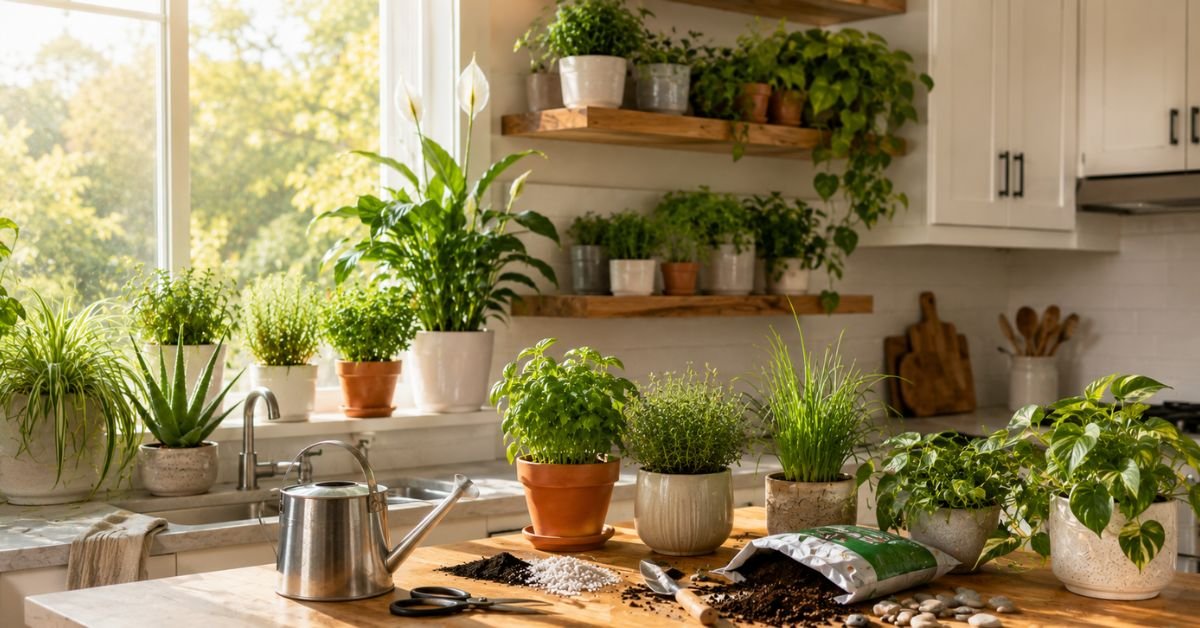
If you’re searching for planta cocina care, you’re probably wondering how to keep kitchen plants healthy, vibrant, and growing beautifully inside your home. I’ve spent years experimenting with herbs and houseplants in my own kitchen, and I’ve learned that a few simple habits make all the difference. Whether you’re growing basil on a sunny windowsill, caring for a pothos on a floating shelf, or keeping aloe vera near your countertop, understanding the basics of planta cocina care will help your plants stay healthy throughout the year.
There’s something special about walking into a kitchen filled with lush greenery. A few well-placed plants can brighten the room, improve the atmosphere, and even provide fresh herbs for everyday cooking. Over the years, I’ve grown everything from rosemary and mint to spider plants and peace lilies in different American homes, and each one has taught me valuable lessons about light, watering, humidity, and seasonal care.
In this guide, I’ll share the practical tips, mistakes to avoid, and simple routines that have worked for me. Whether you’re a complete beginner or already have a growing indoor plant collection, this guide will help you build confidence and enjoy healthier kitchen plants all year long.
Plant Cocina Care Quick Care Table
| Care Factor | Recommendation |
| Light | Bright indirect light for most kitchen plants |
| Water | Water when the top 1–2 inches of potting soil feels dry |
| Soil | Well-draining indoor potting soil |
| Humidity | 40–60% humidity is ideal |
| Temperature | 65–80°F |
| USDA Zones | Indoors in all zones; outdoors seasonally in Zones 9–11 for tropical plants |
| Fertilizer | Balanced liquid fertilizer every 4–6 weeks during spring and summer |
| Repotting | Every 1–2 years or when rootbound |
| Pet Safety | Depends on the plant species |
| Difficulty | Easy to Moderate |
What Does Kitchen Plant Care Mean?
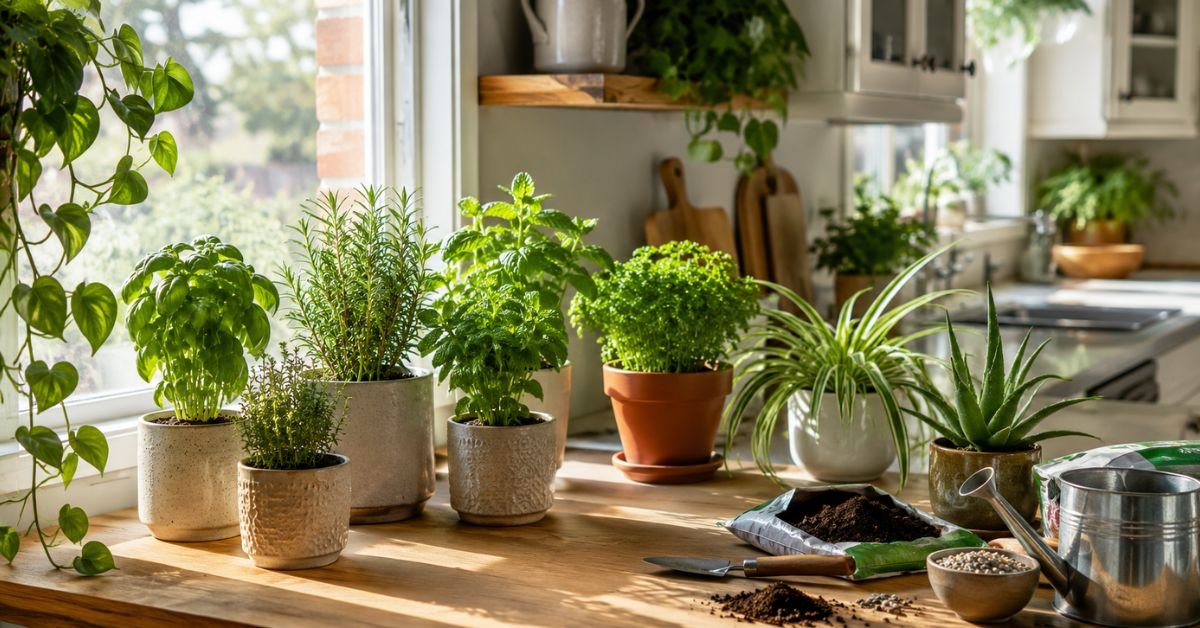
The idea of “kitchen plant care” isn’t about one particular species — it describes the proper way to care for plants that grow inside kitchens.
Kitchens create a unique growing environment. They usually have higher humidity from cooking, changing temperatures throughout the day, and varying amounts of sunlight depending on window placement.
In my experience, these changing conditions can either help a plant flourish or slowly weaken it if it’s placed in the wrong location.
That’s why understanding your kitchen environment matters more than simply buying an attractive plant.
Personal Pro Tip: Before buying any plant, spend a full day watching how sunlight moves across your kitchen. You’ll quickly discover the brightest and darkest spots.
Why Kitchens Can Actually Be Great Places for Indoor Plants
Many people automatically place every houseplant in the living room.
I used to do the same thing.
After moving several plants into my kitchen, I noticed something interesting.
Steam from cooking naturally raised the humidity, especially during winter when indoor heating made the rest of my home feel dry.
Plants like pothos, philodendrons, spider plants, and peace lilies appreciated those conditions.
Of course, not every kitchen works the same way.
A kitchen with no windows isn’t suitable for most plants unless you use quality grow lights.
Meanwhile, a bright south-facing kitchen can become one of the best growing spaces inside your home.
Best Plants for the Kitchen
If you’re wondering which plants perform best in kitchens, these are my personal favorites.
Pothos
One of the easiest houseplants you’ll ever own. It tolerates lower light, occasional missed watering, and grows quickly. Perfect for hanging baskets or floating shelves.
Spider Plant
Excellent for beginners. It appreciates kitchen humidity and produces baby plantlets throughout the year.
Herbs
- Fresh basil
- Parsley
- Mint
- Rosemary
- Chives
These love sunny kitchen windows and reward you with fresh cooking ingredients.
Snake Plant
Ideal if your kitchen receives lower light. It requires very little watering.
Peace Lily
Adds elegant white blooms while enjoying slightly humid air. Just remember that peace lilies are toxic to pets.
ZZ Plant
Perfect for busy homeowners. It tolerates inconsistent watering better than almost any other indoor plant.
Personal Pro Tip: If you’re new to indoor gardening, begin with pothos or spider plants. They’re forgiving and quickly build confidence.
Finding the Best Spot in Your Kitchen
Location changes everything. Even healthy plants struggle if they receive the wrong amount of light. Here’s how I usually decide where each plant belongs.
East-Facing Windows
Gentle morning sunshine. Ideal for herbs and flowering plants.
South-Facing Windows
Bright all day. Great for basil, rosemary, succulents, aloe vera, and many tropical plants. You may need sheer curtains during intense summer afternoons.
West-Facing Windows
Bright afternoon sun. Works well for sun-loving plants but monitor for leaf scorch.
North-Facing Windows
Lower natural light. Better suited for pothos, snake plants, ZZ plants, and philodendrons.
Kitchen Plants and USDA Hardiness Zones
Since most kitchen plants stay indoors, USDA Hardiness Zones mainly matter if you move plants outside during warm weather. Here’s a general guideline.
Zones 3–6
Bring plants outdoors only after the final spring frost. Return them indoors before nighttime temperatures fall below 55°F.
Zones 7–8
Longer growing season. Many tropical plants enjoy spending late spring through early fall outdoors.
Zones 9–11
Some tropical kitchen plants can remain outdoors year-round in shaded locations.
Always acclimate plants gradually when moving between indoor and outdoor conditions. Sudden changes often shock leaves.
Personal Pro Tip: I never move indoor plants directly into full sun. I give them about a week in bright shade first.
How Much Light Do Kitchen Plants Really Need?
Light is the biggest factor affecting plant health. When someone tells me their kitchen plant isn’t growing, inadequate lighting is usually the first thing I investigate.
Bright indirect light works best for most common kitchen plants. That means sunlight reaches the plant without strong afternoon rays burning the leaves.
Signs your plant needs more light include:
- Small new leaves
- Long stretched stems
- Slow growth
- Pale foliage
Too much direct sunlight may cause:
- Brown crispy patches
- Faded leaves
- Wilting despite moist soil
If your kitchen lacks windows, don’t worry. Modern LED grow lights work surprisingly well. Many are inexpensive and consume very little electricity.
How Often Should You Water?
This is where many plant owners run into trouble. Overwatering kills far more indoor plants than underwatering.
I rarely water on a fixed schedule. Instead, I always check the soil first.
Stick your finger about two inches into the potting soil. If it feels dry, water thoroughly until excess water drains from the bottom. If it’s still damp, wait another day or two.
Different seasons also matter.
Spring: Growth begins. Plants usually need more frequent watering.
Summer: Warm temperatures increase water use. Monitor moisture regularly.
Fall: Growth slows. Reduce watering slightly.
Winter: Most indoor plants need much less water. Heating systems may dry the air, but the soil often stays moist longer because growth slows.
Choosing the Best Potting Soil
One mistake I see frequently is using ordinary garden soil inside containers.
Garden soil becomes compacted indoors. It drains poorly. Roots struggle to breathe.
Instead, use a quality indoor potting soil designed for container plants. A good mix usually contains:
- Peat moss or coco coir
- Perlite
- Pine bark
- Composted organic material
These ingredients create air pockets that healthy roots need.
For succulents and snake plants, I mix extra perlite into the potting soil for even faster drainage.
Personal Pro Tip: Never let decorative cachepots trap standing water around the nursery pot. Empty excess water after watering to prevent root rot.
Why Kitchen Humidity Can Help Your Plants
One advantage kitchens have over other rooms is humidity.
Boiling pasta. Running the dishwasher. Using the faucet. Cooking dinner.
All of these naturally increase moisture in the air.
Plants like:
- Pothos
- Philodendrons
- Peace lilies
- Ferns
- Calatheas
often appreciate this extra humidity.
However, avoid placing plants directly beside ovens or heating vents where sudden hot air can dry leaves quickly.
How to Fertilize for Healthy Plants
One of the biggest misconceptions I hear is that more fertilizer equals faster growth.
It doesn’t.
In fact, overfeeding is one of the quickest ways to damage indoor plants.
Most kitchen plants only need fertilizer during their active growing season, which is typically spring through early fall in the United States.
I usually feed my indoor plants every four to six weeks using a balanced liquid houseplant fertilizer diluted to half strength. This gives them a steady supply of nutrients without overwhelming their roots.
If you’re growing edible herbs like basil, parsley, or chives in your kitchen, choose a fertilizer labeled as safe for edible plants and always follow the manufacturer’s directions.
During winter, I stop fertilizing almost completely because most indoor plants naturally slow their growth.
Signs Your Plant Needs Fertilizer
- Slow or stalled growth
- Smaller new leaves
- Pale green foliage
- Fewer flowers on blooming plants
Signs You’re Using Too Much Fertilizer
- Brown leaf edges
- White crust on the soil surface
- Wilting despite moist soil
- Burned roots
Personal Pro Tip: I always water my plants before applying liquid fertilizer. Feeding dry roots can cause fertilizer burn, especially during hot summer weather.
How to Prune
Pruning keeps indoor plants looking fresh and encourages healthy new growth.
Whenever I notice yellow leaves, damaged stems, or old flowers, I remove them with clean pruning scissors.
This isn’t just about appearance.
Removing unhealthy growth helps the plant redirect its energy toward producing stronger leaves and stems.
For trailing plants like pothos, trimming the vines encourages fuller, bushier growth instead of long, sparse stems.
Always sterilize your scissors with rubbing alcohol before pruning to reduce the chance of spreading disease.
Personal Pro Tip: I save healthy pothos cuttings after pruning because they root easily in water and become free new plants.
When Should You Repot?
Even healthy plants eventually outgrow their containers.
Most indoor kitchen plants benefit from repotting every one to two years.
Here are the signs I watch for:
- Roots growing through drainage holes
- Water running straight through the pot
- Soil drying unusually fast
- Slow growth despite good care
- Plant becoming top-heavy
Choose a new pot only one to two inches wider than the current one.
A pot that’s too large holds extra moisture, which increases the risk of root rot.
Spring is my favorite time to repot because plants recover quickly during active growth.
Personal Pro Tip: Don’t automatically move every plant into a huge container. A slightly larger pot is almost always the better choice.
Easy Propagation Methods
One of my favorite parts of indoor gardening is creating new plants from old ones.
Many common kitchen plants are surprisingly easy to propagate.
Water Propagation
Perfect for:
- Pothos
- Philodendron
- Tradescantia
Simply place a healthy cutting with at least one node into clean water. Change the water every few days. Roots usually appear within two to four weeks.
Division
Spider plants and peace lilies can often be divided during repotting. Each section quickly develops into an independent plant.
Stem Cuttings
Herbs such as mint root very easily in water or moist potting soil.
Propagation is a simple way to fill your home with more greenery without spending extra money.
Personal Pro Tip: I use clear glass jars when rooting cuttings because it’s exciting to watch new roots develop.
Common Plant Cocina Care Mistakes Americans Often Make
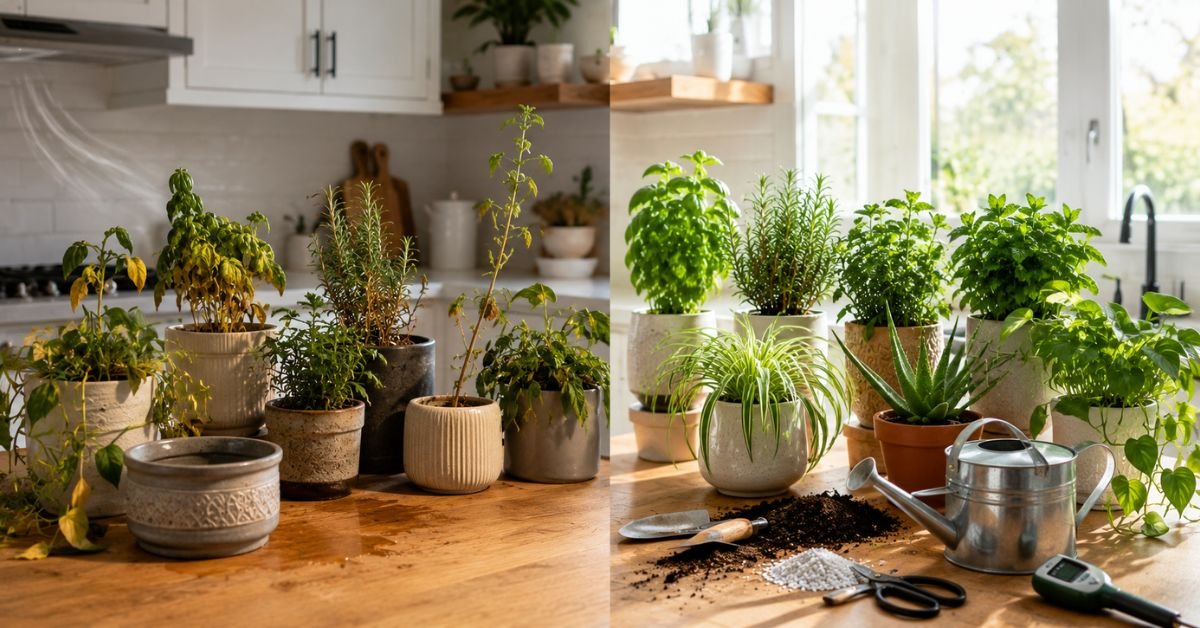
I’ve made nearly every mistake on this list.
Fortunately, plants are surprisingly forgiving when problems are caught early.
Watering Too Often
This is easily the most common issue. Many people water according to the calendar instead of checking the soil. Always test the soil first.
Placing Plants Near Air Conditioning Vents
In many American homes, air conditioning runs throughout summer. Cold air blowing directly on leaves can dry them out and stress tropical plants.
Forgetting About Winter Light
Days become much shorter during winter. Even healthy plants grow more slowly and need less water.
Using Containers Without Drainage
Decorative pots look attractive. Unfortunately, they also trap excess moisture if they don’t have drainage holes.
Ignoring Dusty Leaves
Dust blocks sunlight. I wipe leaves with a damp microfiber cloth every few weeks to help plants absorb more light.
Personal Pro Tip: Every time I water, I spend an extra minute inspecting leaves. Catching problems early saves a lot of frustration later.
Troubleshooting Common Plant Cocina Care Problems
Every indoor gardener eventually runs into a few challenges. The good news is that most problems have simple solutions.
Why Are My Kitchen Plant Leaves Turning Yellow?
Possible causes include:
- Overwatering
- Poor drainage
- Old leaves naturally aging
- Low light
Solution: Check soil moisture first. Allow the potting mix to dry slightly before watering again. Move the plant closer to a bright window if needed.
Why Does My Plant Have Brown Leaf Tips?
Brown tips usually indicate:
- Dry indoor air
- Inconsistent watering
- Fertilizer buildup
Solution: Increase humidity. Water consistently. Flush the soil occasionally with clean water to remove excess fertilizer salts.
Why Is My Plant Drooping?
Drooping doesn’t always mean the plant needs water. Sometimes it actually means the opposite.
Solution: Check the soil before doing anything. Dry soil means it’s time to water. Soggy soil may indicate root rot.
Why Isn’t My Kitchen Plant Growing?
Possible reasons include:
- Insufficient sunlight
- Rootbound container
- Lack of fertilizer
- Winter dormancy
Solution: Provide brighter indirect light and feed appropriately during the growing season.
Common Indoor Plant Pests
Watch for:
- Spider mites
- Mealybugs
- Fungus gnats
- Aphids
- Scale insects
Most infestations can be controlled by washing leaves and treating with insecticidal soap or neem oil.
Personal Pro Tip: I isolate any new plant for about two weeks before placing it near my existing collection. It helps prevent unwanted pests from spreading.
Is Plant Cocina Care Safe for Cats and Dogs?
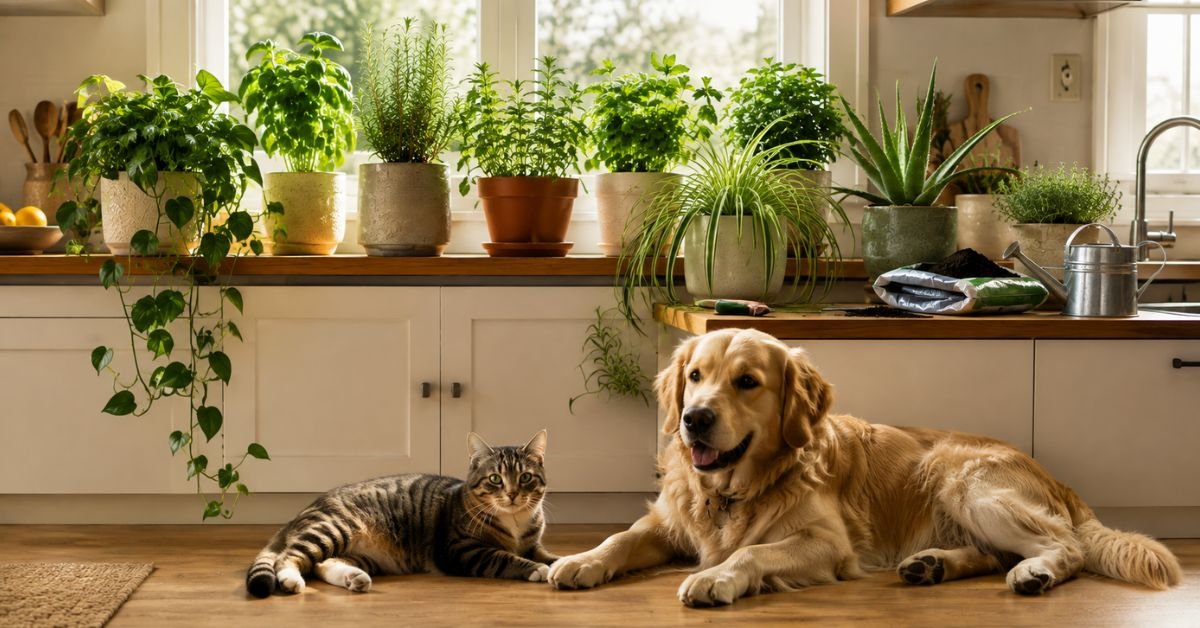
Pet safety depends entirely on the plant species. Here’s a quick guide.
Generally Pet-Friendly
- Spider Plant
- Boston Fern
- Areca Palm
- Prayer Plant
Toxic to Cats and Dogs
- Peace Lily
- Pothos
- Philodendron
- ZZ Plant
- Snake Plant
If you have curious pets, always verify a plant’s toxicity before bringing it home. Keeping toxic plants on high shelves or in hanging baskets can reduce the risk, but prevention is always better than treatment.
Personal Pro Tip: When friends ask me for pet-safe recommendations, I usually suggest spider plants first. They’re easy to grow and much safer around curious cats.
Frequently Asked Questions
Q1. What does planta cocina care mean?
Planta cocina care refers to the best practices for growing and maintaining healthy kitchen plants indoors. It includes providing the right amount of light, watering correctly, using quality potting soil, and creating a suitable environment so herbs and houseplants can flourish in your kitchen.
Q2. Which plants are best for planta cocina care?
Some of the easiest plants for planta cocina care include basil, rosemary, parsley, mint, thyme, pothos, spider plants, aloe vera, and peace lilies. These plants adapt well to bright kitchen spaces and are generally easy to maintain.
Q3. How often should I water plants for proper planta cocina care?
There isn’t a fixed watering schedule for planta cocina care. I recommend checking the top 1–2 inches of potting soil before watering. If the soil feels dry, water thoroughly until excess water drains from the bottom of the pot.
Q4. Can kitchen plants survive in low light?
Some plants used in planta cocina care, such as pothos, ZZ plants, and snake plants, tolerate lower light conditions. Herbs like basil, parsley, and rosemary, however, need several hours of bright light each day for healthy growth.
Q5. Why are my kitchen plant leaves turning yellow?
Yellow leaves are usually caused by overwatering, poor drainage, or insufficient sunlight. Following proper planta cocina care practices, such as using well-draining pots and watering only when needed, can prevent this common issue.
Q6. Is planta cocina care safe for homes with cats and dogs?
It depends on the plant species. Spider plants are generally considered pet-friendly, while pothos and peace lilies can be toxic to cats and dogs. Always research each plant before adding it to your home and keep potentially harmful plants out of your pets’ reach.
Q7. What is the biggest mistake people make with planta cocina care?
The most common mistake is overwatering. Many beginners water on a schedule instead of checking the soil first. Good planta cocina care starts with observing your plant’s needs rather than following a calendar.
Final Thoughts on Planta Cocina Care
Learning planta cocina care doesn’t have to be complicated. In my experience, healthy kitchen plants come from consistent care rather than constant attention. Giving your plants bright light, watering only when the soil is dry, choosing quality potting soil, and keeping them away from direct heating or air conditioning vents will make a noticeable difference.
Whether you’re growing fresh herbs for cooking or decorating your kitchen with beautiful houseplants, following these planta cocina care tips will help you build a thriving indoor garden. Start with a few easy-to-grow plants, observe how they respond to your home’s conditions, and adjust your routine as needed. With patience and the right approach, you’ll enjoy greener, healthier kitchen plants throughout the year.

Amin Khalid is a professional horticulturist and the founder of LeafyWisdom. With a deep passion for home gardening and horticultural research, he specializes in providing practical, easy-to-follow care guides for indoor plants. Amin’s goal is to simplify gardening for everyone and help fellow plant lovers build their own thriving green spaces.

No responses yet