
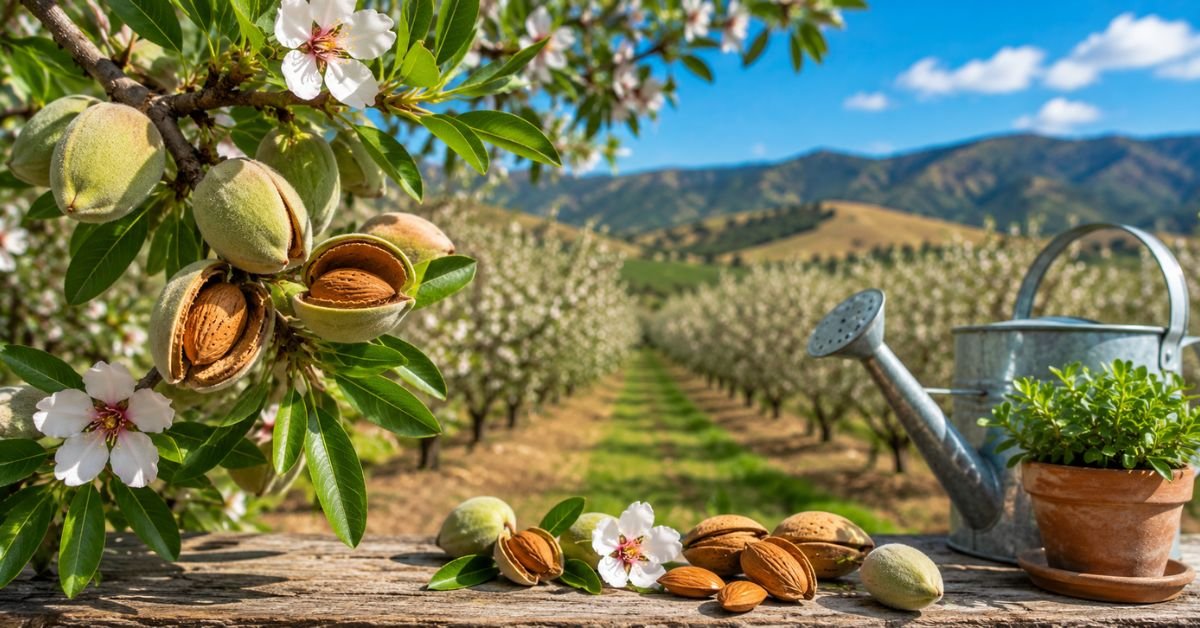
Good almond tree care is the difference between a thriving, nut-producing tree and a struggling one. Raising an almond tree in the United States is a rewarding project, but it comes with a real learning curve. Many people treat almond trees like ordinary houseplants or shade trees and that’s a recipe for disaster. Get the basics right, and you’ll be rewarded with gorgeous spring blossoms and a homegrown nut harvest for decades.
Here’s a complete, practical playbook for almond tree care.
Quick-Reference Almond Tree Care Summary
| Care Factor | The Ideal Setup |
| Light Exposure | 6–8 hours of direct sunlight |
| Hydration | Deep watering; let the top 2 inches of soil dry out between waterings |
| Soil Type | Fast-draining sandy loam or coarse potting mix |
| Climate Zone | USDA Hardiness Zones 7–9 |
| Winter Chill | 200–500 chill hours below 45°F (variety-dependent) |
| Nutrition | High-nitrogen feed applied in early spring |
| Mature Height | 15–30 ft in-ground; 5–8 ft for dwarf/potted varieties |
| Pet Warning | Toxic to cats and dogs — leaves, stems, and raw pits contain cyanogenic compounds |
Almond Tree Care: Climate and Sunlight Requirements

Almond trees are native to the Middle East and South Asia, and they thrive in dry heat. If you live in California or the Southwest, your climate is close to ideal. These regions fall squarely within USDA Zones 7–9, where almonds do best outdoors.
Live somewhere colder, like New England or the Midwest? You can still grow almonds just choose a dwarf variety and keep it in a movable container so you can bring it in before hard freezes.
Sunlight needs: a minimum of 6–8 hours of direct, unfiltered sun daily. If you’re overwintering a potted tree indoors, place it in your sunniest south-facing window.
A note on winter cold: despite loving heat, almond trees actually need a period of cold dormancy roughly 200 to 500 hours below 45°F, depending on variety, to reset their internal clock and bloom properly the following spring. Without this chill period, flowering will be poor or absent. This is why almonds do best in climates that offer hot, dry summers and a mild-but-real winter chill, rather than either extreme alone.
Pro tip: Watch spring weather forecasts closely. Almonds bloom very early in the season, and a late frost hitting open flowers can wipe out your entire year’s harvest. Cover the tree with a frost blanket if nighttime temperatures are expected to drop below freezing during bloom.
Almond Tree Care: Soil and Watering Guide
The most common mistake beginner growers make is overwatering.
Almond trees despise standing water, and their roots rot quickly in soggy soil. For container growing, use a premium, fast-draining potting mix a blend of about 70% high-quality potting soil and 30% perlite works well. For in-ground planting, break up heavy clay and work in coarse sand and organic matter to improve drainage.
Watering method — “soak and dry”: water deeply so moisture reaches the lowest roots, then let the tree be until the top 2 inches of soil are completely dry to the touch before watering again.
Pro tip: Never let a potted almond tree sit in a water-filled saucer. Empty any runoff tray immediately after watering so the roots can breathe.
Feeding and Winter Pruning
Almond trees need plenty of energy to produce a heavy nut yield. Apply a nitrogen-rich fertilizer in early spring, just as new buds begin to swell.
Pruning is equally important. Prune in late winter, while the tree is still dormant. Remove dead wood and any branches that cross or rub against each other, and aim to shape the canopy into an open, bowl-like structure that lets sunlight and airflow reach the center of the tree, which improves fruit set and reduces disease risk.
Pro tip: Disinfect pruning shears with rubbing alcohol between cuts to avoid spreading fungal disease from branch to branch.
Common Mistakes to Avoid
Planting only one tree. Unless you’ve bought a specifically self-fertile variety, almond trees can’t pollinate themselves. Plant two compatible varieties near each other so bees can cross-pollinate them. This is one of the most common reasons a tree blooms but never produces nuts.
Placing potted trees near HVAC vents. When overwintering trees indoors, avoid putting them near heating vents or radiators. The forced dry air pulls moisture out of the leaves and can leave them crispy and damaged.
Pro tip: If your home is very dry in winter, run a small humidifier near the tree to help maintain leaf moisture.
Diagnosing Common Problems
Because almonds are closely related to peaches, they share many of the same pest and disease vulnerabilities. Here’s how to read the symptoms:
- Yellow, drooping leaves Usually a sign of overwatering. Check drainage first; if that’s fine, it may be an iron deficiency, which a liquid iron drench can typically correct.
- Crispy, browned leaf edges Usually caused by low humidity or exposure to indoor drafts/heating vents.
- Warped, blistered foliage This is Peach Leaf Curl, a fungal disease shared with peach trees. Once leaves show symptoms, they can’t be fixed. Prevention is key. Spray bare branches with copper fungicide in fall and again in late winter, before buds break.
- Sticky residue on leaves usually indicates aphids. Knock them off with a strong blast from the garden hose; if they return, treat with neem oil in the evening.
Pet Safety Warning
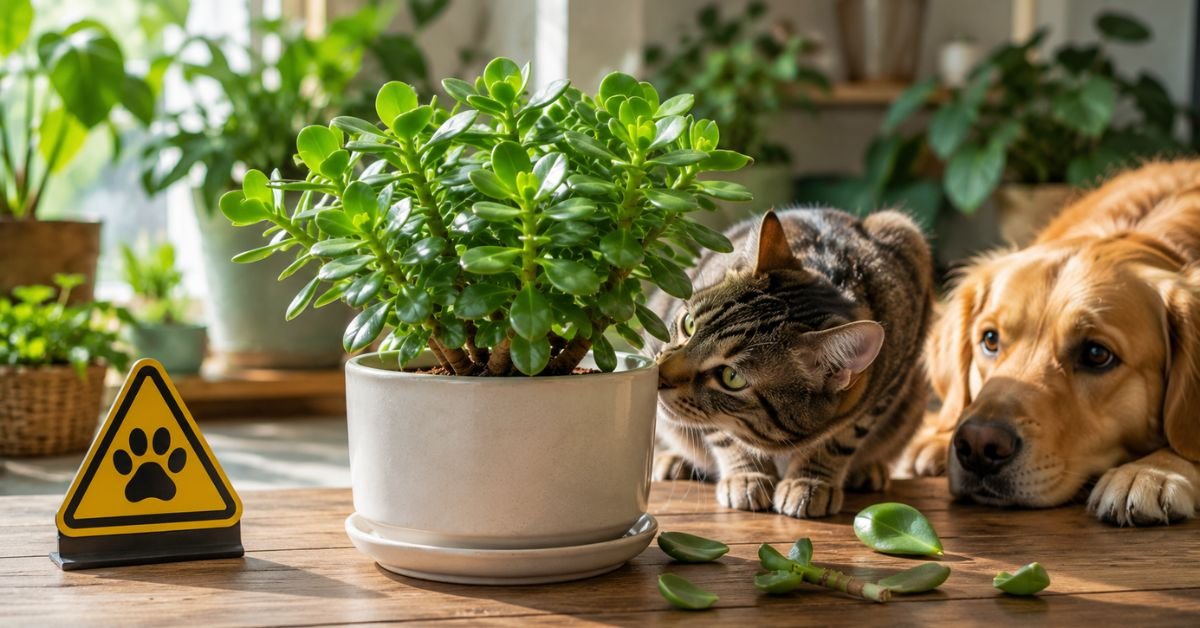
Almond trees are genuinely dangerous to pets. According to the ASPCA, the stems, leaves, and unroasted pits contain cyanogenic glycosides, which release cyanide when chewed. Ingestion can cause heavy panting, dilated pupils, and shock in dogs and cats.
Pro tip: Rake and bag pruned branches and fallen leaves promptly so pets aren’t tempted to chew on them.
Frequently Asked Questions About Almond Tree Care
Can I grow a tree from a raw almond bought at the grocery store? It’s unlikely to work. Almonds sold in US grocery stores are required by federal regulation (since 2007) to be pasteurized to reduce bacterial contamination risk, and this process typically kills the seed’s ability to germinate. Buy an established grafted sapling from a nursery instead.
How tall do almond trees get? In-ground trees typically reach 15–30 feet at maturity. Dwarf varieties grown in containers usually stay in the 5–8 foot range.
Is it normal for my tree to look completely bare in winter? Yes. Almond trees are deciduous and drop all their leaves in fall it’s simply dormancy, not a dead tree.
How long until I get a harvest? A healthy grafted sapling typically produces its first meaningful nut harvest in 3–4 years.
Can I keep my potted tree indoors year-round? Not if you want it to flower and fruit. Almonds need a real winter chill period (see the chill-hours note above) to trigger blooming — without it, the tree won’t set flowers.
What should I mix into container soil? A blend of about 70% high-quality potting soil and 30% perlite gives good drainage while retaining enough moisture.
Why did my tree bloom but produce no nuts? The three most common causes: a late frost damaged the flowers, there’s no second compatible tree nearby for cross-pollination, or there wasn’t enough bee activity during the bloom window.
Final Thoughts
Great almond tree care comes down to recreating the tree’s natural habitat: plenty of heat and sun, excellent drainage, and despite the heat-loving reputation a proper winter chill period. Watch the weather closely during early spring bloom to protect delicate flowers from frost, and plant a compatible second variety if you want a real harvest. Get the fundamentals right, and your tree will reward you with beautiful spring color and nuts for decades to come.

Amin Khalid is a professional horticulturist and the founder of LeafyWisdom. With a deep passion for home gardening and horticultural research, he specializes in providing practical, easy-to-follow care guides for indoor plants. Amin’s goal is to simplify gardening for everyone and help fellow plant lovers build their own thriving green spaces.