
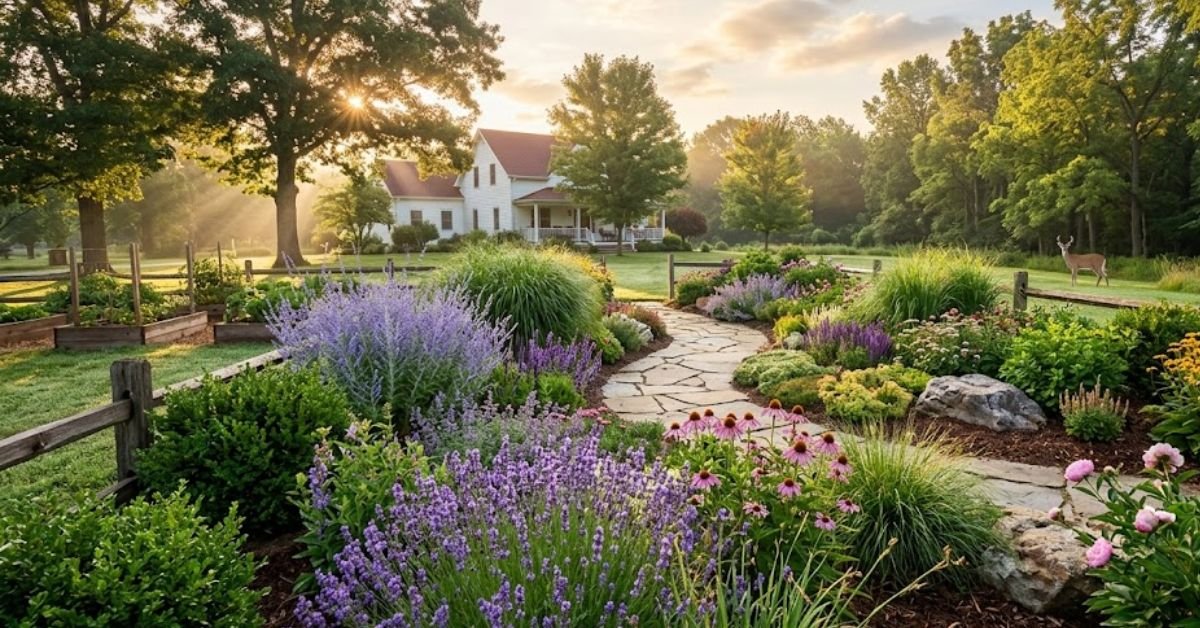
Growing deer hardy plants is the single best way to protect your landscape if you’re tired of local wildlife turning your flowers into an overnight snack. Planting a fresh bed only to wake up to chewed-down stems is beyond frustrating. Fortunately, strategically picking resilient, critter-resistant varieties lets you build a colorful, full yard that deer naturally pass right over.
Quick Care Summary for Deer Hardy Plants
| Feature | Details for Deer Hardy Plants |
| USDA Zones | Varies widely (typically Zones 3-9). Always check your local zone map. |
| Watering Needs | Varies by species. Check dirt moisture before turning on the faucet. |
| Soil Preference | Well-draining potting soil for containers; loose soil in garden beds. |
| Natural Defense | Repels browsers using potent scents, rough foliage, or bitter sap. |
The Best Plants for American Gardens
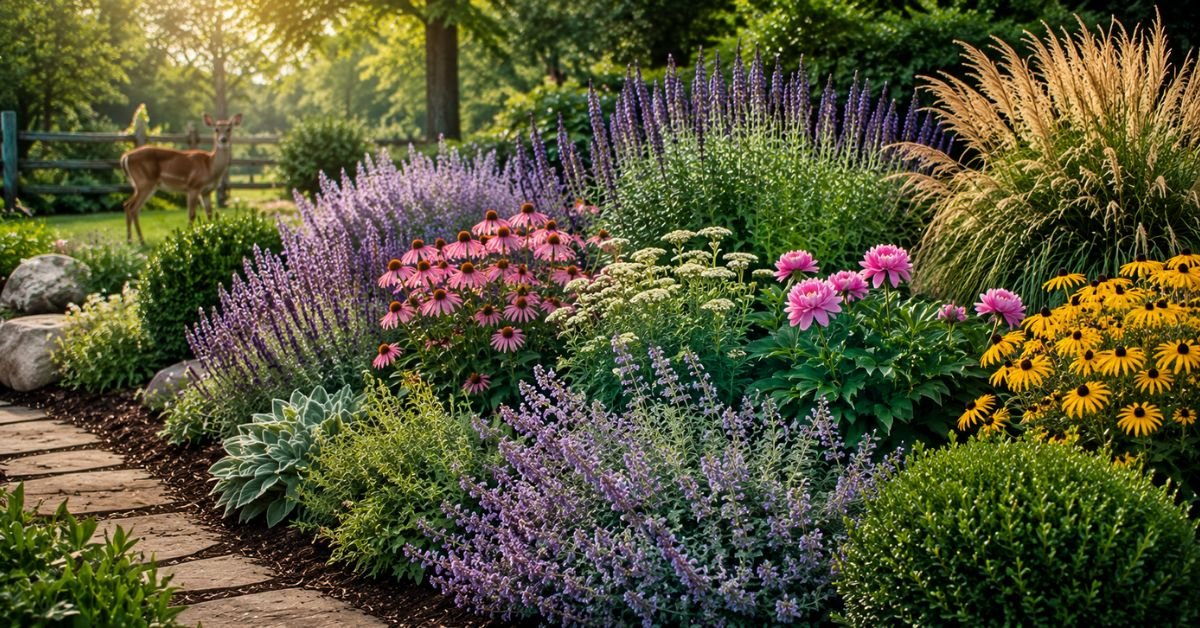
Finding options that look great while deterring hungry critters takes a bit of testing. Here are two standout performers I rely on across various USDA Hardiness Zones.
Russian Sage: A Drought-Tolerant Deer Hardy Plant
USDA Zones 4-9. Russian Sage is an absolute workhorse in my garden. It throws up silvery stems topped with light purple spikes that bloom for weeks. Deer dislike the pungent herbal scent of its foliage. Even better, once its root system gets settled, it rarely asks for extra water.
Personal Pro-Tip: Mix a handful of coarse perlite into your potting soil when planting Russian Sage in patio containers. It hates wet, heavy dirt around its roots.
Bee Balm: A Deer Hardy Plant for Pollinators
USDA Zones 3-9. Also sold as Monarda. If you want to welcome hummingbirds without attracting deer, this is a top-tier choice. Its intense minty fragrance acts as a strong natural deterrent against browsing animals.
Personal Pro-Tip: Late-summer humidity in many US regions can lead to powdery mildew on Bee Balm. I always run a soaker hose along the ground rather than spraying foliage overhead.
Common Mistakes We Make With Deer Hardy Plants
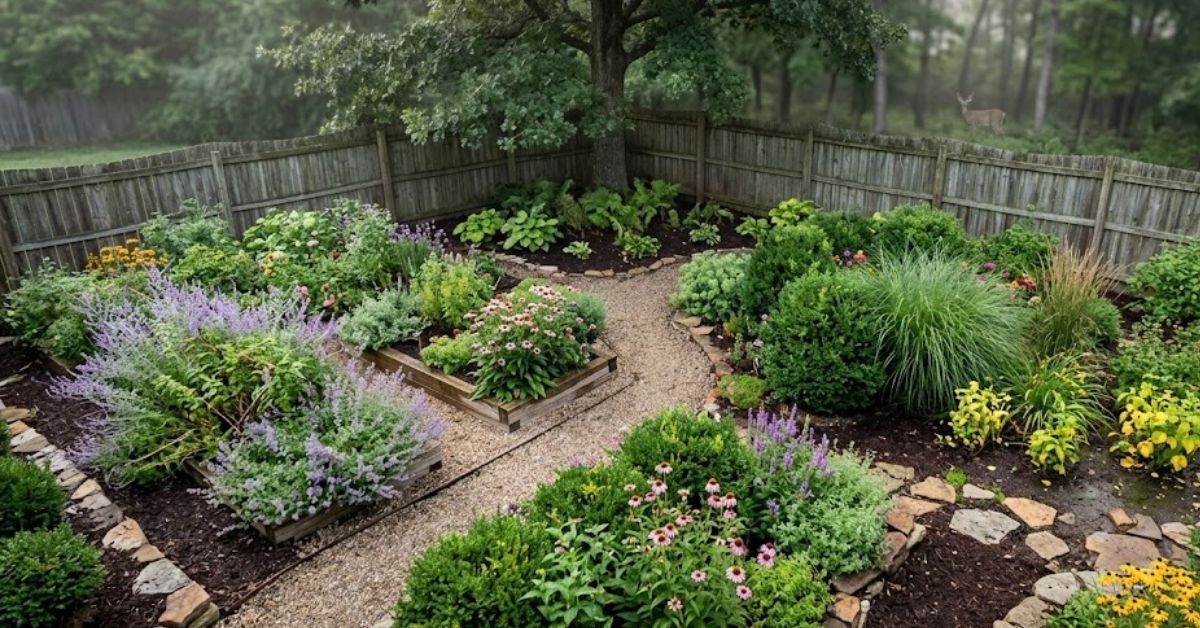
Even rugged, critter-resistant flora can struggle if we make simple growing errors. I have lost a few good varieties over the years by making these basic mistakes.
Overwatering is the biggest killer. We often feel compelled to drench our garden beds daily with the hose. In reality, most deer hardy plants prefer the dirt to dry out slightly between waterings.
Another frequent issue involves indoor and outdoor climate control. If you start young seedlings inside during early Spring, keep them far away from central air conditioning vents. Cold AC drafts strip moisture right out of tender leaves. Outside, avoid planting right next to an air conditioner condenser unit. The intense hot air exhaust will scorch your greenery in mid-July.
Personal Pro-Tip: Push your index finger an inch into the dirt. If it feels moist, hold off on using the faucet for another day or two.
Troubleshooting Issues With Deer Hardy Plants
When trouble strikes, quick action saves the plant. Here is how I address the two most common symptoms in my garden beds.
- Foliage turning pale yellow? Root suffocation from overwatering is usually the culprit. Heavy clay soil holds stagnant water around root systems. If growing in containers, ensure drainage holes are open. In garden beds, work organic matter into the dirt to loosen it up.
- Crispy brown leaf tips? This typically indicates excess fertilizer or prolonged dry heat. Give the soil a thorough flush with clean water from your garden hose to leach out built-up salts.
Personal Pro-Tip: Grab an inexpensive moisture meter from your local hardware store. It takes all the guessing out of your daily routine.
Toxicity Warning: Are Deer Hardy Plants Safe for Pets?
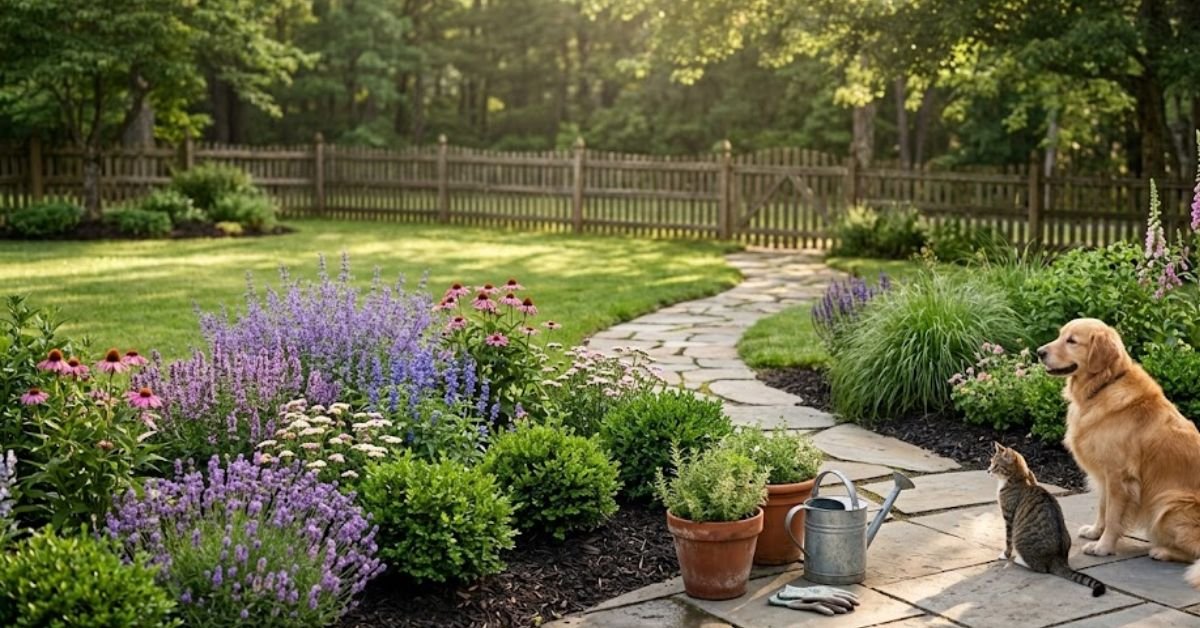
This is a critical consideration for pet owners. The exact characteristics that keep wildlife away like toxic compounds or bitter sap can also harm domestic animals.
Foxglove and Bleeding Heart are fantastic deer hardy plants, but they are highly toxic to dogs and cats. If you have pets that chew on outdoor foliage, stick with safe options such as Coral Bells or creeping thyme. Always check the ASPCA plant safety database before introducing new species to your yard.
Personal Pro-Tip: Keep toxic, deer-resistant varieties strictly in your front yard beds. Keep your enclosed backyard 100% safe for pets to roam freely.
Frequently Asked Questions
Q1: What specific features make a plant deer hardy? Deer usually pass on foliage with strong herbal scents, rough or prickly textures, or bitter, milky sap. They prefer soft, mild-tasting greenery.
Q2: Are any deer hardy plants 100% deer-proof? No. During harsh winters when natural food sources are scarce, hungry deer will sample almost any foliage to survive.
Q3: Can I grow deer hardy plants in patio containers? Yes. Ensure you fill your containers with a lightweight, free-draining potting soil and choose pots with open drainage holes.
Q4: Do I still need spray repellents on deer hardy plants? Applying a mild repellent during early Spring helps protect soft, tender shoots on young plants while they establish their natural defenses.
Q5: How do I find my local USDA Hardiness Zone? Enter your zip code into the official USDA Plant Hardiness Zone Map online to find your exact regional growing zone.
Q6: Why is my deer hardy plant wilting in high summer heat? Check both your soil moisture and placement. Planting near heat sources like AC exhaust vents or overwatering heavy clay dirt can both cause severe wilting.
Q7: Is Spring or Fall better for planting deer hardy plants? Fall is ideal in most US regions. Warm soil lets root systems settle while cool air reduces stress on the foliage before winter dormancy.
MY Final Thoughts
Building a gorgeous landscape shouldn’t mean fighting an endless war with local wildlife. By stocking your beds with established deer hardy plants matched to your USDA zone, you can sit back and enjoy the view. Don’t hesitate to move a shrub or perennial if it isn’t happy in its original spot. Gardens are always a work in progress!
Personal Pro-Tip: Take a few quick photos of your garden beds before the winter frost. It makes planning new additions much easier when Spring rolls back around.

Amin Khalid is a professional horticulturist and the founder of LeafyWisdom. With a deep passion for home gardening and horticultural research, he specializes in providing practical, easy-to-follow care guides for indoor plants. Amin’s goal is to simplify gardening for everyone and help fellow plant lovers build their own thriving green spaces.