Day: July 22, 2026

  • The Ultimate American Guide to Growing Perennial Plants That Come Back Every Year

    The Ultimate American Guide to Growing Perennial Plants That Come Back Every Year

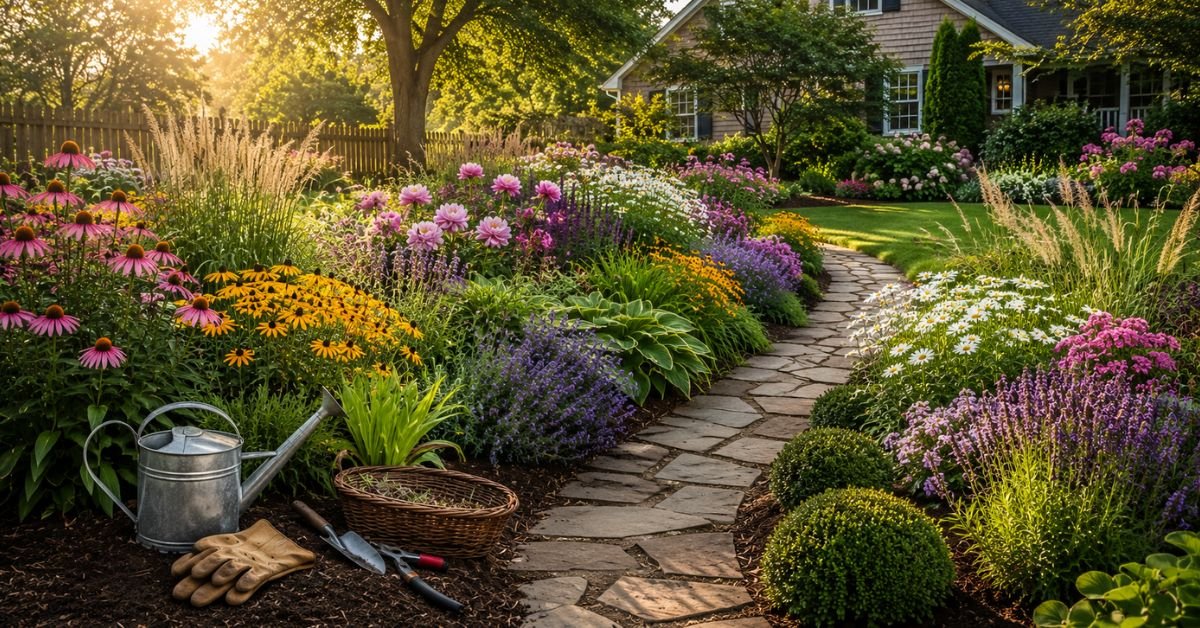
    If you’re tired of spending a small fortune on annuals every single May only to watch them turn to black sludge after the first frost, you’ve come to the right spot. I’ve spent over two decades digging in the dirt across various American backyards, and I can tell you that perennial plants are the ultimate cheat code for a stunning landscape. They rest through the winter cold and pop back up every Spring, bigger and better than before.

    Below is my raw, practical guide to making them work in your own yard.

    Quick Care Guide for Perennial Plants

    Care AspectStandard AdviceMy Real-World Backyard Rule
    Light NeedsFull sun to deep shade depending on speciesMatch the tag, but give full-sun varieties at least 6 hours of direct summer sun.
    Watering Routine1 inch of water per weekDeep soak twice a week during hot July heat instead of shallow daily squirts from the hose.
    Soil TypeRich, well-draining garden soilMix local garden soil with organic compost; use fresh potting soil for outdoor patio pots.
    HardinessCheck plant tag for USDA ZoneBuy varieties rated one zone colder than your home zone for maximum winter survival.
    FertilizerBalanced fertilizer in early SpringA light top-dressing of organic leaf mold or compost in April is usually all you ever need.

    What Are Perennial Plants and How Do They Work?
    What Are Perennial Plants and How Do They Work

    I still remember the first flower border I planted over twenty years ago. I dumped way too much cash on annual petunias and marigolds, only to watch a single October cold front wipe out the whole bed in Zone 6. That was the exact year I converted completely to perennial plants.

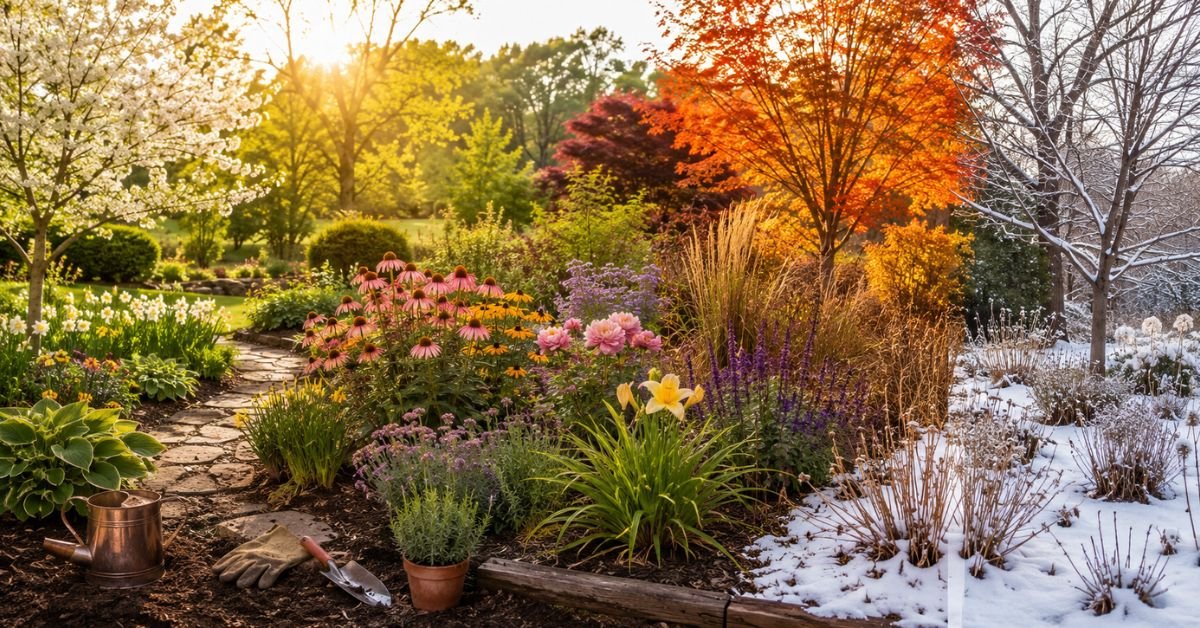
    Simply put, perennials are long-term investments for your property. Unlike annuals that finish their whole life cycle in one quick burst, perennials go quiet when winter hits, keeping their root systems safe underground until warmth returns.

    Some hold onto their foliage all year. Others known as herbaceous perennials die clear back to the soil line when real cold sets in. Don’t let that fool you. The roots are wide awake down below, just waiting for March or April.

    Personal Pro-Tip: In my years of growing these long-lived garden staples, I’ve learned that patience is everything. Keep the classic gardener’s adage in mind: Year one they sleep, year two they creep, year three they leap. Don’t panic if your new bed looks a little sparse during its first summer!

    Choosing the Best Perennial Plants for Your USDA Zone

    If you buy a specimen rated for USDA Zone 8 and stick it in a Zone 4 Minnesota yard, it isn’t going to make it through December. It’s that simple.

    Our American climate varies wildly. A muggy July afternoon in Georgia feels nothing like a dry, windy afternoon in Eastern Washington. That is why USDA Hardiness Zones matter so much when selecting perennial plants.

    • Northern Climates (Zones 3-5): Look for ultra-hardy options like Coneflowers (Echinacea), Siberian Iris, and Hostas. These actually require a solid winter chill to set proper spring flowers.
    • Mid-Atlantic & Midwest (Zones 6-7): You hit the sweet spot. Black-Eyed Susans, Russian Sage, and Salvia flourish easily in these regions without much babysitting.
    • Southern & Southwestern Climates (Zones 8-10): Focus on brutal heat and drought tolerance. Agastache, Lantana, and heat-tolerant Daylilies handle blazing summer sun without crisping up.

    Personal Pro-Tip: Microclimates exist right in your own yard! A south-facing brick wall traps radiant heat all day. I often use those warm nooks to push the envelope and grow perennial plants rated one zone warmer than my local climate zone.

    Why Perennial Plants Fail in American Gardens
    Why Perennial Plants Fail in American Gardens

    Ever wonder why your neighbor’s flower bed looks like a botanical garden while yours struggles? I see the same three mistakes across suburban yards year after year.

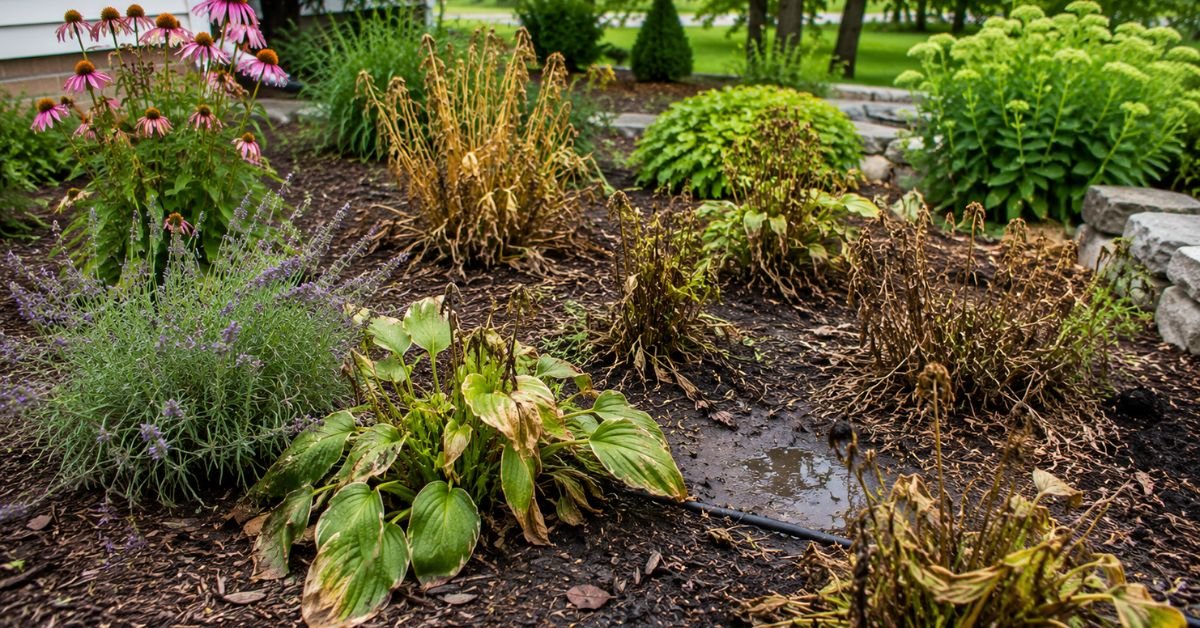
    First off, folks overwater with spray nozzles. Misting leaves for two minutes every evening does nothing except invite powdery mildew. You need deep soaking down where the roots live.

    Second, poor drainage in heavy clay soil kills more roots during winter freezes than cold air ever could. Wet, frozen roots equal dead stock by March.

    Third, bringing outdoor patio containers inside for winter without accounting for indoor environments. Place a pot next to an active heat register or air conditioning vent, and those drafts will zap the moisture right out of the leaves within forty-eight hours.

    Personal Pro-Tip: Always grab water directly from an outdoor spigot or faucet rather than running softened indoor tap water outside. Home water softeners use sodium salts that build up in garden soil over time and stunt plant growth.

    How to Fix Common Problems with Perennial Plants

    Plants talk to us; we just need to learn their language. Here is how I diagnose trouble in the garden bed:

    Yellowing Leaves on Perennial Plants

    This almost always means roots are suffocation-level wet. Check your drainage. If the soil feels like swampy grease three inches down, put down the hose and let the bed dry out.

    Crispy Leaf Edges During Summer

    Crispy edges point to heat stress or severe underwatering. During 90°F heatwaves in August, set a slow drip near the base early in the morning so the moisture reaches the taproots before noon.

    Weak Flowers and Flopping Stems

    If tall stems fall over like sleepy toddlers, they either aren’t getting enough direct sunlight or you gave them way too much nitrogen fertilizer. Excess nitrogen creates weak, floppy green growth instead of sturdy flower stems.

    Personal Pro-Tip: Every three to four years, lift crowded clumps in Fall with a sharp spade and split the root ball in half. Replanting these divided sections instantly restores vigor and gives you free extra stock for the rest of your beds!

    Pet Safety: Keeping Dogs and Cats Safe Around Perennial Plants
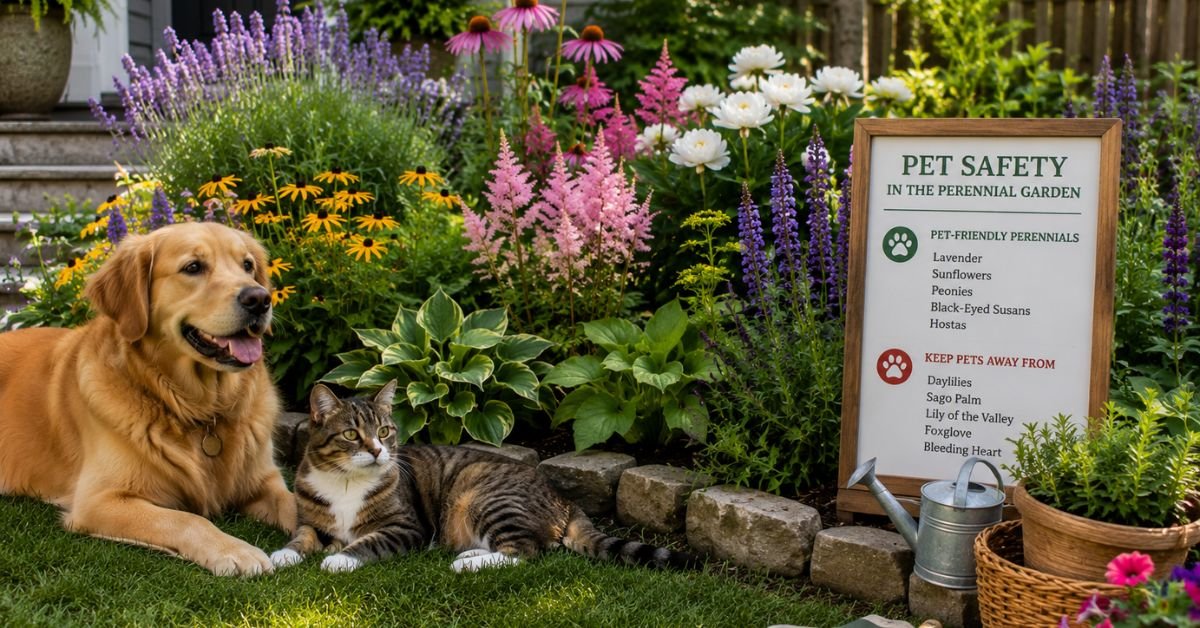
    Pet Safety Keeping Dogs and Cats Safe Around Perennial Plants

    As a dog owner myself, this is something I check before putting anything in the ground. Not all beautiful choices play nice with curious noses and paws.

    True lilies (like Daylilies and Easter Lilies) are dangerously toxic to cats even small amounts of pollen licked off their fur can trigger acute kidney issues. Hostas, while wildly popular in American shadier spots, contain saponins that cause stomach upset in both dogs and cats.

    Safe & Pet-Friendly Options:

    • Catmint (Nepeta): Extremely hardy, pollinators love it, and cats find it absolute paradise.
    • Coneflowers (Echinacea): Non-toxic, tough as nails, and colorful.
    • Coral Bells (Heuchera): Excellent foliage color for shady spots, completely safe for pets.

    Personal Pro-Tip: Check the official ASPCA toxic plant database on your phone while standing in the checkout aisle at the nursery. It takes thirty seconds and saves endless worry later.

    Frequently Asked Questions

    Q1: When is the absolute best time to put perennial plants in the ground?

    Early Fall is my absolute favorite time, followed closely by early Spring. Autumn planting allows roots to establish in cool, moist soil without battling scorching summer heatwaves right away.

    Q2: How often should I water newly set perennial plants?

    Water thoroughly right after planting. For the first two weeks, give them a deep soak every two to three days. Once established, ease back to about an inch of water a week from rainfall or supplemental hose soaking.

    Q3: Do perennial plants come back every year automatically?

    Yes! As long as you choose varieties rated for your local USDA Hardiness Zone and give them decent soil, they will return year after year.

    Q4: Can I grow perennial plants in containers on an outdoor patio?

    You sure can. Just use a high-quality potting soil mix and select a container with plenty of drainage holes. Remember: plants in pots freeze faster in winter, so pick varieties rated two zones colder than your local area.

    Q5: How do I cut back perennial plants before winter hits?

    Wait until a hard frost turns foliage brown in late Fall. Use clean hand pruners to snip dead herbaceous stems down to about two inches above ground level. Leave ornamental grasses and seed-head plants like coneflowers intact for winter texture and bird food.

    Q6: What are the easiest perennial plants for beginners in Zone 6 or 7?

    You can’t go wrong with Black-Eyed Susans, Salvia, Sedum (‘Autumn Joy’), or Catmint. They are practically bulletproof and forgive minor watering oversights.

    Q7: Why are my perennial plants blooming less this season?

    They are likely overgrown and rootbound, or getting too much shade as nearby trees mature. Try dividing the clump in early Spring or late Fall to jumpstart bloom production.

    Final Thoughts

    Building a vibrant garden takes a little patience, but nothing beats the feeling of seeing green shoots poke through thawing soil every Spring. Pick the right spot for your sun exposure, pay attention to your hardiness zone, and keep your hose routines simple. Once your roots get established, these heavy lifters will do most of the work for you.

  • Best Indoor Plants for Air Quality: My Honest Tested Guide for US Homes

    Best Indoor Plants for Air Quality: My Honest Tested Guide for US Homes

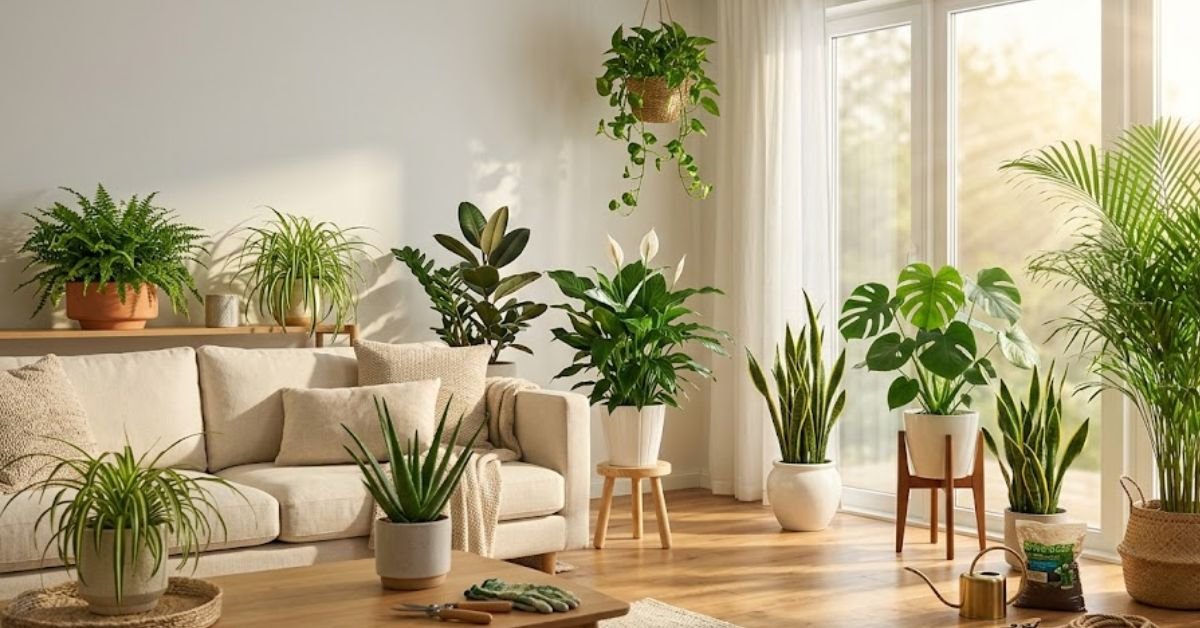
    I’ve spent years growing plants indoors in homes with forced-air heating, dry winter air, and windows that don’t open past three inches (thanks, apartment building codes). So when people ask me for the best indoor plants for air quality, I don’t just hand them the NASA list and walk away. I tell them what actually survives a real American living room, not a sealed lab chamber in Mississippi.

    This guide covers eight plants I’ve grown myself, how to keep them alive through a Midwest winter or a Texas summer with the AC blasting, what to do when the leaves start looking sad, and whether your cat or dog can be in the same room as them. No fluff, no stock-photo advice. Just what works.

    Quick Care Table for the Best Indoor Plants for Air Quality (For Skimmers)

    PlantLightWateringToxic to Pets?Difficulty
    Snake PlantLow to bright indirectEvery 2-4 weeks, let soil dry outMildly toxicBeginner
    PothosLow to bright indirectWeekly, when top inch is dryToxicBeginner
    Peace LilyLow to medium indirectWeekly, keep lightly moistToxicBeginner
    Spider PlantBright indirectWeeklyNon-toxicBeginner
    ZZ PlantLow light okayEvery 2-3 weeks, dry fullyMildly toxicBeginner
    Boston FernBright indirect, humid2-3 times a weekNon-toxicIntermediate
    Areca PalmBright indirectWeekly, evenly moistNon-toxicIntermediate
    Aloe VeraBright, some direct sunEvery 2-3 weeks, dry fullyMildly toxicBeginner

    How I Actually Picked This List of Air-Purifying Indoor Plants

    Most lists of the best indoor plants for air quality just copy the old NASA Clean Air Study and call it a day. That study is real. Researchers tested common houseplants for their ability to remove pollutants like formaldehyde, benzene, and trichloroethylene, and the results are still cited decades later. But here’s the part people leave out: that study happened in sealed, small chambers. Your living room has open doors, a running HVAC system, and probably a lot more square footage than a lab box.

    That doesn’t mean the plants don’t help. It means one philodendron on a bookshelf isn’t going to fix a house with a mold problem. What it does mean is that a cluster of the right plants, grown well, genuinely improves the air you breathe and the humidity in your home, especially during winter when the furnace dries everything out. I picked plants based on three things: real air-cleaning performance, whether a normal person with a normal schedule can keep it alive, and pet safety, since so many of you are asking me that in the comments.

    1. Snake Plant: My Top Pick for Low-Maintenance Indoor Air Quality

    If I could only recommend one plant on this entire list, it’s the snake plant (Sansevieria, sometimes sold as Dracaena trifasciata). It’s one of the plants NASA specifically flagged for filtering out benzene and formaldehyde, and unlike most air-purifying plants, it releases oxygen at night instead of during the day. That makes it one of the few genuinely good choices for a bedroom.

    How Often Should You Water Your Snake Plant?

    Barely at all. This plant stores water in its thick leaves, so it’s built for drought, not for a daily splash from the faucet. Water once the top two inches of potting soil are completely dry, roughly every three to four weeks. In winter, when growth slows down, I stretch that to once a month or longer. Snake plants are outdoor perennials in USDA zones 9 through 11, but for most of us, they’re staying inside year-round.

    Why Is My Snake Plant Turning Yellow or Getting Brown Tips?

    Almost always, it’s water. Soft, mushy, yellowing leaves near the base mean you’re overwatering and the roots are starting to rot. Crispy brown tips usually mean the opposite: the plant went too long without a drink, or it’s sitting too close to a heating vent. Pull it out of the pot and check the roots if you’re not sure. Healthy roots are firm and pale. Rotten ones are dark, soft, and smell bad.

    Is Snake Plant Toxic to Cats and Dogs?

    Mildly, yes. Chewing on the leaves can cause drooling, vomiting, or diarrhea in pets. It’s not an emergency-room situation for most animals, but I’d still keep it out of reach if you’ve got a chewer.

    Personal Pro-Tip: I keep my snake plants in terracotta pots instead of plastic. The unglazed clay pulls moisture out of the soil faster, which basically pet-proofs you against the most common way people kill this plant: watering it like a normal houseplant.

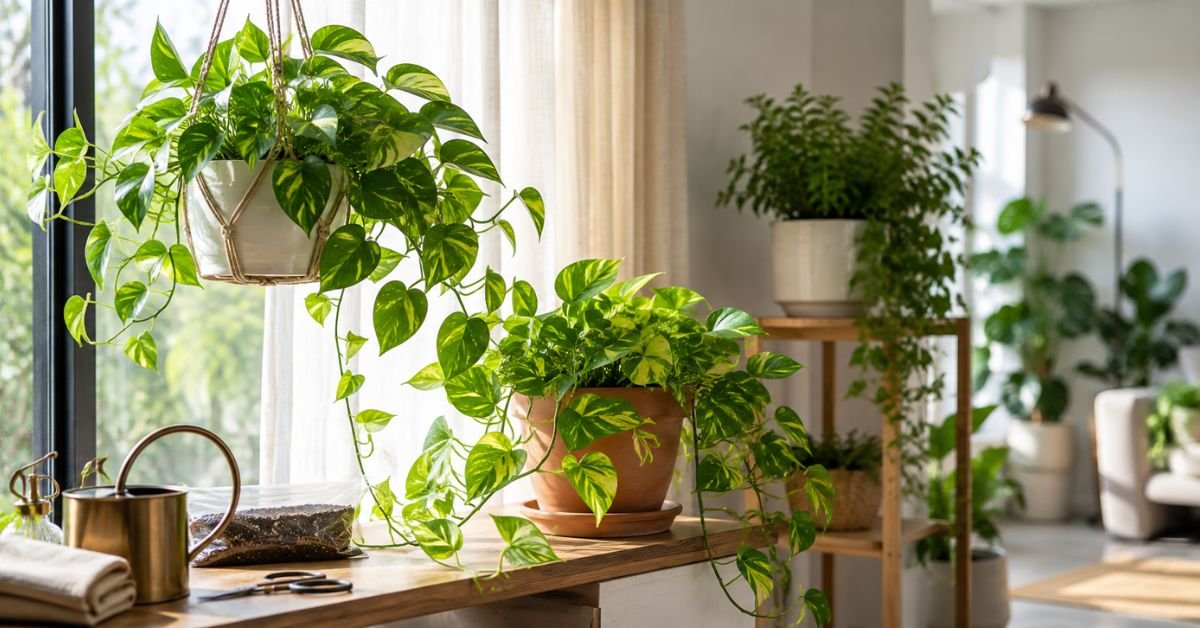
    2. Pothos: The Easiest Air-Purifying Indoor Plant for Beginners

    Pothos The Easiest Air Purifying Indoor Plant for Beginners

    Pothos (Epipremnum aureum) is the plant I hand to every single person who tells me they “can’t keep anything alive.” It tolerates low light, irregular watering, and general neglect better than almost anything else on this list, and it’s one of the more effective plants for pulling common household toxins out of the air.

    Pothos Care: Light, Water, and the Mistakes People Make

    Bright, indirect light gives you the fastest growth and the prettiest variegation, but pothos will hang on in a dim hallway too. Water when the top inch of potting soil feels dry, usually once a week. The number one mistake I see: people leave pothos sitting in a saucer full of water after they water it. Dump that saucer out. Standing water is how you get root rot in a plant that’s otherwise nearly impossible to kill.

    Is Pothos Safe Around Pets?

    No. Pothos contains calcium oxalate crystals that irritate the mouth and throat if chewed, causing drooling and vomiting. It’s one of the most common houseplants involved in pet poison control calls, mostly because it’s also one of the most common houseplants, period.

    Personal Pro-Tip: Trailing plants like pothos look best in a hanging basket anyway, and putting it up high solves your pet problem and your styling problem in one move.

    3. Peace Lily: Best Indoor Plant for Air Quality in Low-Light Rooms

    Peace lilies (Spathiphyllum) show up on nearly every list of the best indoor plants for air quality, and for good reason. They’re rated highly for removing alcohols, acetone, and formaldehyde, and the white blooms give you something most air-purifying plants don’t: an actual flower.

    How Much Water Does a Peace Lily Actually Need?

    More than a snake plant, less than you’d think. Keep the soil lightly moist, never soggy, and water roughly once a week. Peace lilies are dramatic communicators. When they’re thirsty, the whole plant droops like it’s fainting. Give it a drink and it usually perks back up within an hour. That said, don’t wait for the drama every time, it’s hard on the plant.

    Peace Lily Troubleshooting: Brown Tips and Yellow Leaves

    Brown leaf tips usually point to too much fertilizer, chlorinated tap water, or overwatering. I let a pitcher of faucet water sit out overnight before using it, which lets the chlorine evaporate off. Yellow leaves that show up on top of the plant usually mean it’s getting too much direct sun. Peace lilies want bright, indirect light, not a south-facing window blasting them all afternoon.

    Peace Lily Toxicity Warning

    Peace lilies are toxic to both cats and dogs, and mildly toxic to humans as well. They contain calcium oxalate crystals that cause mouth and stomach irritation. They’re not cold-hardy outside of USDA zones 10 and 11, so realistically, this is an indoor-only plant for almost everyone reading this.

    Personal Pro-Tip: Wash your hands after handling a peace lily, especially if you’re repotting or trimming it. Those oxalate crystals can irritate your skin too, not just your pet’s mouth.

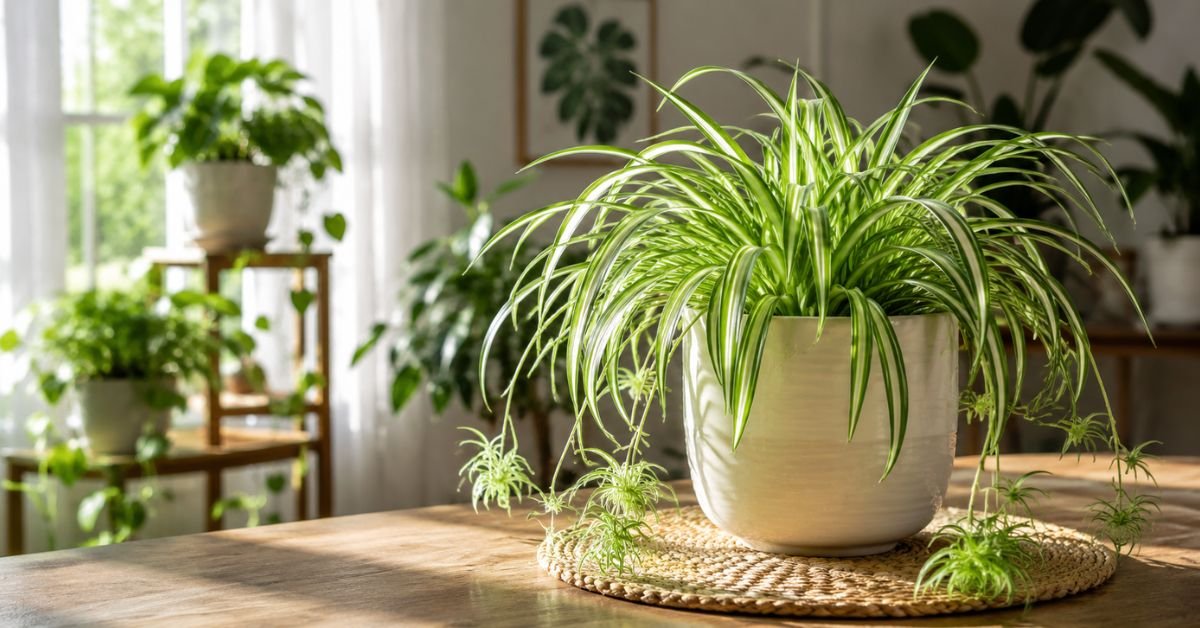
    4. Spider Plant: The Safest Air-Purifying Plant for Homes With Pets

    Spider Plant The Safest Air Purifying Plant for Homes With Pets

    If you’ve got cats, dogs, or a toddler who eats things off the floor, start here. Spider plants (Chlorophytum comosum) are non-toxic to both cats and dogs according to the ASPCA, and they’re one of the plants NASA credited with pulling carbon monoxide and formaldehyde out of the air.

    Spider Plant Care Basics

    Bright, indirect light gets you the fastest growth and the most “babies,” those little plantlets that dangle off runners and can be snipped and repotted for free. Water weekly, letting the top inch dry out between waterings. One plant in a room of about 200 square feet is genuinely enough to make a measurable dent in that room’s air.

    Common Spider Plant Mistakes

    The biggest one is water quality, not water quantity. Spider plants are sensitive to the fluoride in a lot of US municipal tap water, which shows up as brown tips even when your watering schedule is fine. Switching to filtered water or rainwater usually clears it up within a few weeks.

    Personal Pro-Tip: Don’t panic about brown tips on a spider plant. Just trim them off with clean scissors at an angle, following the natural shape of the leaf. Nobody will notice, and the plant genuinely doesn’t care.

    5. ZZ Plant: The Air-Purifying Plant for People Who Forget to Water

    The ZZ plant (Zamioculcas zamiifolia) has thick, waxy leaves and underground rhizomes that store water like a camel stores fat. It’s basically designed for the person who waters their plants once a month, if that.

    ZZ Plant Watering and Light Needs

    Let the soil dry out completely, then water. That’s it. In a low-light apartment, that might mean once every three to four weeks. This plant handles neglect far better than it handles kindness. Overwatering is by far the most common way people kill a ZZ plant.

    Is the ZZ Plant Toxic to Cats and Dogs?

    Mild to moderate toxicity. It won’t cause serious harm from casual contact, but ingestion can irritate the mouth and stomach. Keep it up high or in a room your pets don’t frequent.

    Personal Pro-Tip: If your ZZ plant’s leaves start looking wrinkled or a little limp, that’s actually thirst, not overwatering, which trips a lot of people up since it looks similar to root rot at first glance. Check the soil before you assume the worst.

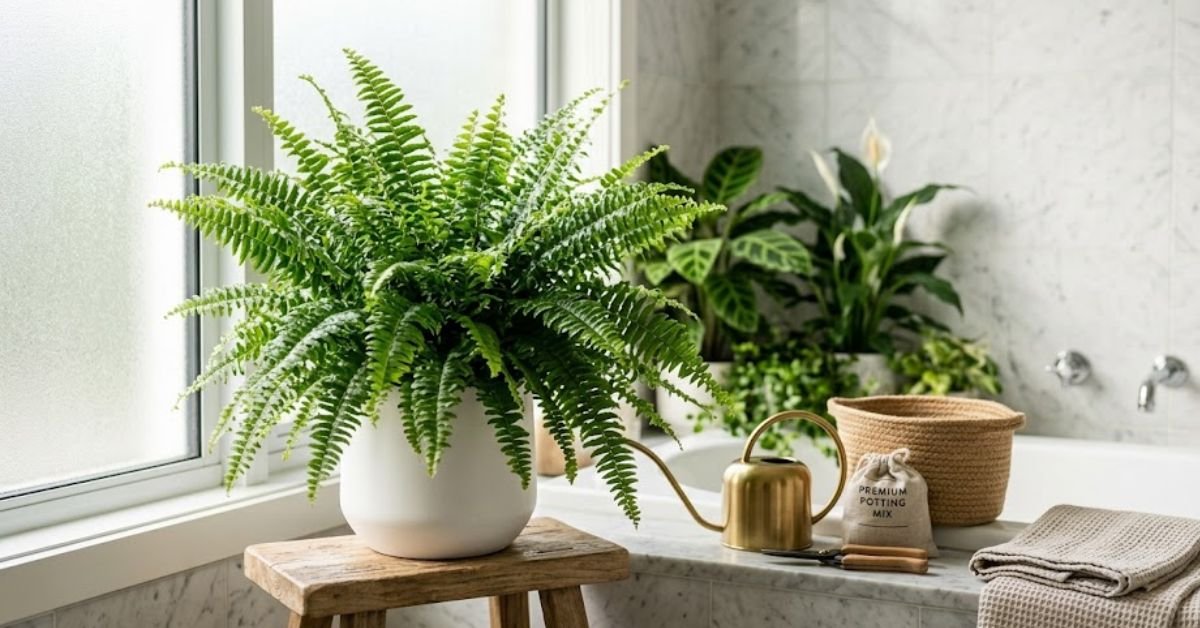
    6. Boston Fern: A Humidity-Loving Air Purifier for Bathrooms

    Boston Fern A Humidity Loving Air Purifier for Bathrooms

    Boston ferns (Nephrolepis exaltata) are some of the most efficient plants at filtering xylene, toluene, and benzene out of the air. They’re also the plant most likely to make you feel like a failure, because they’re fussier than everything else on this list.

    Why Boston Ferns Struggle in AC-Dried Indoor Air (and How to Fix It)

    Central air conditioning and forced-air furnaces both strip humidity out of your home, and Boston ferns hate that. If you’re growing one outside of a steamy bathroom, mist it a few times a week or set the pot on a tray of pebbles and water so it sits above, not in, the moisture. Keep the soil consistently moist, never bone dry, and never fully waterlogged either.

    Personal Pro-Tip: A cheap little humidifier running near your fern during winter, when your furnace is working overtime, will do more for this plant than any amount of extra watering.

    7. Areca Palm: A Bigger Statement Plant for Cleaner Indoor Air

    Also sold as the bamboo palm, the areca palm (Dypsis lutescens) is what I recommend when someone wants a bigger, more dramatic plant that still pulls its weight on air quality. It’s rated well for removing benzene and formaldehyde and works as a natural humidifier thanks to its large leaf surface area.

    Areca Palm Care and Common Problems

    Bright, indirect light and evenly moist soil are what this plant wants. It’s more forgiving of a little overwatering than it is of drying out completely, which is the opposite of most plants on this list, so don’t apply your snake plant instincts here. Outdoors, it only survives in USDA zones 10 and 11, meaning South Florida and not much else.

    Personal Pro-Tip: Brown leaf tips on an areca palm are almost always a sign of low humidity or hard tap water, not a watering schedule problem. Try filtered water for a month before you change anything else.

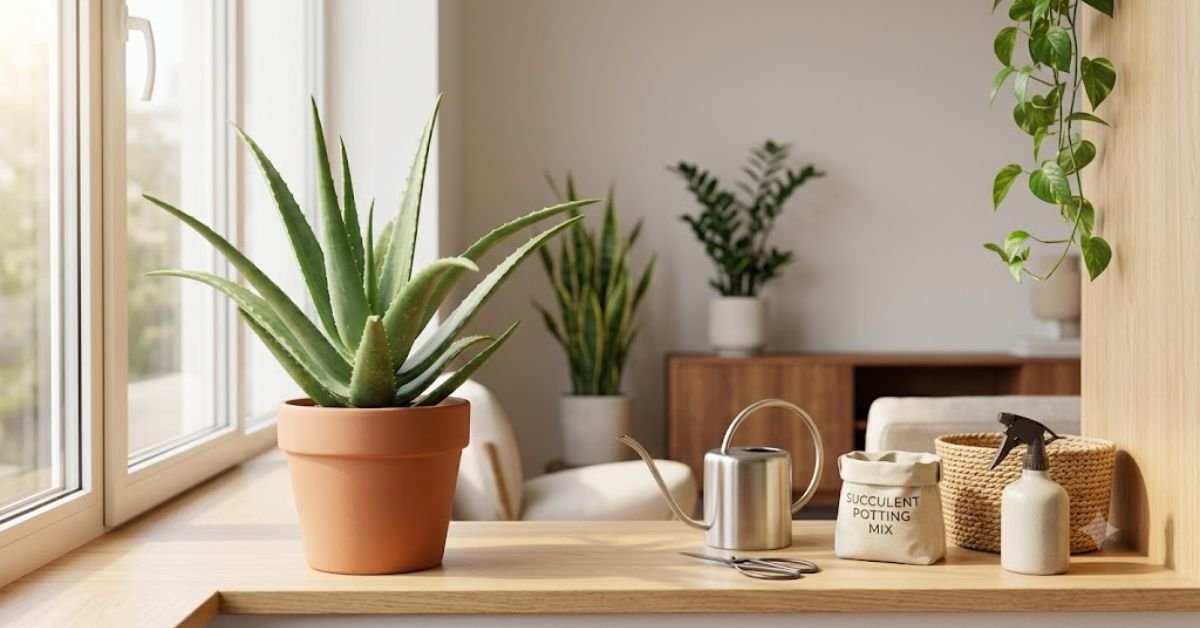
    8. Aloe Vera: A Sunny Windowsill Plant That Also Cleans the Air

    Aloe Vera A Sunny Windowsill Plant That Also Cleans the Air

    Aloe vera earns its spot on any list of the best indoor plants for air quality for filtering formaldehyde and benzene, and it comes with a built-in bonus: the gel inside the leaves soothes minor burns, which makes it a genuinely useful kitchen windowsill plant.

    Aloe Vera Care and Toxicity Notes

    This is a succulent, so treat it like one. Bright light, including some direct sun, and infrequent watering, letting the soil dry out completely between drinks, roughly every two to three weeks. It’s hardy outdoors in USDA zones 9 through 11 but does best as a container plant almost everywhere else, especially anywhere that sees frost.

    Aloe vera is mildly toxic to cats and dogs, causing vomiting, diarrhea, or lethargy if chewed. It’s an easy one to miss since it’s marketed so heavily as a “natural, healthy” plant, but that reputation is about the gel’s use for human skin, not about pet safety.

    Personal Pro-Tip: Aloe leaves that turn brown or mushy at the base almost always mean overwatering. This plant would rather you forget about it for three weeks than remember it every three days.

    Common Mistakes Americans Make With Indoor Air Quality Plants

    A few problems show up over and over in my inbox, and almost none of them are about the plants being difficult. They’re about home environments most of these plants weren’t built for.

    • Placing pots directly under an AC vent or heating register. The blast of dry, temperature-swinging air stresses tropical plants fast, especially ferns and palms.
    • Overwatering out of guilt. More houseplants die from too much water than too little. If you’re not sure, wait another day.
    • Skipping drainage holes. A pretty ceramic pot with no hole in the bottom is a slow-motion swamp. Use a plastic nursery pot with drainage inside a decorative outer pot instead.
    • Watering on a fixed schedule instead of checking the soil. Your plant’s water needs change with the seasons. A snake plant that needed water every two weeks in July might go a full month in January.
    • Using straight tap water on sensitive plants. Spider plants and ferns in particular can react to fluoride and chlorine. Let water sit out overnight, or use filtered water if you’re seeing consistent brown tips.

    Troubleshooting Guide: Fixing the Most Common Air-Purifying Plant Problems

    Yellow leaves, soft and mushy: Overwatering or root rot. Let the soil dry out fully, check the roots, and repot into fresh, well-draining potting soil if they’re dark or slimy.

    Yellow leaves, dry and crispy: Underwatering, or the plant is simply shedding an old leaf, which is normal. Check if it’s the oldest growth before you panic.

    Brown, crispy tips: Usually low humidity, hard tap water, or too much direct sun. Rarely an emergency.

    Drooping all over: For peace lilies, this is almost always thirst. For most other plants on this list, it’s more likely overwatering or a sudden temperature swing, like a cold draft from a window in fall.

    No new growth for months: Check the light first. Most “stalled” houseplants are just sitting in a spot too dim to support active growth, especially in winter when daylight hours drop.

    Which Indoor Plants for Air Quality Are Safe for Cats and Dogs?

    Non-toxic, based on the ASPCA’s plant database: spider plant, Boston fern, areca palm.

    Toxic or mildly toxic, keep away from pets: pothos, peace lily, snake plant, ZZ plant, aloe vera.

    If pet safety is your top priority, build your collection around spider plants, ferns, and palms, and treat anything from the second list as a hanging or high-shelf plant only.

    FAQs About the Best Indoor Plants for Air Quality

    Q1. Do air-purifying plants actually work, or is it just marketing? The underlying science is real. NASA’s Clean Air Study showed certain plants remove measurable amounts of common indoor toxins. The catch is that the study used sealed chambers. In a normal home with airflow, you’d need a lot of plants to match those lab results, but a healthy cluster of plants still measurably helps.

    Q2. How many plants do I actually need to notice a difference? There’s no magic number, but a commonly cited rule of thumb is roughly one plant per 100 square feet for a noticeable effect, more if the room has poor ventilation.

    Q3. Can I keep plants in my bedroom, or will they steal my oxygen at night? Most plants do release a small amount of carbon dioxide at night through respiration, but it’s negligible for a normal-sized room. Snake plants and orchids are actually unusual in that they release oxygen at night, making them solid bedroom choices.

    Q4. My apartment barely gets any natural light. Can I still do this? Yes. Snake plant, pothos, and ZZ plant all tolerate low light and are three of the best indoor plants for air quality if your windows are small or north-facing.

    Q5. Are these plants a replacement for an air purifier? No, and I wouldn’t market them that way. Think of plants as one layer of a healthier home, alongside good ventilation and source control, not a replacement for an actual HEPA filter if you have allergies or a real air quality issue.

    Final Thoughts on the Best Indoor Plants for Air Quality

    You don’t need a greenhouse or a horticulture degree to get real air-quality benefits from houseplants. Start with one or two from this list based on your light, your pets, and honestly, how forgetful you are on a normal week. A snake plant or ZZ plant in a dim corner, a spider plant if you’ve got a curious cat, or a peace lily by an east-facing window will all do more for your indoor air than an empty shelf ever will.

    Watch the soil, not the calendar. Match the plant to the room you actually have, not the one in a magazine photo. That’s really the whole secret.