
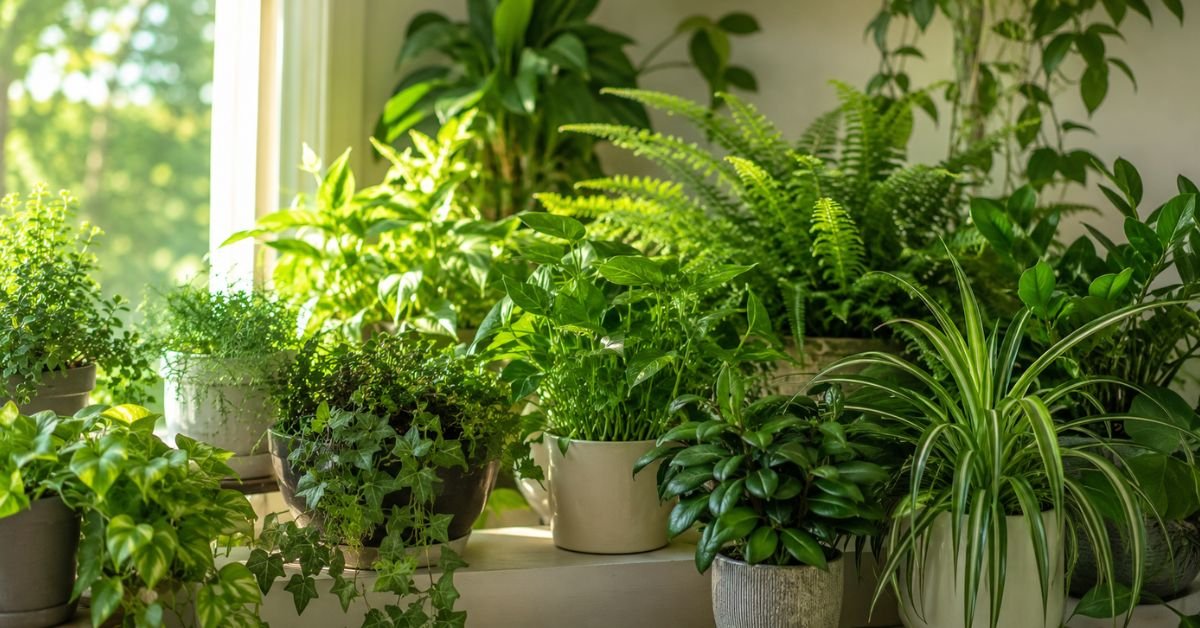
Let’s face it. Waiting for a plant to grow can feel like watching paint dry. I’ve been in the horticulture game for over fifteen years, and the number one thing people ask me for is quick growing plants. We want that instant gratification. We want our living rooms to look like a jungle by next month, not next decade. It’s totally doable, but you have to pick the right species and avoid a few classic American house pitfalls.
| Plant Type | Indoors/Outdoors | Key Requirements | Best Growth Season |
| Pothos | Indoor | Low-to-bright indirect light, standard potting soil | Spring & Summer |
| Radishes | Outdoor | Full sun, moist soil, USDA Zones 2-11 | Early Spring or Fall |
| Spider Plant | Indoor | Bright indirect light, keep away from AC vents | Year-round indoors |
| Zucchini | Outdoor | Heavy feeder, full sun, USDA Zones 3-10 | Late Spring through Summer |
Personal Pro-Tip: Don’t blast your new green roommates with tons of fertilizer thinking it’ll make them speed up. It usually just burns the roots. Trust the plant’s natural clock.
Why Choose Quick Growing Plants for Your Indoor Spaces?
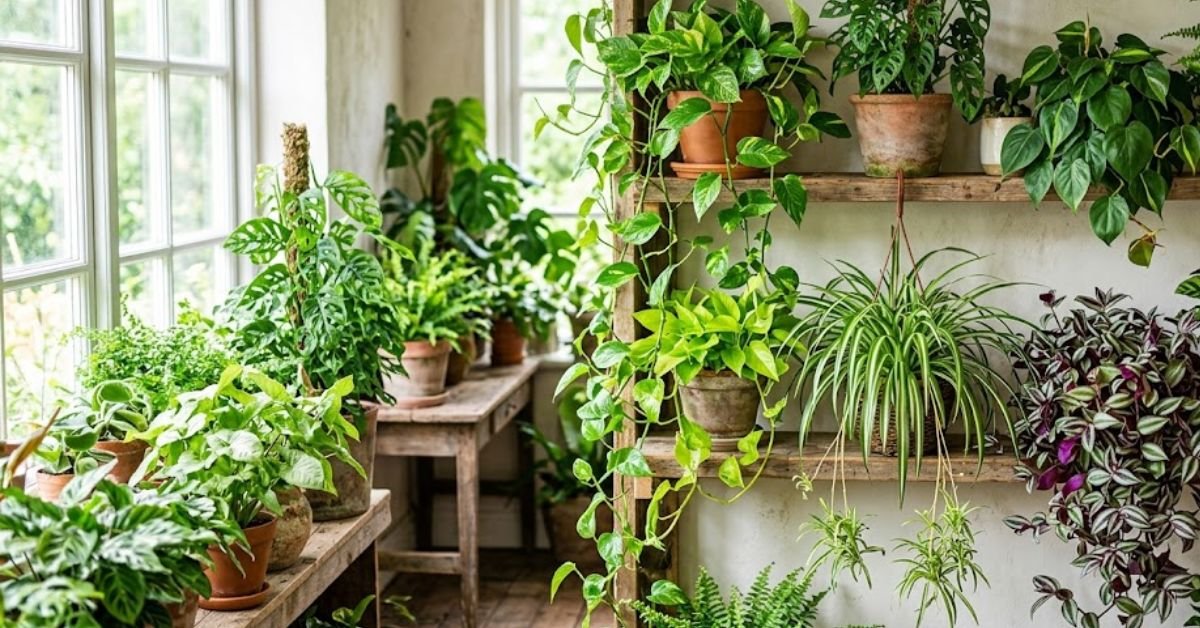
Let’s talk about the indoors first. If your living room feels a bit sterile, certain fast-moving varieties can change the whole vibe in a single season. My absolute favorite go-to is the classic Pothos. In my years of growing this plant, I’ve watched a single cutting trail down a bedroom bookshelf within a couple of months.
Another rockstar is the Spider Plant. They pump out babies like crazy. Pop them in a decent potting soil, give them some bright, indirect light, and boom you have an entire family of new plants before Fall hits. They are resilient, visually striking, and they don’t demand perfection.
Personal Pro-Tip: When you’re potting up fast growers indoors, make sure the container has drainage holes. A fast root system needs oxygen, not a swamp.
Outdoor Quick Growing Plants for Quick Backyard Coverage
If you have a bare patch in your yard and want it covered before summer ends, you need to look at your USDA Hardiness Zone. For veggies, radishes are the undisputed speed kings. You can harvest them in less than a month. I plant them in early Spring as soon as the ground can be worked.
If you want something massive and dramatic that fills space, plant zucchini. Give it full sun, and it explodes. Seriously, you’ll be begging your neighbors to take extra squash off your hands by July. For ornamental value, morning glories or sunflowers can shoot up several feet in just a few weeks, giving you a beautiful wall of color before the first frost.
Personal Pro-Tip: Check your local university extension office online to find your exact local frost dates. Planting outdoor speedsters too early in the Spring is a recipe for heartbreak.
Common Mistakes Americans Make With Quick Growing Plants
Here is where things usually go sideways. The biggest killer of fast indoor growth in US homes? Central air conditioning. I can’t tell you how many times I’ve walked into a client’s house to find a sad, crispy plant sitting directly under an AC vent. That cold, dry air mimics a desert, and it will stunt your plants fast.
The second issue is watering. People see a plant growing fast and assume it needs a gallon of water from the faucet every single day. Stop. Stick your finger an inch into the potting soil. If it’s wet, walk away. Overwatering smothers the roots, causing the exact opposite of what you want: zero growth and rot.
Personal Pro-Tip: Group your indoor plants together. It creates a mini-microclimate that keeps the humidity up, shielding them from the drying effects of your home’s HVAC system.
The Indoor Moisture Illusion: Why Misting Your Quick Growing Plants Fails
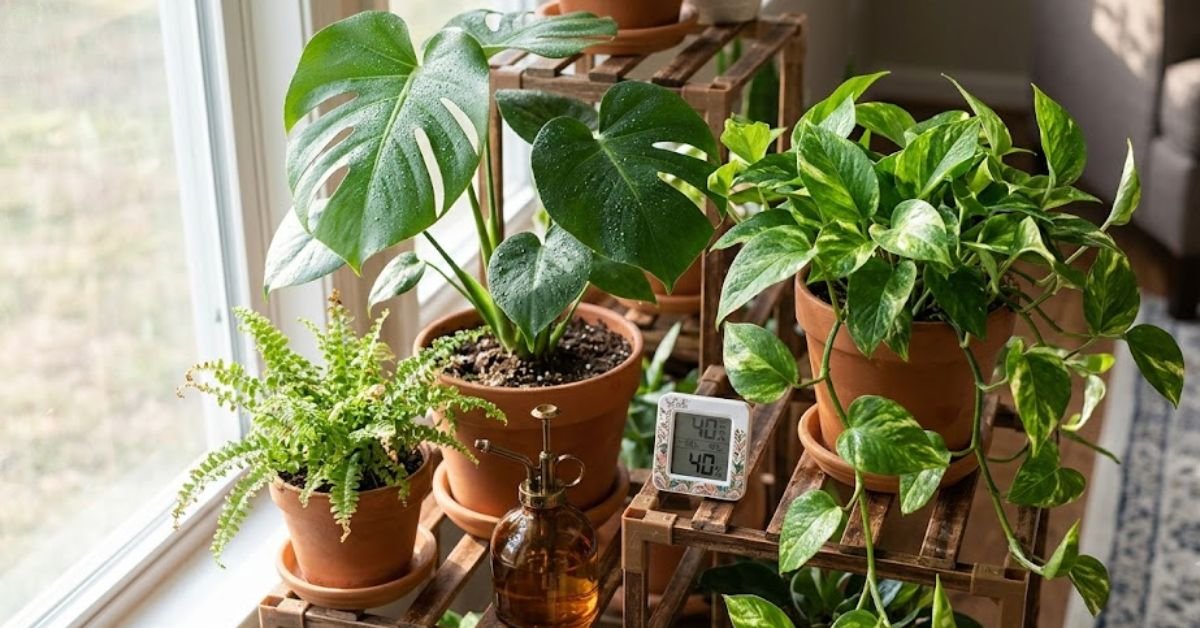
Let’s bust a massive internet myth right now. Grabbing a spray bottle and misting your indoor greenery does almost nothing to stop winter dryness.
When you spray water into the air, it evaporates within ten minutes. Your plants don’t get a tropical rainforest. They get a brief splash followed by stagnant water sitting on their foliage. In a home with low airflow, wet leaves are the number one cause of fungal spotting and bacterial blight. It’s an open invitation for disease.
If your fast growers are getting crispy edges from forced-air heating, buy a small ultrasonic humidifier. On a budget? Fill a shallow tray with pebbles, pour water just below the top of the rocks, and set your plant pot on top. The natural evaporation creates a continuous micro-pocket of humid air right where the roots and leaves need it most.
Personal Pro-Tip: Never let the bottom of the pot touch the actual water in a pebble tray. The soil will wick up the moisture, stay soggy, and rot the roots.
Propagating Quick Growing Plants in Water: The Ultimate Free Hack
If you want absolute instant gratification without spending a dime, you need to start multiplying your plants in water. This works incredibly well with vining varieties like Pothos or Tradescantia.
Find a long vine and look closely at the stem. See those little brown bumps right below where the leaf meets the stem? Those are nodes. Snip the vine right below a node, strip the bottom leaves off, and drop the stem into a clean jar of water from your kitchen faucet. Put it on a sunny windowsill. Within a week, you’ll see bright white roots bursting out. It’s like magic, and it costs nothing.
Personal Pro-Tip: Change the water in your propagation jars once a week. Fresh water replenishes the oxygen levels that the new roots need to develop quickly.
Troubleshooting Your Quick Growing Plants When Things Go Wrong
Even the easiest varieties hit a snag sometimes. You need to know what the plant is trying to tell you.
- Yellow Leaves: Usually, this means you’re loving it to death. Overwatering causes root rot, which stops the plant from absorbing nutrients. Let the soil dry out before you hit the faucet again.
- Brown Tips: This is almost always a humidity issue or a chemical buildup from city tap water. Try using filtered water, or move the plant away from drafty areas.
- Leggy, Stretched Stems: Your plant is reaching for light. It’s growing fast, but it’s skinny and weak. Move it closer to a window.
Personal Pro-Tip: If you see yellow leaves at the very bottom of an outdoor plant, it might just be old age or a lack of nitrogen. If the whole plant turns pale, check your soil moisture immediately.
Are These Plants Safe For Your Pets?
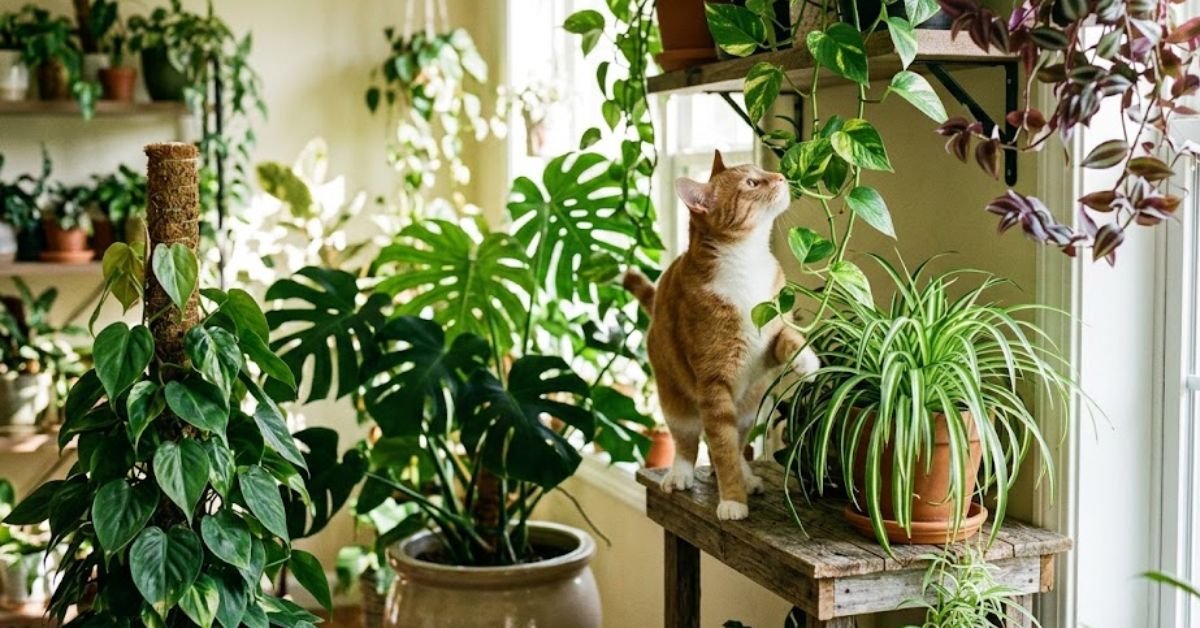
We love our furry friends, so toxicity matters. You don’t want a fast-growing vine that puts your cat in the vet clinic.
- Pothos: Toxic. Keep it high up on a shelf away from cats and dogs. It contains calcium oxalate crystals which irritate the mouth and stomach.
- Spider Plants: Safe! In fact, cats love the dangling babies. They actually have a mild hallucinogenic effect on felines, so don’t be shocked if your cat gets a bit goofy around it.
- Radishes & Zucchini: Perfectly safe for dogs if they happen to sneak a bite in the garden.
Personal Pro-Tip: Always double-check the ASPCA toxic plants list before bringing any new fast grower into a house with curious pets.
Frequently Asked Questions
Q1: What is the fastest growing indoor plant?
In my experience, the Pothos and the Arrowhead Vine take the crown. Under the right conditions, they can put out multiple new leaves every single week during the peak Spring and Summer months.
Q2: Can I use regular dirt from my yard for indoor quick growing plants?
Please don’t. Backyard dirt is way too heavy, packs down like brick in a pot, and carries bugs and fungi. Stick to a high-quality, lightweight bagged potting soil for anything in a container.
Q3: How often should I fertilize these speedsters?
During the active growing season (Spring through Summer), a diluted liquid fertilizer once every two to three weeks is plenty. Cut back completely in the winter when the plant slows down.
Q4: Why are the leaves on my fast-growing vine falling off?
If it’s losing leaves near the base, it’s often a sign of a sudden temperature shock or overwatering. Check the soil moisture and ensure it isn’t getting hit by cold drafts from a nearby door or AC unit.
Q5: Do quick growing plants die faster than slow growers?
Annuals like radishes or sunflowers live fast and die at the end of the season. However, fast-growing houseplants like Pothos or Spider plants can live for decades if you maintain them properly.
Q6: What outdoor plant grows the fastest for privacy?
Go with Clumping Bamboo (Bambusa). Avoid running bamboo at all costs; it is an absolute escape artist that will crack ceramic pots, grow right out of drainage holes, and stage a hostile takeover of your neighbor’s yard. Clumping bamboo stays in tight, predictable, well-behaved mounds.
Q7: How does indoor heating affect these plants in the winter?
Forced-air heating drops indoor humidity levels drastically, causing crispy edges. Skip the spray bottle misting is a total myth that just invites fungal leaf spot. Instead, run a small ultrasonic humidifier or use a simple pebble tray with water to keep the air humid.
My Final Thoughts
Growing things fast is a blast. It gives you massive confidence, especially if you’re new to the hobby. Just remember that speed requires energy, so keep an eye on soil health and your home’s indoor climate. Treat them right, keep them out of the path of your AC vents, and you’ll have a lush space in no time.

Amin Khalid is a professional horticulturist and the founder of LeafyWisdom. With a deep passion for home gardening and horticultural research, he specializes in providing practical, easy-to-follow care guides for indoor plants. Amin’s goal is to simplify gardening for everyone and help fellow plant lovers build their own thriving green spaces.