
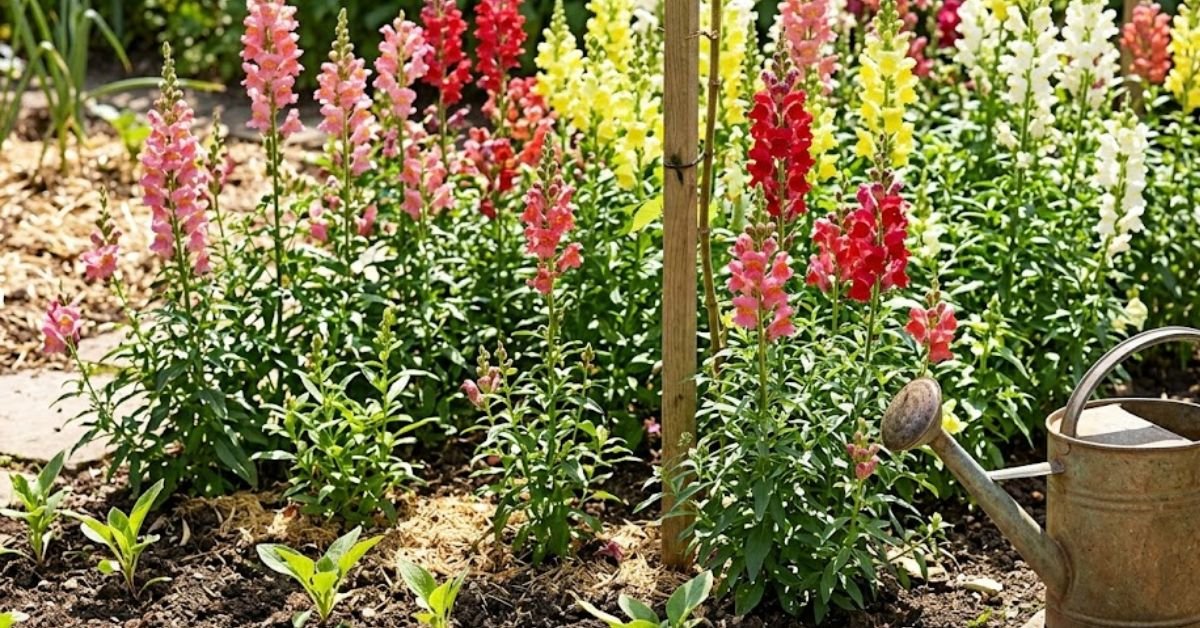
If you have ever walked through an American cottage garden in the peak of summer, you have likely seen the dragon flower plant. More commonly known across the United States as the Snapdragon, these architectural wonders get their name because you can gently squeeze the sides of the blossom to make the “dragon mouth” snap open and shut.
In my years of running a greenhouse, I have found that while these are technically short-lived perennials in warmer climates, most US gardeners treat them as annuals. They provide a massive burst of color when the rest of your garden is either waking up or winding down.
Here is my practical, no-nonsense guide to keeping your dragon flower plants happy, vibrant, and blooming.
Quick Care Guide for the Dragon Flower Plant
For those in a hurry, here is the baseline blueprint to keep your plants alive.
| Care Factor | Requirements |
| USDA Zones | Annual nationwide; Perennial in Zones 7–11 |
| Sunlight | Full sun (6 to 8 hours daily) |
| Soil Type | Rich, well-draining potting soil or garden loam |
| Watering | 1 inch per week; keep soil moist but never soggy |
| Temperature | Prefers cool weather ($40^\circ\text{F}$ to $70^\circ\text{F}$) |
| Fertilizer | Balanced, water-soluble food applied monthly |
Personal Pro-Tip: When buying these at your local US garden center, look for packs where the buds are mostly closed. If you buy a flat that is already in full bloom, the plant puts its energy into finishing those flowers rather than establishing strong roots in your garden bed.
Where Should You Plant Your Dragon Flower Plant?
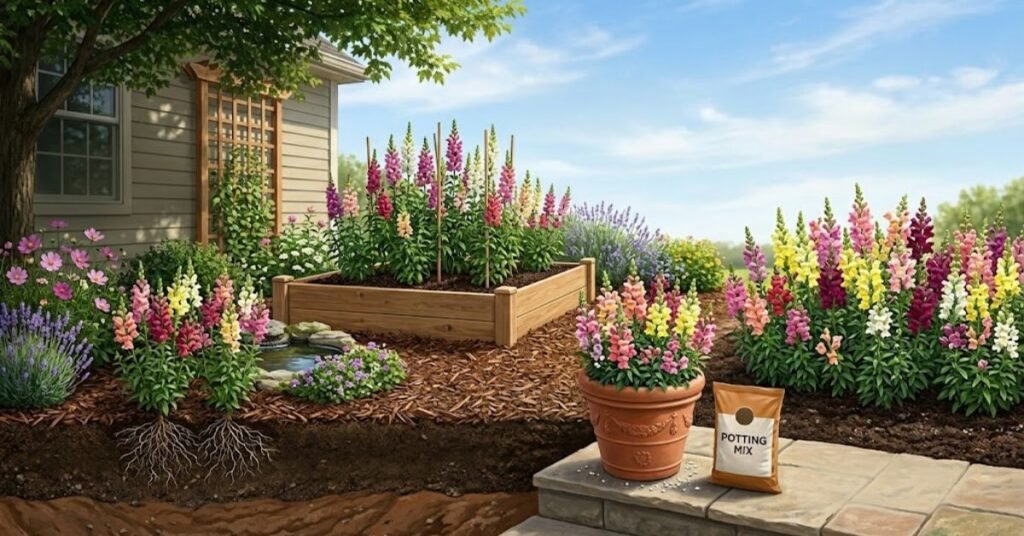
Finding the right spot in your yard is half the battle. These plants absolutely crave sunlight, but they have a complicated relationship with classic American summer heat.
In northern states like Michigan or New York, plant your dragon flower plant in a spot that gets blasted with full sun all day long. The cool northern air keeps them happy. However, if you are gardening down south in Georgia or Texas, that brutal afternoon sun will fry them by July. Down south, pick a spot that gets bright morning light but offers some afternoon shade to give the roots a break.
Choosing the Right Soil Mix
If you are planting in containers on a porch or deck, skip the cheap backyard dirt. Grab high quality, well-draining potting soil. I always mix in a few handfuls of perlite to ensure the water moves through freely. In the ground, ensure your soil isn’t heavy clay. Clay traps water, and trapped water spells death for these roots.
Personal Pro-Tip: If you live in an area with heavy clay soil, build a quick raised bed or use fabric grow bags for your dragon flower plant. It is much easier than trying to dig out and amend feet of stubborn clay.
How Often Should You Water a Dragon Flower Plant?
Watering is where most beginners trip up. You want the soil to feel like a wrung-out sponge.
When you establish a young dragon flower plant, keep the soil consistently damp. Once their root systems settle in, they become surprisingly resilient. Aim for about an inch of water a week. Soak the base of the plant thoroughly rather than giving it frequent, shallow sprinkles.
Always target the soil right at the base of the stems. If you blast the foliage with a hose or a lawn sprinkler every evening, you are practically inviting fungal diseases to move into the dense leaves.
Personal Pro-Tip: I like to mulch the base of my plants with an inch of shredded bark. This keeps the soil cool during random early-summer heatwaves and prevents water from evaporating too quickly from your potting soil.
Common Mistakes Americans Make with the Dragon Flower Plant
I see the same errors repeated every single season in backyard gardens.
- The AC Vent Trap: If you try to grow a dwarf variety of the dragon flower plant indoors, never place the pot near an active air conditioning vent. The constant blast of dry, artificial cold air saps moisture from the leaves faster than the roots can drink.
- Ignoring the Mid-Summer Slump: Many folks freak out when their plants stop blooming in late July. They think the plant is dead and rip it out. Don’t do that. They are just resting because of the heat. Keep watering them, and they will flush back out with gorgeous blooms the moment the crisp Autumn air rolls around.
- Crowding the Stems: We all want an instant jungle look, but packing these plants too close together stops air from circulating. Space them at least 6 to 12 inches apart.
Personal Pro-Tip: If your plants look ragged and completely stop blooming in August, take a pair of clean shears and cut the entire plant back by about half its height. It feels aggressive, but this encourages a massive second wave of flowers in the Fall.
Troubleshooting Your Dragon Flower Plant
Plants can’t talk, but they will tell you exactly what is wrong through their leaves.
Yellowing Leaves
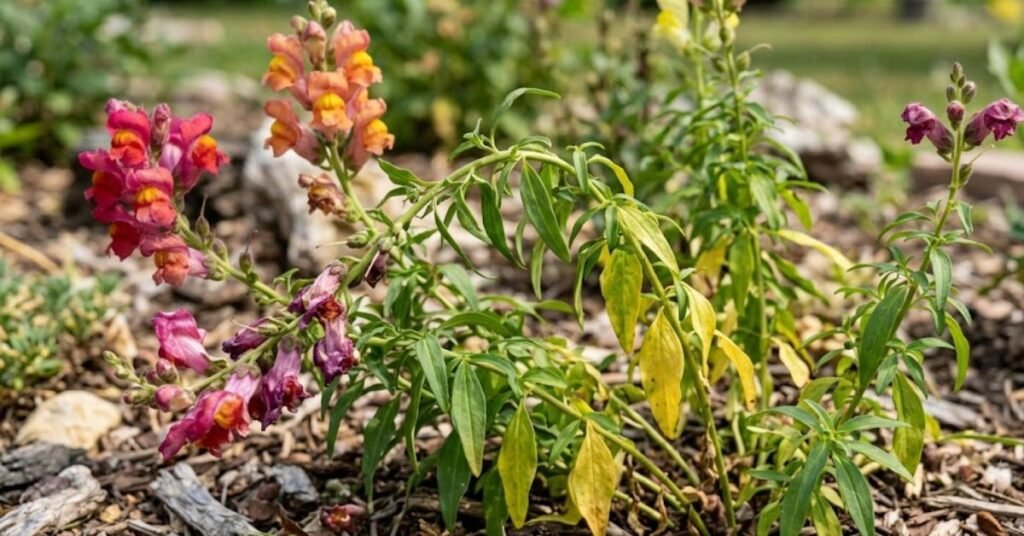
If the lower leaves turn a pale yellow and feel mushy, you are overwatering. Let the soil dry out completely before you even think about touching them with a watering can again. If the leaves are yellowing but the veins stay bright green, your soil might lack nutrients, meaning it is time for a dose of liquid fertilizer.
Brown, Crispy Tips
This is a classic sign of drought stress or sun scorch. If you notice this happening during a heatwave, increase your watering frequency or set up a temporary shade cloth to block the harsh afternoon sun.
A Fuzzy Gray Coating
This is powdery mildew or botrytis blight. It happens when leaves stay wet for too long or plants are packed together too tightly. Snip off the worst-affected areas immediately and throw them in the trash, do not compost them, or you will spread the fungus.
Toxicity Warning: Is the Dragon Flower Plant Safe for Pets?
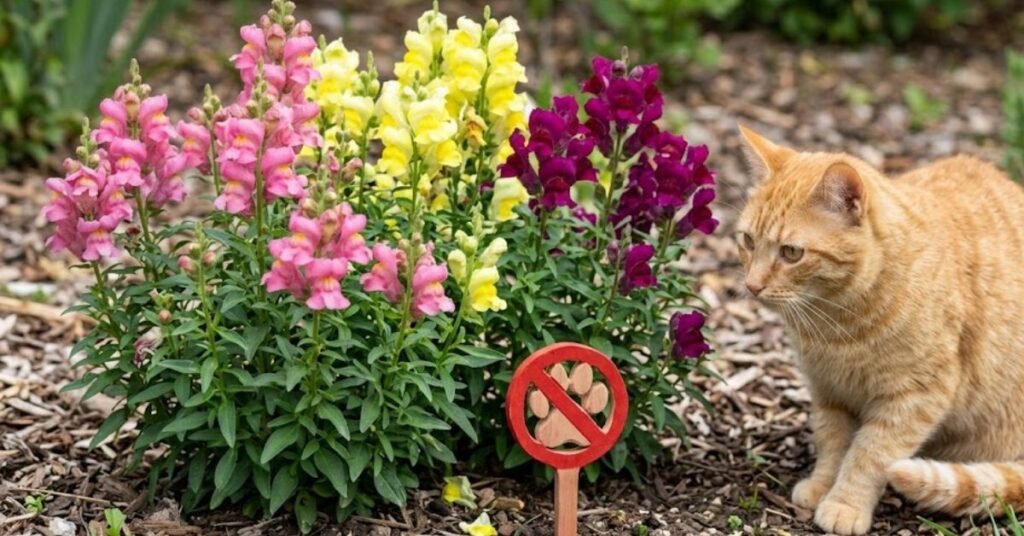
Here is some fantastic news for pet owners: the dragon flower plant is completely non-toxic to dogs and cats.
According to the ASPCA, snapdragons are safe. You do not have to worry if your curious retriever takes a nibble out of your garden bed or if your cat bats at the low-hanging blooms on your patio containers. It is one of my top recommendations for homes with furry family members.
Frequently Asked Questions
Q1: Is the dragon flower plant an annual or a perennial?
It depends entirely on where you live in the United States. In colder northern climates (USDA Zones 1 through 6), it behaves strictly as an annual that dies off with the first hard winter freeze. If you live in milder zones like parts of California, Arizona, or the deep South (Zones 7 through 11), they can survive the winter and return for a second year.
Q2: How tall do these plants actually grow?
They vary wildly depending on the specific variety you buy. Dwarf varieties only reach about 6 to 10 inches tall, making them perfect for window boxes. Medium varieties hit around 1 to 2 feet, while tall heirloom types can shoot up to 3 or 4 feet high and will require staking to keep them from flopping over in summer storms.
Q3: When should I plant them outside in the Spring?
You can plant them quite early! They love cool air and can tolerate a light, brief morning frost. As soon as your backyard soil is workable and the ground isn’t frozen solid, they can go into the garden. This is usually late March or April for most of the country.
Q4: Why are my flower stalks falling over?
This usually happens to the taller varieties when they are exposed to strong winds or heavy summer thunderstorms. Another culprit is too much shade; if the plant doesn’t get enough sunlight, the stems grow tall, weak, and “leggy” as they stretch toward the light, eventually collapsing under their own weight.
Q5: Do I need to remove old flowers to get new ones?
Yes, this process is called deadheading, and it makes a massive difference. When a flower spike finishes blooming and starts fading, snip it off down to the next set of leaves. This stops the plant from wasting energy on producing seeds and forces it to send up brand-new flower stalks.
Q6: Can I grow a dragon flower plant indoors?
You can, but it is challenging. They need an immense amount of light that standard indoor windows rarely provide. If you want to keep them inside, place them in a south-facing window or use a dedicated LED grow light running for 12 to 14 hours a day, keeping them far away from dry AC vents.
Q7: What bugs do I need to worry about?
Aphids and spider mites are the most common pests. Check the undersides of the leaves regularly. If you see tiny green bugs or fine webbing, blast the plant down with a sharp stream of water from your garden hose faucet, or spray them thoroughly with an organic insecticidal soap.
Final Thoughts
The dragon flower plant is one of the most rewarding additions you can make to your yard. They offer rich, saturated colors during the cool seasons when most other plants look dull. Give them a spot with great drainage, plenty of morning sun, and keep them clear of harsh indoor AC air or soggy garden puddles, and they will reward you with a spectacular show from Spring right through the first frost.

Amin Khalid is a professional horticulturist and the founder of LeafyWisdom. With a deep passion for home gardening and horticultural research, he specializes in providing practical, easy-to-follow care guides for indoor plants. Amin’s goal is to simplify gardening for everyone and help fellow plant lovers build their own thriving green spaces.