
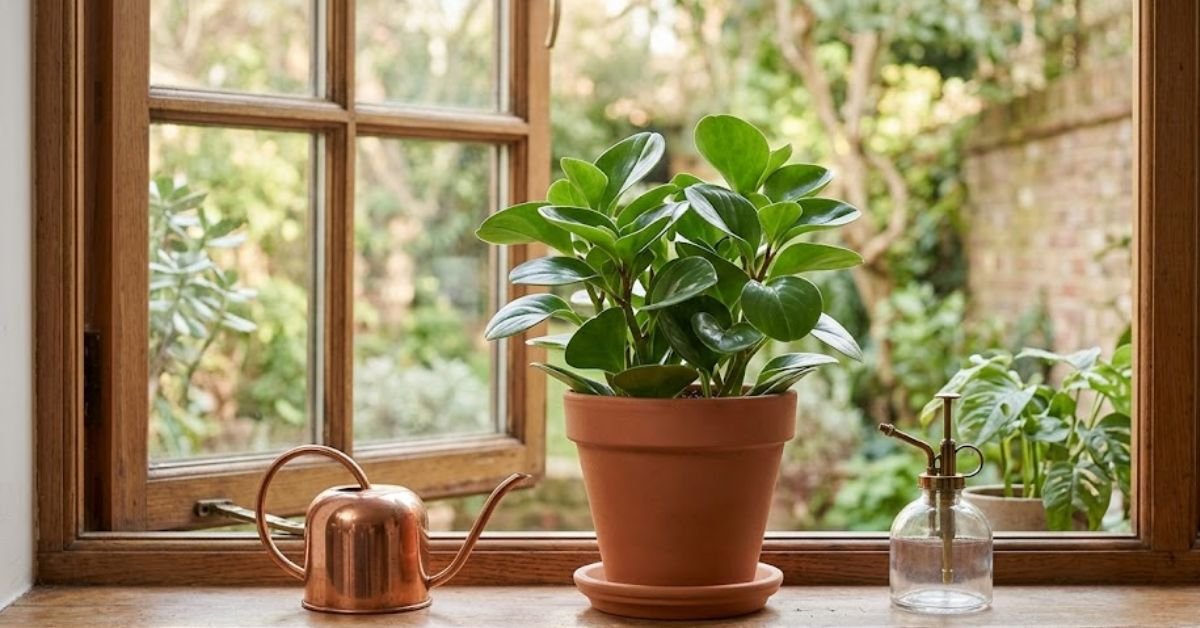
Hey there, fellow plant lover. If you’ve ever brought home a gorgeous new green companion only to watch it turn to mush a week later, you are definitely not alone. Peperomias are incredibly charming, compact, and packed with personality, but they can be a bit dramatic if you treat them like a standard, thirsty tropical houseplant. That’s why I’ve put together these essential peperomia plant care tips for beginners to help you bypass the usual guesswork. Forget the overly complicated botanical jargon. We are going to look at what actually keeps these unique beauties happy right inside a typical American home.
| Care Factor | Quick Requirement |
| Light Level | Bright, indirect sunlight (keep away from blazing hot glass) |
| Watering Strategy | Allow the top 2 inches of potting soil to dry out completely |
| Soil Blend | Chunky, highly aerated potting soil (mix with perlite or coarse bark) |
| Temperature Range | Ideal between 65°F and 80°F (keep clear of freezing AC vents) |
| USDA Hardiness Zones | Zones 10-12 (strictly kept as indoor houseplants for most of the USA) |
| Pet Toxicity | 100% safe and non-toxic for both cats and dogs |
Essential Environmental Setup and Peperomia Plant Care Tips for Beginners
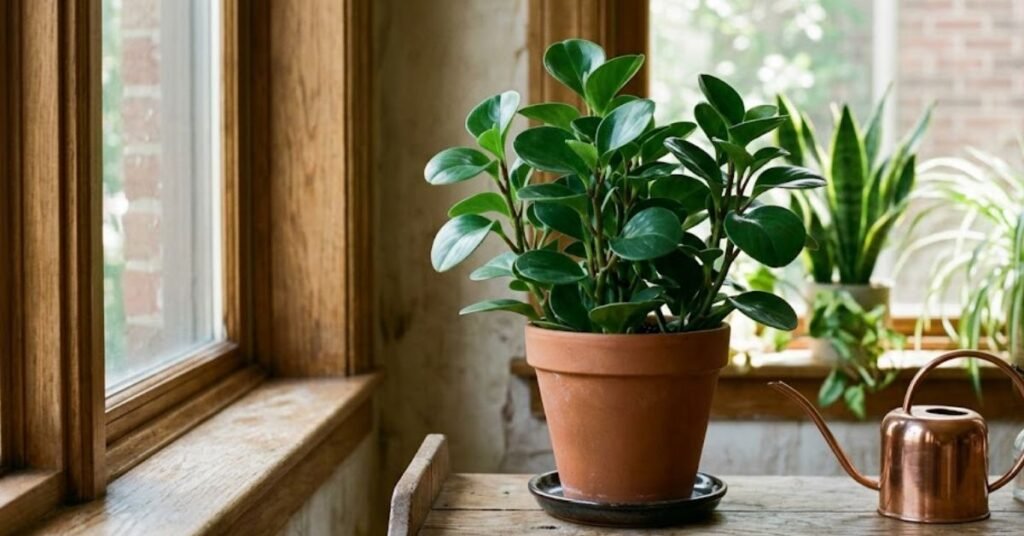
I remember my very first Peperomia. It was a little Watermelon Peperomia I picked up at a local nursery in Ohio during a crisp, chilly Fall afternoon. I brought it home, stuck it right on a drafty windowsill, and practically drowned it within two weeks. We all start somewhere.
These little green guys are native to the tropical rainforests of Central and South America, where they often grow as epiphytes nestled on tree branches. Because of this, their root systems are tiny, shallow, and absolutely obsessed with oxygen. If you treat them like a traditional, thirsty tropical houseplant, you will run into trouble fast. They give you the gorgeous, thick-leaf look of a succulent without needing desert levels of blistering sun. They are often called radiator plants because they adore warm spaces.
Modern American homes present a unique challenge. Our heavy air conditioning in the Summer and forced-air heating in the Winter create intense indoor microclimates that can shock a fresh plant.
Getting the Light Right for Your Radiator Plants
Light makes or breaks this plant. In the wild, they sit under a dense canopy of trees. They want filtered, bright indirect light. If you stick them right up against a South-facing window under the blazing July sun, their leaves will scorch, lose their color, and bleach out.
On the flip side, dark corners are a total dead end. If your home has very low natural light, you will quickly notice the stems getting long, stringy, and “leggy” as they stretch toward the nearest lamp. An East or West-facing windowsill is usually the sweet spot in most American home layouts.
Mastering the Faucet: Watering Your Peperomia
Listen to me closely: put the watering can down. The number one killer of these plants in the US is over-enthusiastic watering. Because their leaves store moisture, they do not need a constantly wet root zone.
You need to let the potting soil dry out significantly. I wait until the top two inches of the soil feel completely dry almost like dust before I even consider taking the pot to the kitchen faucet. When you do water, soak it thoroughly until water pours out of the bottom drainage holes, then empty the saucer completely. Never let it sit in a pool of standing water.
In the chilly Fall and Winter months, cut your watering frequency in half. The plant’s growth naturally slows down, and cold, soggy soil is a fast track to fungal issues.
Personal Pro-Tip: Use the “taco test.” Gently squeeze the sides of a lower leaf between your fingers. If it feels stiff and rigid, the plant is hydrated. If it bends easily like a soft corn taco shell, it is finally ready for a drink.
Common Mistakes: Why Many Americans Fail with Peperomia Plant Care Tips for Beginners
We live in comfortable, climate-controlled environments, but our indoor foliage doesn’t always love our HVAC settings. The biggest trap I see beginner gardeners fall into is placing their pots directly in the line of fire of an air conditioning vent. That icy blast mimics a sudden frost, causing healthy leaves to drop without warning.
Another classic blunder is using standard, heavy backyard dirt or dense container soil without adding drainage elements. Peperomias need a loose, chunky potting soil. If the mix stays muddy for over a week after watering, your roots are suffocating.
Finally, using freezing cold water straight from the faucet can shock the delicate, shallow root system.
Personal Pro-Tip: Always let your tap water sit out in a pitcher overnight. This brings it perfectly to room temperature and allows some of standard municipal treatment chemicals to dissipate before you pour it.
Troubleshooting Sick Plants with Peperomia Plant Care Tips for Beginners
When things go sideways, your plant will talk to you through its foliage. Let’s decode what those structural changes mean so you can fix them immediately.
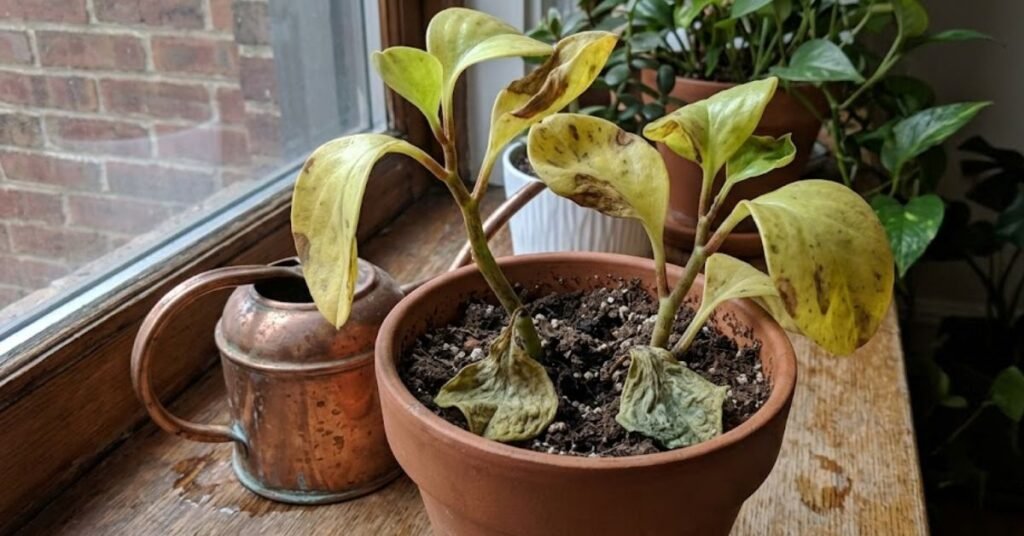
- Yellow Leaves and Mushy Stems: This is the classic signature of overwatering. If the soil is soaking wet, slip the plant out of its pot and check the roots. If they look black and slimy instead of white and firm, you have root rot. Cut away the dead roots and repot into fresh, dry potting soil.
- Crispy Brown Leaf Tips: This usually points to low humidity or underwatering. While they tolerate average home air well, our winter heating systems dry things out terribly.
- Dull, Faded Foliage: If your variegated plant is losing its beautiful marbling or turning a pale, solid green, it is starving for light. Move it closer to a bright window.
Personal Pro-Tip: If your home gets super dry in the winter due to forced-air heat, place your pot on a tray filled with pebbles and water. Just make sure the bottom of the pot sits securely on top of the dry rocks, not directly submerged in the water.
Toxicity Warning: Are Peperomias Safe for Your Pets?
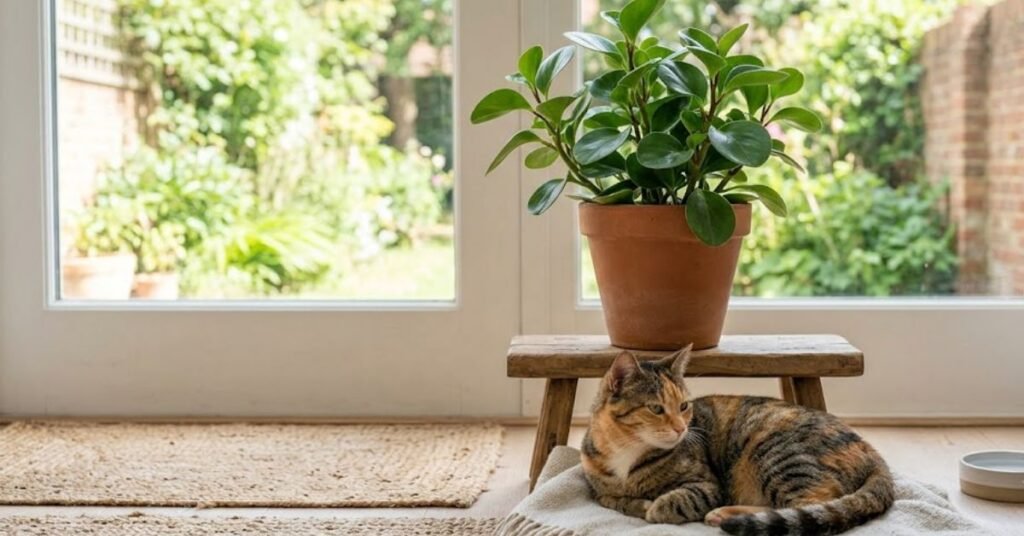
Here is some fantastic news for pet parents across the country. The ASPCA classifies the entire Peperomia genus as completely non-toxic to cats and dogs.
If your curious cat decides to take a bite out of a trailing String of Turtles, or your dog knocks over a Ripple Peperomia, you do not need to panic or rush to the emergency vet. They might get a minor upset stomach from consuming raw plant matter, but it contains no dangerous toxins or harmful calcium oxalate crystals like pothos or philodendrons do.
Personal Pro-Tip: Even though they are safe, I still keep my trailing varieties on high shelves or hanging baskets. Cats find those cascading strings completely irresistible as toys, and a playful swat can break the fragile stems!
FAQs on Peperomia Plant Care Tips for Beginners
Q1: How fast do Peperomia plants grow?
They are generally slow to moderate growers. Do not expect them to explode overnight. In my experience, varieties like the Baby Rubber Plant move a bit faster during the Spring growing season, but they remain wonderfully compact, rarely exceeding a foot or two in height. This makes them perfect for desk spaces.
Q2: Can I grow Peperomia outdoors in the United States?
Yes, but only if you live in USDA Hardiness Zones 10 through 12. Think Southern Florida, parts of Southern California, or Hawaii. For the rest of us, they must be kept indoors. However, you can absolutely move them to a shaded porch during the hot Summer months once nighttime temperatures stay reliably above 60°F.
Q3: Do I need to fertilize my Peperomia?
They are very light feeders. I give mine a diluted, half-strength liquid houseplant fertilizer once a month during the active Spring and Summer months. Skip the food entirely during the Fall and Winter when the plant goes semi-dormant.
Q4: Why is my Peperomia dropping green leaves?
Sudden leaf drop of healthy green leaves usually indicates an environmental shock. Check for cold drafts from windows or direct air currents from your HVAC vents. It can also happen if you suddenly move the plant from a very dark room to bright light without an adjustment period.
Q5: What is the best potting soil for these plants?
Look for a high-quality potting soil mix and amend it yourself. I like to blend 2 parts standard houseplant soil with 1 part perlite and a big handful of orchid bark. This keeps the mix loose, chunky, and packed with air pockets.
Q6: How do I propagate a Peperomia?
They are incredibly easy to multiply! You can take a stem cutting with a couple of leaves attached and pop it directly into a small jar of filtered water. Within a few weeks, you will see roots sprout from the nodes. Once the roots are an inch long, plant it back into a small pot with fresh potting soil.
Q7: How do I know if my Peperomia needs a bigger pot?
Because their root systems are so shallow and compact, they actually prefer being slightly root-bound. You only need to repot them every two to three years just to refresh the old soil nutrients. If you see roots densely swirling around the bottom drainage holes, go up exactly one pot size.
Personal Pro-Tip: When choosing a new pot, avoid giant leaps. Moving a plant from a 4-inch pot straight into an 8-inch pot leaves too much empty soil that holds onto water, which invites root rot. Only go up 1 to 2 inches in diameter at most.
My Final Thoughts on Keeping Radiator Plants Happy
Growing these quirky little plants has been one of the most rewarding parts of my indoor gardening journey. They pack a massive visual punch with zero high-maintenance drama. Just remember the golden rule: when in doubt, leave it alone. Let the potting soil dry out, protect it from your AC vents, give it plenty of bright indirect light, and you will have a stunning, healthy companion for years to come.
Personal Pro-Tip: Pick up a cheap wooden chopstick and push it down into the soil before you water. If it comes up with dark soil sticking to it, like a freshly baked cake, hold off on the water. If it comes out clean and dry, it’s safe to give your plant a drink.

Amin Khalid is a professional horticulturist and the founder of LeafyWisdom. With a deep passion for home gardening and horticultural research, he specializes in providing practical, easy-to-follow care guides for indoor plants. Amin’s goal is to simplify gardening for everyone and help fellow plant lovers build their own thriving green spaces.