Day: May 27, 2026

  • The Real Talk Guide to Raising a Healthy Travel Palm Plant

    The Real Talk Guide to Raising a Healthy Travel Palm Plant

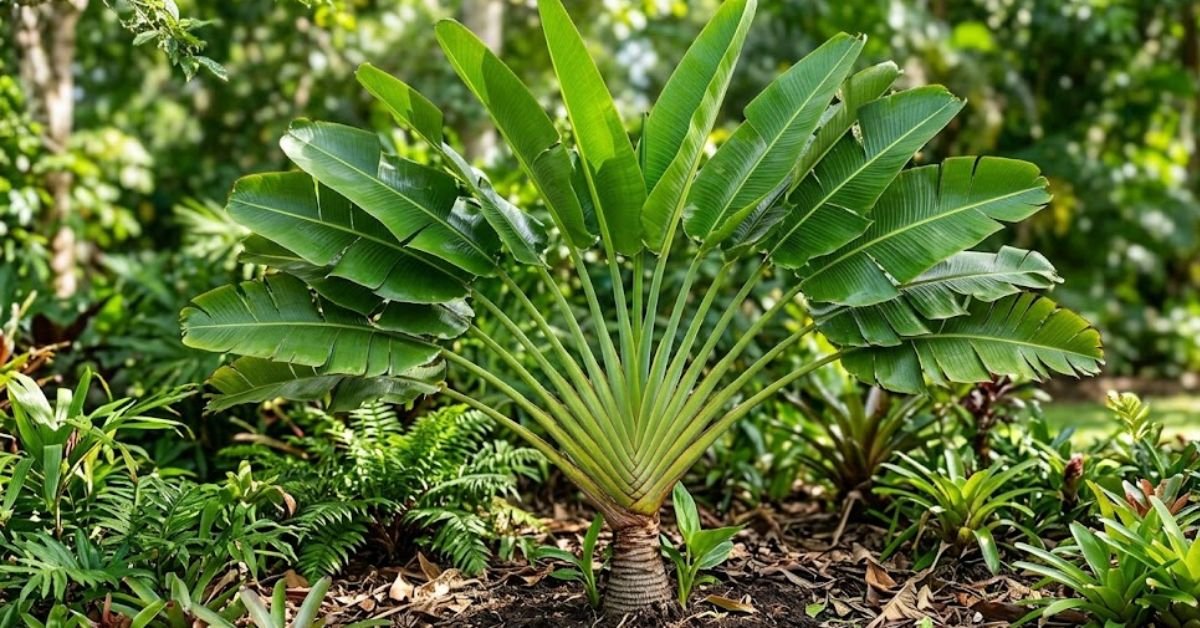
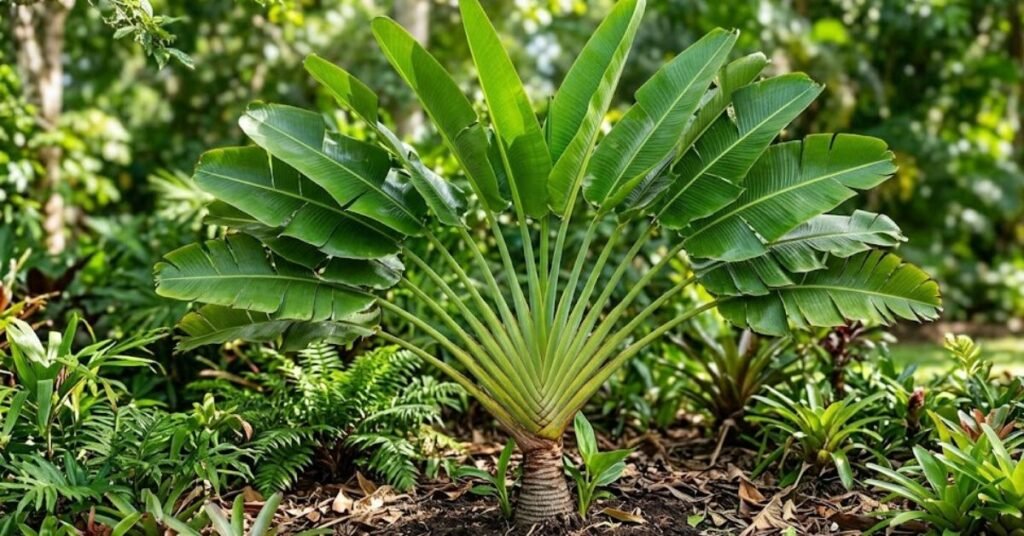
    I have grown everything from tiny desert succulents to towering tropical trees over my fifteen years in horticulture, and few things stop visitors in their tracks like a travel palm plant. Its dramatic, architectural layout looks like a massive living piece of mid-century modern art.

    But let’s clarify something right out of the gate: it isn’t an actual palm tree.

    Botanically, it is known as Ravenala madagascariensis, making it a close relative of the banana plant and the bird of paradise family. It earned its common nickname because its cupped stem bases collect rainwater, which weary travelers could theoretically drink in an emergency.

    If you just brought one home from your local greenhouse, you need to understand its distinct quirks before your indoor environment throws it for a loop. Let’s look at exactly how to keep this tropical giant happy in an American home.

    The Travel Palm Plant Quick Care Guide

    For the skimmers who want the core requirements fast, here is the baseline routine to keep your plant alive.

    Care ComponentThe Practical Requirement
    SunlightBlazing bright light. Direct sun is ideal.
    Watering RoutineKeep it evenly moist during warm seasons; let it dry out more in winter.
    Growing MediumLoose, chunkier indoor potting soil with great drainage.
    Outdoor HardinessUSDA Zones 10 and 11 only. Protect from freezes.
    HVAC SensitivityIntolerant of icy AC vents or dry heating registers.
    Pet SafetyMildly toxic to cats and dogs due to gastrointestinal irritants.

    Personal Pro-Tip: Do not buy this plant if your home only has small, dim windows or if you live in a dark basement apartment. I have tried to sustain them with basic grow lights in dim rooms, and they quickly grow weak, pale, and lose their signature symmetry. It requires real, intense daylight.

    Demystifying Light Requirements for Your Travel Palm Plant
    Demystifying Light Requirements for Your Travel Palm Plant
    Demystifying Light Requirements for Your Travel Palm Plant

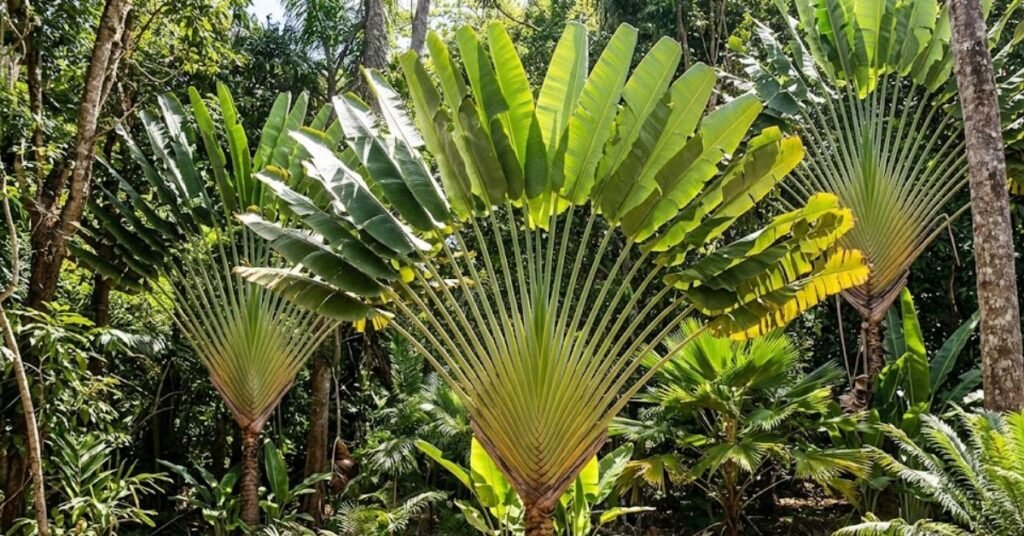
    If you live down in Miami, Key West, or parts of Southern California (USDA Hardiness Zones 10 and 11), you can drop this beast right into your front yard soil. It wants raw, unadulterated sunshine to build its signature fan.

    But for the rest of us across the country keeping it inside, light is a non-negotiable currency.

    You cannot hide a travel palm plant in a dark corner of your living room. Put it directly in front of your sunniest southern or western window. It needs several hours of bright, direct exposure to produce the energy required to support those massive green sails.

    [Window / Solar Source] —> [Place Your Travel Palm Plant Right Here]

    Personal Pro-Tip: These broad leaves act like giant solar panels. In my time cultivating them, I’ve noticed they collect a layer of household dust incredibly fast. Every few weeks, grab a microfiber cloth, get it damp under the kitchen faucet, and wipe down both sides of the leaves. It instantly improves their ability to process light.

    How Much Water Does a Travel Palm Plant Actually Need?

    People see those lush, jungle-like leaves and instantly start drowning the pot. That is a fast track to disaster.

    Yes, it loves consistent moisture during its active Spring and summer growth spurts, but its roots need oxygen just as much as water. I never water on a strict calendar schedule. Instead, shove your finger a few inches deep into the potting soil. If it feels dry and dusty, take the container to the sink or use a watering can to soak it until water streams out of the bottom drainage holes.

    Why Your Central AC is a Nightmare for Travel Palm Plant Care

    Our standard American climate control setups are brutal on tropical imports. Central air conditioning cools our rooms but sucks out the moisture, creating cold, dry drafts.

    If your travel palm plant sits right in the path of an AC vent, the leaves will react by curling inward or getting incredibly crisp on the edges. Keep the room at a steady temperature above 65°F and away from the direct line of fire of your HVAC system.

    Personal Pro-Tip: When Fall approaches and the days shorten, the plant naturally enters a slower rest period. Cut your watering frequency in half during these cooler months. The potting soil stays wet much longer when the plant isn’t actively pushing out new growth.

    The Most Frequent Mistakes Americans Make with This Dramatic Greenery
    The Most Frequent Mistakes Americans Make with This Dramatic Greenery
    The Most Frequent Mistakes Americans Make with This Dramatic Greenery

    We tend to love our indoor plants to death by fussing over them constantly.

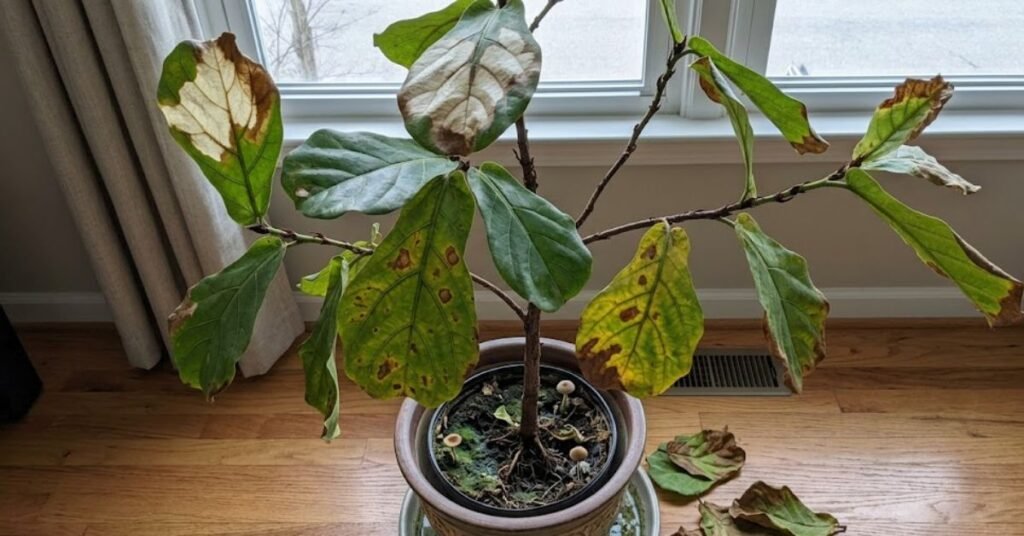
    The biggest mistake I encounter is using containers without drainage holes. If water accumulates at the bottom of the pot with nowhere to go, the roots liquefy. Always use a pot that drains freely.

    Another major blunder is using heavy backyard dirt or dense outdoor compost for an indoor container. It creates a compacted mess that suffocates the root system. Buy a bag of high-quality indoor potting soil and mix in a few handfuls of perlite to keep things loose and fluffy.

    Personal Pro-Tip: These guys get top-heavy as they scale up. Skip the cheap, flimsy plastic pots. Go for a heavy ceramic or terra-cotta container. It provides a sturdy anchor so a passing dog or a stiff breeze from an open window won’t send the whole thing crashing to the floor.

    Troubleshooting Your Travel Palm Plant: Leaf Issues Solved

    When things go wrong, the foliage tells the story. You just have to learn the language.

    Yellowing Fronds

    If you notice the bottom-most leaves turning completely yellow, don’t panic immediately. Old leaves naturally die off as the plant builds new ones at the top. But if multiple leaves turn yellow simultaneously and feel limp or mushy, you are overwatering. Let the potting soil dry out completely before you even think about touching the faucet again.

    Crispy Brown Tips

    This usually stems from low humidity or chemical sensitivities. Many municipal water systems treat tap water with heavy chlorine and minerals. If your leaf tips look toasted, try filling your watering can and letting it sit on your counter overnight before pouring it in. This lets some of the harsh elements dissipate naturally.

    Personal Pro-Tip: Don’t let ugly, dead leaves drain the plant’s energy. Take a clean, sharp pair of garden shears and clip the ruined stem off right at the base of the trunk. It cleans up the aesthetic instantly and lets the plant focus on its fresh, emerging center spears.

    Is the Travel Palm Plant Safe Around Your Dogs and Cats?
    The Real Talk Guide to Raising a Healthy Travel Palm
    The Real Talk Guide to Raising a Healthy Travel Palm

    This is crucial for pet parents. The travel palm plant contains mild toxic properties similar to the bird of paradise family.

    If your cat or dog decides to use the leaves as a chew toy, the sap can cause oral irritation, excessive drooling, vomiting, and an upset stomach. It isn’t typically deadly, but it makes for a miserable pet and an expensive vet bill. Keep it out of reach of curious chewers, perhaps tucked behind a heavy piece of furniture or up on a sturdy plant riser.

    Personal Pro-Tip: If you have an adventurous pet, spray the lower stems with a pet-safe bitter apple spray. One taste of that stuff and they will usually leave your greenery completely alone.

    Frequently Asked Questions About the Travel Palm Plant

    Q1. Can I grow this plant in a room with only north-facing windows?

    It will struggle. A north-facing window rarely provides the intense energy this plant requires. It might survive for a while, but it will grow weak, leggy, and lose its iconic fan layout over time.

    Q2. Why are the new leaves on my plant splitting?

    In nature, these splits are an evolutionary feature. They let high winds pass through the massive leaves without snapping the entire stem. Indoors, minor splitting is completely normal, but excessive tears mean a draft from a ceiling fan or AC vent is hitting it too hard.

    Q3. How do I get my indoor plant to flower?

    Realistically, you probably won’t. While they produce stunning cream-colored flowers outdoors in tropical climates like Zone 11, they rarely flower inside a typical home due to the lack of intense, all-day solar heat.

    Q4. What is the best way to propagate a travel palm plant?

    You can’t do it from a single leaf cutting. You have to wait until the mature parent plant produces small offsets, or “pups,” at the base of its root system during the Spring. You can carefully slice these away during a repotting session.

    Q5. Why is the center spear refusing to open up?

    This usually happens when the indoor air is too dry. The leaf gets stuck to itself. You can help it by wrapping a warm, wet towel around the tight spear for a few minutes to soften the exterior layer, allowing it to unfurl naturally.

    Q6. How often should I apply fertilizer?

    Only feed it during its active growing phase from Spring to late summer. Use a standard liquid houseplant fertilizer diluted to half-strength once a month. Completely skip the food during late Fall and winter.

    Q7. Can I put my indoor pot outside on the patio for the summer?

    Yes, but take it slow. If you move it straight from a dim living room into burning July sun, the leaves will scorch and turn white. Put it in deep shade for a few days first, gradually moving it into brighter spots over a week or two.

    Final Thoughts

    Growing a travel palm plant successfully comes down to patience and restraint. Don’t over-manage it with endless water, give it a massive window with plenty of daylight, keep it away from the AC breeze, and let its spectacular architecture do the talking.

  • The No-Nonsense Guide to Keeping Freshwater Aquarium Plants Alive

    The No-Nonsense Guide to Keeping Freshwater Aquarium Plants Alive

    Most online guides about freshwater aquarium plants read like dusty, 1980s biology textbooks. It’s dry. It makes you feel like you need a PhD in water chemistry just to keep a single green leaf from dissolving into brown goo.

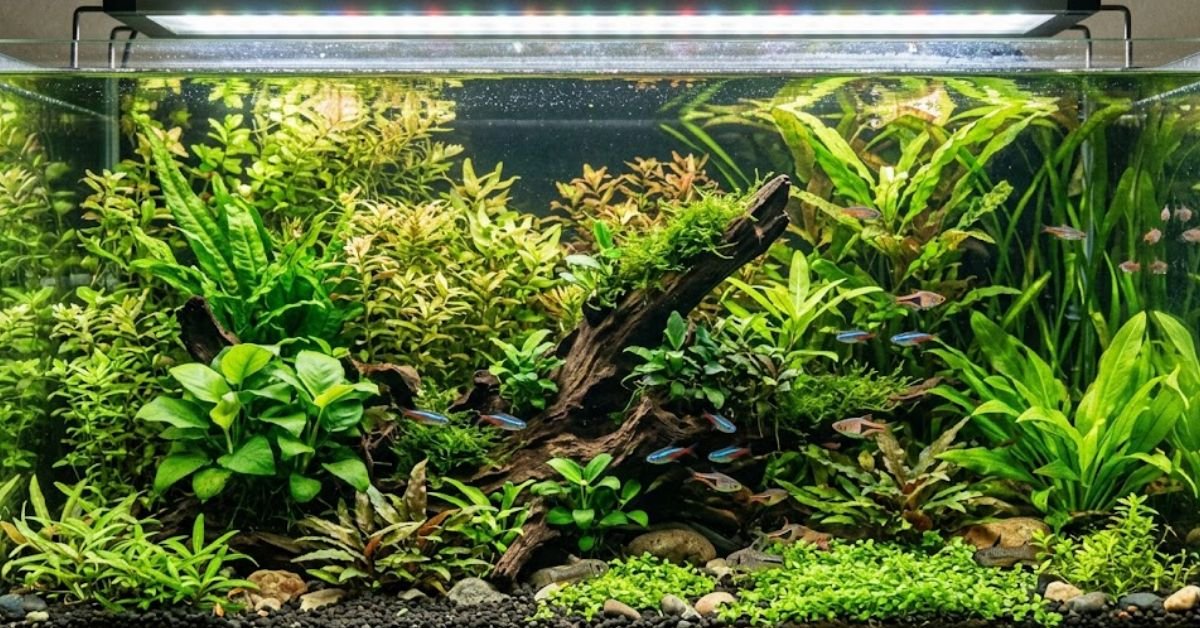
    Look, I spent years managing commercial greenhouses across the US before I finally got hooked on underwater aquascaping. Here is the honest truth: keeping freshwater aquarium plants healthy isn’t rocket science. It is just indoor gardening with a lot more water. You don’t need fancy CO2 injectors or complex, expensive setups to start. You just need to know how these aquatic ecosystems react to your typical home environment, your local tap water, and your lighting schedule. Let’s cut through the internet jargon and talk about how to actually make your tank look incredible without losing your sanity.

    Quick Care Reference for Common Freshwater Aquarium Plants

    Plant NameTank PlacementLight Level RequiredNeeds CO2 Injection?Best For
    Java FernAttached to rocks or woodLowNoAbsolute Beginners
    Anubias NanaForeground / MidgroundLowNoLow-maintenance setups
    Amazon SwordBackground CenterpieceModerateNo (needs root tabs)Filling large open spaces
    HornwortFloating or RootedLow to HighNoCleaning water / Fighting Algae
    VallisneriaBackgroundModerateNoCreating a tall grass wall

    Personal Pro-Tip

    Never bury the horizontal green stem (the rhizome) of your Java Fern or Anubias directly into the sand or gravel. If you bury it, the plant will rot and die within two weeks. Use a tiny drop of gel superglue or some sewing thread to attach it to a piece of driftwood or Texas holey rock instead.

    Why My First Batch of Freshwater Aquarium Plants Melted

    Why My First Batch of Freshwater Aquarium Plants Melted

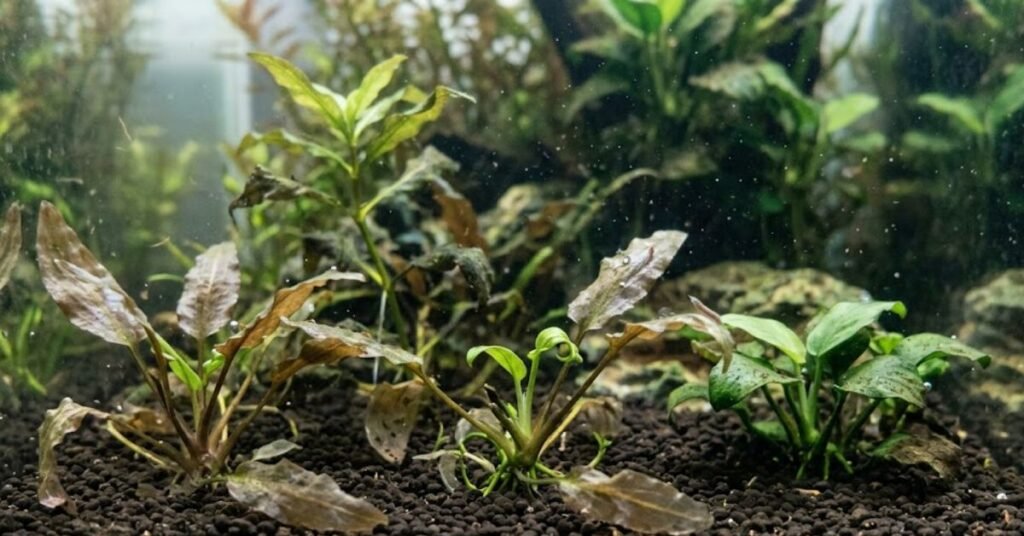
    Most commercial nurseries grow freshwater aquarium plants immersed meaning their roots are underwater but their leaves are up in the open air. This allows them to grow incredibly fast and stay free of algae before they ship out to your local store. When you drop them completely underwater in your home tank, they panic. They drop their air-breathing leaves to grow completely new, submersed leaves.

    If your new purchases look like they are dying, don’t throw them out yet. Give them a few weeks. The roots are usually perfectly fine, and you’ll quickly see tiny, vibrant green shoots starting to pop out from the center.

    Personal Pro-Tip

    When buying new greenery from a local shop, gently squeeze the base of the stems. If it feels firm, the plant is healthy and will bounce back from the inevitable transition melt. If it feels like soggy paper towels, leave it in the store tank.

    Essential Gear for Keeping Freshwater Aquarium Plants Healthy

    Growing greenery underwater isn’t magic. It just requires you to find a steady balance between light, nutrients, and your water quality.

    Choosing the Right Substrate: Can You Use Organic Potting Soil?

    In traditional backyard gardening, we think of soil as the end-all-be-all. In the aquarium hobby, many folks default to plain aquarium sand or gravel. While sand looks incredibly clean, it has zero nutritional value for heavy root-feeders like Crypts or Swords.

    You have options. You can use expensive specialized aquasoil, or you can go old-school with the “Walstad Method.” This involves using a one-inch base layer of cheap organic potting soil capped with an inch of pool filter sand. I’ve used this exact method in my home tanks during the Spring setup season, and the growth is explosive. Just make sure the potting soil has no chemical fertilizers or vermiculite, which floats to the top and creates a massive headache.

    Personal Pro-Tip

    If you already have an established tank with plain gravel, don’t tear it apart to add soil. Just slide a few aquarium root fertilizer tabs deep into the gravel right next to your heavy feeders every three months. It gives them the exact same boost without the mess of dirt.

    Faucet Water vs. Ideal Water Parameters

    Let’s talk about what comes out of your kitchen faucet. Depending on where you live in the US, your city water might be heavily chlorinated or filled with chloramines. Always use a high-quality water conditioner before letting it touch your tank.

    Another massive hidden factor is your home’s climate control. During the scorching summer months, heavy air conditioning units kick on. This cools down the ambient room temperature, which can cause your tank water to evaporate much faster than usual. When water evaporates, it leaves behind heavy minerals, making your tank water harder. Keep an eye on your water line and top off with distilled water to keep parameters stable.

    Personal Pro-Tip

    I keep a five-gallon bucket of conditioned water sitting in my laundry room for 24 hours before a water change. This lets the water reach ambient room temperature naturally so I don’t shock my tropical plants with an icy blast straight from the faucet.

    Cultivating Popular Freshwater Aquarium Plants in US Homes

    Cultivating Popular Freshwater Aquarium Plants in US Homes
    Cultivating Popular Freshwater Aquarium Plants in US Homes

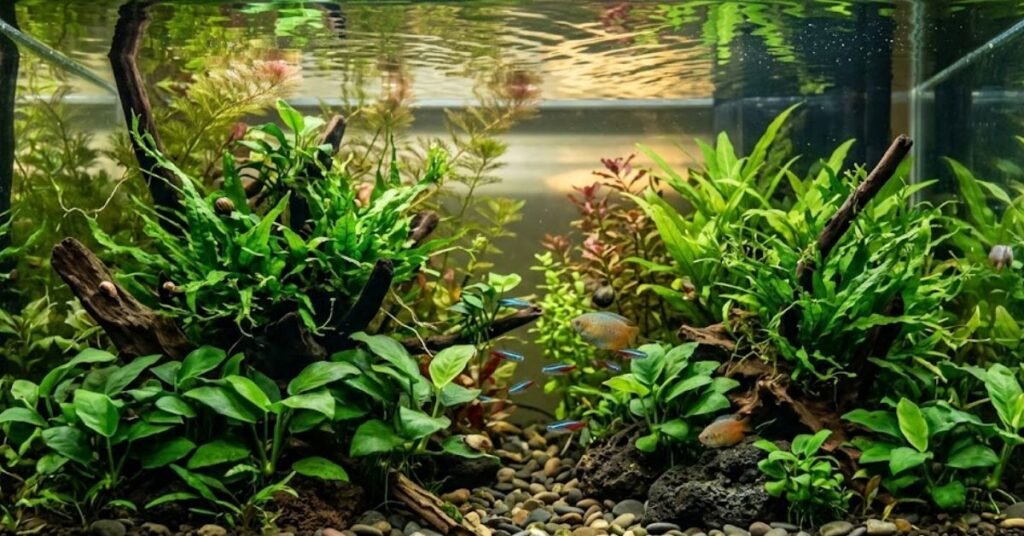
    Let’s look at a few bulletproof options that will flourish in almost any standard American home aquarium setup.

    • Java Moss: This stuff is practically indestructible. It loves low light and will attach itself to literally anything. If you have baby shrimp or fish fry, this provides the ultimate hiding spot.
    • Amazon Sword: The ultimate background centerpiece. Give it plenty of room because it can easily grow up to twenty inches tall. It needs plenty of iron, so if the leaves look pale, hook it up with an extra root tab.
    • Hornwort: A floating machine. Fun fact: Hornwort is native to North America and is so hardy that it can survive outdoors down to USDA Hardiness Zone 5 in backyard ponds over winter. Indoors, it acts like a sponge for fish waste, keeping your water incredibly clean.

    Personal Pro-Tip

    When trimming your stem freshwater aquarium plants, don’t throw away the tops you cut off. Simply push the cut ends back into the substrate. They will grow brand new root systems, giving you free plants for life.

    Common Mistakes Americans Make with Aquatic Greenery

    Why do so many indoor gardeners fail when trying to grow freshwater aquarium plants? The answers are usually pretty simple.

    First, people treat their aquarium lights like living room lamps. They leave them turned on for 14 hours a day because they want to look at the fish. All that excess light does is trigger a catastrophic explosion of green hair algae. Your plants can’t utilize that much light, but algae absolutely will. Stick to a solid 6 to 8 hours of light per day. Buy a cheap digital outlet timer from the hardware store to automate it.

    Second, folks blast their home air conditioning vents directly onto the top of an open-top aquarium. This creates cold spots in the water and causes wild temperature swings that cause delicate species like Cryptocorynes to melt into mush overnight. Keep your tanks away from HVAC registers.

    Personal Pro-Tip

    If you are battling algae, don’t rush out to buy chemical algaecides. They often harm sensitive freshwater aquarium plants like Vallisneria. Instead, cut your daily lighting period down to 5 hours for a week and do a manual cleanup with an old toothbrush.

    Troubleshooting Sick Freshwater Aquarium Plants

    When your underwater garden starts acting up, it speaks to you through its leaves. You just have to learn the language.

    • Holes in Old Leaves: This is a classic sign of a potassium deficiency. Your plants are literally starving for macronutrients. Grab a bottle of all-in-one liquid aquarium fertilizer and dose the water column weekly.
    • Yellowing New Leaves: This usually means an iron deficiency. It’s incredibly common in areas with soft municipal water.
    • Stems Rotting at the Base: The plant isn’t getting enough light at the bottom, or the substrate is packed too tightly, suffocating the roots. Thin out your plant groupings so light can reach the lower portions of the stems.

    Personal Pro-Tip

    Keep a dedicated pair of long curved aquarium scissors handy. Whenever you see a leaf starting to rot, snip it off immediately at the base. Dead leaves waste the plant’s energy and pollute your water as they decay.

    Are These Freshwater Aquarium Plants Safe for Your Cats and Dogs?

    Are These Freshwater Aquarium Plants Safe for Your Cats and Dogs
    Are These Freshwater Aquarium Plants Safe for Your Cats and Dogs

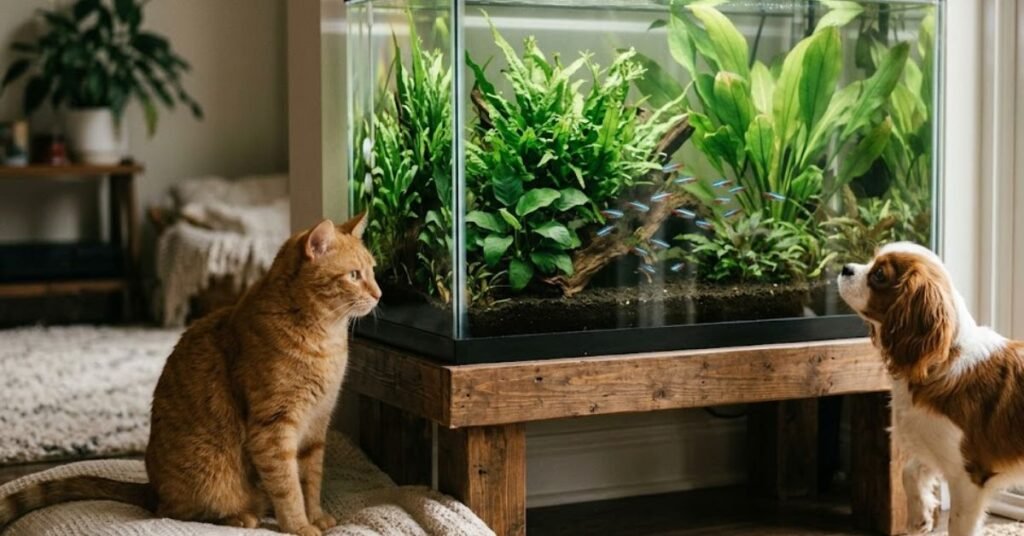
    As pet owners, we worry about what our furry friends chew on. Many popular houseplants like Pothos are toxic to pets. Fortunately, the most popular freshwater aquarium plants including Java Fern, Anubias, Amazon Swords, and Java Moss are completely non-toxic to cats and dogs.

    However, watch out for floating plants like Water Lettuce if your cat likes to dip its paws in the tank water. Water Lettuce contains calcium oxalate crystals, which can cause intense mouth irritation if chewed on by an inquisitive pet.

    Personal Pro-Tip

    If you use a rimless, open-top tank, cats will view it as a giant, delicious water bowl. Use a tight-fitting glass canopy. It keeps your curious pets safe from eating the vegetation and stops your fish from jumping out when the AC kicks on.

    FAQs About Freshwater Aquarium Plants

    Q1Do freshwater aquarium plants need carbon dioxide (CO2) injection systems?

    No, most beginner options do perfectly fine without expensive CO2 setups. They simply absorb the ambient CO2 produced by your fish and surface agitation. High-tech systems are only necessary if you want to grow difficult carpeting plants or intense red variants.

    Q2Can I use regular garden fertilizer for my aquatic plants?

    Absolutely not. Terrestrial fertilizers contain massive amounts of urea and phosphates. If you put that in your fish tank, you will cause a toxic ammonia spike that can wipe out your fish population and trigger a massive algae bloom. Always use fertilizers specifically formulated for aquariums.

    Q3Why are my new plants losing all their leaves?

    They are likely going through the common transition phase called “melting.” Give them two to three weeks to adapt to your specific water chemistry, and you should see healthy new submersed growth emerging.

    Q4How many hours of light do freshwater aquarium plants need each day?

    A sweet spot for a low-tech tank is between 6 and 8 hours of consistent light. Anything more than that usually leads to a major battle with green algae. Use a cheap digital timer to keep the schedule precise.

    Q5Can I plant freshwater aquarium plants in plain aquarium sand?

    Yes, but since sand contains no nutrients, you must supplement heavy root-feeding species with root fertilizer tabs every few months to prevent them from starving.

    Q6Do I need to clean new plants before putting them in my tank?

    Yes. New plants can carry hitchhikers like pest snail eggs, parasites, or unwanted algae. I always give my new purchases a quick dip in a diluted bleach solution (1 part bleach to 20 parts water) for two minutes, followed by a thorough rinse in conditioned water before adding them to my main tank.

    Q7Why are the leaves on my Amazon Sword turning completely see-through?

    Transparent or translucent leaves mean the plant is literally starving to death from a lack of nutrients, usually iron or nitrogen. Shove a root tab directly beneath its root system immediately.

    Final Thoughts

    Building a lush, green underwater world takes a little patience, but it isn’t the rocket science people make it out to be. Focus on easy, low-tech options first, keep your lighting schedule under control, and don’t panic when your new purchases go through a temporary melt. Treat your tank like a living ecosystem, and you’ll be amazed at how quickly it transforms your living room.