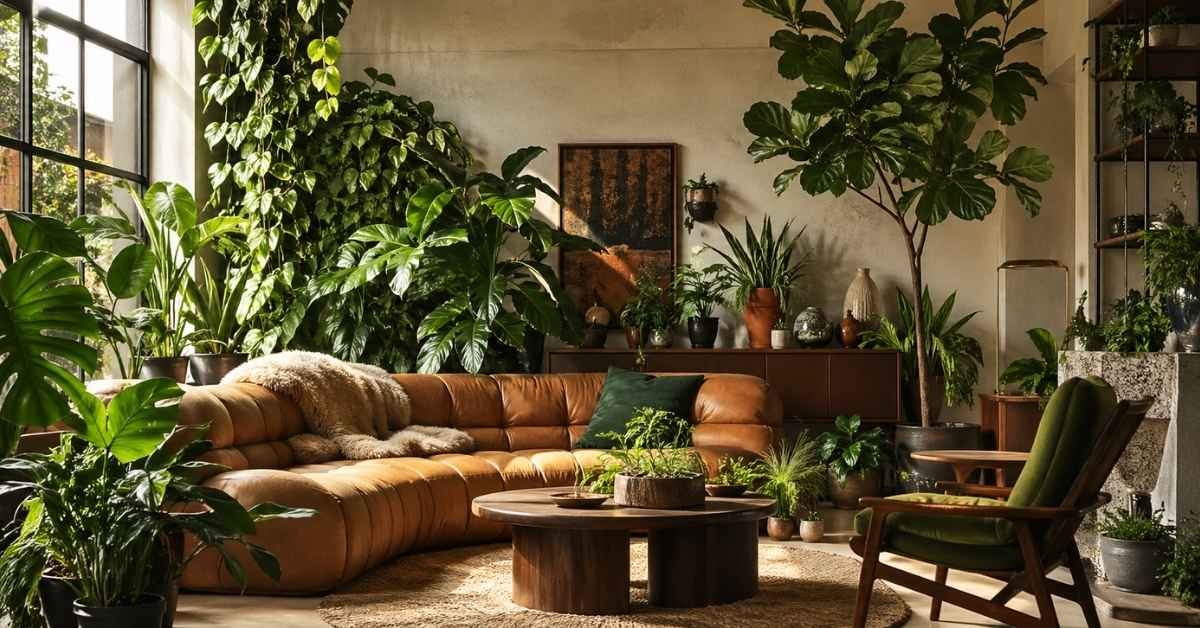
I’ve spent the last years with dirt under my fingernails, helping folks across the country turn sterile, white-walled living rooms into thriving, vibrant ecosystems. If you’re tired of the “sad beige” minimalist look and want to embrace the “more is more” philosophy, you’re in the right place. Learning how to style a maximalist indoor jungle isn’t just about buying every plant at the local garden center; it’s about creating a curated, lush explosion of life that actually survives your home’s HVAC system.
In my time consulting for homes from the humid South to the dry Southwest, I’ve seen that the biggest hurdle isn’t a lack of space—it’s a lack of strategy. Most people think they can just shove a bunch of pots in a corner and call it a day. But to really master how to style a maximalist indoor jungle, you need to think like a designer and act like a botanist. We’re talking about layering textures, managing the drying effects of American air conditioning, and choosing the right potting soil to ensure your “jungle” doesn’t turn into a graveyard by Fall.
Personal Pro-Tip
Before you bring a single new plant home, grab a cheap hygrometer from the hardware store. Most US homes sit at about 30% humidity because of our heating and cooling systems, but a true maximalist jungle needs at least 50% to stay lush. Knowing your baseline is the first step to success.
Quick Care Guide for Your Maximalist Jungle
| Feature | Requirement | Expert Note |
| Light | Bright Indirect (mostly) | West/South windows are gold in US homes. |
| Water | Varies by species | Use the “finger test” before hitting the faucet. |
| Humidity | 50% – 70% | Essential when the AC or heater is running. |
| Soil | Well-draining Potting Mix | Avoid cheap, heavy garden soils for pots. |
| Fertilizer | Liquid 10-10-10 | Feed during Spring and Summer growth spurts. |
My Secret to Selecting Plants for a Maximalist Indoor Jungle
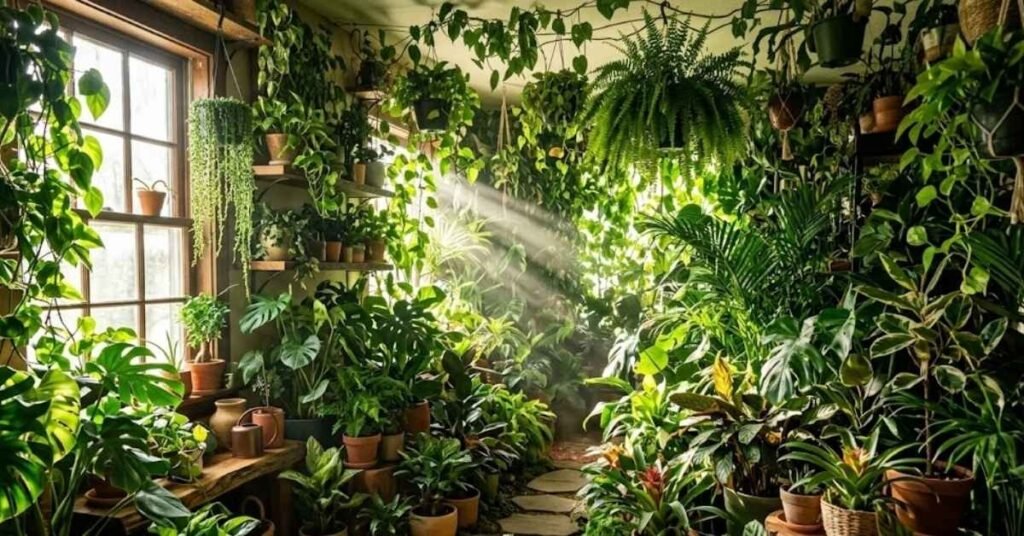
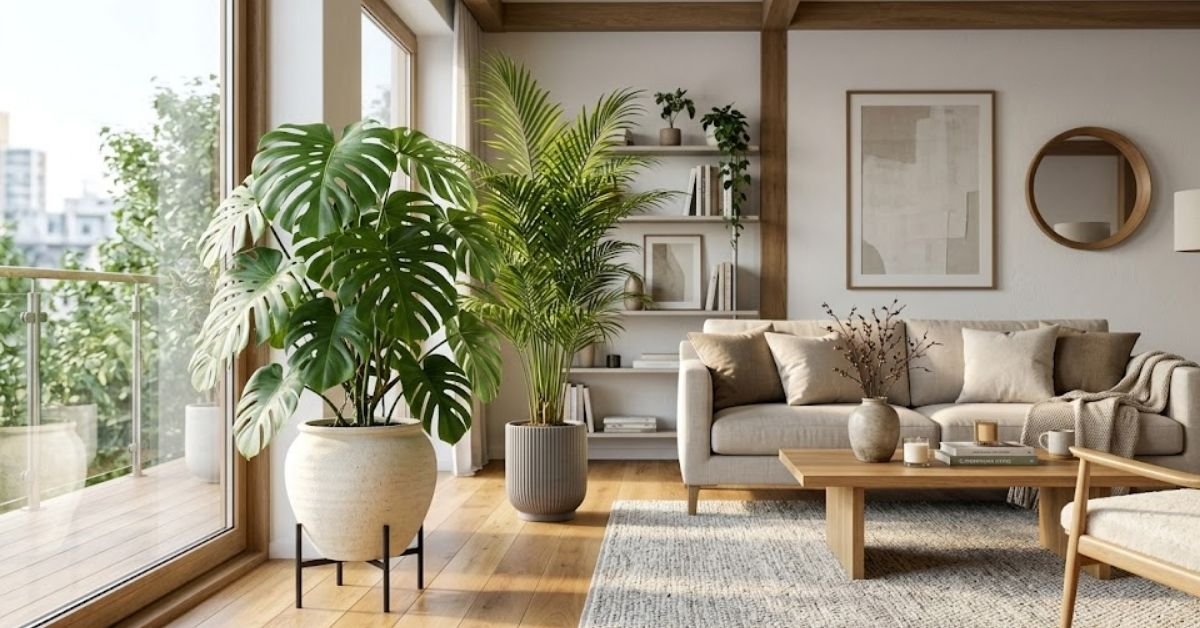
When I first started out, I made the mistake of buying only the “it” plants. In a maximalist setup, you need variety in texture, height, and color. I always recommend starting with “anchors”—large specimens like a Monstera Deliciosa or a Bird of Paradise—and then filling the gaps with “trailers” like Pothos or Heartleaf Philodendron.
In my experience, the key to how to style a maximalist indoor jungle that looks intentional is to mix leaf shapes. Pair the broad, glossy leaves of a Rubber Tree with the fine, feathery fronds of a Kimberly Queen Fern. This contrast creates that “wild” look without looking like a messy basement.
Personal Pro-Tip: Don’t ignore your USDA Hardiness Zone just because the plants are inside. If you live in a northern zone (like Zone 5), your indoor light levels drop significantly in the Winter. I suggest getting a cheap light meter to see if your “bright” corner is actually dark.
Pro Styling Secrets: Layering Your Maximalist Indoor Jungle
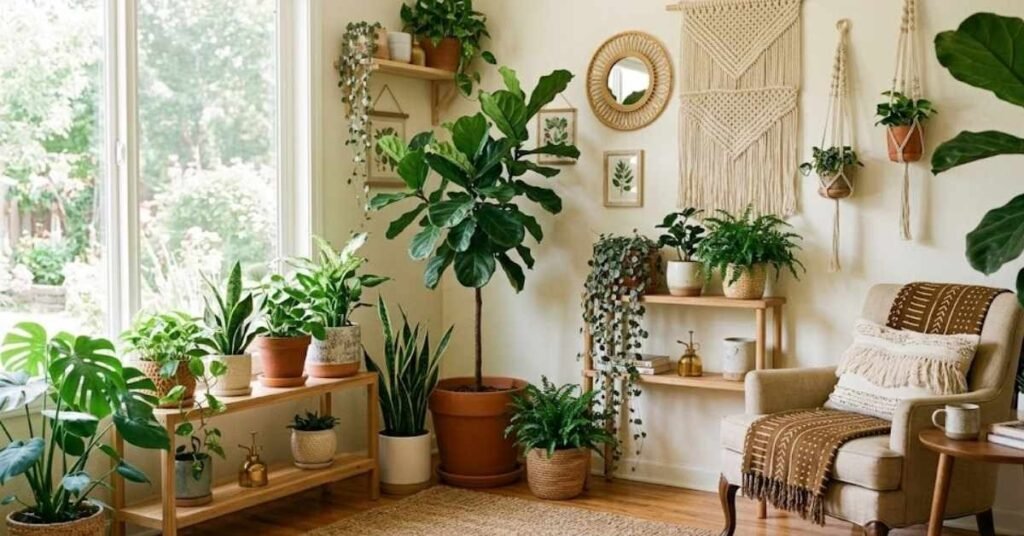
Styling is where the “maximalism” really happens. Most people just line plants up on the floor like a botanical police lineup. To truly master how to style a maximalist indoor jungle, you have to think vertically. I use a mix of vintage wooden crates, tiered plant stands, and ceiling hooks to create “walls” of green.
I love to “cluster” my plants. Not only does this look visually stunning, but it also creates a localized microclimate. As plants transpire, they release moisture, helping their neighbors stay hydrated—which is a lifesaver when your American central air is sucking the humidity out of the room.
Personal Pro-Tip: Use “repetition” to anchor the chaos. If you have five different types of plants, try using the same style of terracotta or ceramic pots. It ties the jungle together so it feels like a collection, not a garage sale.
Common Mistakes When Creating a Maximalist Indoor Jungle
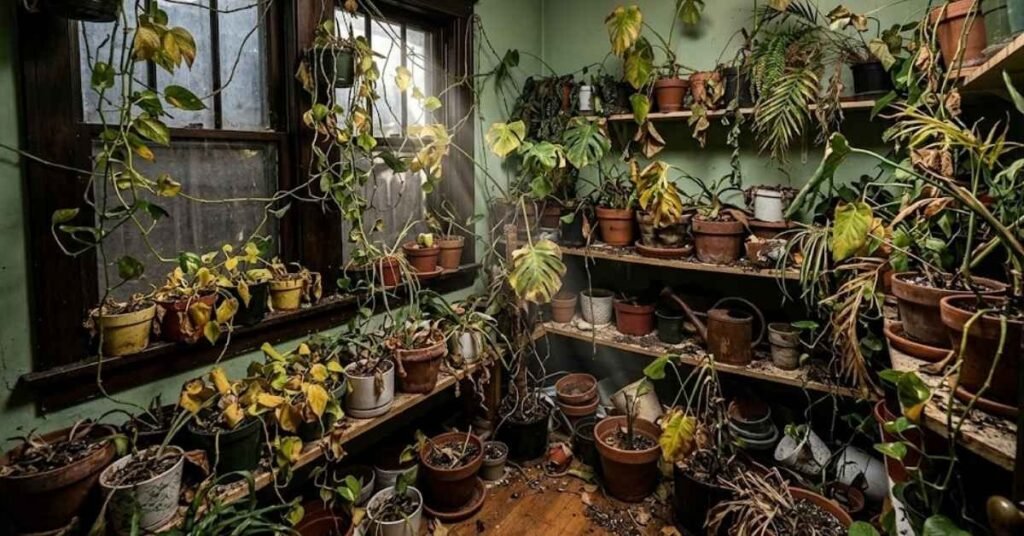
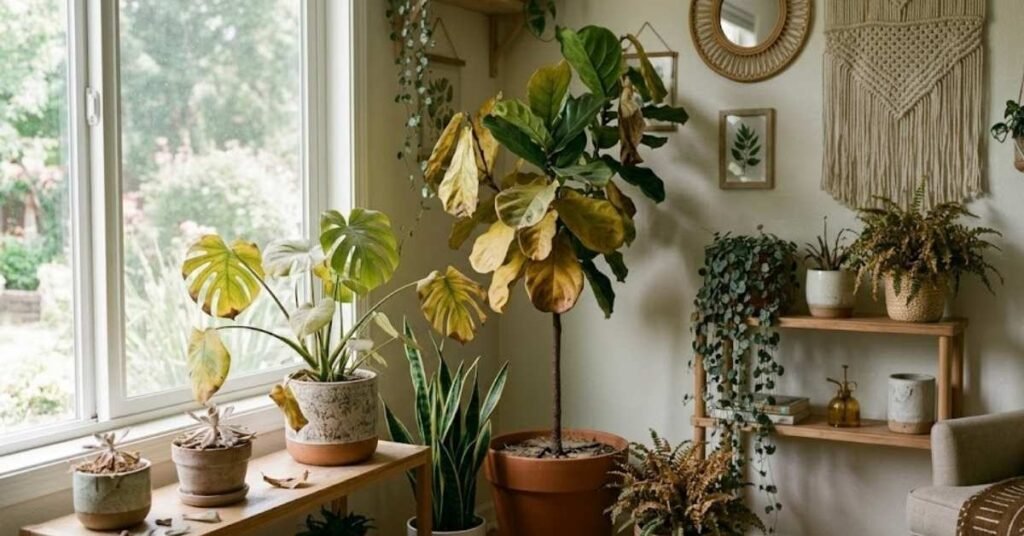
I’ve seen it a thousand times: a beautiful jungle turns into a graveyard within three months. Usually, it’s not a “black thumb”—it’s a lack of understanding of the American home environment.
- The AC Vent Death Trap: We love our air conditioning, but your tropical plants hate it. Placing a Calathea directly under a vent is a death sentence. The cold, dry air will turn those leaves crispy in days.
- Over-watering in the Fall: As the days get shorter in the US, your plants’ metabolism slows down. If you keep watering them like it’s July, you’ll end up with root rot.
- Using the Wrong “Dirt”: Always buy a high-quality potting soil. Never use “topsoil” or “garden soil” from the hardware store for your indoor pots; it’s too heavy and won’t drain, leading to fungal issues.
Personal Pro-Tip: Buy a cheap hygrometer (a humidity monitor). If your home stays below 40% humidity, your maximalist dreams will literally shrivel up. Aim for 50%+.
Troubleshooting Your Maximalist Indoor Jungle
Even with 15 years of experience, I still deal with the occasional yellow leaf. Here is how I handle the most common “jungle” gripes:
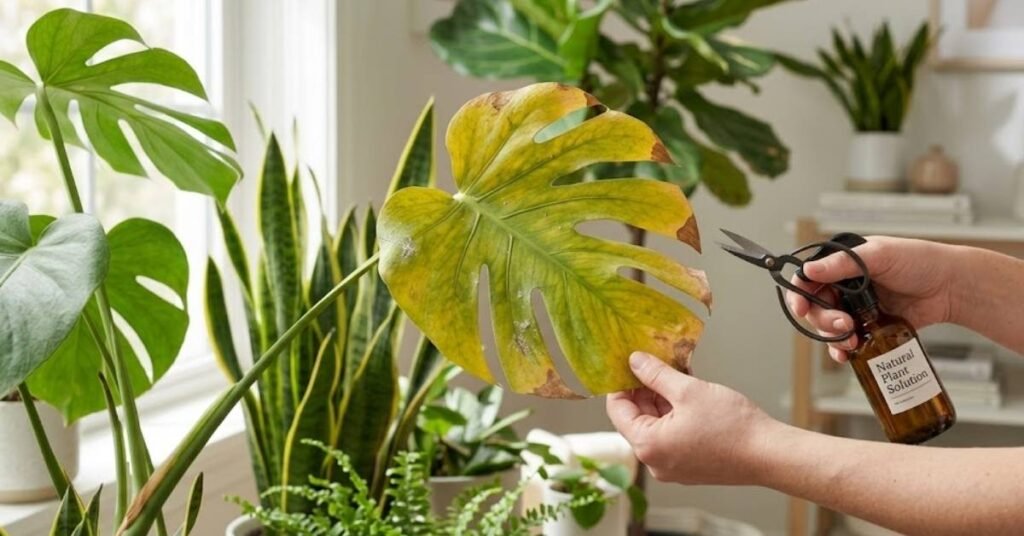
- Yellow Lower Leaves: This is often the first sign of overwatering. Check the soil—if it’s soggy, let it dry out completely.
- Brown, Crispy Tips: This is usually a humidity issue or a reaction to the chlorine in your city water. I suggest letting your water sit in a jug overnight before using the faucet to fill your watering can.
- Leggy, Stretching Stems: Your plant is “reaching” for the window. This means it needs more light. Move it closer to the glass or add a LED grow light.
Personal Pro-Tip: Keep a bottle of Neem oil on hand. In a dense jungle, if one plant gets spider mites, they’ll spread to the whole “forest” fast. I do a preventative spray once a month.
Is a Maximalist Indoor Jungle Safe for Pets?
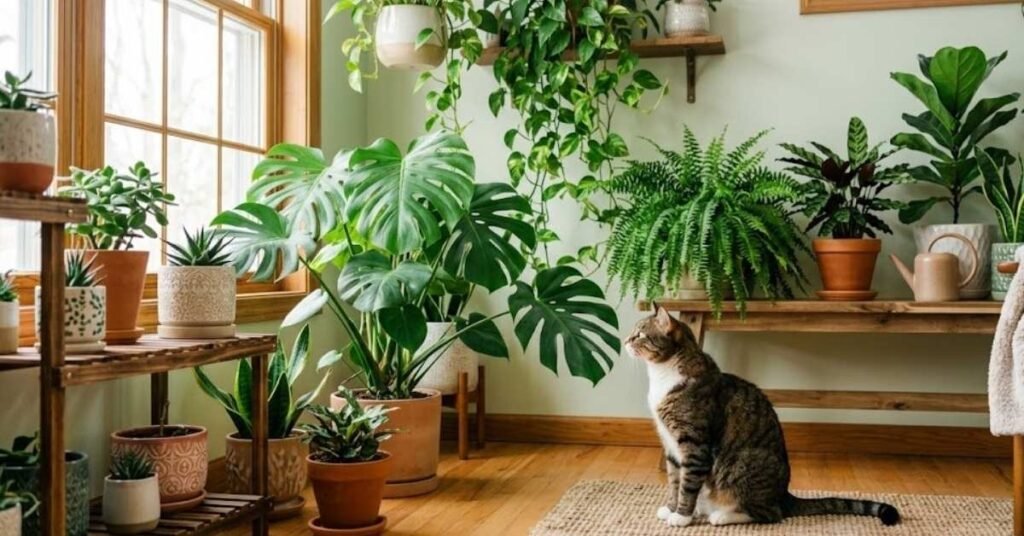
This is the most important question I get from US plant parents. Many “jungle” staples are toxic if chewed.
- Toxic: Monstera, Philodendron, Snake Plants, and ZZ Plants contain calcium oxalate crystals which irritate the mouth and tummy.
- Safe (Pet-Friendly): Parlor Palms, Spider Plants, Boston Ferns, and Hoyas.
If you have a cat that loves to nibble, I recommend keeping the toxic plants on high shelves or in hanging baskets where they are out of reach.
Personal Pro-Tip: If you’re worried about toxicity, focus your “floor level” plants on Ferns and Palms, and keep the Monsteras on higher stands.
My Final Thoughts on How to Style a Maximalist Indoor Jungle
After a decade and a half of tending to greenery, I’ve realized that the most successful “jungles” aren’t the ones that look perfect on day one—they’re the ones that grow with you. When you’re figuring out how to style a maximalist indoor jungle, remember that it’s a living, breathing art project. You might find that a certain corner gets too much draft from your AC in the Summer, or that your Ficus drops leaves every time you turn the heater on in the Fall. That’s okay. Gardening is as much about the “oops” as it is about the “wow.”
I always tell my clients that a maximalist space should feel like a sanctuary, not a chore. If you find yourself stressed by the number of pots, you’ve gone past maximalism and into “overwhelmed.” Keep it fun, keep the faucet running for those thirsty ferns, and don’t be afraid to move things around until the vibe feels just right.
Personal Pro-Tip
My biggest secret? Don’t buy everything at once. The best-styled jungles in the US are curated over years. I love hitting up local plant swaps or “big box” clearance racks in late Fall to find rescue plants that just need a little TLC and a fresh bag of high-quality potting soil.
FAQ: What People Actually Ask About Maximalist Jungles
1. How do I clean all those leaves?
I take my larger plants into the shower once a month and give them a lukewarm “rain” rinse. For smaller ones, a damp microfiber cloth works wonders. Dust blocks sunlight!
2. Does a maximalist jungle attract bugs?
If you have a lot of plants, you might see fungus gnats. I use “Mosquito Bits” in my watering can to kill the larvae in the potting soil. It’s a game-changer.
3. Can I do this in a room with no windows?
Honestly? No—not with real plants. But you can do it with a lot of high-quality LED grow lights. I’ve seen some stunning basement jungles that never see the sun.
4. Isn’t it expensive to buy so many plants?
I recommend “Propping and Swapping.” Start with a few plants and learn to take cuttings. Most jungle plants like Pothos and Tradescantia root easily in water.
5. How do I water 50+ plants without making a mess?
I use a long-neck watering can so I can reach into the back of clusters without moving everything. Also, use saucers under every pot to save your hardwood floors!
6. Will the plants ruin my walls with moisture?
As long as you have good airflow, you’ll be fine. I keep a small oscillating fan on low in my “dense” corners to prevent mold and keep the air moving.
7. How long does it take to maintain?
For a true maximalist setup, I spend about 30 minutes every Sunday checking soil moisture and snipping dead leaves. It’s my version of meditation.

Amin Khalid is a professional horticulturist and the founder of LeafyWisdom. With a deep passion for home gardening and horticultural research, he specializes in providing practical, easy-to-follow care guides for indoor plants. Amin’s goal is to simplify gardening for everyone and help fellow plant lovers build their own thriving green spaces.